
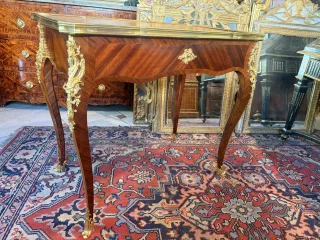
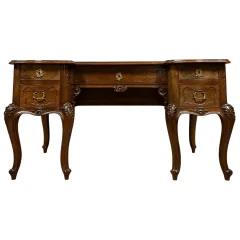
Louis XV Style Flat-Top Desk
Romain Lichtensztein — Maignelay-Montigny
2 000,00 €
Good condition
612 objects found
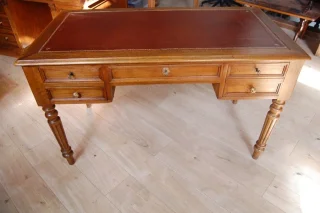
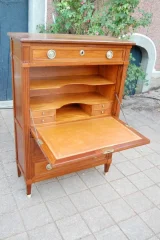
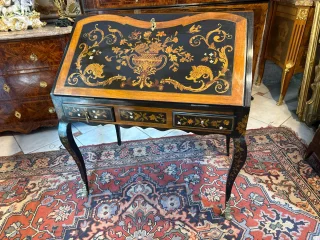
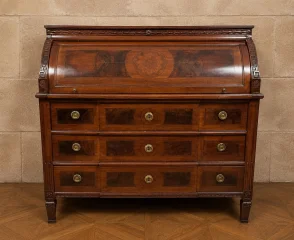
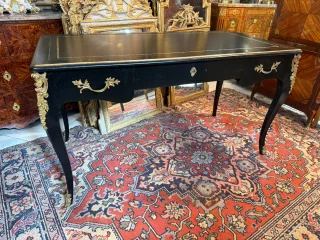
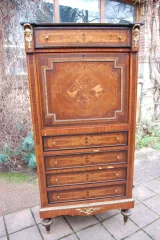
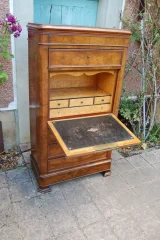
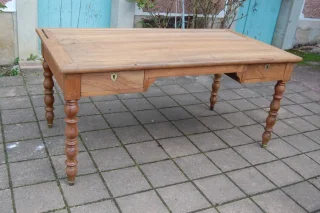
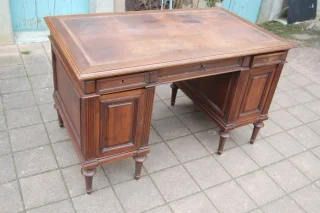
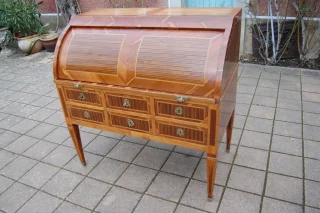
From the understated provincial slant-front desk to the magnificent flat-top bureau with its tooled leather surface, the writing desk has evolved across the centuries without ever sacrificing elegance for function. Each great period left its mark: the cabriole legs and chiselled bronzes of Louis XV, the straight lines and flamed mahogany of the Empire, the intricate marquetry and clever mechanisms of the Napoléon III era.
Every antique writing desk on Antiquités en France is offered by a verified professional dealer, with detailed photographs and the option to request further information before you buy.
612 objects found
Romain Lichtensztein — Maignelay-Montigny
Antiquités Rousseau — Évry
Antiquités Rousseau — Évry
Romain Lichtensztein — Maignelay-Montigny
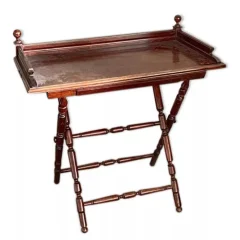
LA BROCANTE DE BROU — Brou
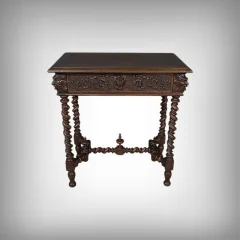
Antiquités Lecomte — Héric
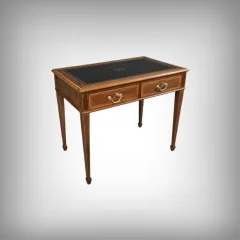
Antiquités Lecomte — Héric
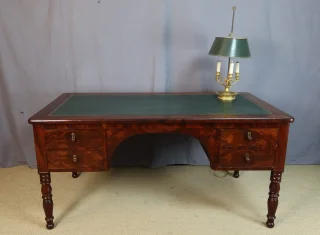
Philippe Cote Antiquites — Chauffailles
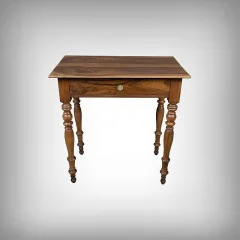
Antiquités Lecomte — Héric
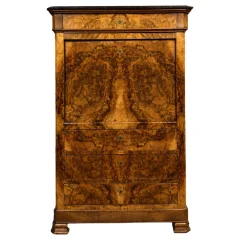
Les Trésors d'avril 71. — Saint-Bonnet-de-Vieille-Vigne
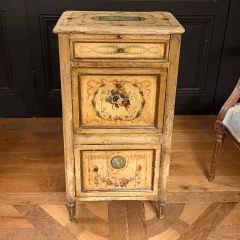
Ponvianne Antiquités — Marcy-l'Étoile
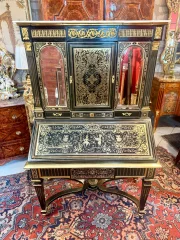
Romain Lichtensztein — Maignelay-Montigny
Les Trésors d'avril 71. — Saint-Bonnet-de-Vieille-Vigne
Les Trésors d'avril 71. — Saint-Bonnet-de-Vieille-Vigne
Romain Lichtensztein — Maignelay-Montigny
Antiquités Rousseau — Évry
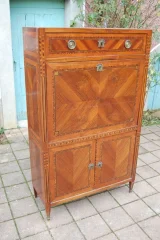
Antiquités Rousseau — Évry
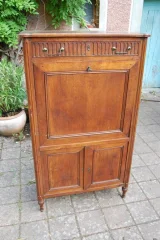
Antiquités Rousseau — Évry
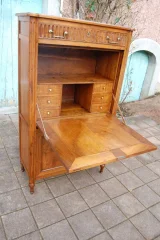
Antiquités Rousseau — Évry
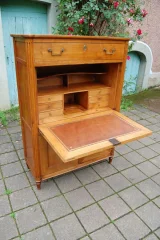
Antiquités Rousseau — Évry
Antiquités Rousseau — Évry
Antiquités Rousseau — Évry
Antiquités Rousseau — Évry
Antiquités Rousseau — Évry
Authenticating an antique bureau begins with the construction. On a genuine period piece, drawer dovetails are hand-cut and slightly irregular, secondary timbers — oak, poplar, pine — show natural patina on the inside faces, and tool marks remain visible within the carcass. A stamped flat-top desk by a Parisian maître ébéniste — Boudin, Migeon, Topino — commands significantly higher prices than an unsigned provincial example, yet the latter often represents outstanding value for money.
Pay close attention to materials: solid walnut for 18th-century provincial pieces, Cuban mahogany for Empire and Restauration desks, rosewood and amboyna burr for the Napoléon III style. Check that the veneer is consistent with no obviously recent repairs, that the gilt-bronze mounts are original, and that the leather writing surface — whether original or carefully restored — lies flat and is properly adhered. A cylinder desk should retain its working tambour mechanism and intact interior fittings to be fully valued by the market.
Prices vary widely according to period, condition and provenance. Expect to pay a few hundred pounds or euros for a sound provincial slant-front desk, several thousand for a Louis XV walnut flat-top bureau with original bronzes, and considerably more for a stamped or documented piece. A traceable provenance — an old receipt, a succession inventory, a gallery label — always strengthens both the value and your peace of mind as a buyer.
On Antiquités en France, our verified professional dealers guide you at every step: rigorous descriptions, photographs from every angle and personalised advice. You may also wish to explore our selection of antique secretary desks to complement a room or build a coherent ensemble. Contact the dealer directly to discuss delivery arrangements, insurance or to request a certificate of authenticity.