
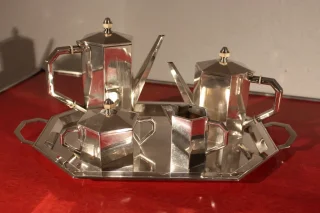
ART DECO PERIOD COFFEE SERVICE
Au Réveil Du Temps — Saint-Nabord
560,00 €
60 objects found
Silver-plated metal — whether electroplated over nickel silver, brass or white metal — brought the elegance of fine tableware to a much wider audience from the 19th century onwards. Great houses such as Christofle, Ercuis and Ravinet d'Enfert produced silver-plated cutlery and flatware, teapots, sauce boats and trays of remarkable quality, typically stamped and datable with precision. These pieces combine formal refinement with genuine accessibility, making them sought after by collectors and lovers of a well-dressed table alike.
A natural complement to antique solid silver, silverplate offers an attractive quality-to-price ratio for building a complete service or enriching an existing collection.
60 objects found
Au Réveil Du Temps — Saint-Nabord
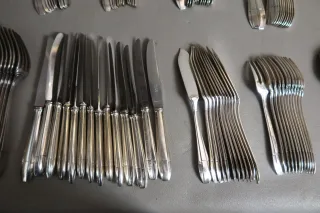
Philippe Cote Antiquites — Chauffailles

Philippe Cote Antiquites — Chauffailles
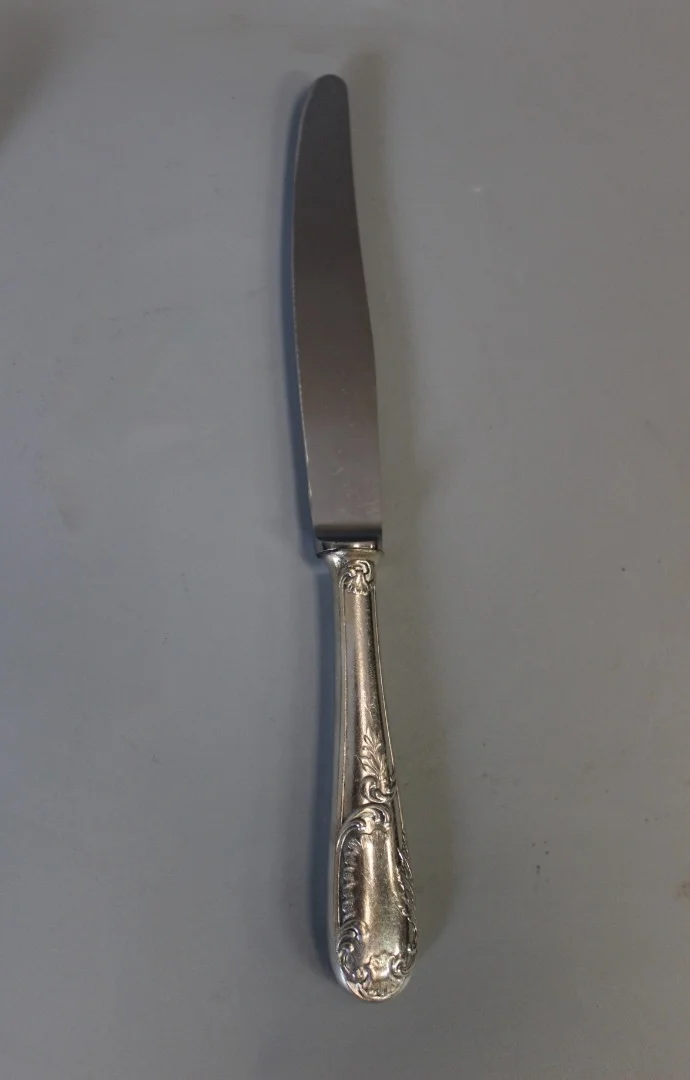
Antiquités Christophe Rochet — Villeurbanne
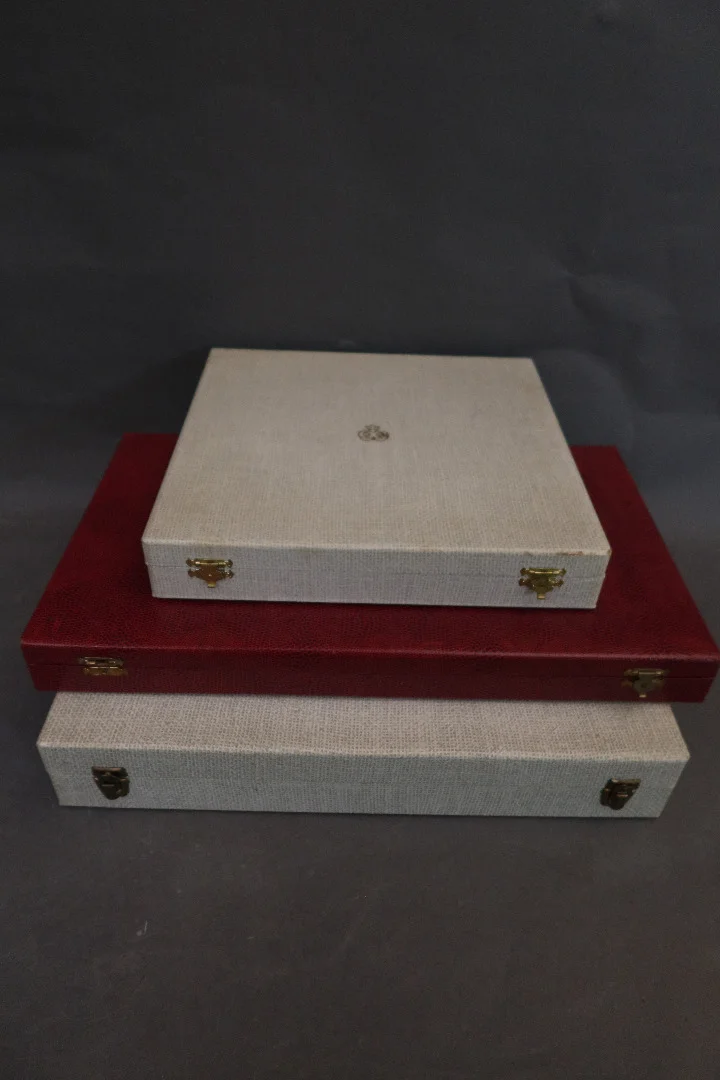
Philippe Cote Antiquites — Chauffailles
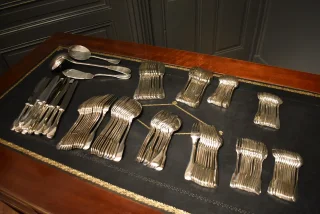
Antiquités Anne Marie Perrier — La Boisse
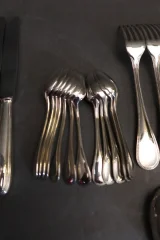
Philippe Cote Antiquites — Chauffailles

LE SOLEIL ROUGE — Lyon 7e Arrdt
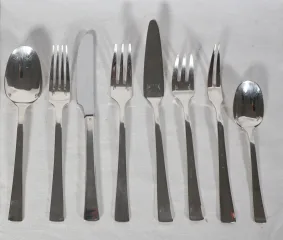
Galerie Lauretta — Mandelieu-la-Napoule
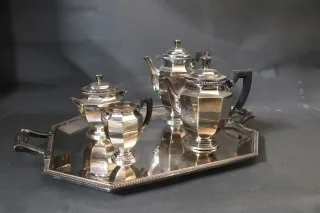
Philippe Cote Antiquites — Chauffailles

Philippe Cote Antiquites — Chauffailles

LE SOLEIL ROUGE — Lyon 7e Arrdt
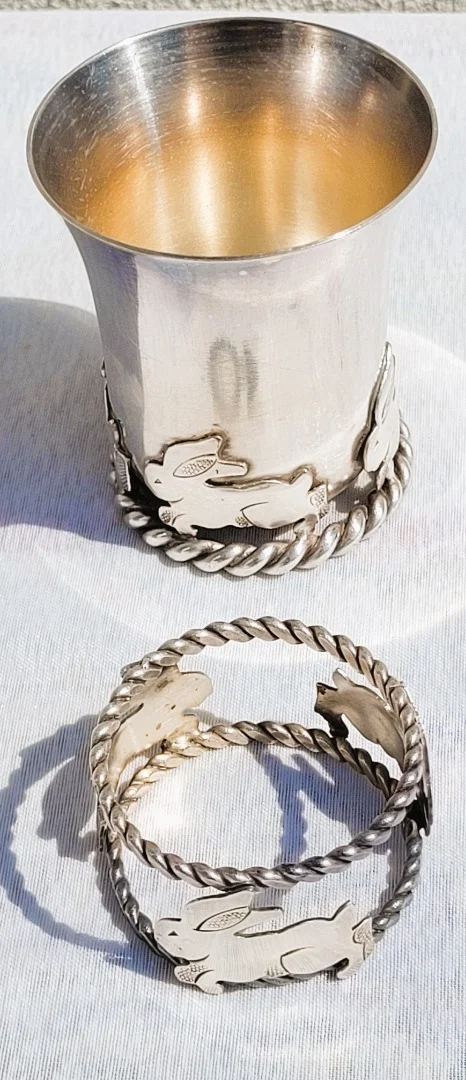
Antiquités "Le Vieux Matos" L.V.M — La Chapelle-Saint-Martin-en-Plaine

Antiquités "Le Vieux Matos" L.V.M — La Chapelle-Saint-Martin-en-Plaine
Antiquités Christophe Rochet — Villeurbanne
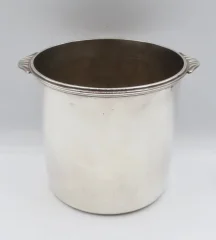
Anne Besnard — Saint-Ouen
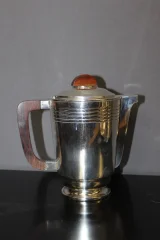
Antiquités Christophe Rochet — Villeurbanne
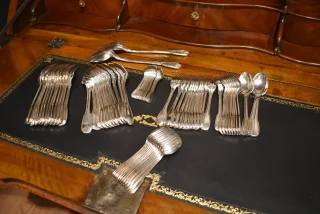
Antiquités Anne Marie Perrier — La Boisse
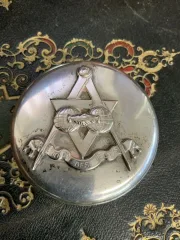
Antiquités Lyonnaises — Villeurbanne
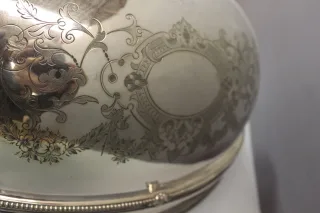
Antiquités Christophe Rochet — Villeurbanne
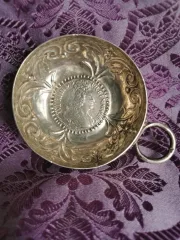
Bernadette Tanzilli Antiquités — Pérouges

Galerie Lauretta — Mandelieu-la-Napoule
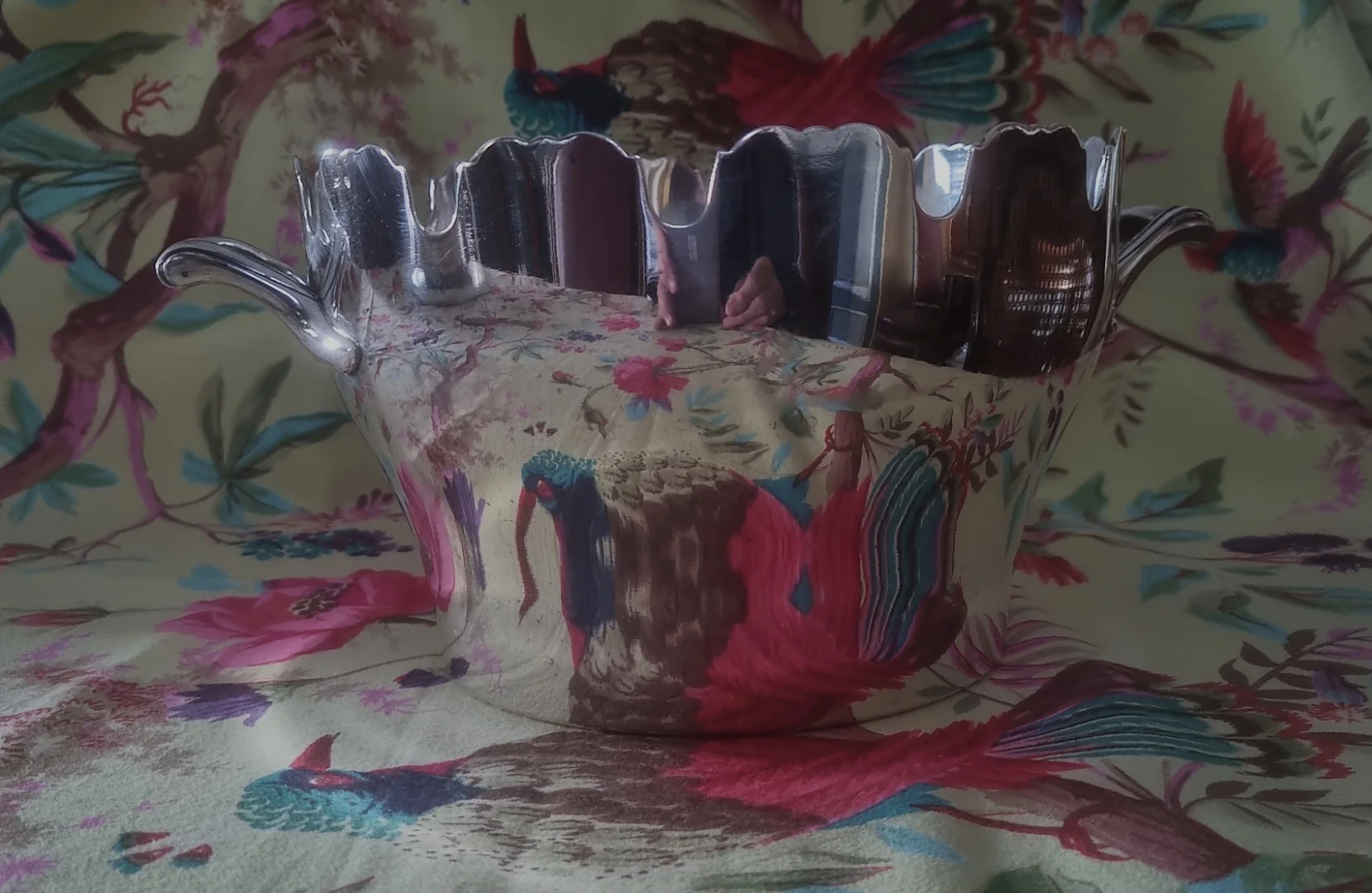
Ecritoire Antiquites Poidras jean-luc — Vertou
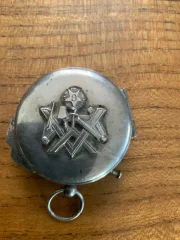
Antiquités Lyonnaises — Villeurbanne
To authenticate an antique silver-plated piece, start by examining the maker's marks struck on the underside: Christofle's characteristic oval cartouche with interlaced initials, the E.P.N.S (Electroplated Nickel Silver) stamp found on British production, or the house marks of French makers such as Ercuis and Ravinet d'Enfert. These stamps often allow you to date a piece to within a decade and establish its provenance with confidence. A crisp, legible mark is always a reassuring sign of quality.
The condition of the silver layer is the single most important factor in determining value. Examine the areas most prone to wear — tray rims, the backs of spoons and forks, teapot handles — and check whether silver-plated trays and serving pieces have been re-plated. Professional re-silvering is perfectly acceptable but should always be disclosed. Favour pieces with their original layer intact, even if gently patinated, over objects that have been over-polished and lost their engraved or chased relief. Art Deco and Belle Époque models with geometric lines or finely chased decoration command the strongest collector interest.
For day-to-day care, clean your pieces regularly with a soft, slightly damp cloth and a product formulated specifically for silverplate — never use abrasives. Store cutlery and objects in anti-tarnish rolls or acid-free tissue to slow oxidation. For silver-plated tea and coffee services, avoid the dishwasher entirely, as the heat and detergents irreversibly damage the deposited layer.
On Antiquités en France, every silver-plated piece is offered by a verified professional antique dealer who can provide detailed photographs, exact dimensions and full provenance information. Prices range from a few euros for a single piece of cutlery to several hundred for a complete signed service by a major house. Browse our selection of antique kitchen and household objects to complete your table, and contact your chosen dealer directly with any questions before purchasing.