
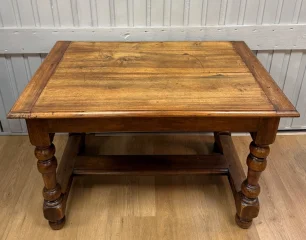
Objet 178266
2R Antiquites — Caluire-et-Cuire
690,00 €
124 objects found
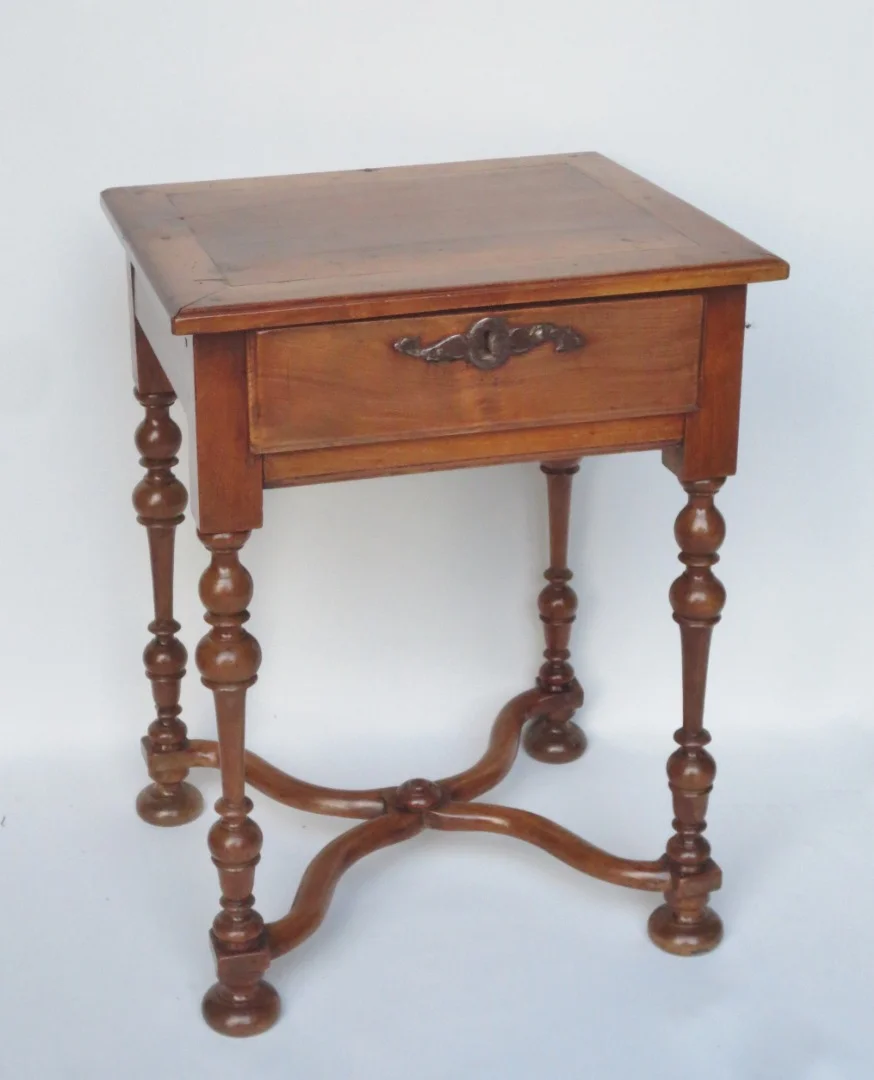
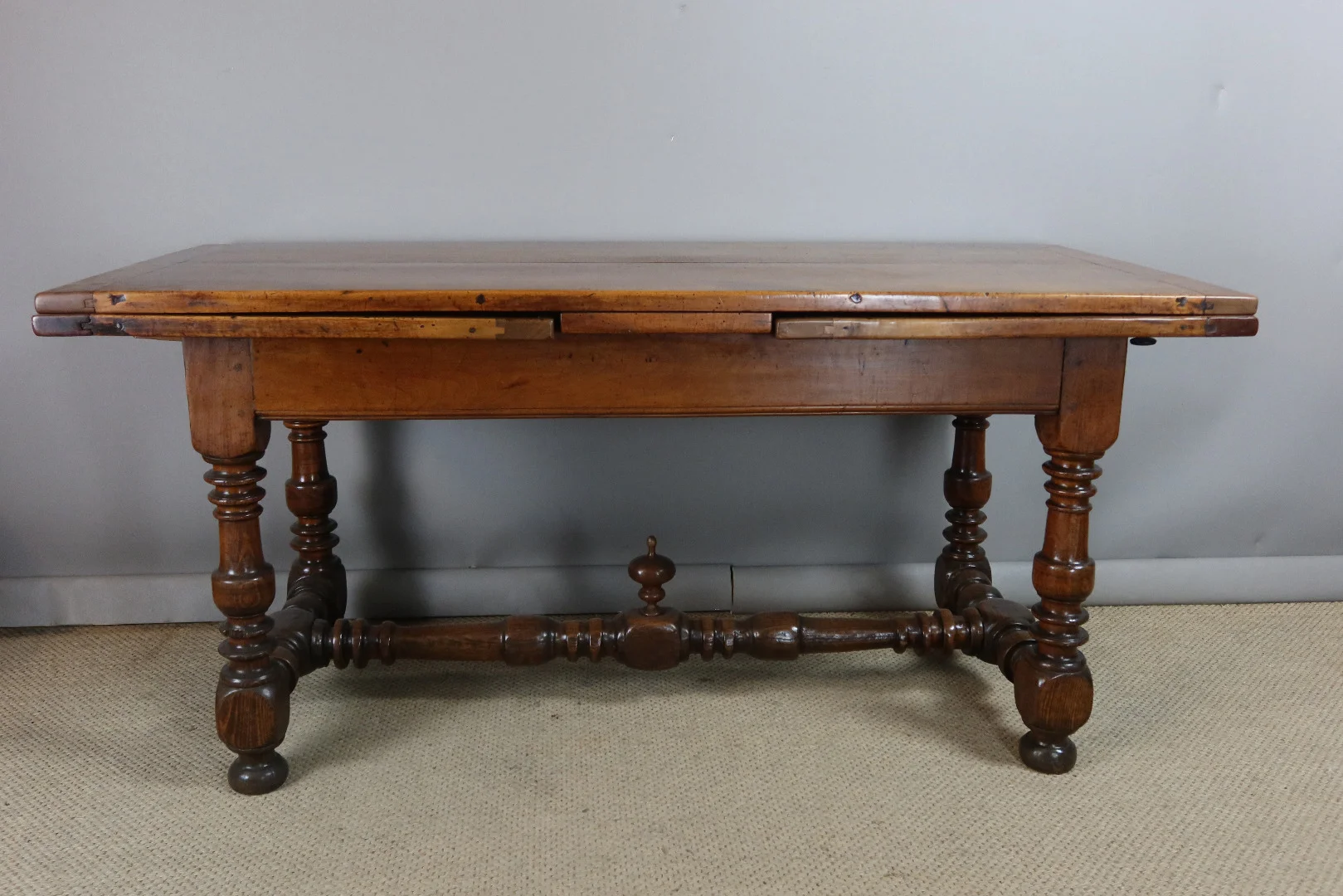
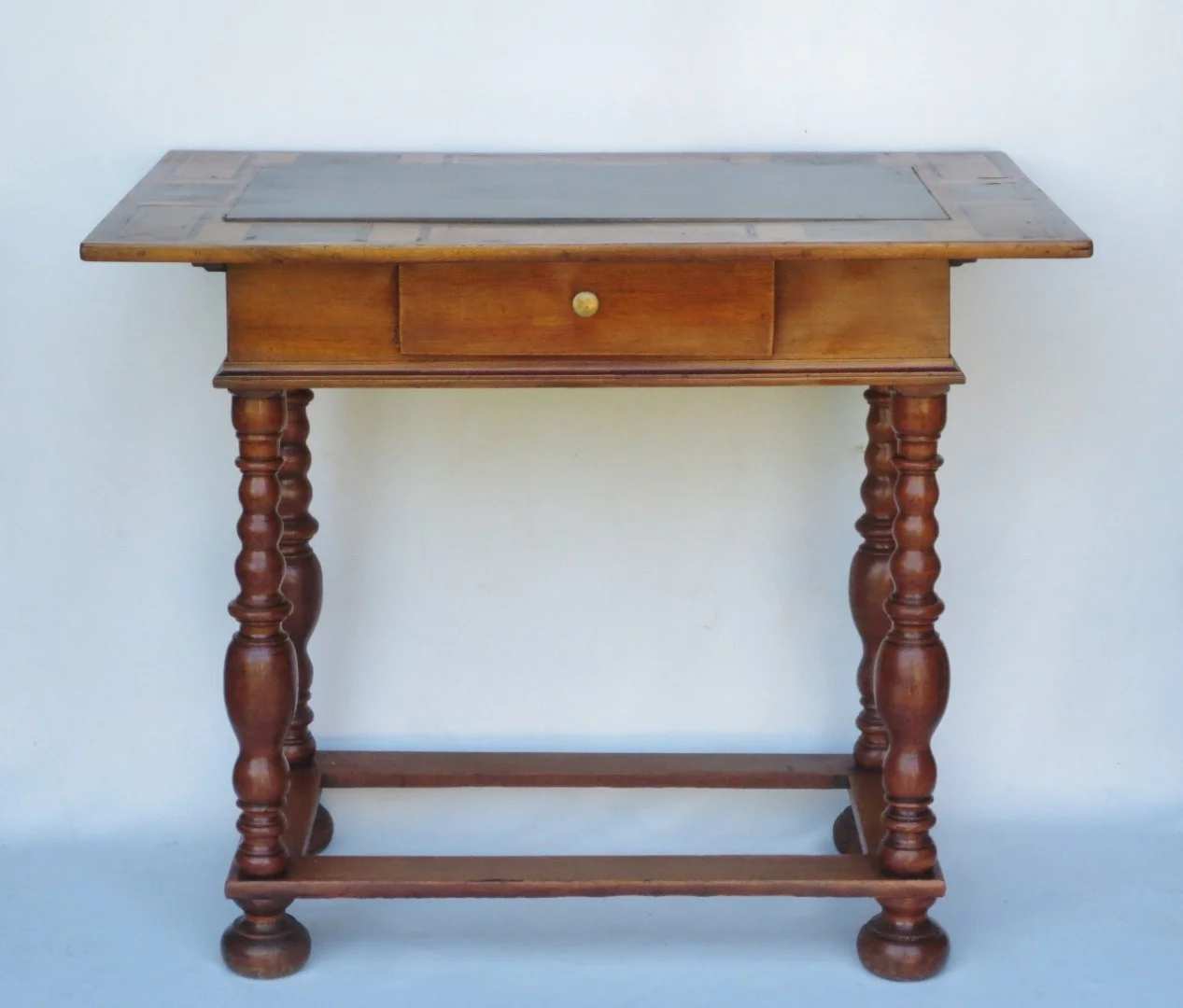
Emerging under the reign of Louis XIII (1610–1643) and continuing into the 1660s, the Louis XIII style marks France's entry into grand prestige furniture. Shaped by Flemish, Spanish and Italian influences, it is defined by bold architectural forms, turned baluster or bobbin uprights, and restrained yet confident carved ornament. The Louis XIII carved oak piece — two-body armoire, turned-leg table, geometric-panel coffer — remains the most emblematic expression of the style, instantly recognisable to any collector.
A direct precursor to French classicism, Louis XIII sits in natural continuity with the Haute Époque tradition while anticipating the disciplined grandeur of the Grand Siècle.
124 objects found
2R Antiquites — Caluire-et-Cuire
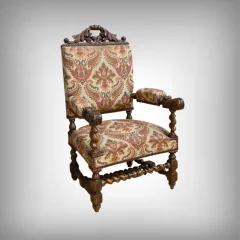
Antiquités Lecomte — Héric

Anne Besnard — Saint-Ouen
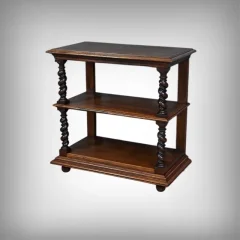
Antiquités Lecomte — Héric
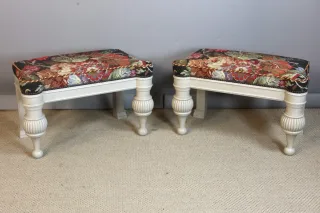
Philippe Cote Antiquites — Chauffailles

Philippe Cote Antiquites — Chauffailles
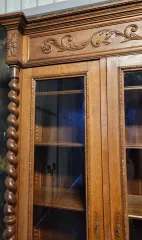
Antiquites d'Augers en Brie — Augers-en-Brie
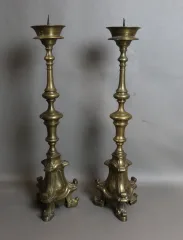
Philippe Cote Antiquites — Chauffailles

Philippe Cote Antiquites — Chauffailles
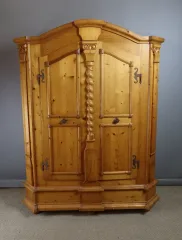
Philippe Cote Antiquites — Chauffailles
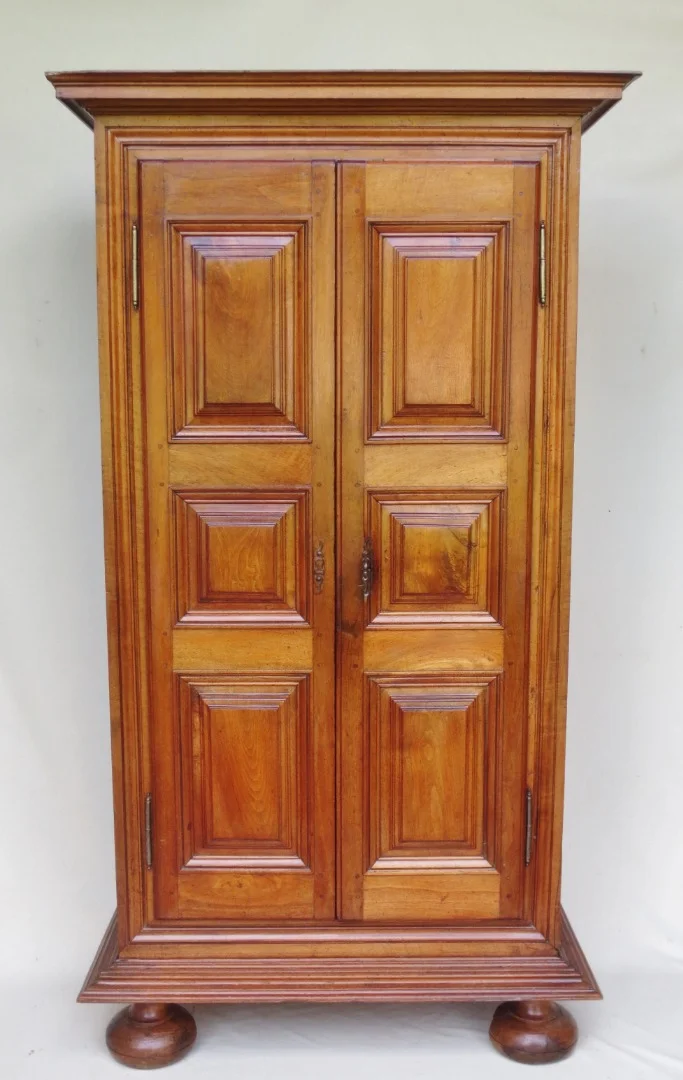
Anne Besnard — Saint-Ouen
Anne Besnard — Saint-Ouen
Philippe Cote Antiquites — Chauffailles
Anne Besnard — Saint-Ouen
Galerie Lauretta — Mandelieu-la-Napoule
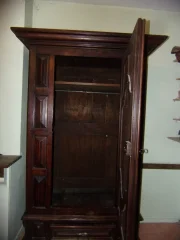
Sarl Cave — Limoges
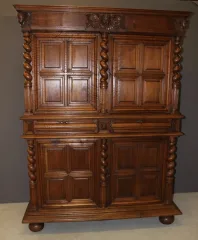
Antiquités Christophe Rochet — Villeurbanne
L’ESTAMPILLE — Navilly
L’ESTAMPILLE — Navilly
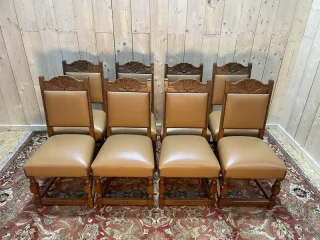
L’ESTAMPILLE — Navilly

L’ESTAMPILLE — Navilly
L’ESTAMPILLE — Navilly
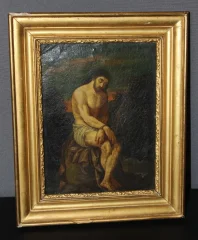
Antiquités Christophe Rochet — Villeurbanne
L’ESTAMPILLE — Navilly
Identifying a genuine period Louis XIII piece requires a few reliable benchmarks. Solid oak is the material of choice — occasionally walnut in southern French workshops. Legs and uprights are invariably turned: balusters, bobbins or spinning-top profiles. The façade panels carry geometric motifs — lozenges, diamond points — that are hallmarks of early 17th-century cabinetmaking. Examine the wooden-peg joinery, the hand-tool marks on the back of panels, and the natural, unforced patina of the wood: these are the details that reproductions consistently fail to replicate convincingly.
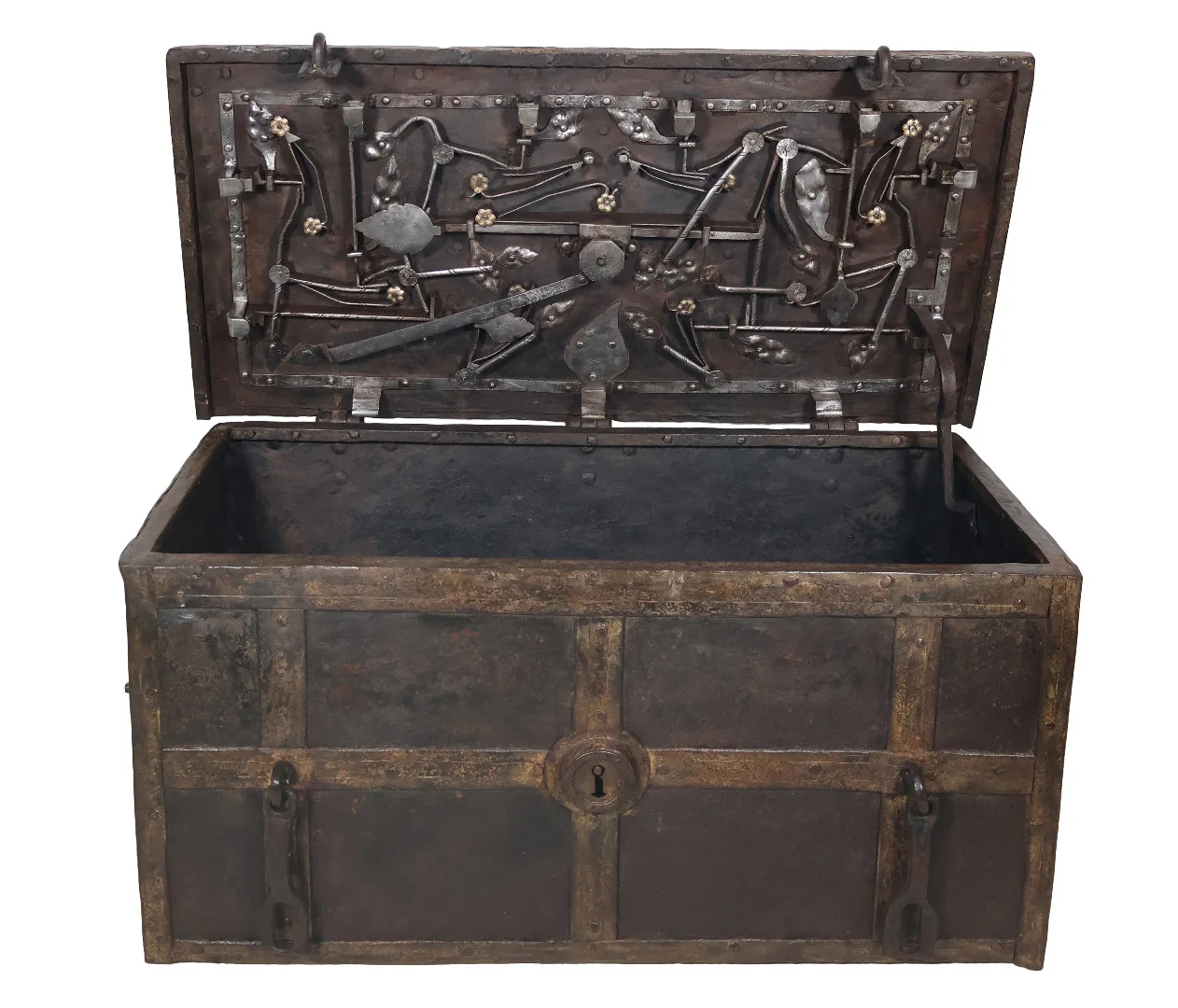
Among the most sought-after objects, Louis XIII upholstered armchairs — square backs, scroll armrests, turned legs joined by an H-stretcher — command strong collector interest, as do two-body armoires with engaged columns flanking the doors. Coffers, bahuts and stretcher tables round out a coherent ensemble for a characterful interior.
In terms of budget, expect to pay from a few hundred euros for a small coffer or stool up to several thousand for a well-preserved two-body armoire or a pair of period armchairs retaining their original upholstery. The condition of the turning, the integrity of the carved panels and the absence of heavy restoration are the primary value criteria. A documented provenance — an old inventory, a collection label — adds meaningfully to any estimate. To place Louis XIII within the broader sweep of French decorative arts, it is worth exploring later periods such as Directoire or Empire, which illustrate how French taste evolved over the following two centuries.
On Antiquités en France, every piece of Louis XIII furniture is offered by a verified professional antique dealer who can provide detailed photographs, precise dimensions and full provenance information. Contact the dealer directly for any expert assessment or questions before you buy.