
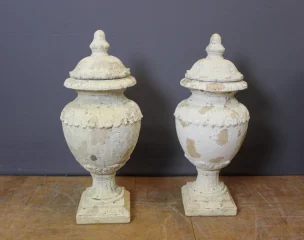
Pair of covered garden vases, 19th century
Antiquités Christophe Rochet — Villeurbanne
1 200,00 €
21 objects found
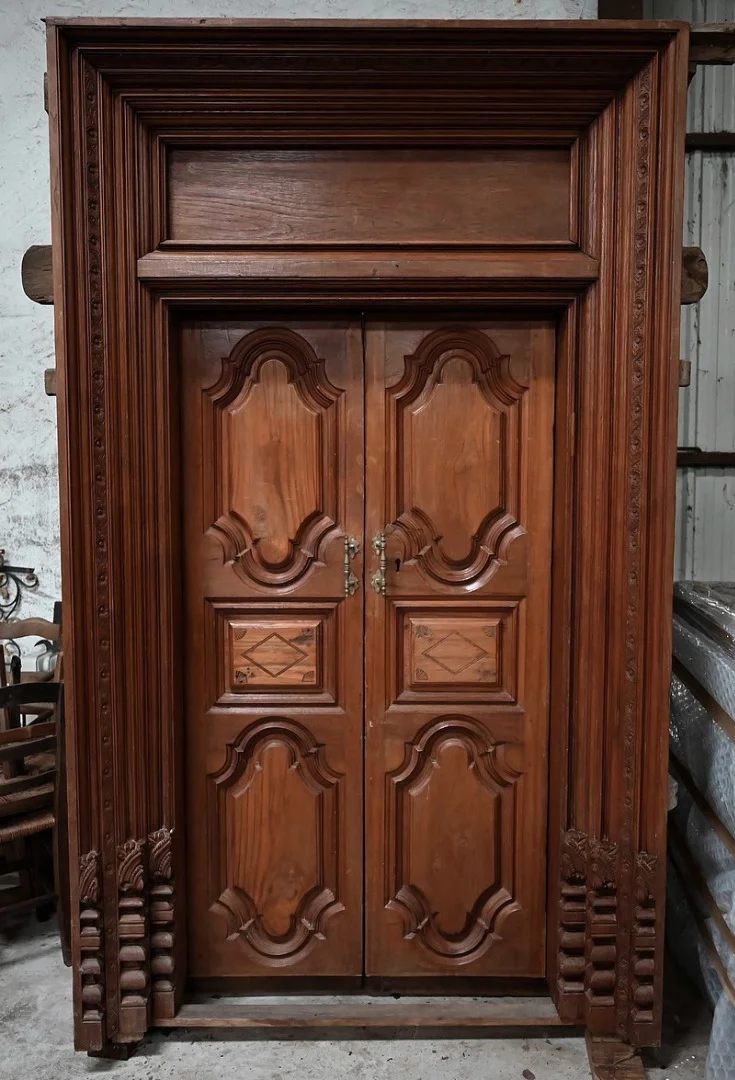
Antique doors are far more than functional objects — they are tangible records of the joiner's and carver's craft across the centuries. From the 17th to the early 20th century, they range from carved oak doors and moulded walnut examples to patinated pine service doors, each retaining original frames, architraves and period hardware. Whether a Louis XV château door with shaped raised panels or a rustic farmhouse door in solid oak, every piece brings irreplaceable character to an interior.
These period architectural elements integrate equally well into heritage restoration projects and contemporary interiors seeking authenticity. Discover complementary pieces among our wider range of architectural antiques to complete your project.
21 objects found
Antiquités Christophe Rochet — Villeurbanne
Antiquités Christophe Rochet — Villeurbanne

Anne Besnard — Saint-Ouen
L’ESTAMPILLE — Navilly
L’ESTAMPILLE — Navilly
Antiquités Lecomte — Héric
Galerie Lauretta — Mandelieu-la-Napoule
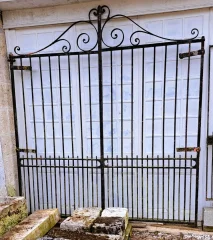
Antiquités "Le Vieux Matos" L.V.M — La Chapelle-Saint-Martin-en-Plaine
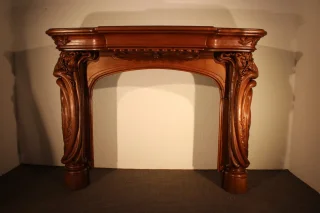
Au Réveil Du Temps — Saint-Nabord
L'atelier De La Dorure — Calmont
L'atelier De La Dorure — Calmont
L'atelier De La Dorure — Calmont
Le Grenier D'Abélard — Sens
L’ESTAMPILLE — Navilly
Antiquités "Le Vieux Matos" L.V.M — La Chapelle-Saint-Martin-en-Plaine

L’ESTAMPILLE — Navilly
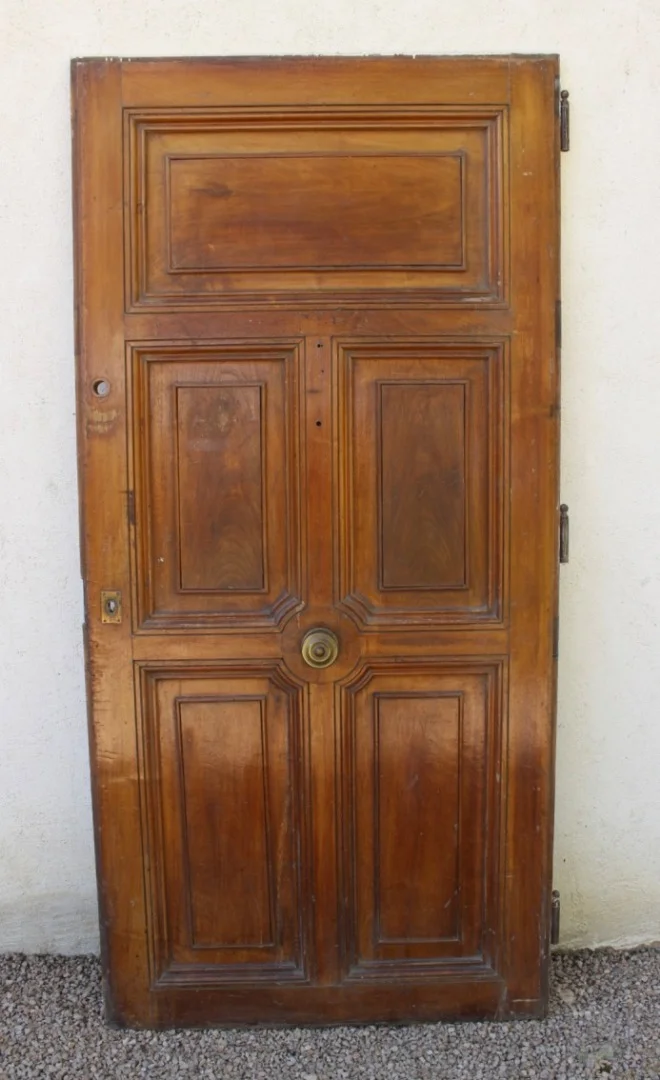
Antiquités Christophe Rochet — Villeurbanne

FRANZINI-HEINEN
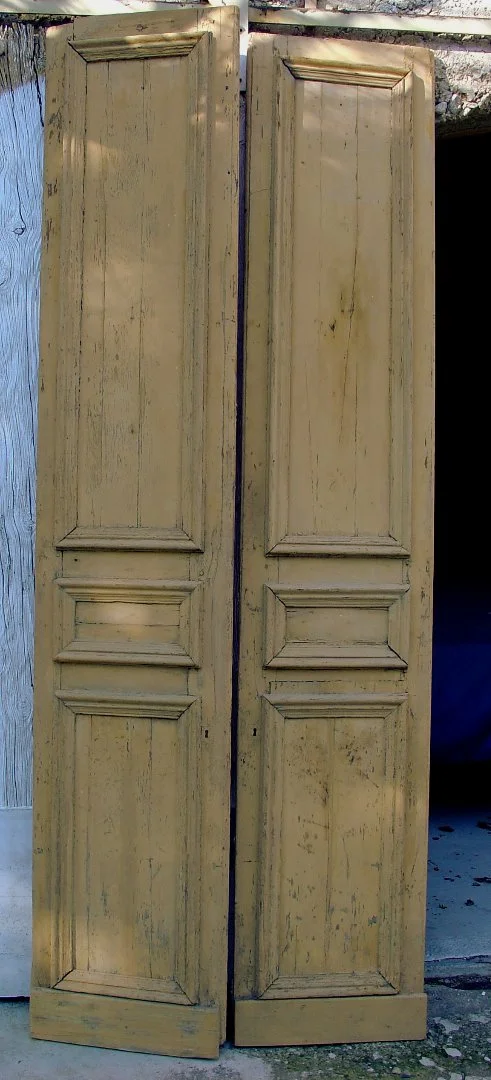
Antiques Provence — Cheval-Blanc
Antiquités Christophe Rochet — Villeurbanne
2R Antiquites — Caluire-et-Cuire
Authenticating an antique door begins with a close reading of the wood itself. Genuine period oak or walnut displays a deep, even patina that has developed over decades, visible tool marks from hand planes and chisels, and mortise-and-tenon joints secured with wooden pegs — never screws or plywood. The floating panel construction typical of 18th-century joinery allows the wood to move with changes in humidity without splitting, a hallmark of enduring quality. Modern reproductions, by contrast, tend to show machine-routed mouldings that are perfectly uniform to the touch and timber that is suspiciously even in colour and grain.
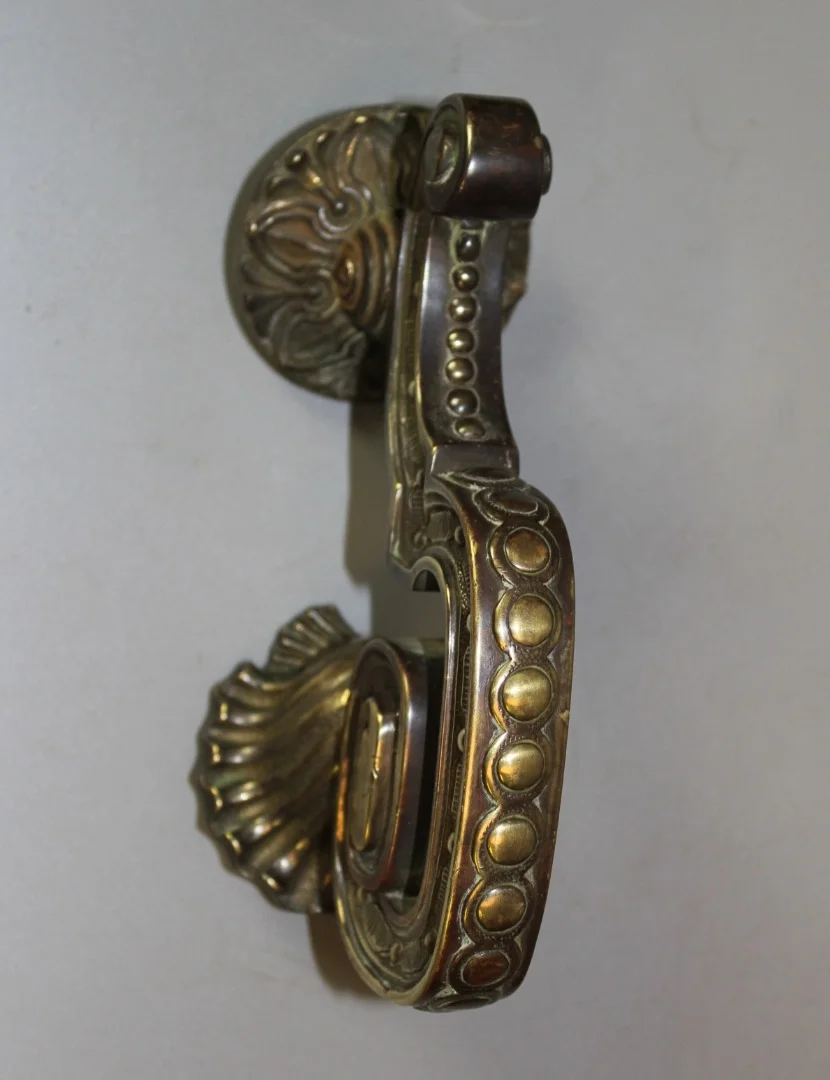
Original hardware is one of the most reliable dating clues. Antique wrought iron hinges, lever-tumbler locks and bronze or brass handles all speak to a specific period and workshop tradition that is difficult to replicate convincingly. Check that the hardware is consistent with the door's style: Empire-period fittings on a Louis XV door should prompt careful scrutiny. Replaced hardware is not necessarily a dealbreaker, but it should be reflected in the price.
Budget expectations vary widely. A straightforward pine or plain oak door can be acquired for a few hundred pounds, while a carved double door in oak with its original frame, sourced from a hôtel particulier or country house, may command several thousand. Condition of the joinery, completeness of the surround and documented provenance all bear directly on value. Consider pairing a period door with antique panelling and boiserie to dress an entrance hall or reception room in a coherent historic register.
Every door listed on Antiquités en France is offered by a verified professional dealer who can supply exact dimensions, wood species, condition report and provenance history. Contact the seller directly for additional photographs or a shipping quote before committing. You may also wish to explore our full selection of antique architectural elements — from chimneypieces and overdoors to ironwork balustrades — to source everything your project needs from trusted specialists.