
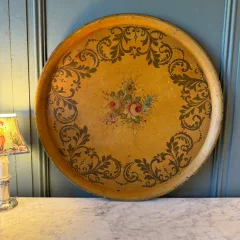
Large painted toleware tray, diameter 60 cm
Ponvianne Antiquités — Marcy-l'Étoile
230,00 €
919 objects found
Antique decorative objects bring a depth and singularity to any interior that no contemporary production can match. Porcelain vases, decorative bronzes, mantel clocks, crystal bowls or faience figurines — each piece carries the imprint of an era, a craft tradition and often an identifiable workshop or manufacture.
On Antiquités en France, these antique objets d'art are offered exclusively by verified professional dealers who stand behind the authenticity and quality of every lot. Browse the selection and let your eye — and each object's history — be your guide.
919 objects found
Ponvianne Antiquités — Marcy-l'Étoile
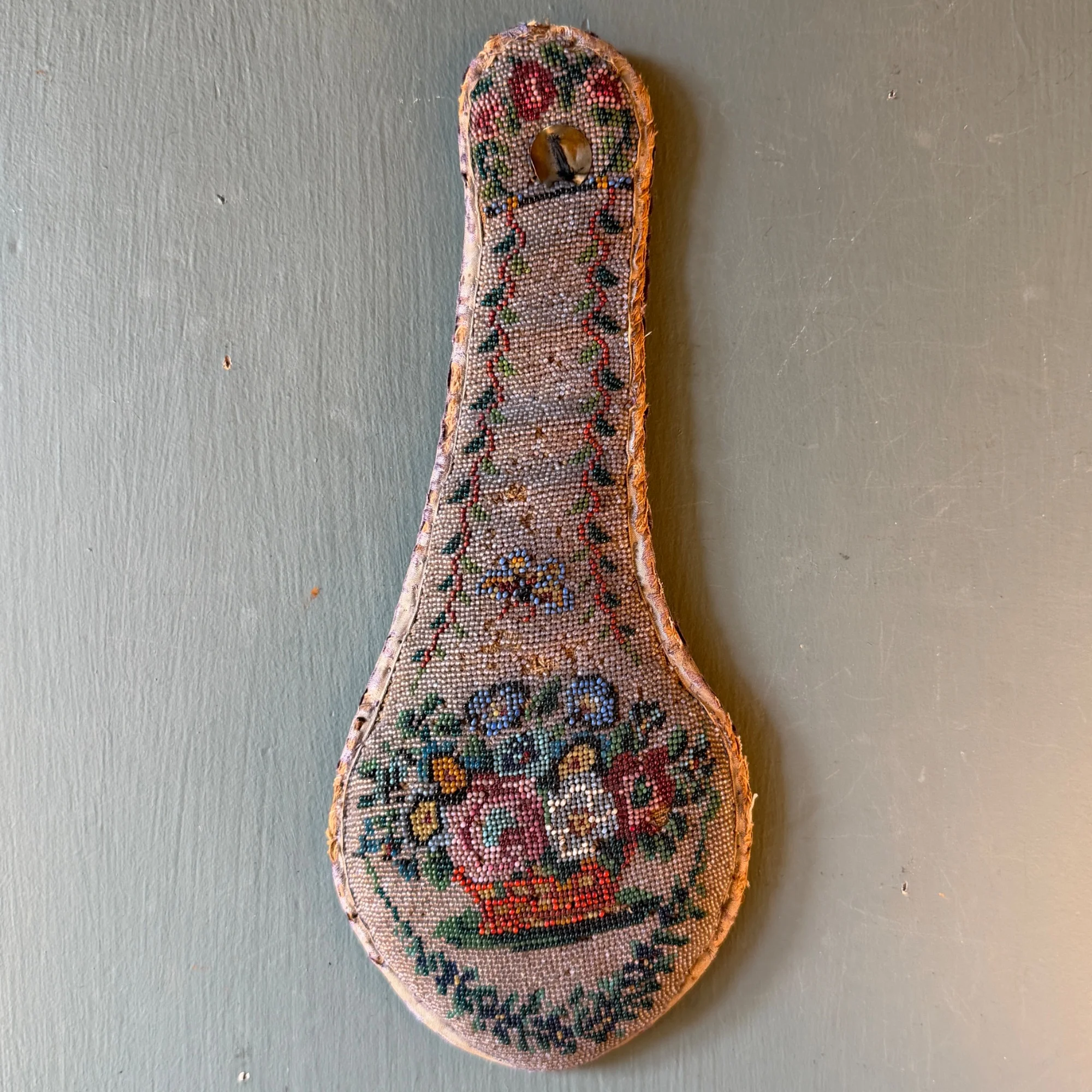
Ponvianne Antiquités — Marcy-l'Étoile
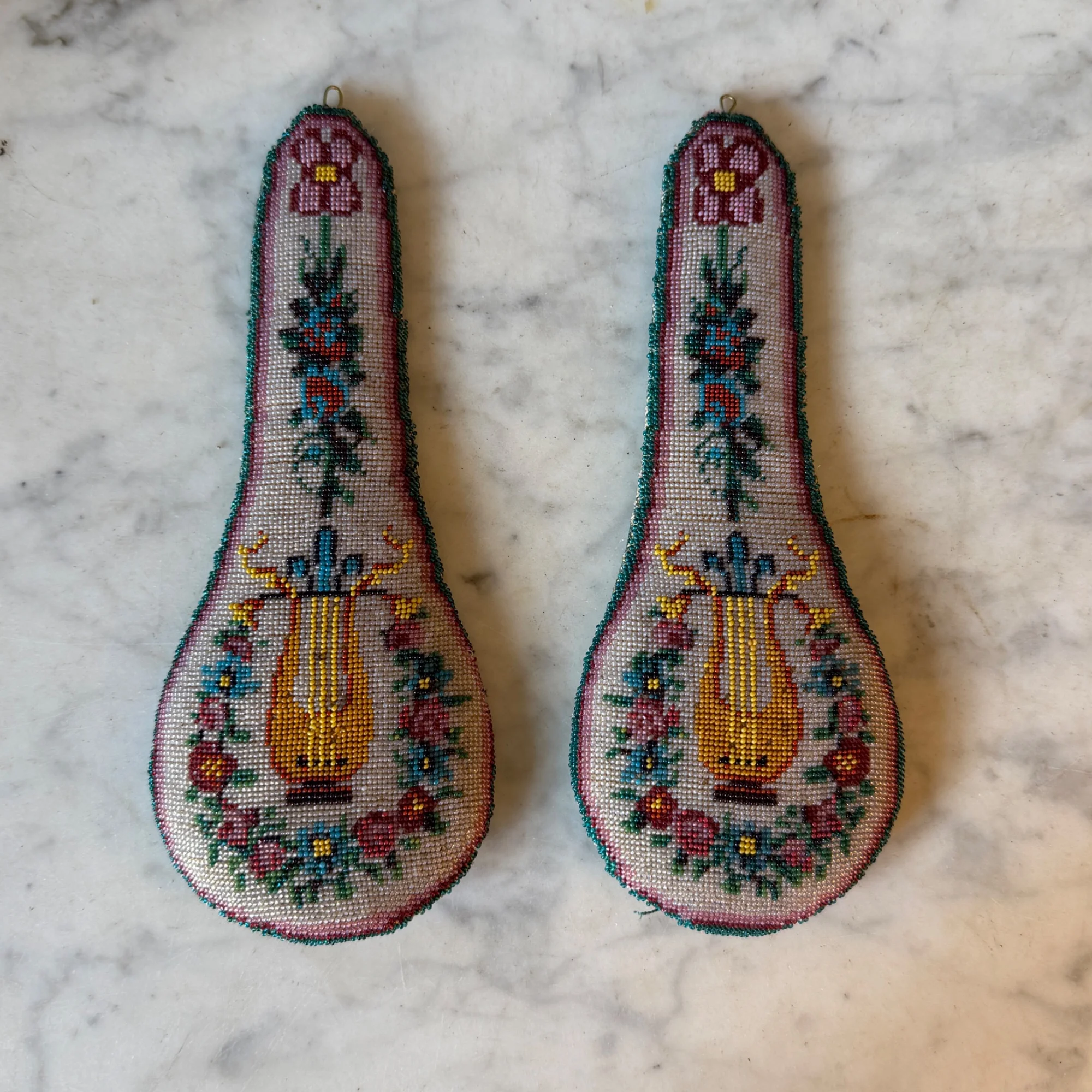
Ponvianne Antiquités — Marcy-l'Étoile
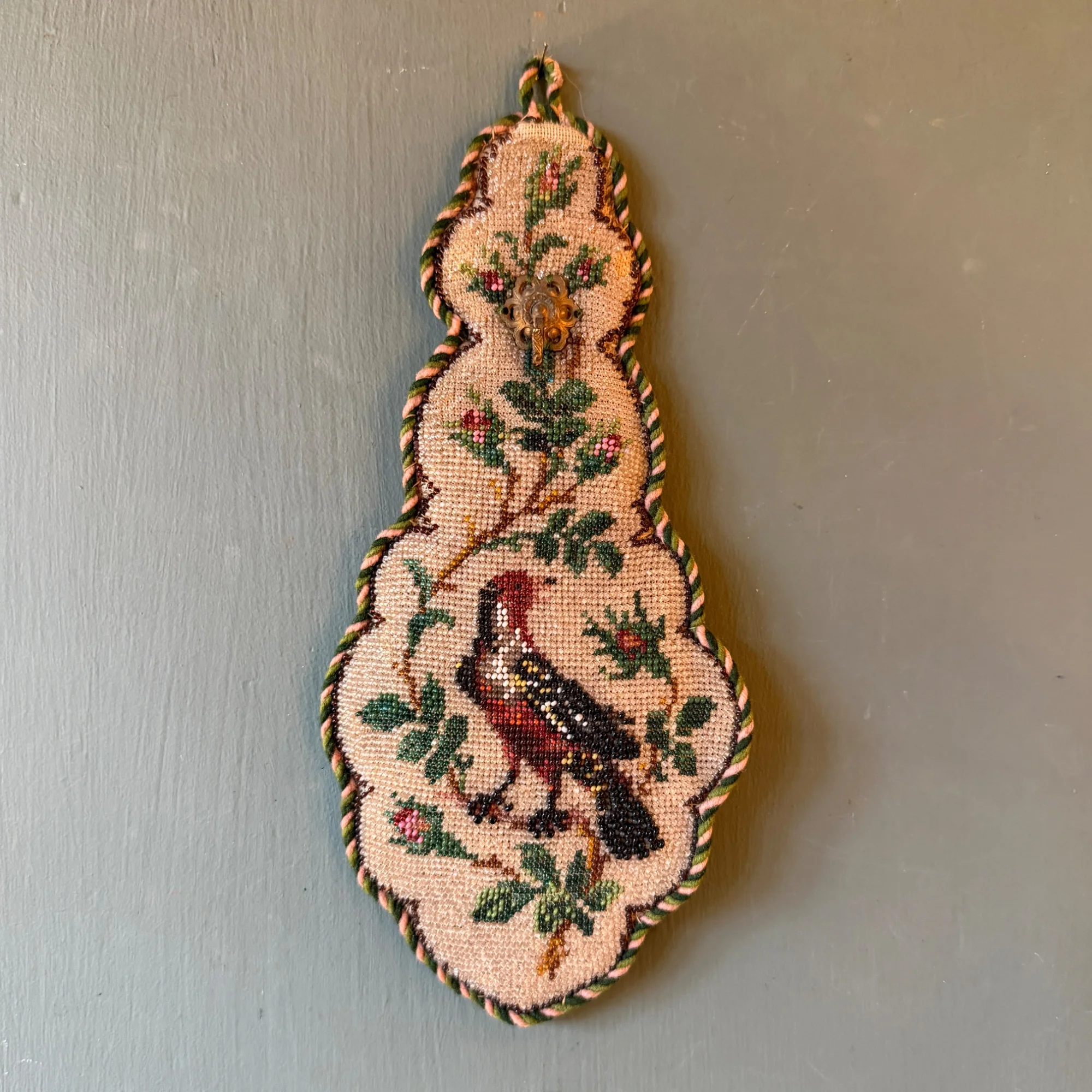
Ponvianne Antiquités — Marcy-l'Étoile
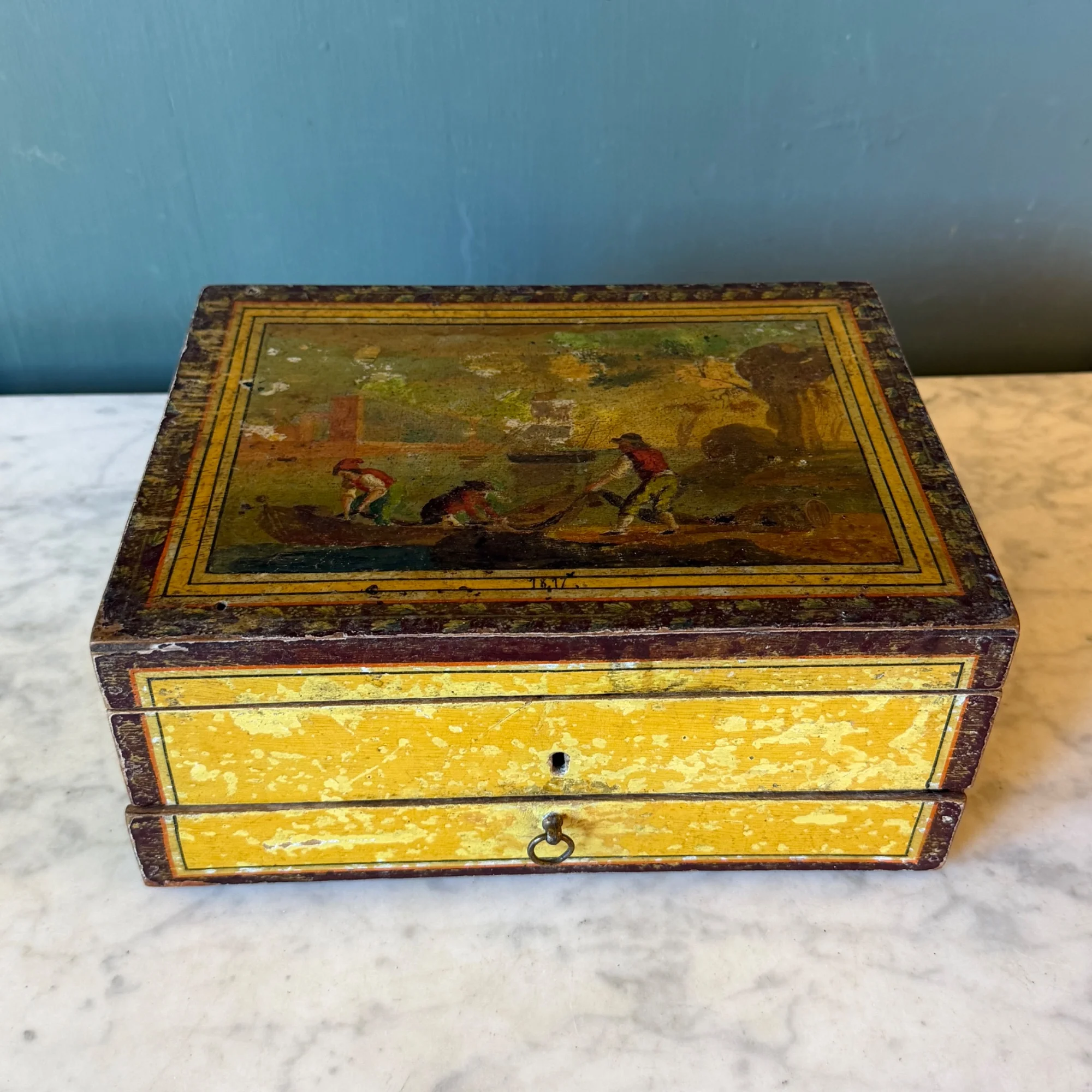
Ponvianne Antiquités — Marcy-l'Étoile
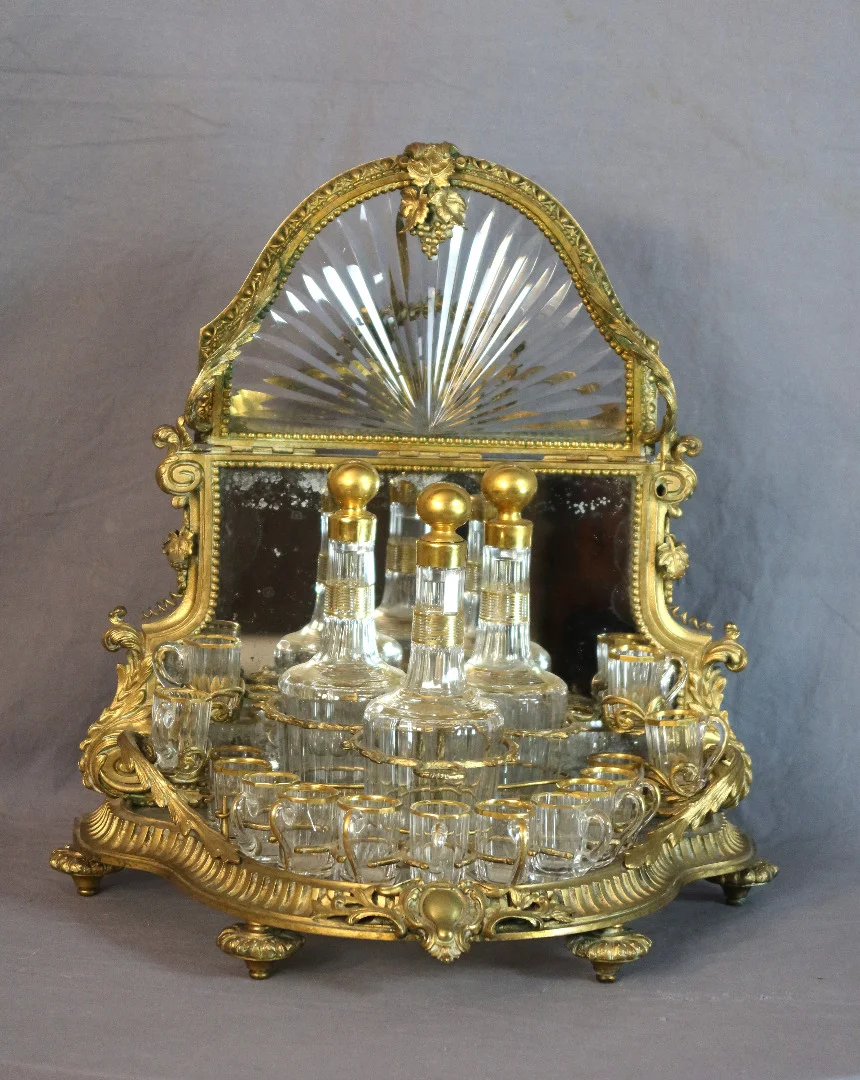
Philippe Cote Antiquites — Chauffailles
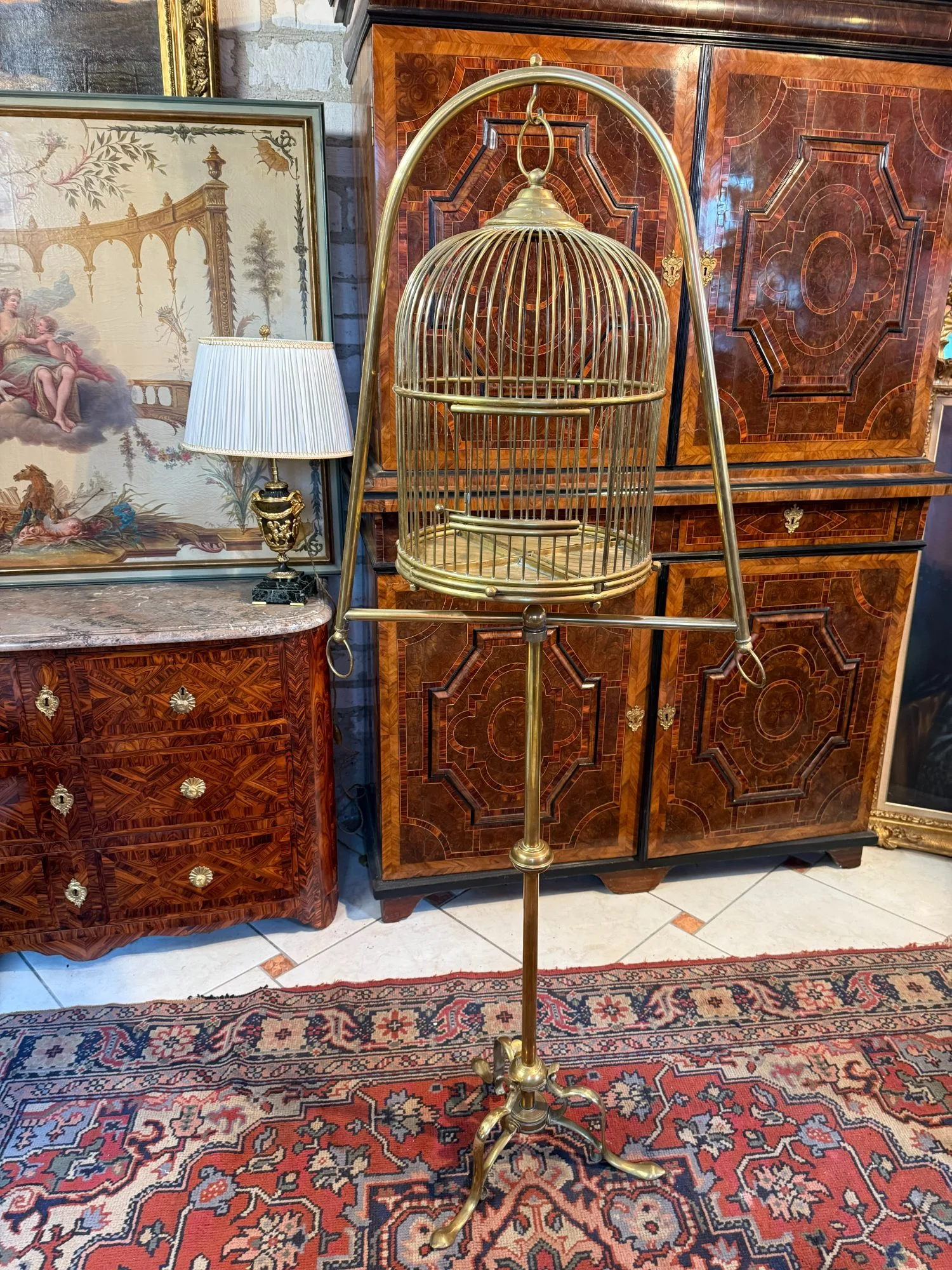
Romain Lichtensztein — Maignelay-Montigny
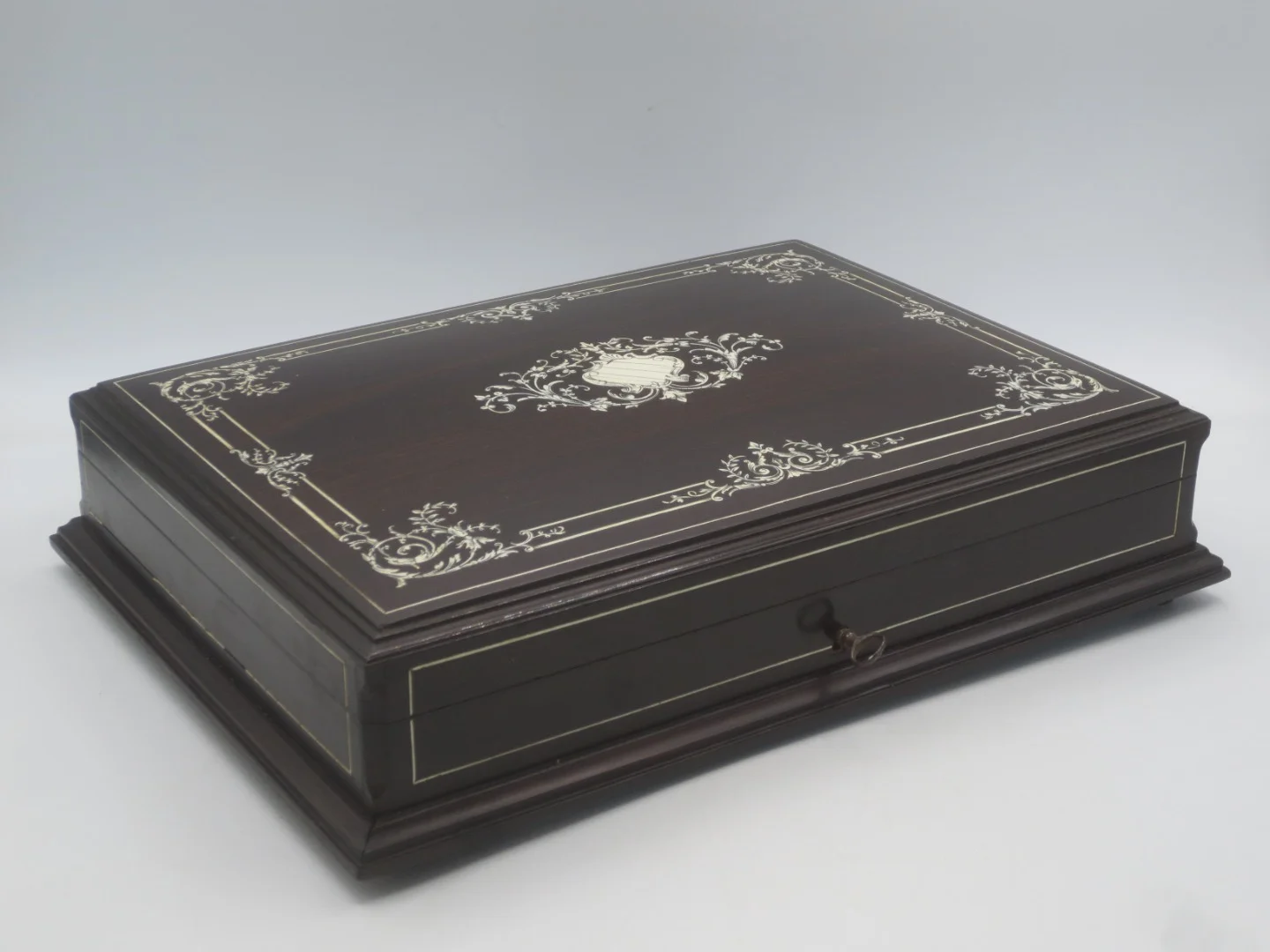
Anne Besnard — Saint-Ouen

Philippe Cote Antiquites — Chauffailles
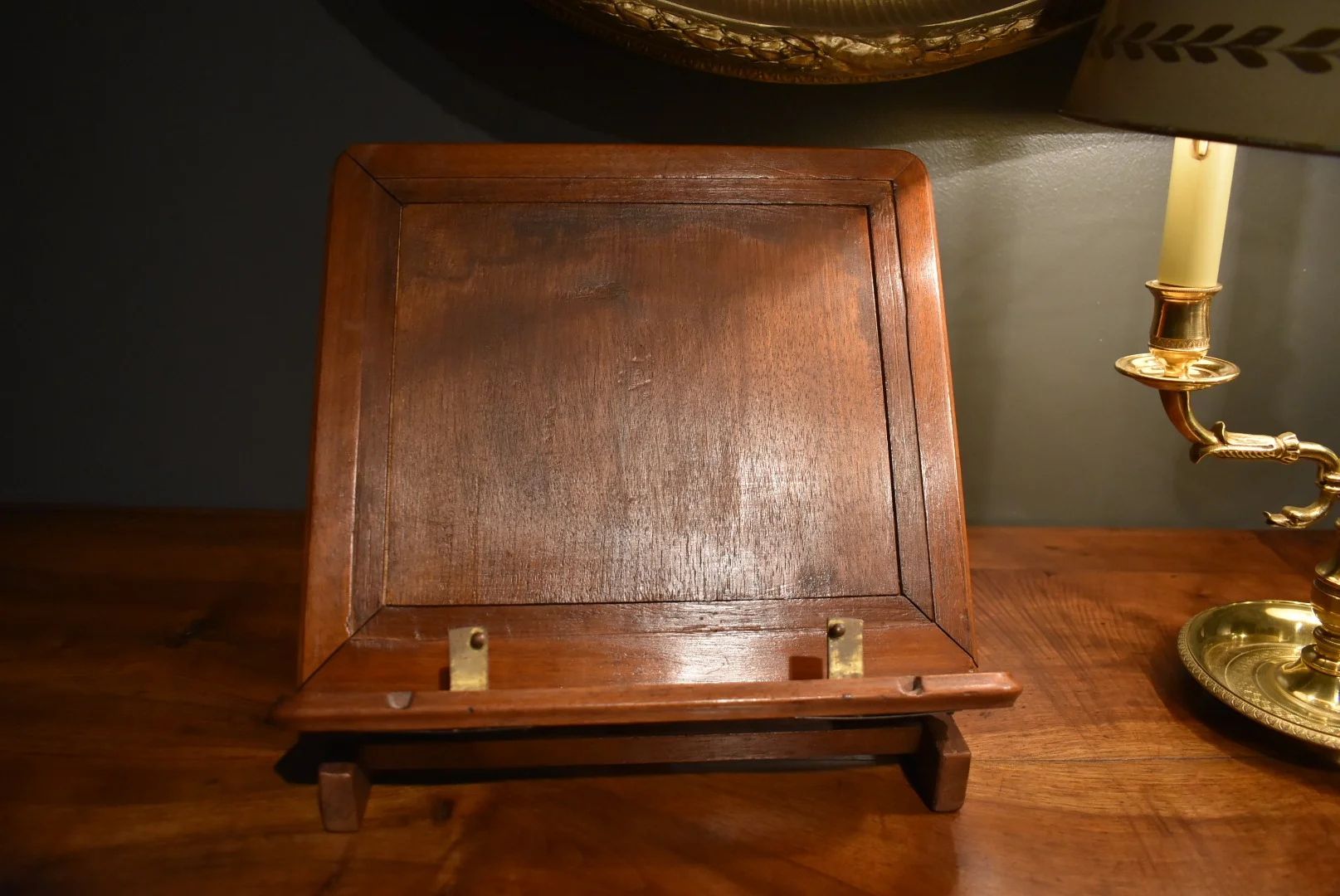
Antiquités Anne Marie Perrier — La Boisse
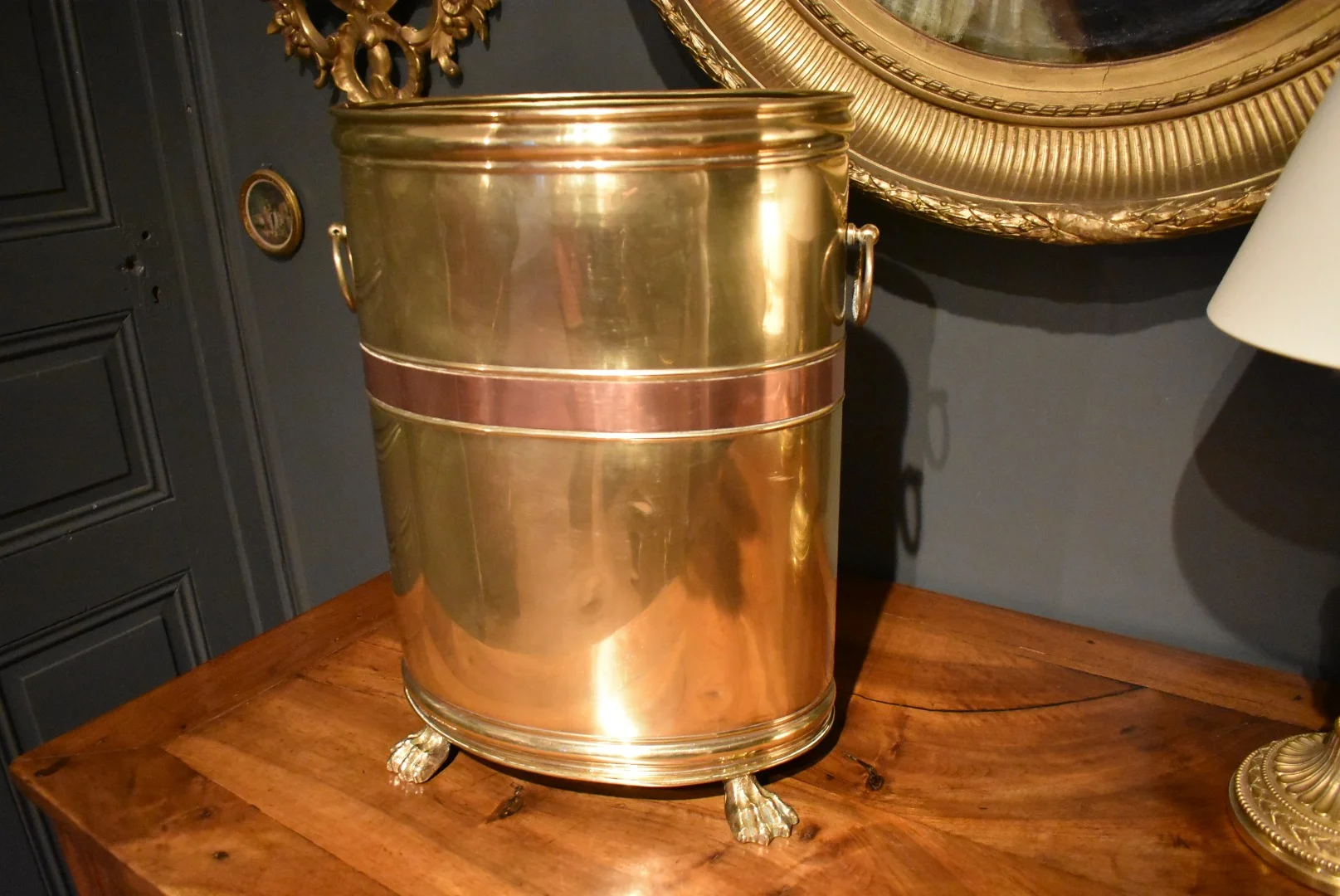
Antiquités Anne Marie Perrier — La Boisse
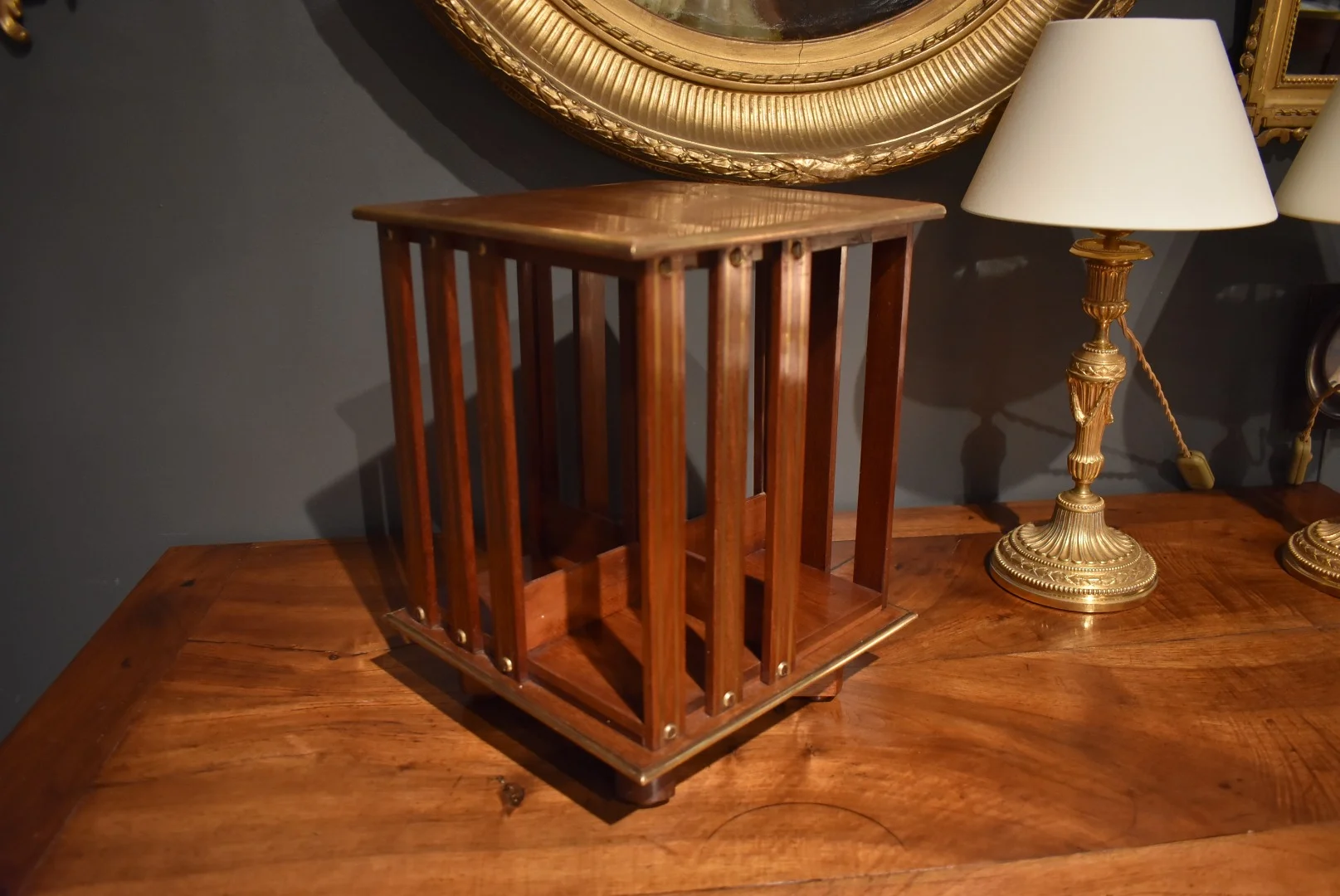
Antiquités Anne Marie Perrier — La Boisse
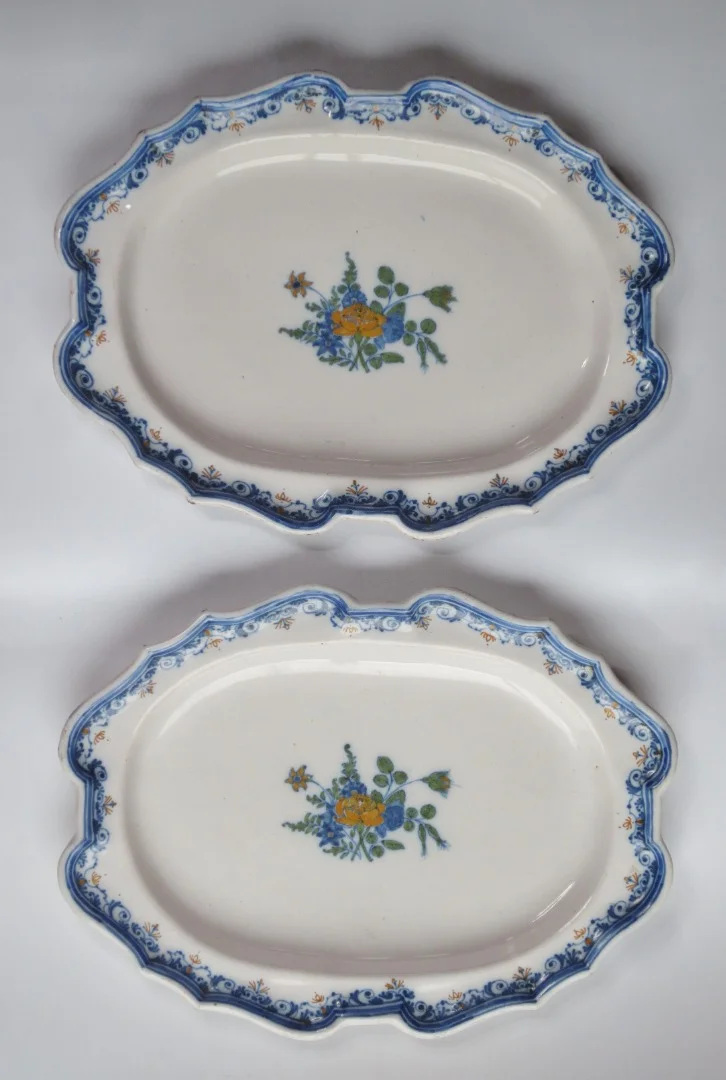
Anne Besnard — Saint-Ouen

Philippe Cote Antiquites — Chauffailles
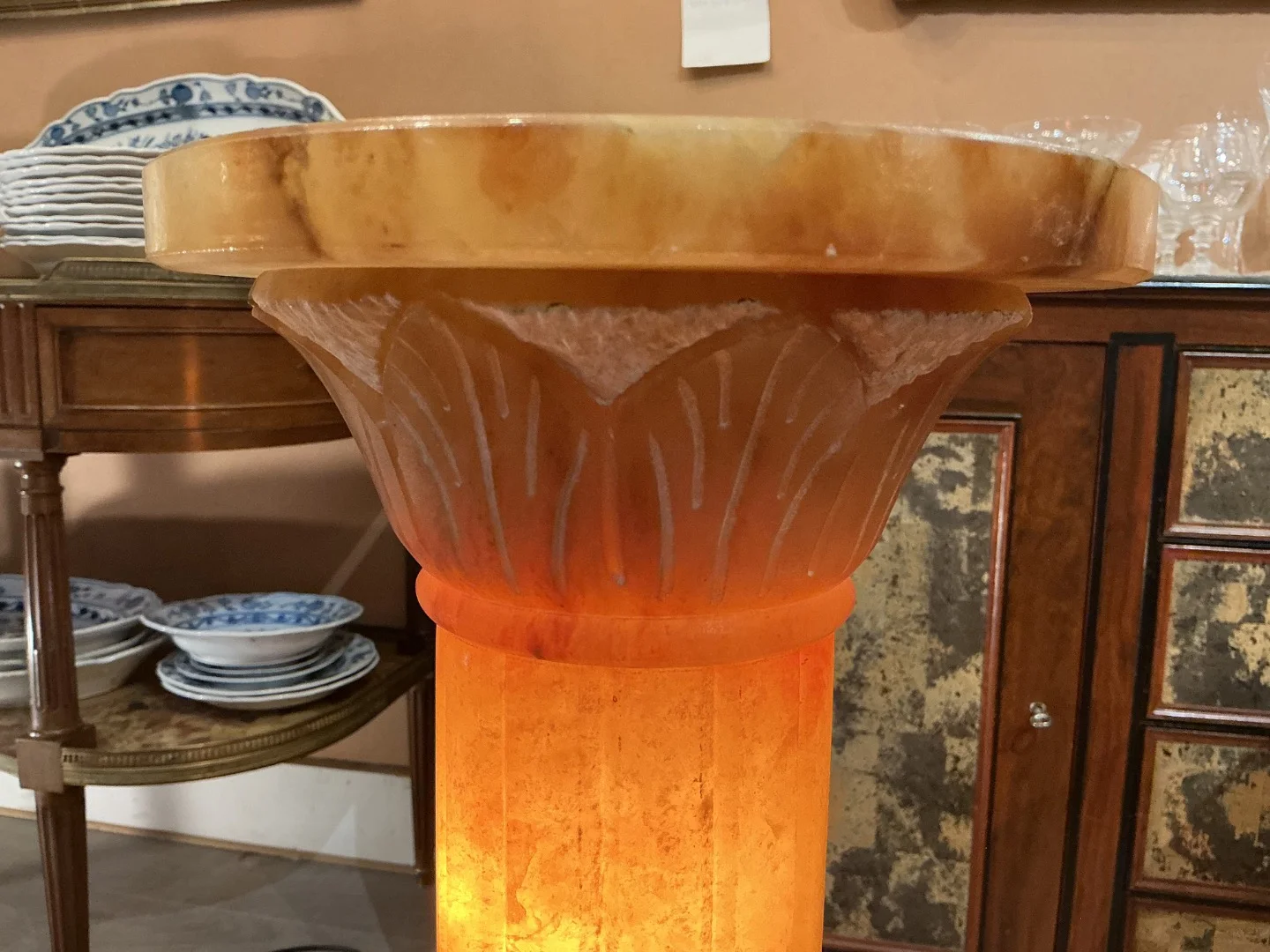
Eric Saget — Paris
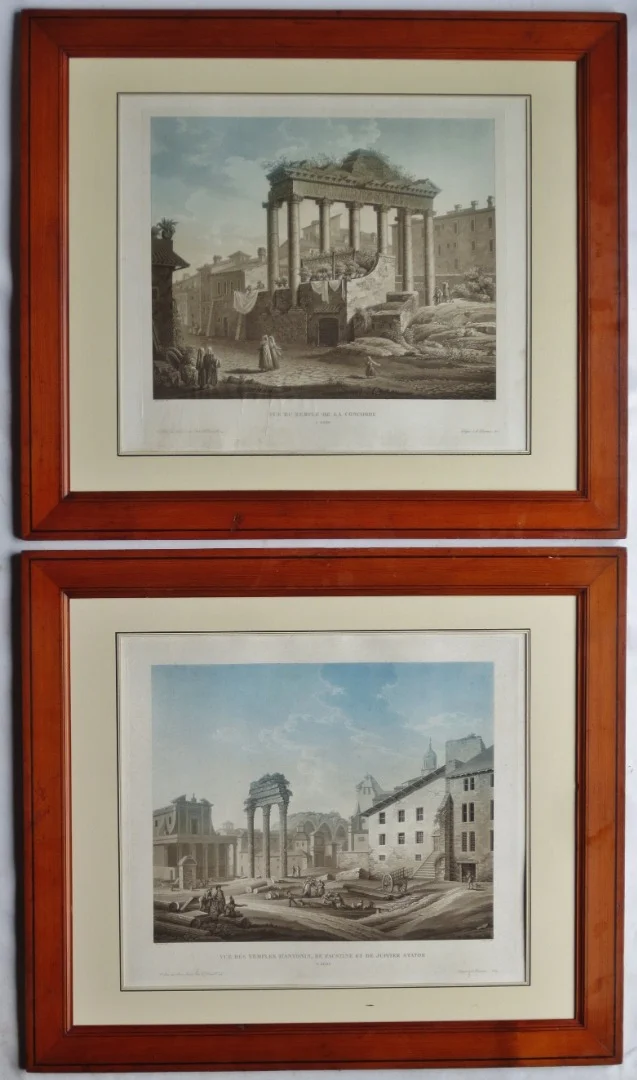
Anne Besnard — Saint-Ouen
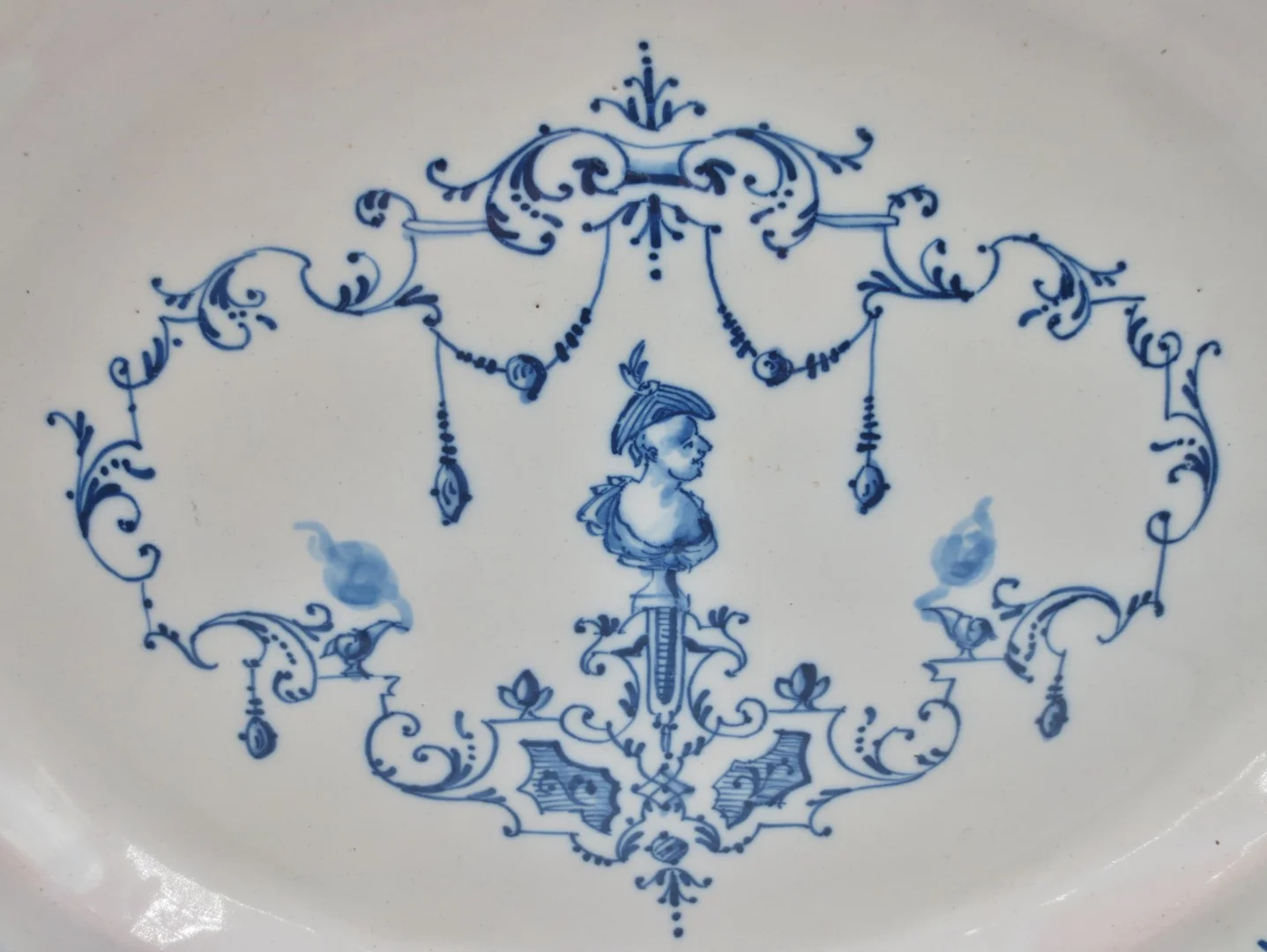
Anne Besnard — Saint-Ouen
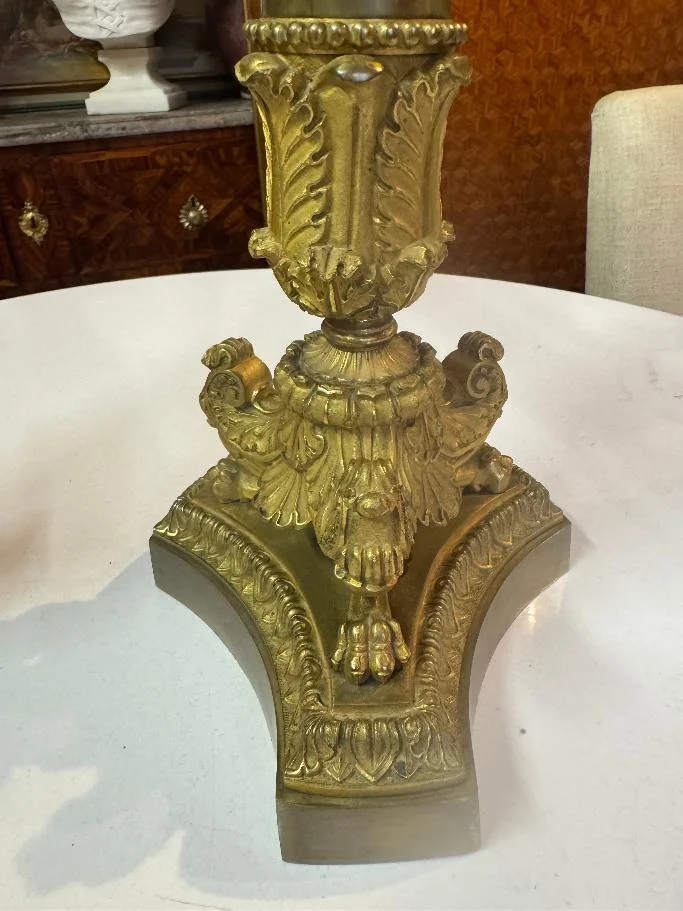
Romain Lichtensztein — Maignelay-Montigny
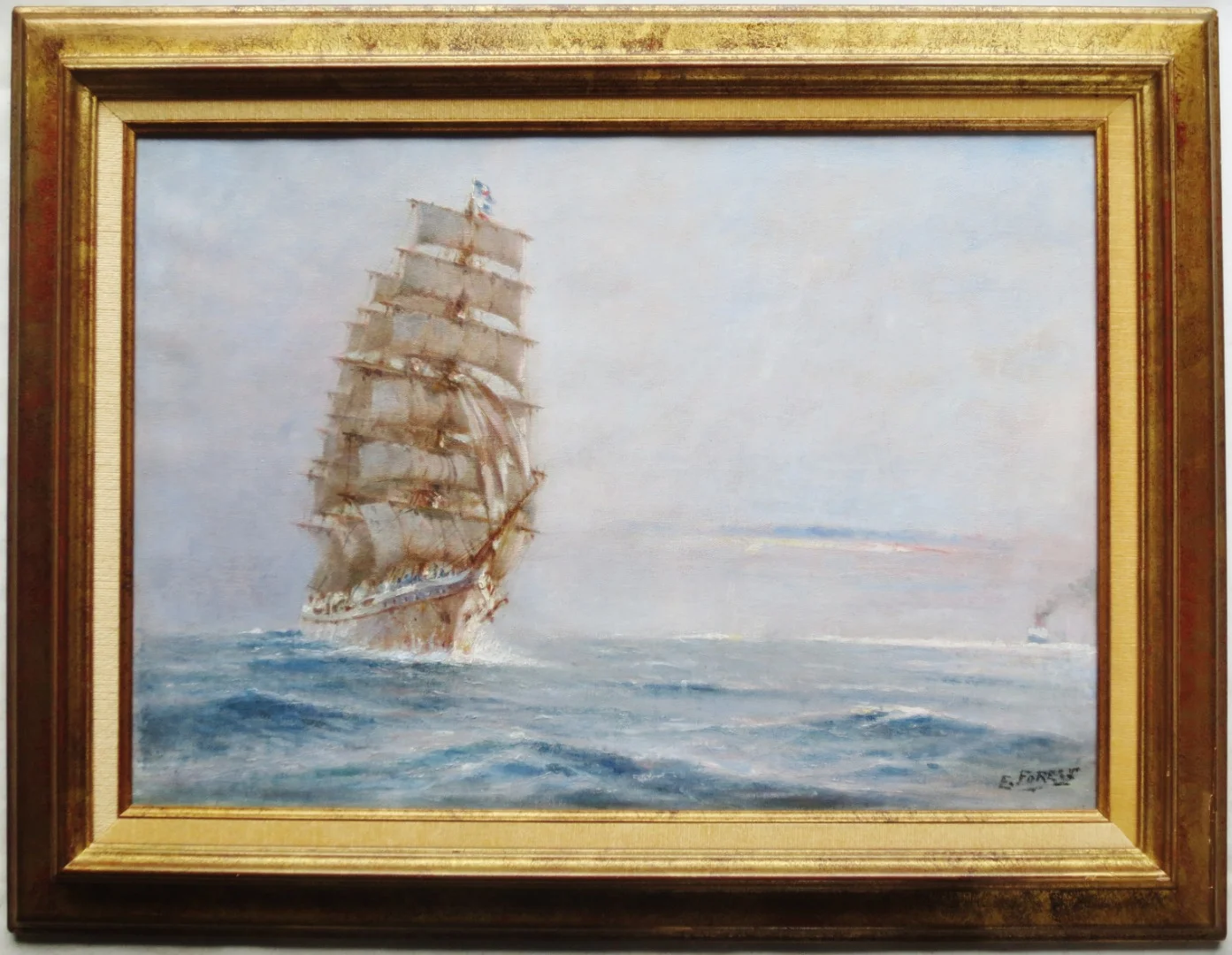
Anne Besnard — Saint-Ouen
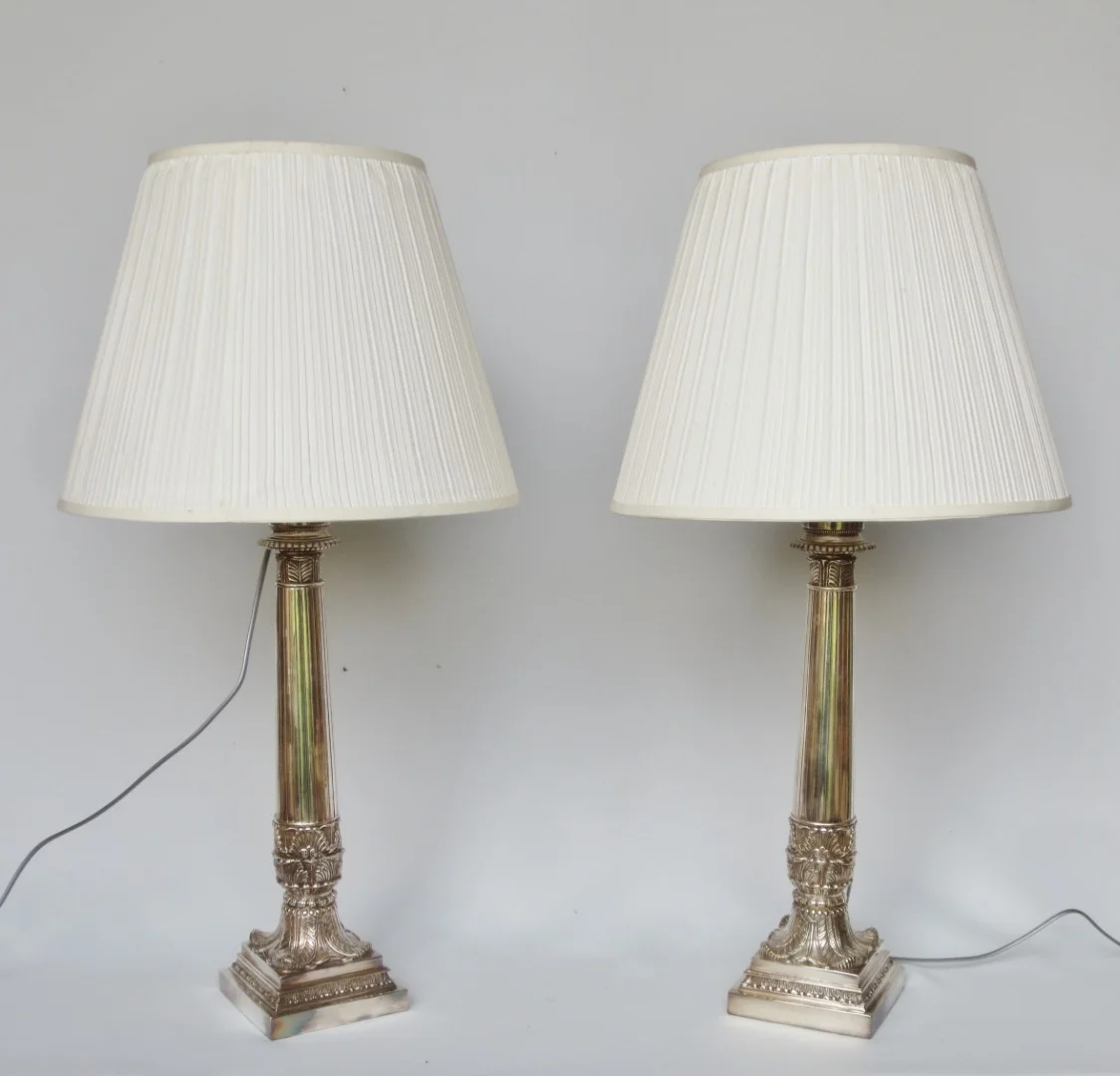
Anne Besnard — Saint-Ouen

Anne Besnard — Saint-Ouen
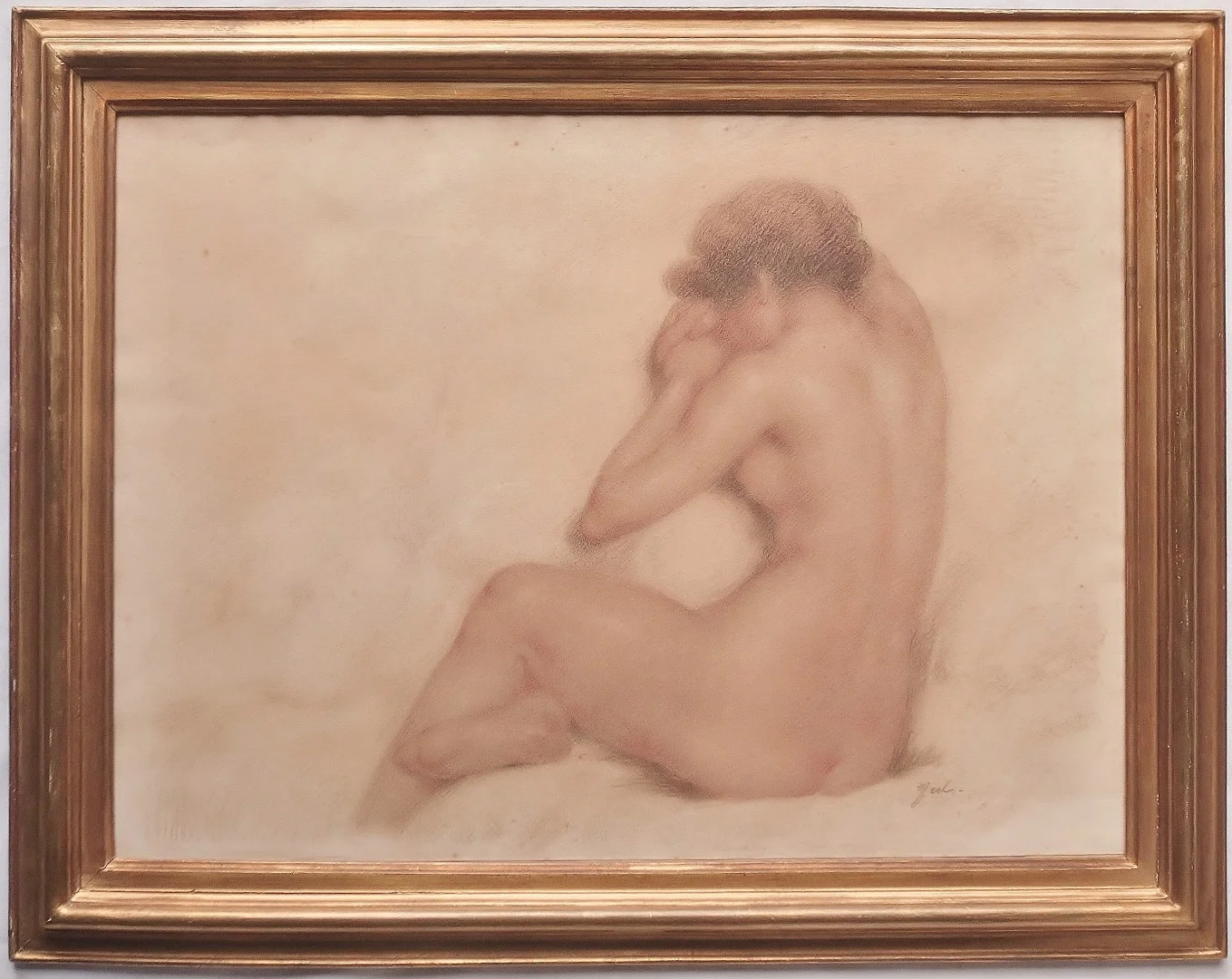
Anne Besnard — Saint-Ouen
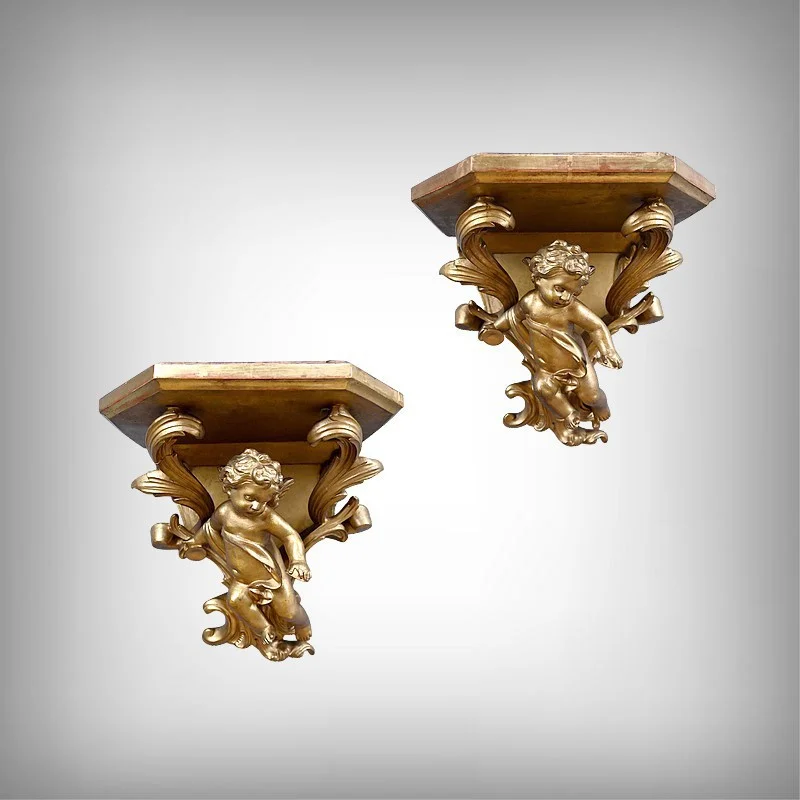
Antiquités Lecomte — Héric
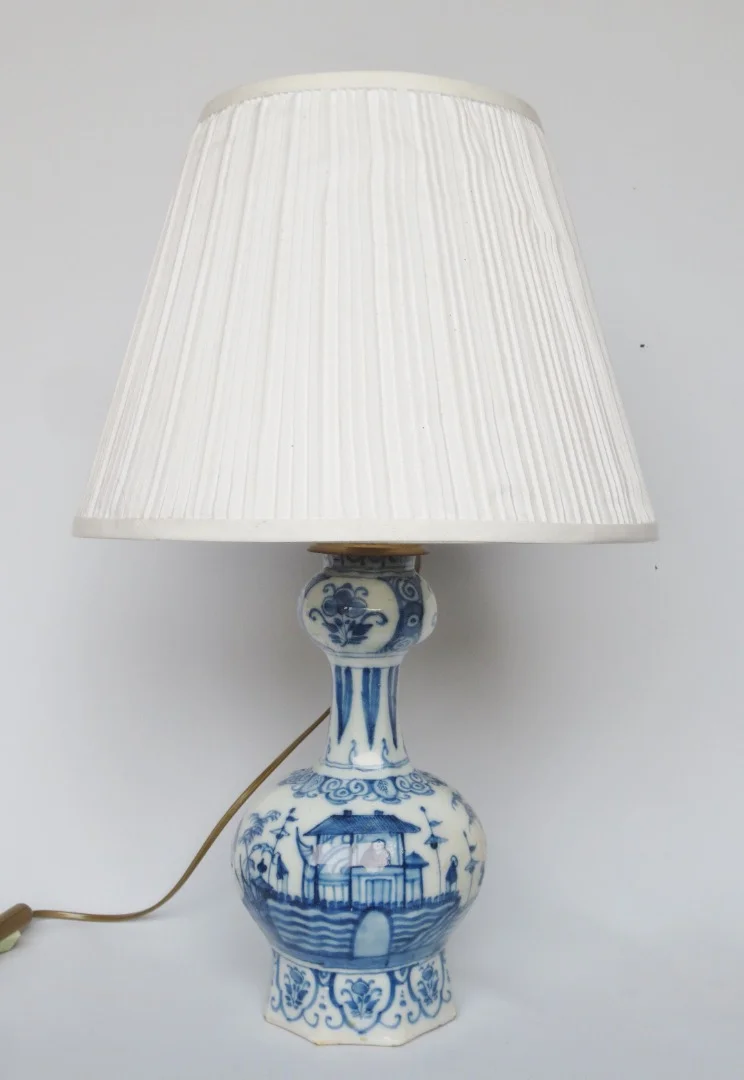
Anne Besnard — Saint-Ouen
Recognising a quality antique decorative object requires a few essential reference points. Start with the materials: a period antique porcelain or faience vase will display a paste, glaze and colour palette specific to its manufacture — Sèvres, Gien, Sarreguemines, or the great German and English factories. On a bronze, look for a natural patina, fine chasing and, ideally, a founder's signature or stamp on the reverse. A Louis XVI mantel clock in gilt bronze and white marble, for instance, is distinguished by the quality of its movement and the stylistic coherence of its case.
When it comes to dating, maker's marks, hallmarks and stamps are your most reliable allies. An object in solid silver must carry a guarantee hallmark that allows the piece to be dated and localised with precision. For ceramics, the style of the decoration, the enamelling technique and the form of the foot ring will often point clearly to a specific period and workshop.
In terms of budget, antique decorative objects span an exceptionally wide range: from a few tens of pounds for a small display piece to several thousand for a signed work or a piece from a prestigious collection. Always prioritise an overall condition consistent with the object's age — minor restorations are acceptable, but be wary of heavy repainting or concealed repairs. A documented provenance — an old receipt, an auction house label, an estate inventory — significantly strengthens both value and traceability.
On Antiquités en France, every dealer can provide detailed photographs, exact dimensions and a full history of the piece before any purchase. Broaden your search to antique watercolours and gouaches to complete a coherent interior scheme, or explore our antique mantel and bracket clocks for a centrepiece worthy of any chimneypiece. Contact the dealer of your choice directly — their expertise is your best guarantee.