
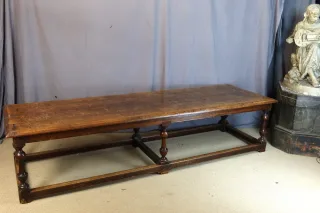
Early 19th century table
Philippe Cote Antiquites — Chauffailles
4 800,00 €
Good condition
55 objects found
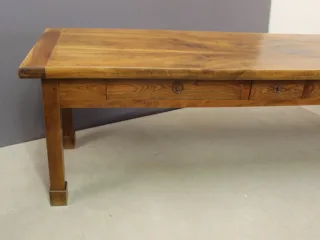
The antique farmhouse table is one of the most enduring icons of rural French furniture — prized for its honest proportions, generous scale and the warmth of centuries-old timber. Crafted in solid oak, walnut or chestnut depending on the region, these country tables are recognised by their thick, square-edged tops, turned or straight legs joined by stretchers, and the deep honey patina that only genuine age can produce. They sit naturally alongside antique kitchen antiques and other pieces of French country furniture.
55 objects found
Philippe Cote Antiquites — Chauffailles
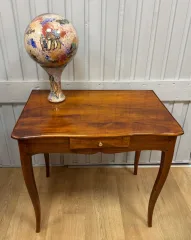
2R Antiquites — Caluire-et-Cuire

Philippe Cote Antiquites — Chauffailles
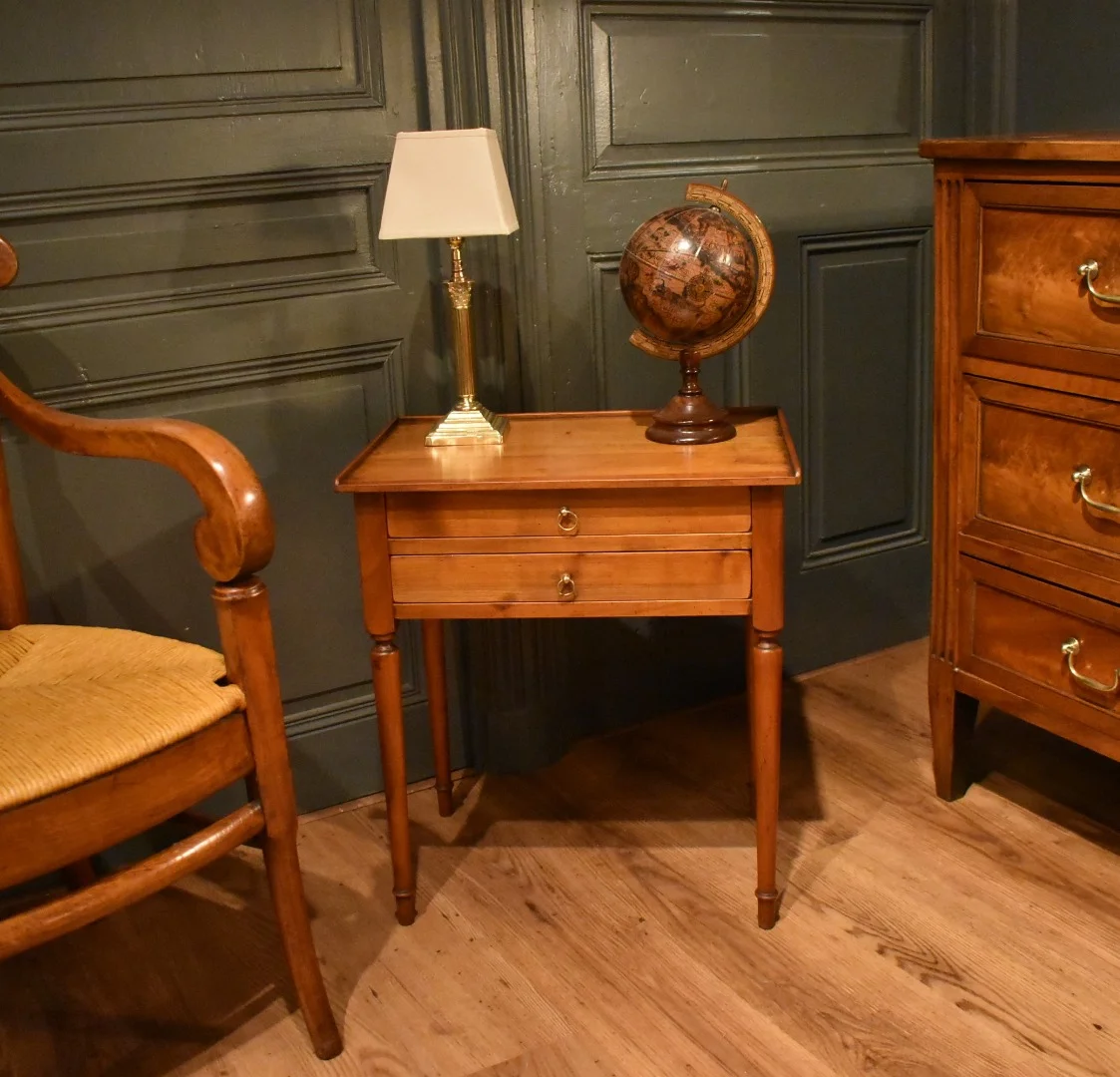
Antiquités Anne Marie Perrier — La Boisse
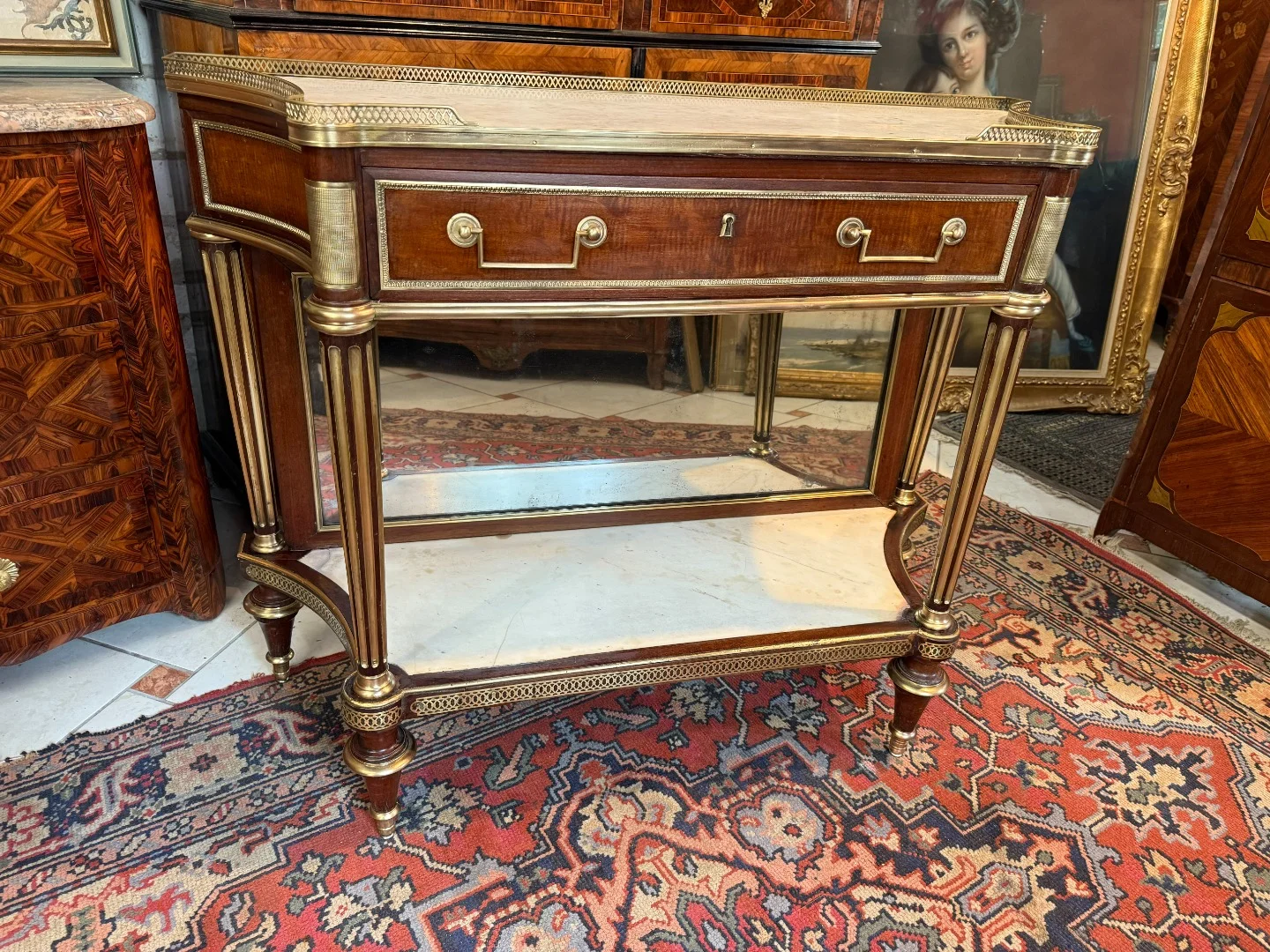
Romain Lichtensztein — Maignelay-Montigny
Romain Lichtensztein — Maignelay-Montigny
Antiquités Anne Marie Perrier — La Boisse
Antiquités Christophe Rochet — Villeurbanne

Au Réveil Du Temps — Saint-Nabord
Antiquités Anne Marie Perrier — La Boisse
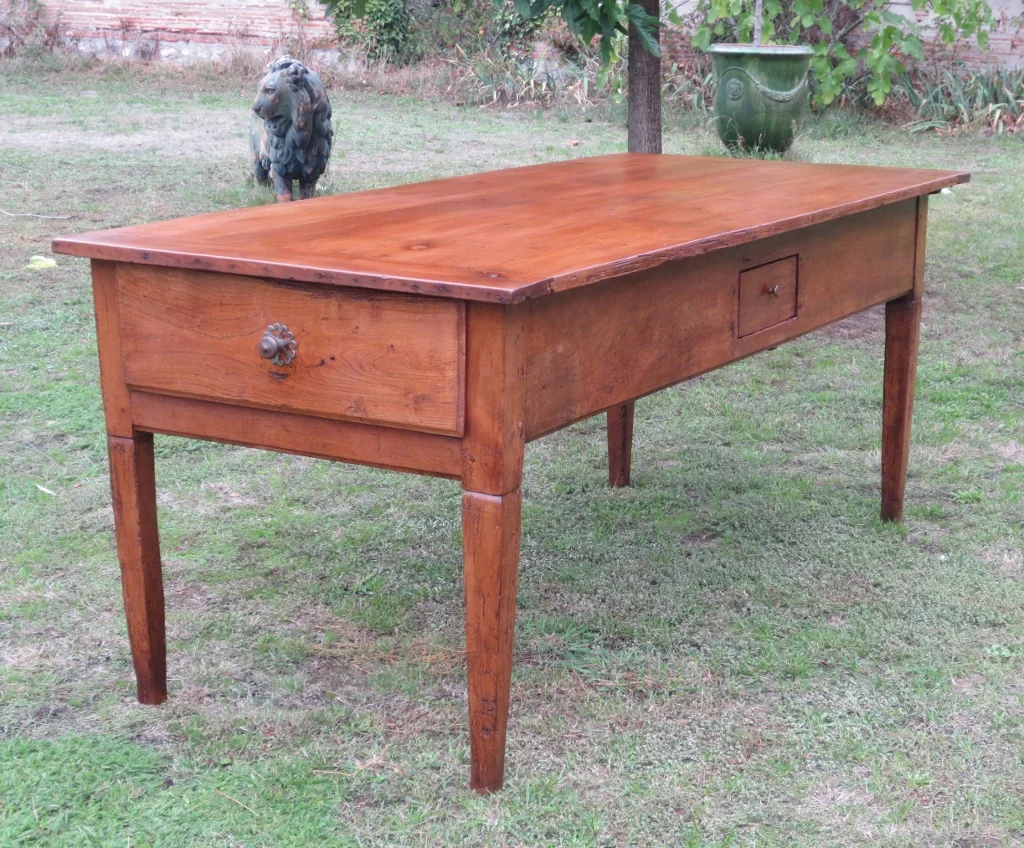
Anne Besnard — Saint-Ouen
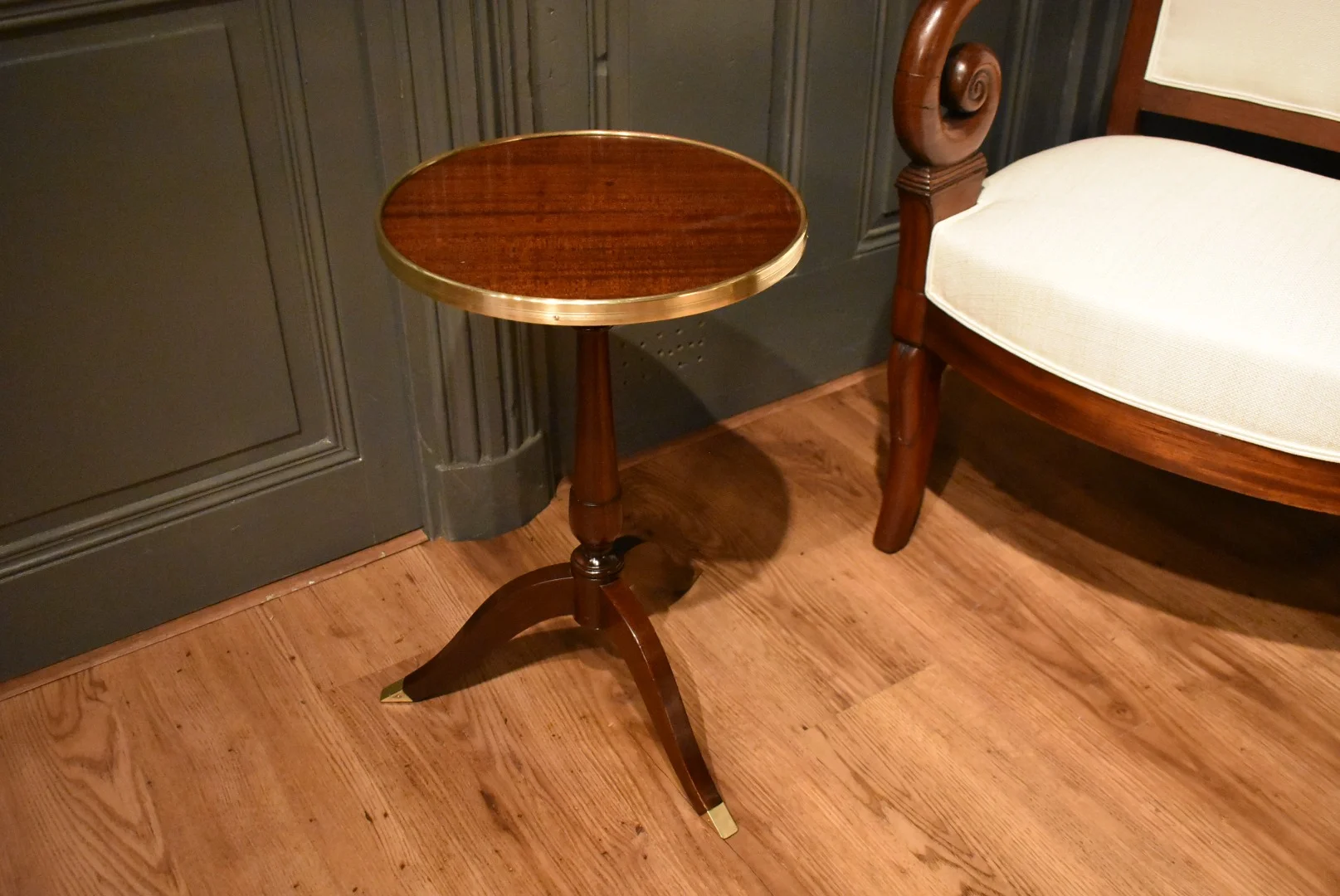
Antiquités Anne Marie Perrier — La Boisse
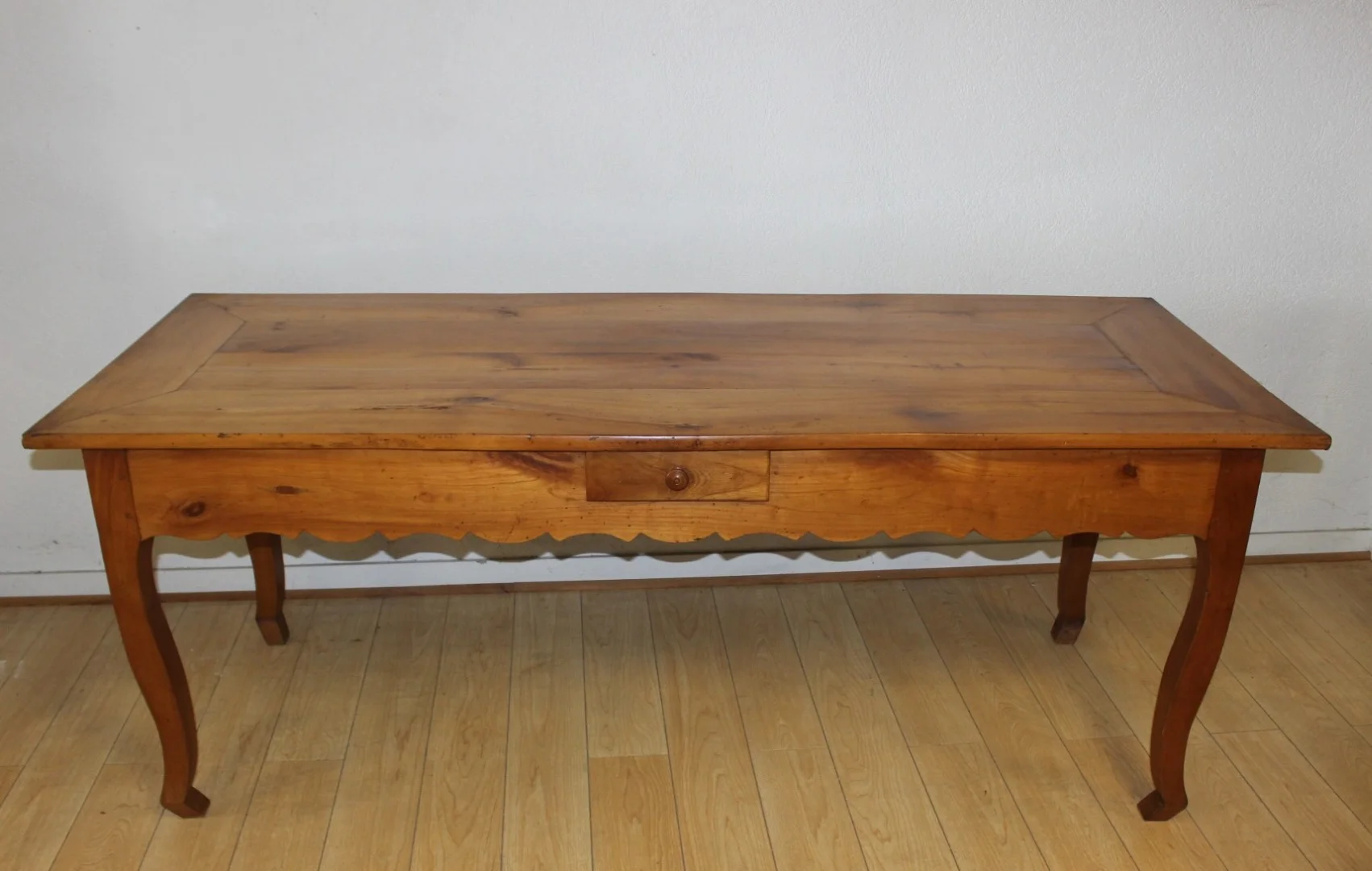
Antiquités Christophe Rochet — Villeurbanne
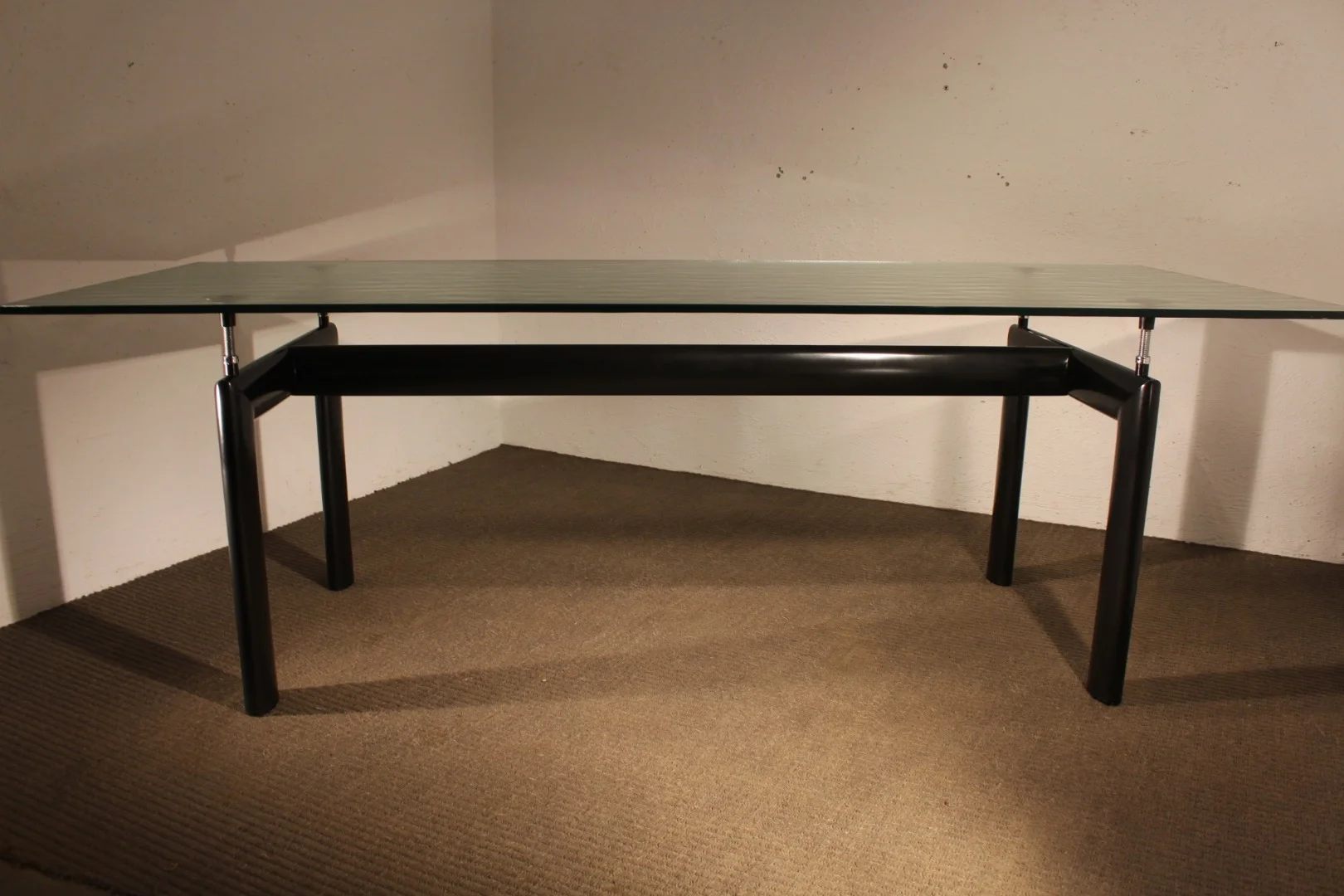
Au Réveil Du Temps — Saint-Nabord
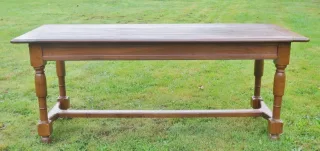
Anne Besnard — Saint-Ouen
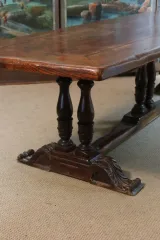
Philippe Cote Antiquites — Chauffailles
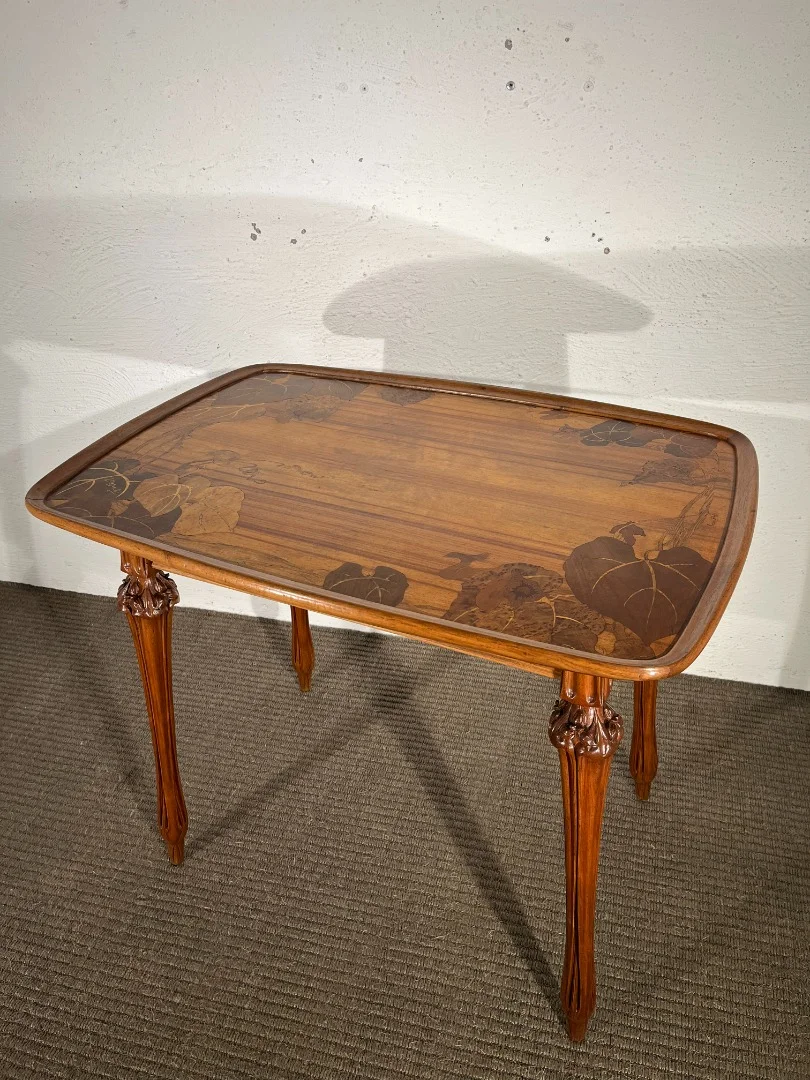
Au Réveil Du Temps — Saint-Nabord
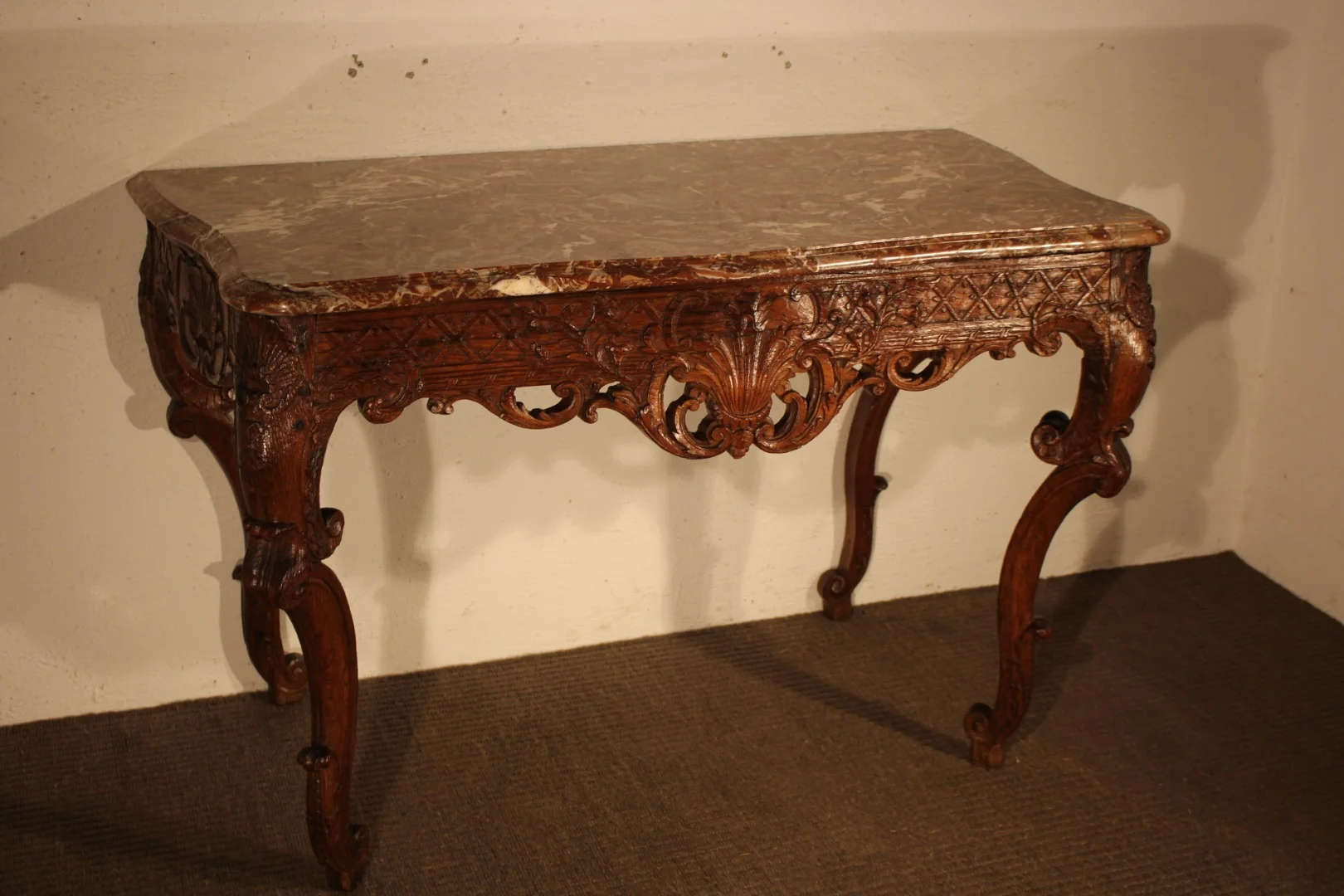
Au Réveil Du Temps — Saint-Nabord

helen antiquités — Guécélard
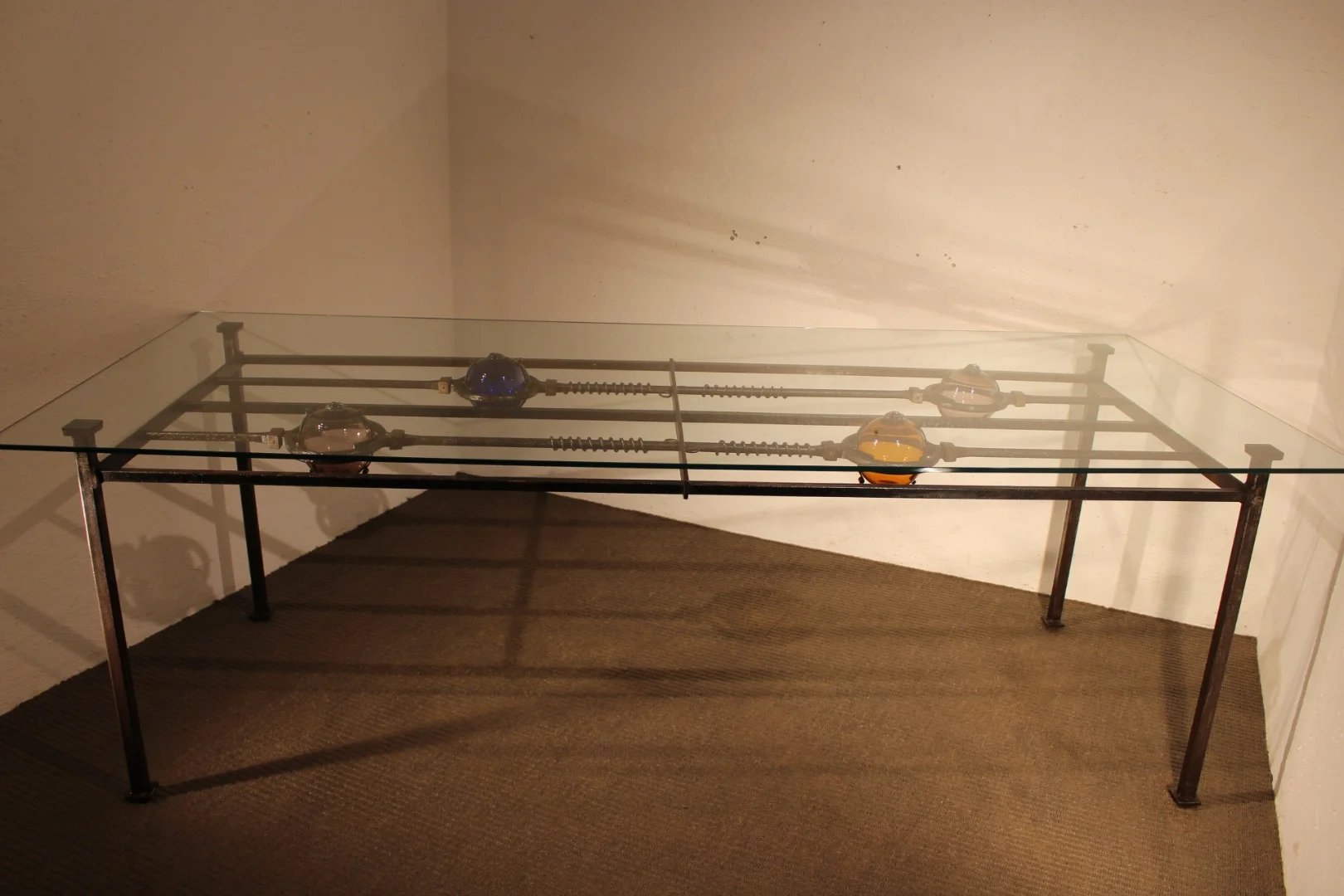
Au Réveil Du Temps — Saint-Nabord
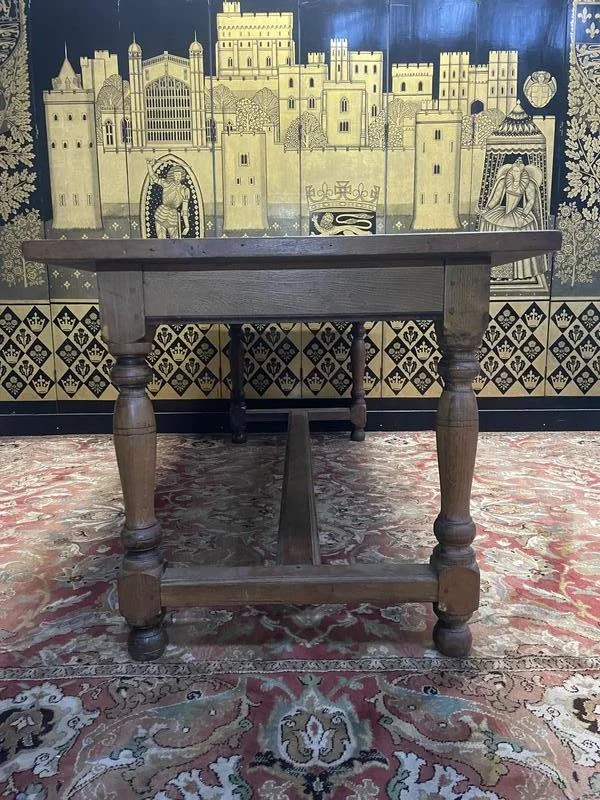
L’ESTAMPILLE — Navilly
L’ESTAMPILLE — Navilly
L’ESTAMPILLE — Navilly
L’ESTAMPILLE — Navilly
Authenticating an antique farmhouse table begins with the wood itself. Period oak or walnut displays irregular grain, natural knots and a patina that runs deep into the fibres — impossible to replicate convincingly through artificial ageing. Turn the table over and inspect the underside of the top: hand-cut mortise-and-tenon joints, plane marks from a hand plane and drawbored pegs are the hallmarks of traditional joinery, assembled without screws or industrial adhesive. Consistent shrinkage cracks along the grain are a further sign of genuine age.
Dimensions vary enormously across the French regions. Solid oak farmhouse tables range from compact two-drawer kitchen tables (around 120–150 cm long) to grand Provençal or Burgundian refectory tables exceeding three metres. Always check that the top is flat, that there are no structural splits and that the joints remain tight. Honest restorations — a replaced foot, a repaired drawer — are entirely normal in pieces of this age and do not diminish value provided they are well executed and declared by the seller.
Budget expectations depend on timber, size and regional origin. A modest table in good condition typically falls between £350 and £700, while a large antique farmhouse table in solid walnut with an original flour drawer or leaves can reach £1,500 to £4,000 or more. Provençal, Norman and Périgord examples often command a premium thanks to their strongly regional character. For a broader search, explore our full selection of antique tables covering other typologies and periods.
Every antique rustic farmhouse table listed on Antiquités en France is offered by a verified professional dealer who can supply detailed photographs, exact dimensions and a full restoration history. Contact the dealer directly before purchasing — most are happy to provide additional images or a written statement of authenticity, giving you complete confidence in your acquisition.