
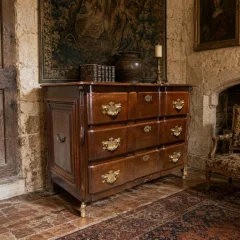
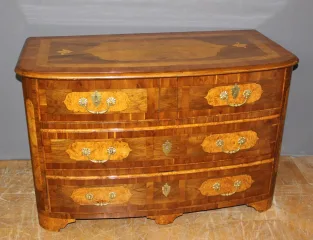
Mazarine arbalète-form commode, 17th century, fruitwood, South-West France
L'atelier De La Dorure — Calmont
4 800,00 €
Very good condition
198 objects found
Flourishing under the Sun King between 1661 and 1715, the Louis XIV style is the supreme expression of French royal grandeur. Driven by Charles Le Brun and the royal Gobelins workshops, cabinetmaking reached extraordinary heights: ebony veneers, Boulle marquetry in tortoiseshell and brass, and hand-chiselled gilt bronze mounts of remarkable precision. Forms are monumental and symmetrical, richly adorned with shells, mascarons and acanthus leaves that proclaim power and magnificence.
Cabinets-on-stands, double-bodied armoires, marble-topped tables and pieces related to the Haute Époque tradition form the heart of this corpus, today eagerly sought by collectors and interior designers alike.
198 objects found
L'atelier De La Dorure — Calmont
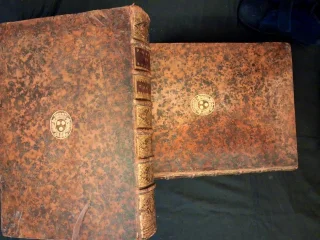
Antiques Provence — Cheval-Blanc
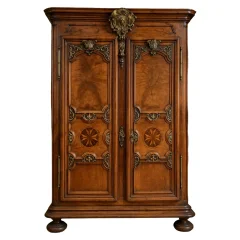
le village des brocanteurs 58 — Dun-les-Places
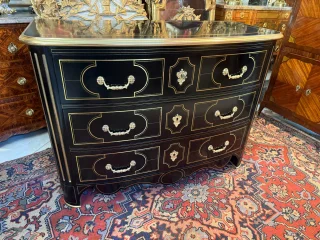
Romain Lichtensztein — Maignelay-Montigny
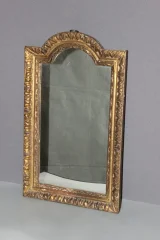
Antiquités Christophe Rochet — Villeurbanne
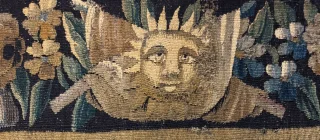
Antiques Provence — Cheval-Blanc
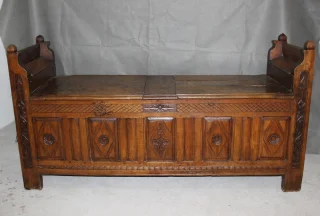
Antiquités Christophe Rochet — Villeurbanne

Romain Lichtensztein — Maignelay-Montigny
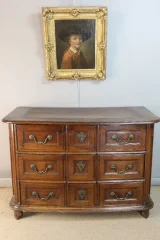
Philippe Cote Antiquites — Chauffailles
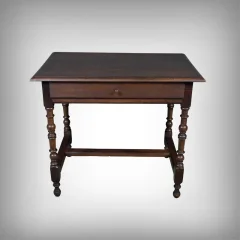
Antiquités Lecomte — Héric
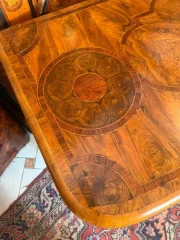
Romain Lichtensztein — Maignelay-Montigny
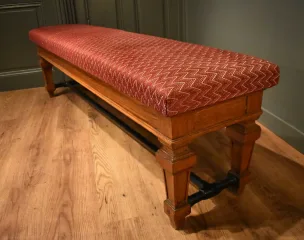
Antiquités Anne Marie Perrier — La Boisse
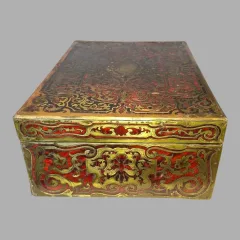
L'atelier De La Dorure — Calmont
Antiquités Christophe Rochet — Villeurbanne

L'atelier De La Dorure — Calmont
Antiquités Christophe Rochet — Villeurbanne
Antiquités Christophe Rochet — Villeurbanne
Eric Saget — Paris
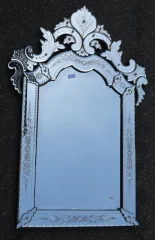
A.ABC PASCAL — Saint-Ouen
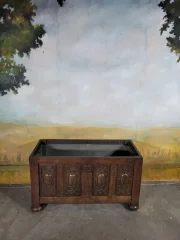
Antiquites d'Augers en Brie — Augers-en-Brie
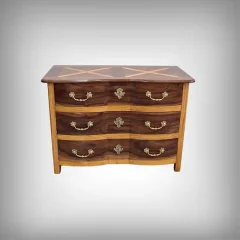
Antiquités Lecomte — Héric
A.ABC PASCAL — Saint-Ouen
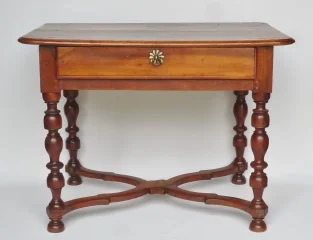
Anne Besnard — Saint-Ouen
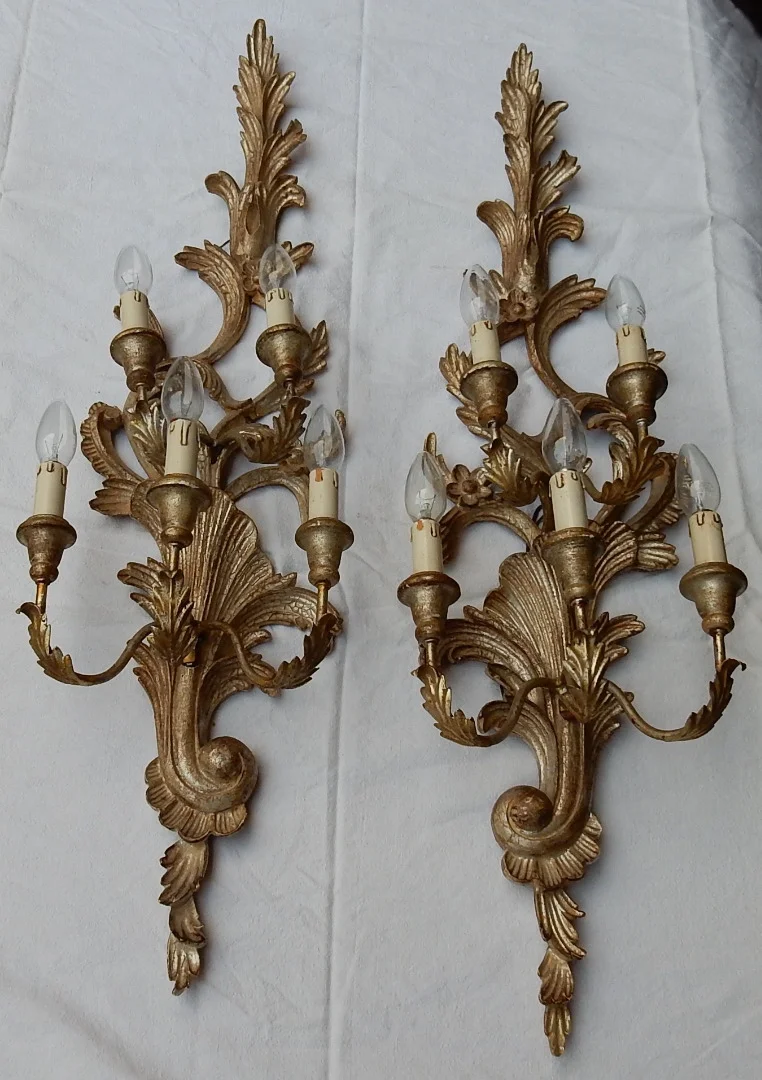
A.ABC PASCAL — Saint-Ouen
Identifying a genuine period Louis XIV piece requires a few essential benchmarks. The marquetry technique associated with André-Charles Boulle — cabinetmaker to the king from 1672 — layers cut sheets of brass against tinted tortoiseshell to produce intricate foliate scrolls and arabesques of extraordinary refinement. Examine the gilt bronze mounts closely: sabots, corner drops and handles from the period carry a mercury-fire gilding of incomparable depth, quite distinct from later restrikes or electroplated reproductions.
Structurally, the primary carcass wood is typically oak or walnut, overlaid with precious veneers. A genuine period piece will often show hand-tool marks on the back of drawers, slightly irregular dovetail joints and a natural patina on interior timbers. Be cautious of overly recent restorations that homogenise the surface and obscure the true age of the piece. A documented provenance — an old inventory, a collection label, a notarised expert report — adds considerably to both value and buying confidence.
In terms of budget, small decorative objects in the Louis XIV taste can be found from a few hundred pounds, while a Boulle marquetry cabinet-on-stand of the period can reach tens of thousands depending on the quality of the bronzes and state of preservation. Double-bodied ebony armoires and marble-topped hunt tables rank among the most prized pieces. If you wish to explore adjacent styles, the Empire style shares Louis XIV's taste for monumentality and lavish gilt bronze ornament and makes a natural companion in any collection.
On Antiquités en France, every piece is offered by a verified professional dealer who can provide detailed photographs, precise dimensions, provenance history and care advice. Contact the seller directly to request a condition report or certificate of authenticity before committing to a purchase.