
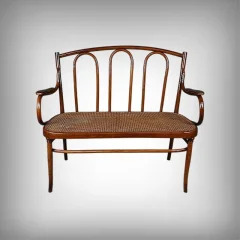
Bent beechwood bench, stamped J&J Kohn – Early 20th century
Antiquités Lecomte — Héric
1 800,00 €
Restored
68 objects found
Emerging in 18th-century England, the chesterfield armchair remains one of the most iconic forms in British furniture: back and arms at equal height, deep button-tufted leather upholstery, and brass stud trim along the rails. Victorian and Edwardian examples — typically in rich tan, burgundy or forest-green leather worn to a beautiful patina — are the most sought-after among collectors. Every piece listed here is offered by a verified specialist in antique seating, ensuring authenticity and professional expertise.
68 objects found
Antiquités Lecomte — Héric
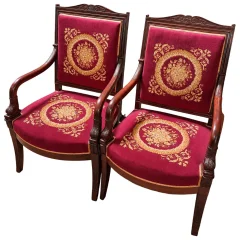
le village des brocanteurs 58 — Dun-les-Places
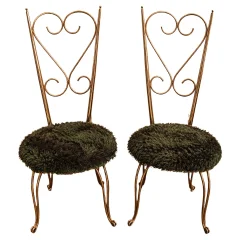
le village des brocanteurs 58 — Dun-les-Places
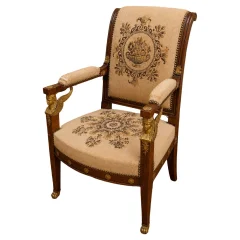
le village des brocanteurs 58 — Dun-les-Places
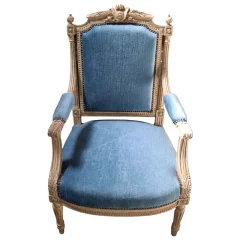
le village des brocanteurs 58 — Dun-les-Places
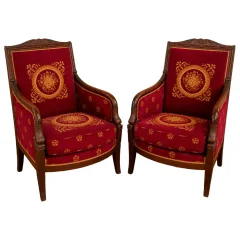
le village des brocanteurs 58 — Dun-les-Places
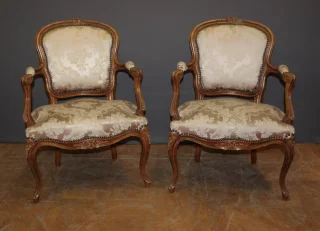
Antiquités Christophe Rochet — Villeurbanne
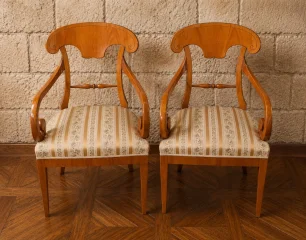
le village des brocanteurs 58 — Dun-les-Places
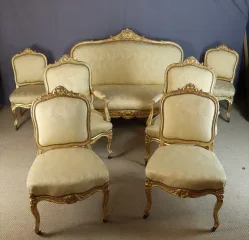
Philippe Cote Antiquites — Chauffailles

French-antiques.fr — Rouen
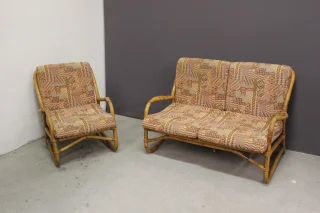
Antiquités Christophe Rochet — Villeurbanne
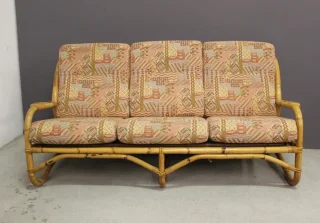
Antiquités Christophe Rochet — Villeurbanne
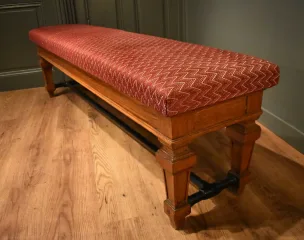
Antiquités Anne Marie Perrier — La Boisse
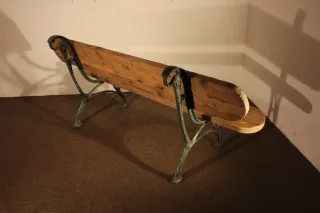
Au Réveil Du Temps — Saint-Nabord
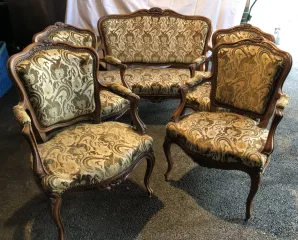
TRADITION Dupasquier Bouley Josiane — Le Plantay
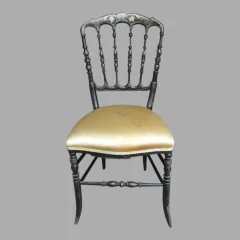
L'atelier De La Dorure — Calmont
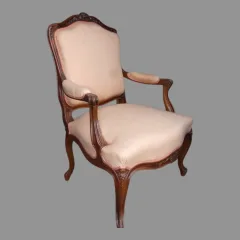
L'atelier De La Dorure — Calmont

L'atelier De La Dorure — Calmont
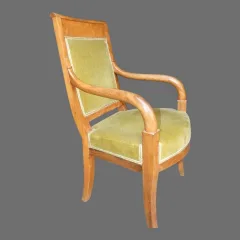
L'atelier De La Dorure — Calmont
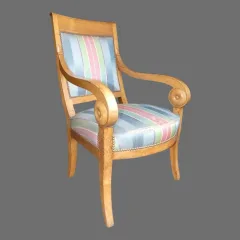
L'atelier De La Dorure — Calmont
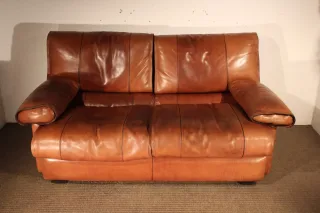
Au Réveil Du Temps — Saint-Nabord
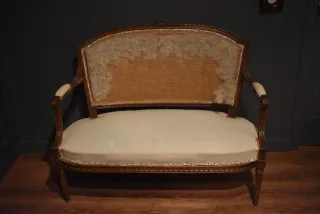
Antiquités Anne Marie Perrier — La Boisse
Antiquités Anne Marie Perrier — La Boisse
Galerie Lauretta — Mandelieu-la-Napoule
Identifying a genuine antique chesterfield armchair starts with the leather. Authentic aged hide develops a natural patina: fine, even crazing, a suppleness that only decades of use can produce, and a depth of colour no modern reproduction can replicate. The tufting buttons should be hand-sewn through the padding and leather — never simply glued to the surface — and spaced with the slight irregularity that betrays skilled handwork. Run your hand along the solid hardwood frame beneath the seat rail: quality Victorian and Edwardian pieces were built on beech or oak, with hand-coiled steel springs that give a distinctive, resilient sit quite unlike modern foam-filled imitations.
Dating a piece precisely is rewarding. Victorian chesterfields (1837–1901) are characterised by generous proportions, turned and stained wooden legs, and decorative brass nails. Edwardian examples (1901–1910) tend toward slightly cleaner lines while retaining the same deep tufting. Look under the seat cushion or on the underside of the frame for an upholsterer's label or stamp — a London workshop name such as Howard & Sons or Gillows of Lancaster adds both provenance and value. Be cautious of recent reproductions: the leather will be unnaturally uniform in colour and the stitching suspiciously perfect.
In terms of budget, expect to pay between £350 and £1,200 for a well-preserved Victorian or Edwardian example in honest condition. A signed piece from a noted London upholsterer, or one with documented provenance, can command considerably more. The condition of the leather is the single most important factor: a sympathetic restoration by a specialist saddler — re-feeding the original hide or repairing isolated areas of tufting — preserves patina and value far better than a full re-upholstery in new leather. Consider also exploring antique chesterfield sofas to complete a coherent period interior.
On Antiquités en France, every antique chesterfield armchair is listed by a verified professional dealer who can provide detailed photographs, precise dimensions and full provenance information. Browse the selection above and contact the dealer directly for additional expertise before you buy — professional guidance makes all the difference when investing in a genuine period piece.