
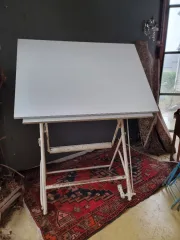
Objet 177503
French-antiques.fr — Rouen
190,00 €
6 objects found
Industrial antiques encompass the functional objects born of the 19th-century Industrial Revolution and the first half of the 20th century that have since become highly collectible: antique measuring instruments, factory pendant lamps, workshop furniture, industrial clockwork mechanisms, trade tools and scientific apparatus. Cast iron, raw steel, brass and thick glass are the defining materials — objects where form followed function with uncompromising rigour.
Today these pieces appeal equally to serious collectors and interior enthusiasts drawn to their honest patina, robust construction and working-class history. They pair naturally with antique maritime objects, another world where raw technical beauty takes centre stage.
6 objects found
French-antiques.fr — Rouen

Antiquités "Le Vieux Matos" L.V.M — La Chapelle-Saint-Martin-en-Plaine

Antiquités "Le Vieux Matos" L.V.M — La Chapelle-Saint-Martin-en-Plaine
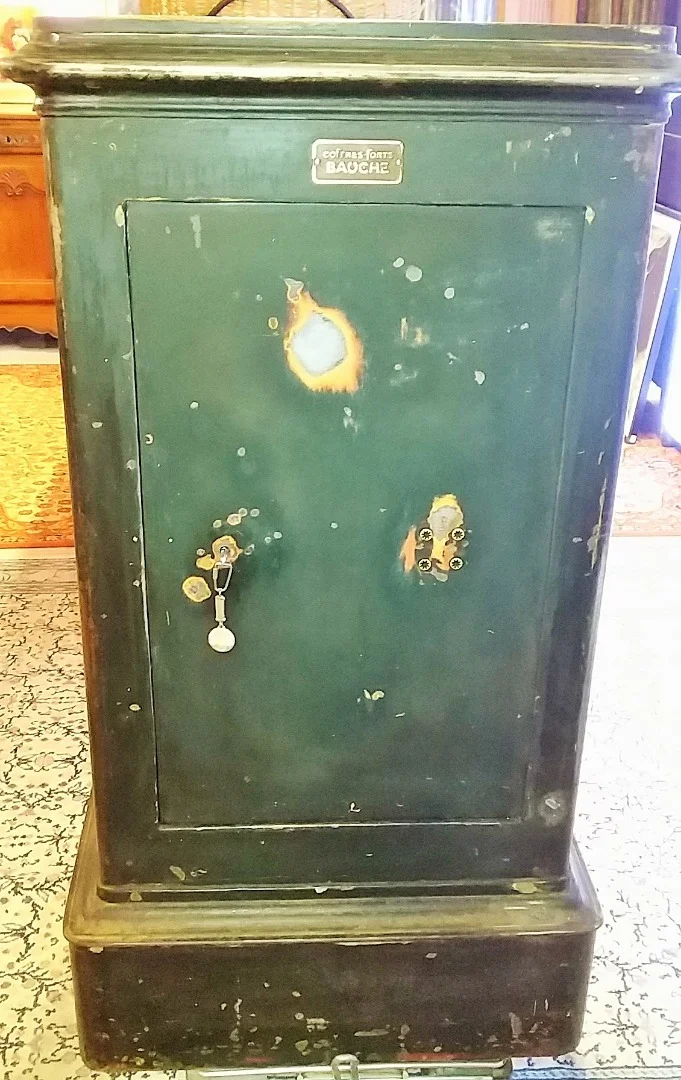
Antiquités "Le Vieux Matos" L.V.M — La Chapelle-Saint-Martin-en-Plaine
Antiquités "Le Vieux Matos" L.V.M — La Chapelle-Saint-Martin-en-Plaine

Antiquités "Le Vieux Matos" L.V.M — La Chapelle-Saint-Martin-en-Plaine
Identifying an authentic industrial antique requires reading several clues at once. The metal patina — grey cast iron, oxidised brass, blued steel — should be even and consistent with the stated age. Foundry marks, maker's stamps or original enamel identification plates are invaluable reference points: look for names such as Barbier & Bénard, Japy Frères or Deyrolle on French pieces, or British and German manufacturer plates on imported equipment. A stamped serial number or an original workshop label significantly increases both the value and the traceability of a piece.
In terms of budget, vintage factory pendant lamps in cast iron and bubble glass start at around £70–180 for common models, while a signed workshop workbench or a period carpenter's large compass can reach several hundred pounds. Rare scientific instruments — recording barometers, demonstration dynamos, brass microscopes — occasionally exceed £1,000 with specialist dealers. Always check the integrity of any mechanism, the absence of unsightly recent welds, and the consistency of the screws (imperial or metric threading depending on the country of origin).
Caring for these objects is straightforward: a thin coat of linseed oil on cast iron protects without masking the patina, while brass responds well to microcrystalline wax rather than abrasive polish, which would erase the sought-after wear marks. Avoid aggressive restoration — it strips a piece of its authenticity and, with it, a meaningful share of its market value.
On Antiquités en France, every vintage industrial object is listed by a verified professional antique dealer who can provide provenance details, exact dimensions and close-up photographs on request. You may also wish to explore our aeronautica and navigation instruments section for cockpit gauges and flight equipment, or browse our selection of antique workshop furniture to complete a factory-style interior. Contact your chosen dealer directly for any questions before purchasing.