

Sacred Cow Head in Bronze, India, late 18th century
Antiquités Christophe Rochet — Villeurbanne
280,00 €
10 objects found
Tribal art — the established market term for the visual traditions of sub-Saharan Africa, Oceania, pre-Hispanic America and South-East Asia — ranks among the most powerful and sought-after fields of collecting. Ceremonial masks, ancient tribal sculptures, fetish figures, headrests and ritual textiles each carry a precise social or spiritual function that gives them their singular force and enduring appeal.
Quality is read in the depth of the patina, the evidence of ritual use, and the stylistic coherence with a clearly identified cultural area. Browse our broader selection of works of art to extend your exploration beyond tribal traditions.
10 objects found
Antiquités Christophe Rochet — Villeurbanne
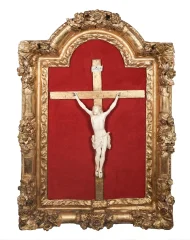
Galerie Lauretta — Mandelieu-la-Napoule
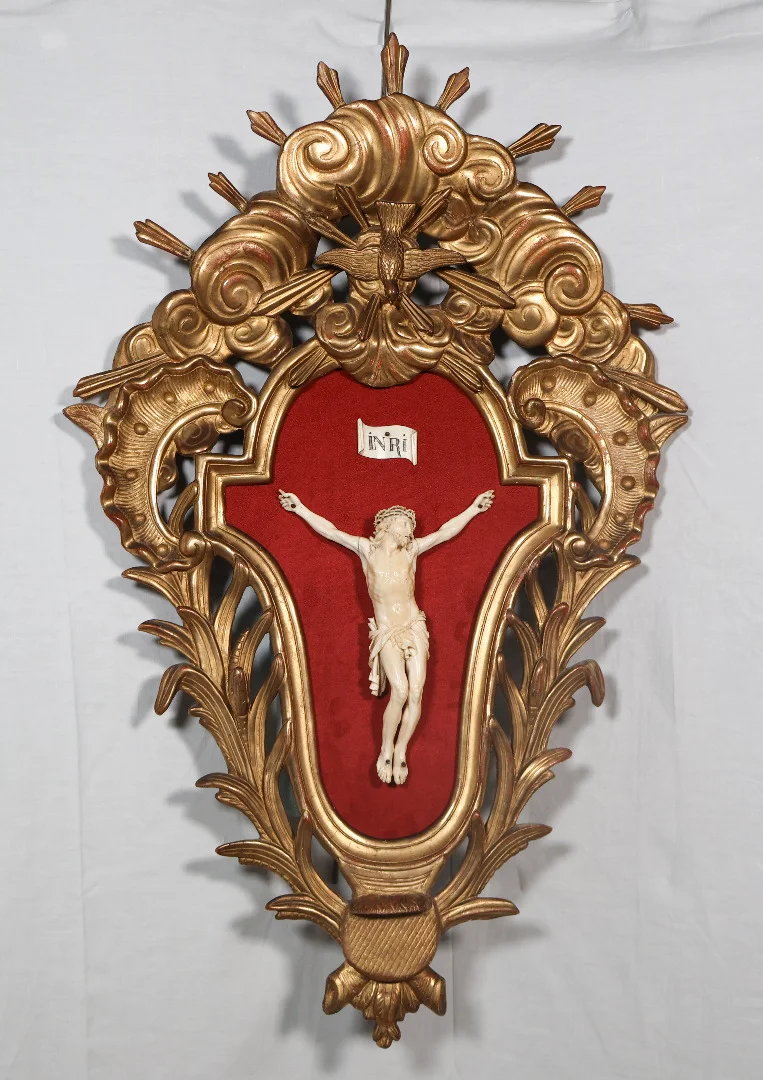
Galerie Lauretta — Mandelieu-la-Napoule
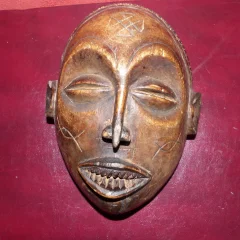
Antiquités "Le Vieux Matos" L.V.M — La Chapelle-Saint-Martin-en-Plaine
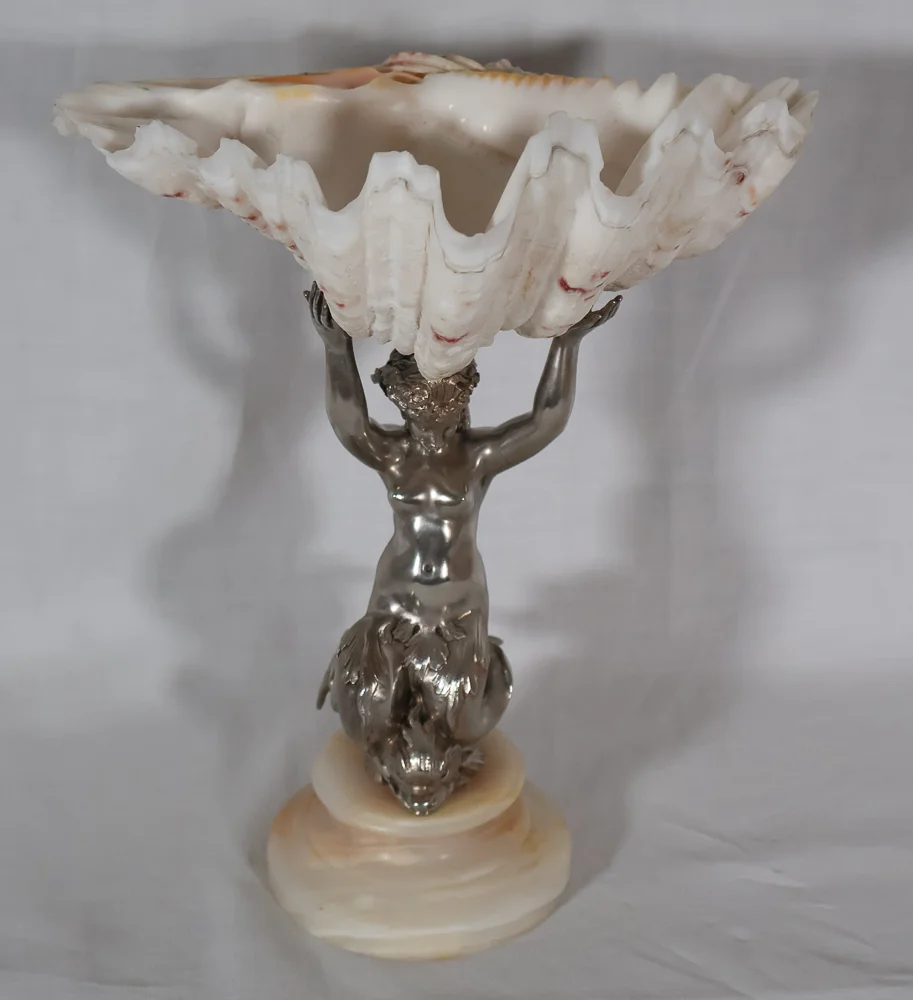
Galerie Lauretta — Mandelieu-la-Napoule
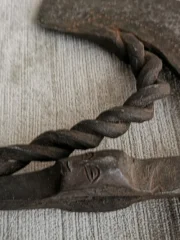
Bernadette Tanzilli Antiquités — Pérouges
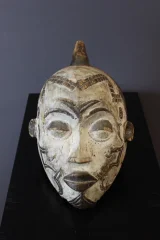
Antiquités Christophe Rochet — Villeurbanne
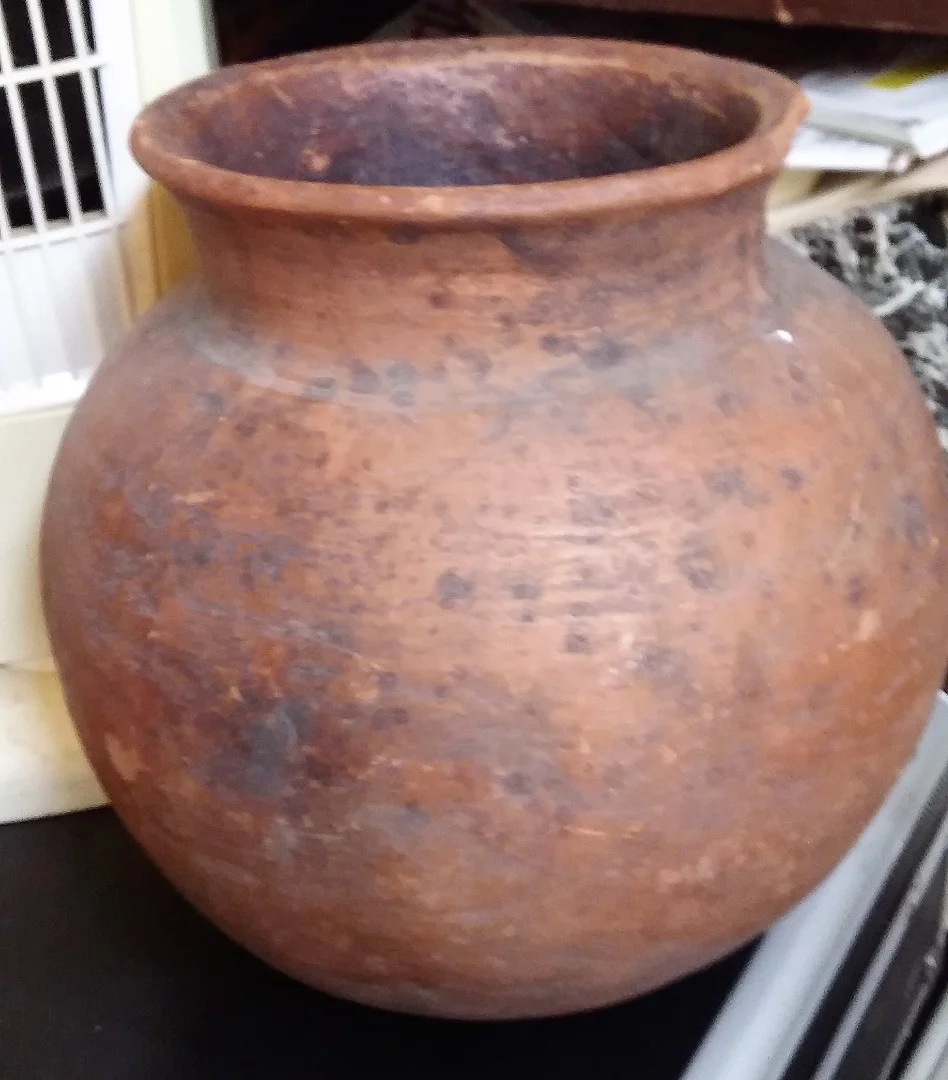
Antiquités "Le Vieux Matos" L.V.M — La Chapelle-Saint-Martin-en-Plaine

Antiquités "Le Vieux Matos" L.V.M — La Chapelle-Saint-Martin-en-Plaine
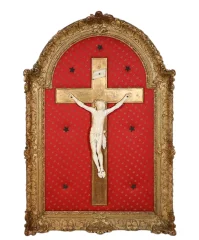
Galerie Lauretta — Mandelieu-la-Napoule
Authenticating a piece of tribal art demands both method and experience. Begin with the patina: a genuine old patina is deep, even and sometimes slightly greasy to the touch — it cannot be convincingly faked in a short time. Look for evidence of actual ritual use: areas polished smooth by repeated handling, residues of natural pigments (ochre, kaolin, lamp black), and traces of fibre attachments. Overly uniform surfaces or unusually dry wood are common warning signs of recent manufacture.
Documented provenance is now a decisive criterion, both for market value and for legal compliance. Under the UNESCO Convention of 1970 and subsequent national legislation, any antique African mask or pre-Columbian object must be shown to have left its country of origin through lawful channels. Prioritise pieces accompanied by old collection invoices, specialist appraisal certificates, or references in auction catalogues predating 1970.
The market spans a very wide price range. A fine Oceanic ritual carving of genuine collecting quality can be acquired for a few hundred euros, while a high-quality Fang, Kongo or Dogon figure may reach tens of thousands at auction. Pre-Columbian works — Mochica ceramics, Nayarit figurines, tumbaga gold ornaments — show equally broad ranges depending on rarity and condition. Always check structural integrity (cracks, old consolidations) and the stability of any polychromy before purchasing.
On Antiquités en France, every piece of tribal and primitive art is offered by a verified professional dealer able to provide full collection history, expert reports and secure shipping arrangements. Explore our works of art category for further major artistic expressions, and contact your chosen dealer directly for condition reports, additional photographs or shipping quotes.