
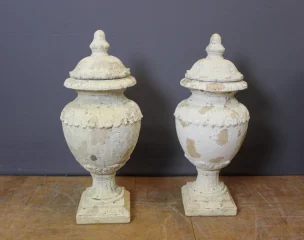
Pair of covered garden vases, 19th century
Antiquités Christophe Rochet — Villeurbanne
1 200,00 €
10 objects found
Antique tiles represent one of the most captivating strands of European decorative heritage, ranging from medieval encaustic terracotta floor tiles to the exquisitely hand-painted faience tiles of the 17th and 18th centuries. Produced in Delft, Rouen, Moustiers and Talavera, they display an extraordinary level of craft: cobalt-blue camaïeu scenes, polychrome floral motifs and figurative panels that enliven a kitchen, a hallway or a cabinet of curiosities alike.
Whether you are sourcing a single decorative piece or a matched set for a heritage restoration project, antique tiles sit naturally alongside other architectural antiques available on our portal.
10 objects found
Antiquités Christophe Rochet — Villeurbanne
Sarl Cave — Limoges
Galerie Lauretta — Mandelieu-la-Napoule
Au Réveil Du Temps — Saint-Nabord
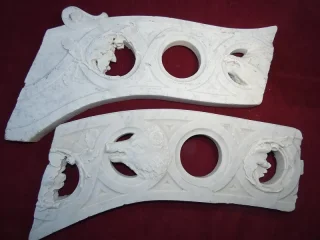
L'atelier De La Dorure — Calmont
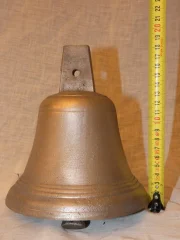
L'atelier De La Dorure — Calmont
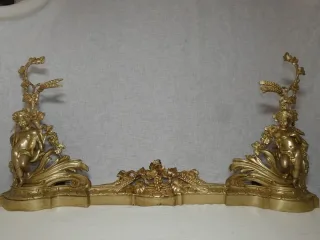
L'atelier De La Dorure — Calmont
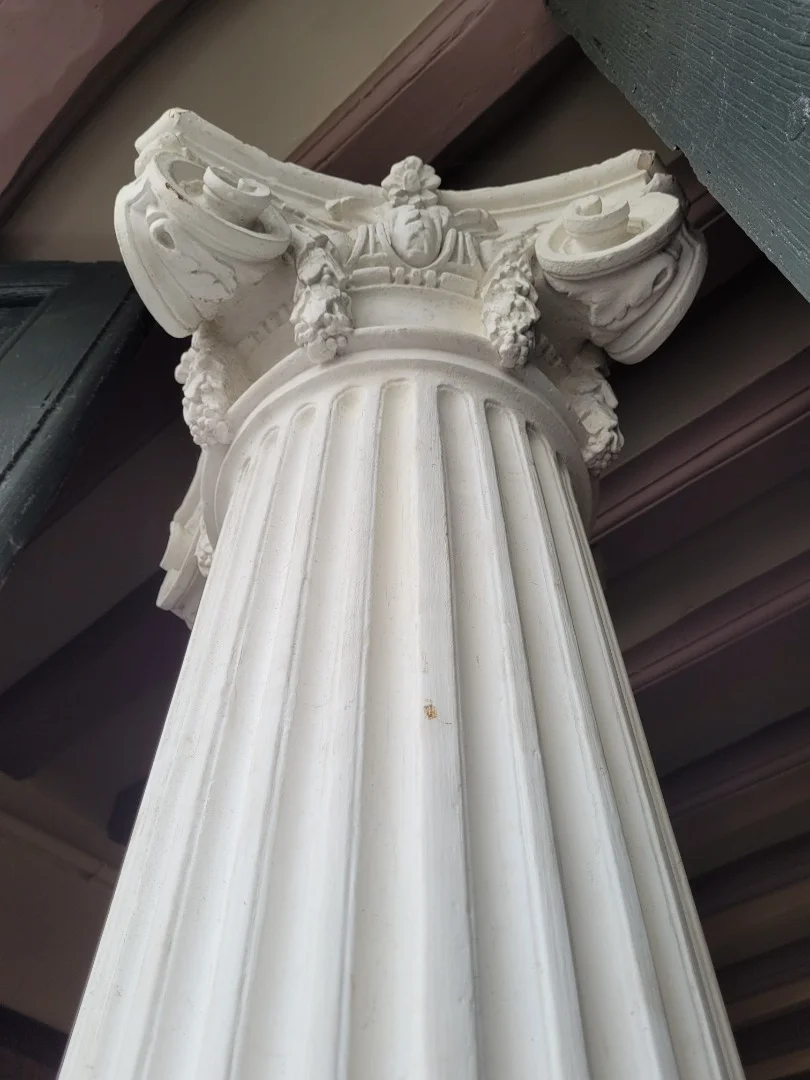
Le Grenier D'Abélard — Sens
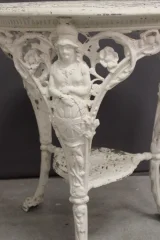
Antiquités Christophe Rochet — Villeurbanne
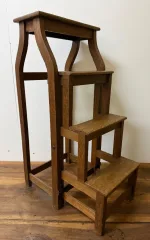
2R Antiquites — Caluire-et-Cuire
To authenticate antique tiles, start with the face: a genuinely hand-painted decoration shows subtle variations in line weight and a depth of colour that industrial reproduction simply cannot replicate. Turn the tile over and look for sand impressions, kiln marks or an incised batch number in the earthenware or faience body. The slight warp and uneven thickness that result from hand-pressing are further reliable indicators of age.
In terms of materials, antique Delft tiles are distinguished by their slightly blue-tinged tin-glaze ground and their cobalt-blue or polychrome "Kashmir" decoration. French tiles from Rouen or Nevers tend towards bolder, more saturated palettes, while medieval and Renaissance terracotta tiles carry inlaid geometric or heraldic motifs. For Art Nouveau pieces, look for the output of Villeroy & Boch, Minton or the Sarreguemines manufactory, identifiable by their iridescent glazes and sinuous plant-form designs.
On the question of price, a sound 18th-century Delft tile typically sells for between £25 and £130; a rare polychrome example or a coherent matched panel can comfortably exceed several hundred pounds. Art Nouveau glazed tiles from a named manufactory command comparable or higher prices. Always check the glaze for deep chips or cracks, confirm that the painted decoration is stable, and look carefully for any restoration concealed beneath a layer of paint or filler. Condition is paramount, especially if the tiles are destined for a working surface or floor.
Every antique tile listed on Antiquités en France is offered by a verified professional dealer who can supply provenance documentation, detailed photographs and care advice before purchase. We also invite you to browse our selection of antique kitchen objects to complete an authentically period interior, and to contact your chosen dealer directly with any questions about quantity, dimensions or pattern matching.