
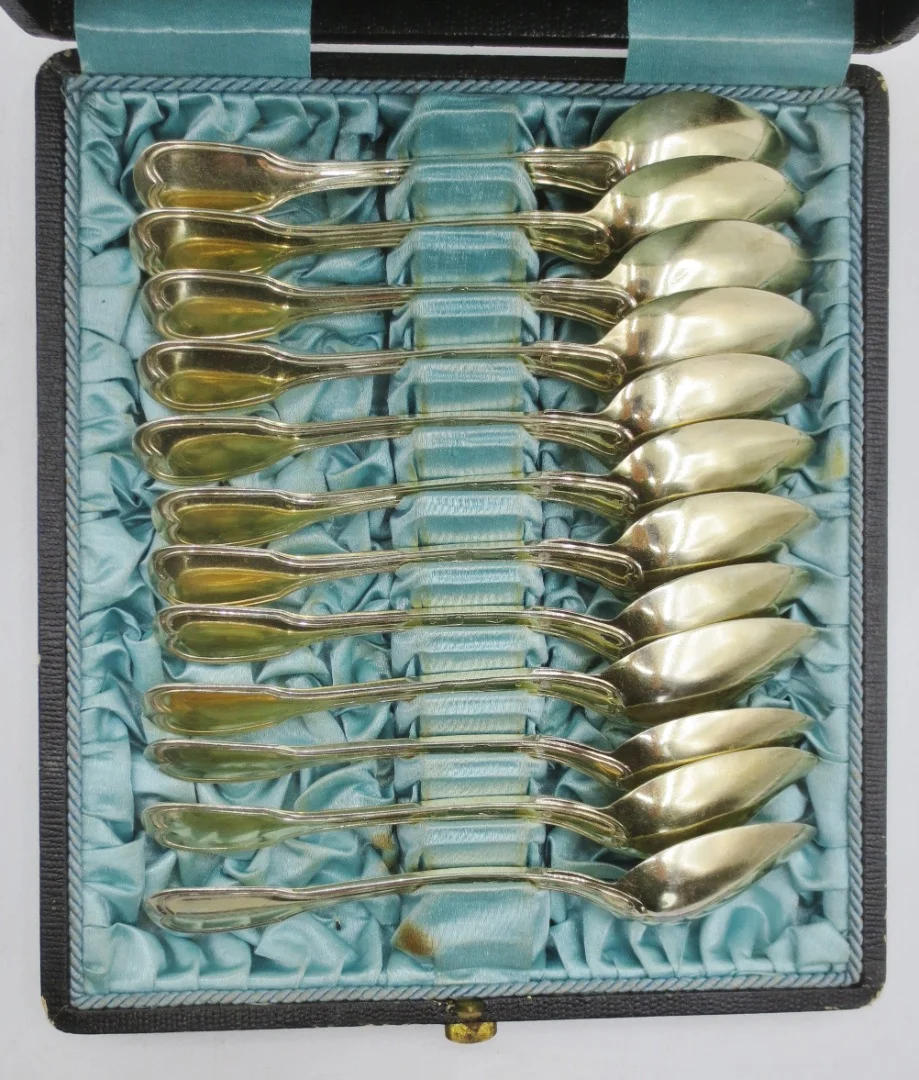
VERMEILLE SPOONS
Anne Besnard — Saint-Ouen
650,00 €
39 objects found
Antique solid silver represents one of the highest achievements of the silversmith's craft: tea services, soup tureens, flatware, ewers and centrepieces that bear witness to centuries of refined workmanship. Authenticity rests above all on official hallmarks — in France, the Minerva head (950 or 800 millesimal fineness) struck from 1838 onwards, or earlier jurande marks for pre-Revolutionary pieces. Browse our carefully selected antique silverware offered by specialist dealers, from the great 19th-century maisons to Art Déco creations.
39 objects found
Anne Besnard — Saint-Ouen
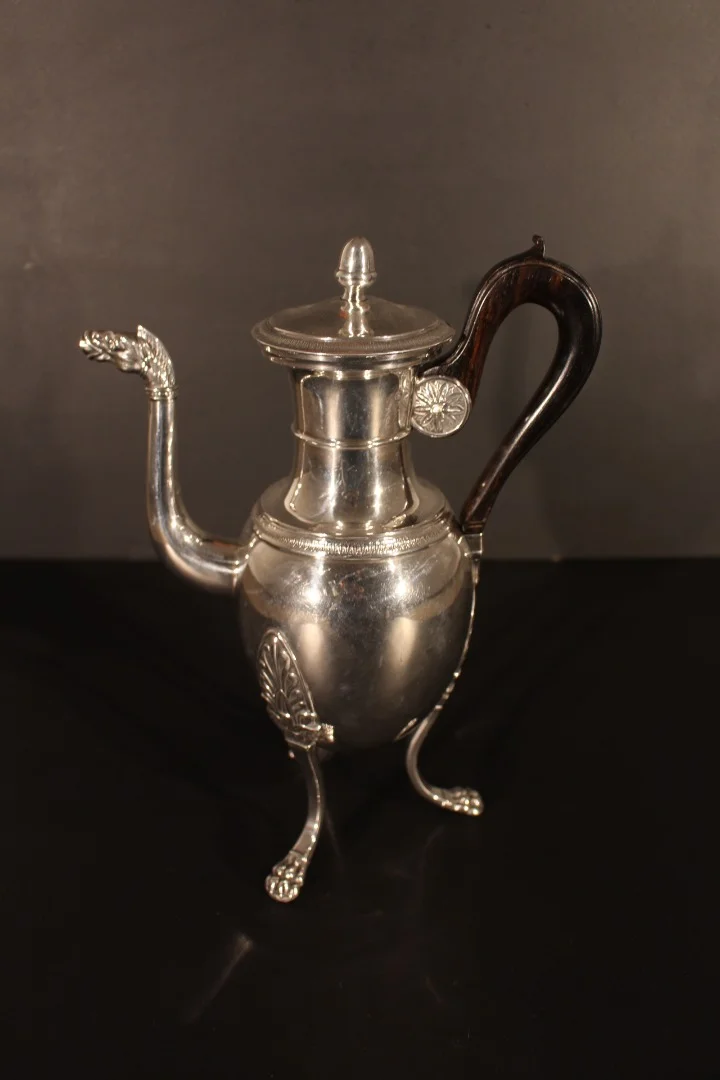
Au Réveil Du Temps — Saint-Nabord

Au Réveil Du Temps — Saint-Nabord
Anne Besnard — Saint-Ouen
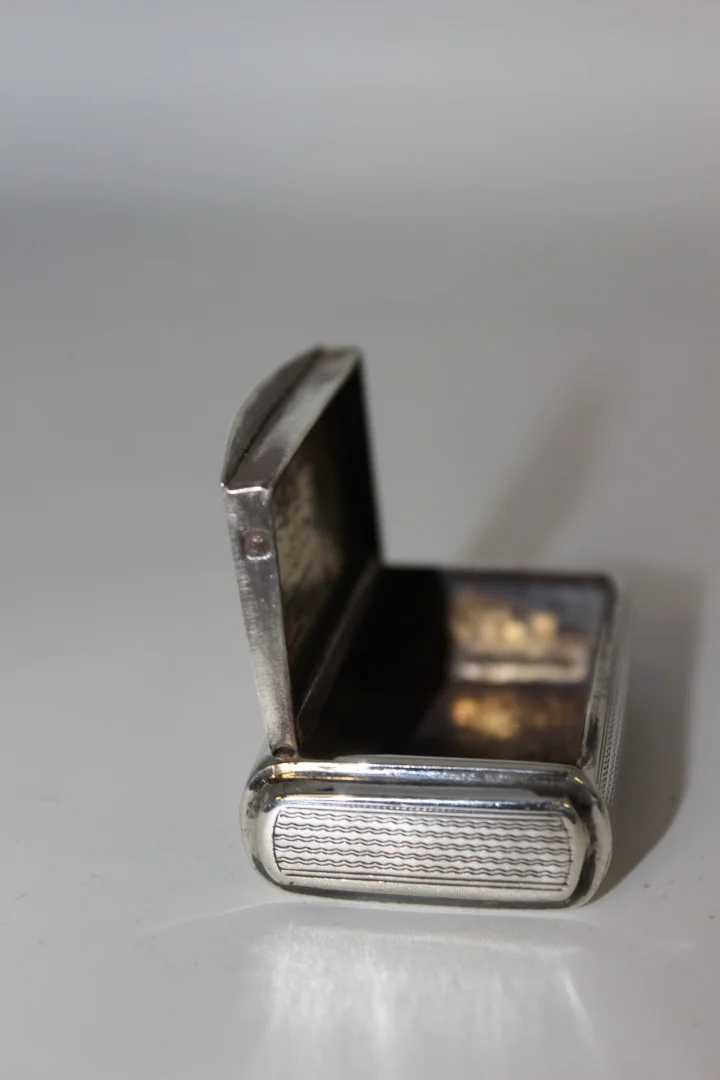
Antiquités Christophe Rochet — Villeurbanne
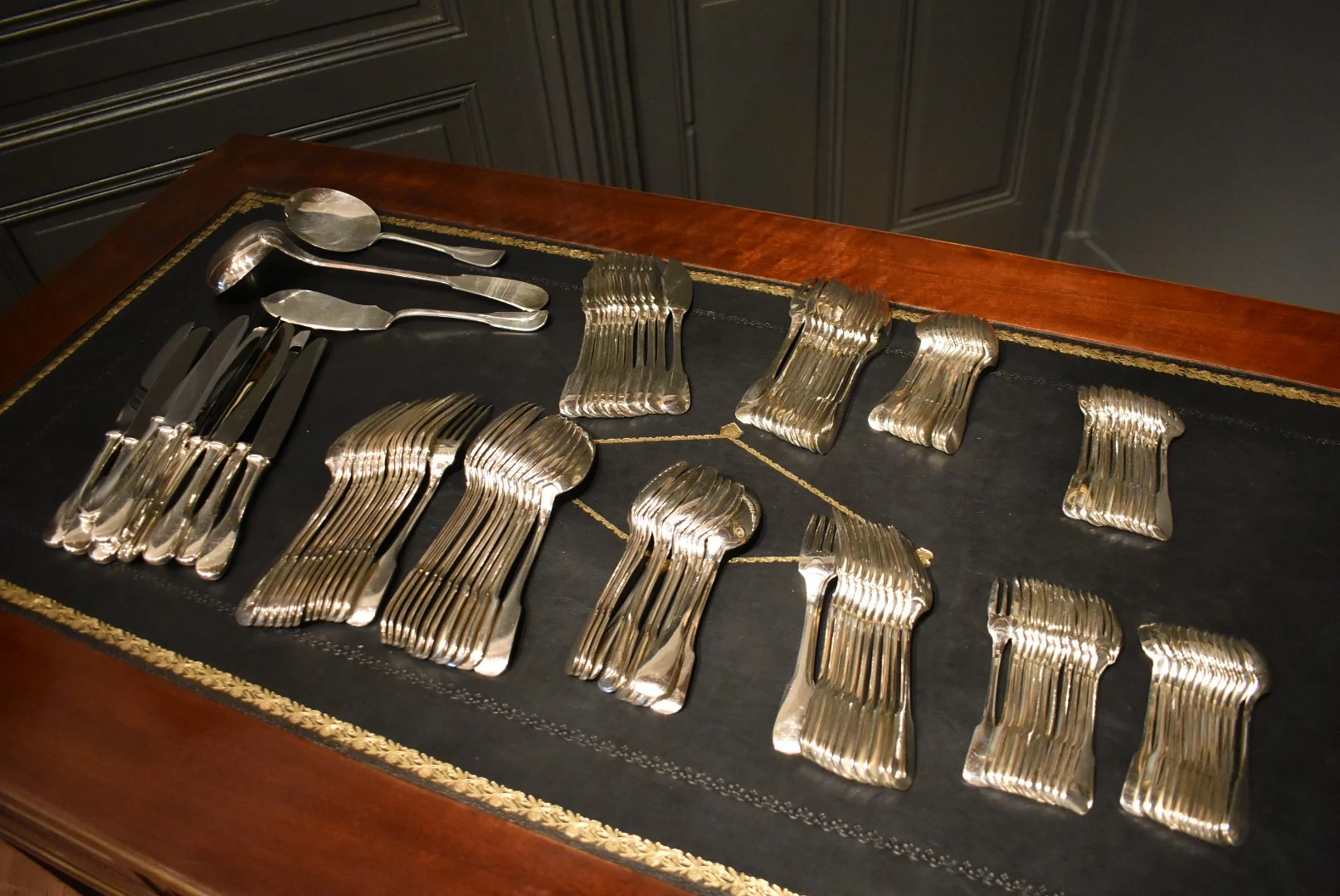
Antiquités Anne Marie Perrier — La Boisse

Antiquités Lyonnaises — Villeurbanne

Sarl Cave — Limoges
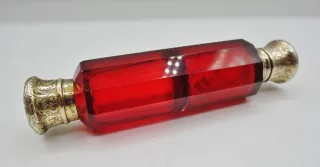
Anne Besnard — Saint-Ouen

Galerie Lauretta — Mandelieu-la-Napoule
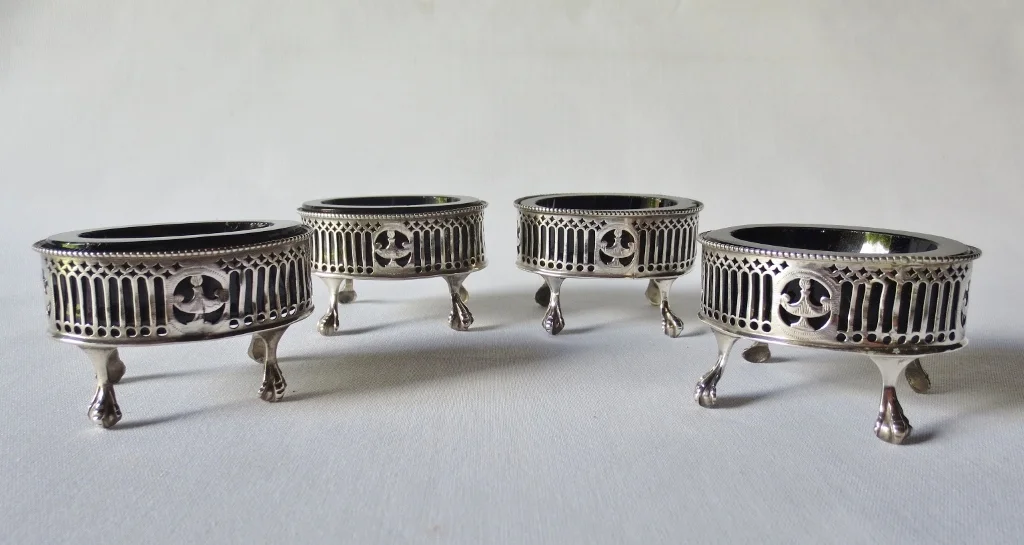
Anne Besnard — Saint-Ouen
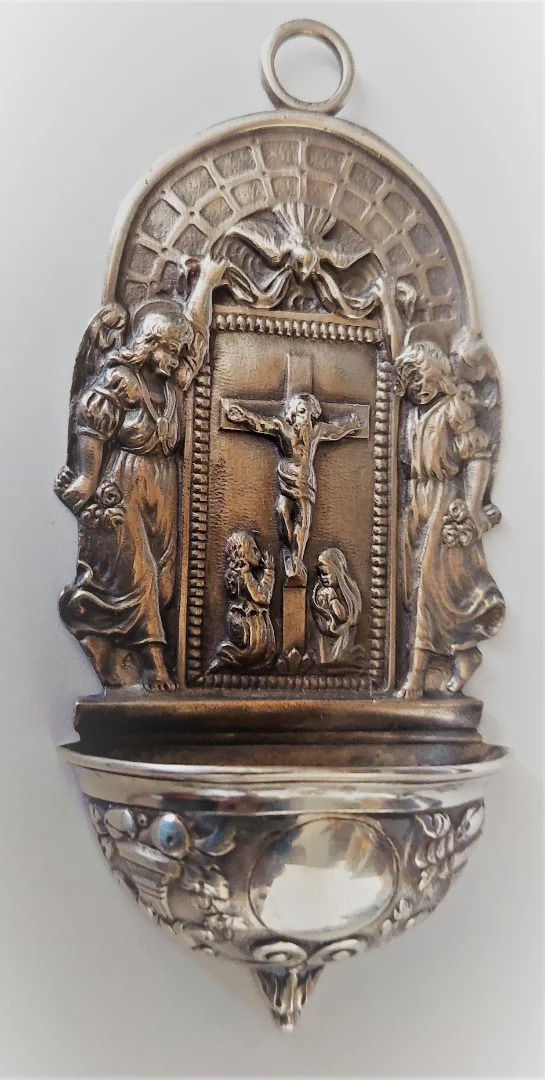
Antiquités "Le Vieux Matos" L.V.M — La Chapelle-Saint-Martin-en-Plaine
Ecritoire Antiquites Poidras jean-luc — Vertou
Sarl Cave — Limoges
Galerie Lauretta — Mandelieu-la-Napoule

Antiquités Anne Marie Perrier — La Boisse
Galerie Lauretta — Mandelieu-la-Napoule
Galerie Lauretta — Mandelieu-la-Napoule
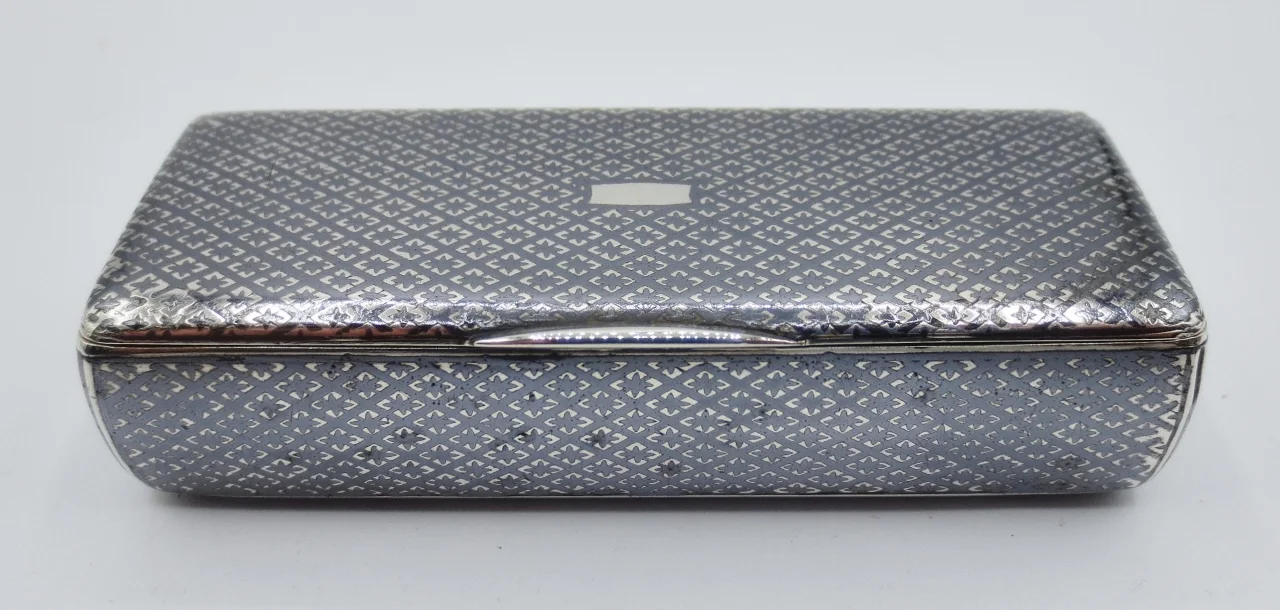
Anne Besnard — Saint-Ouen
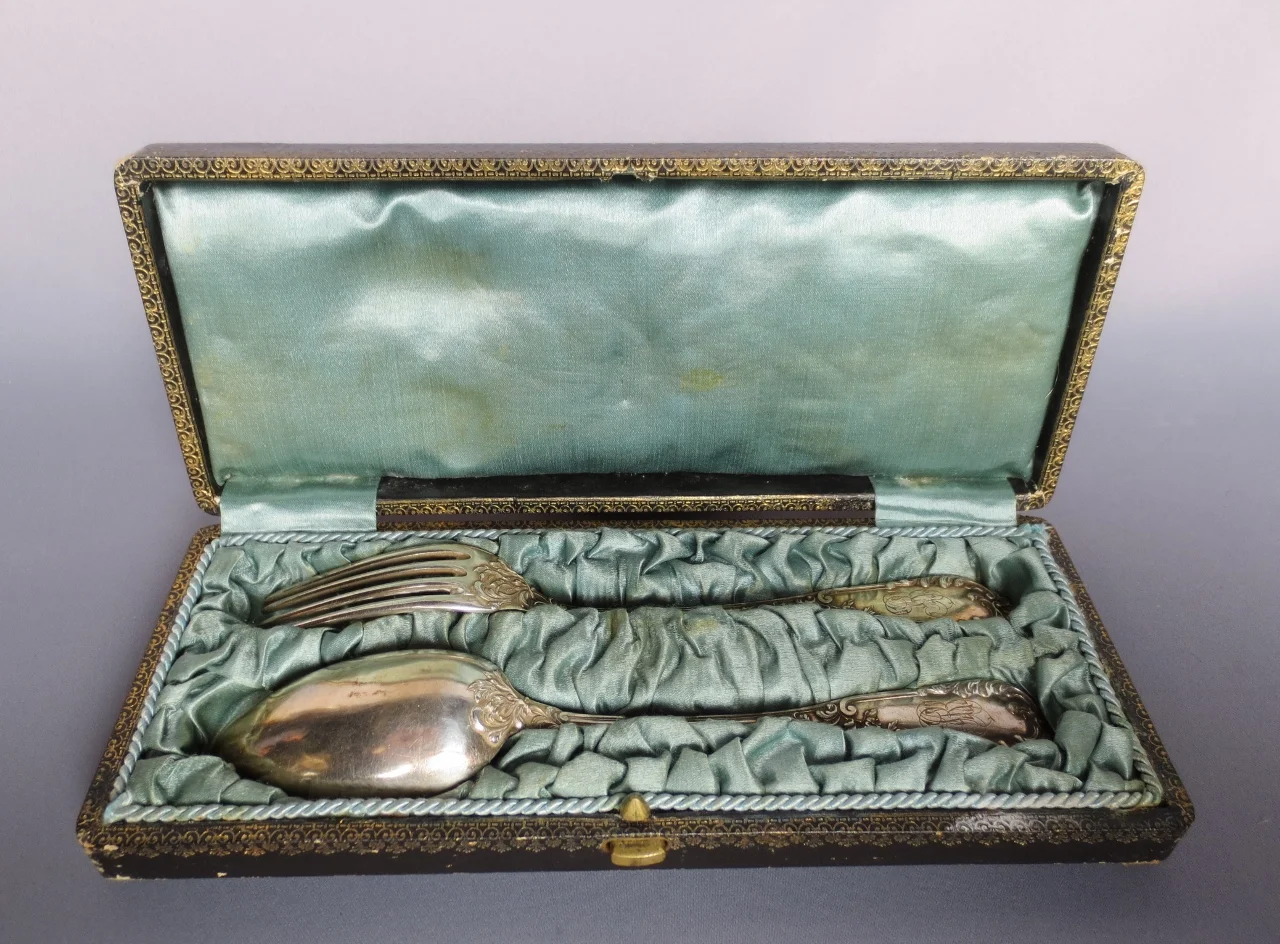
Anne Besnard — Saint-Ouen
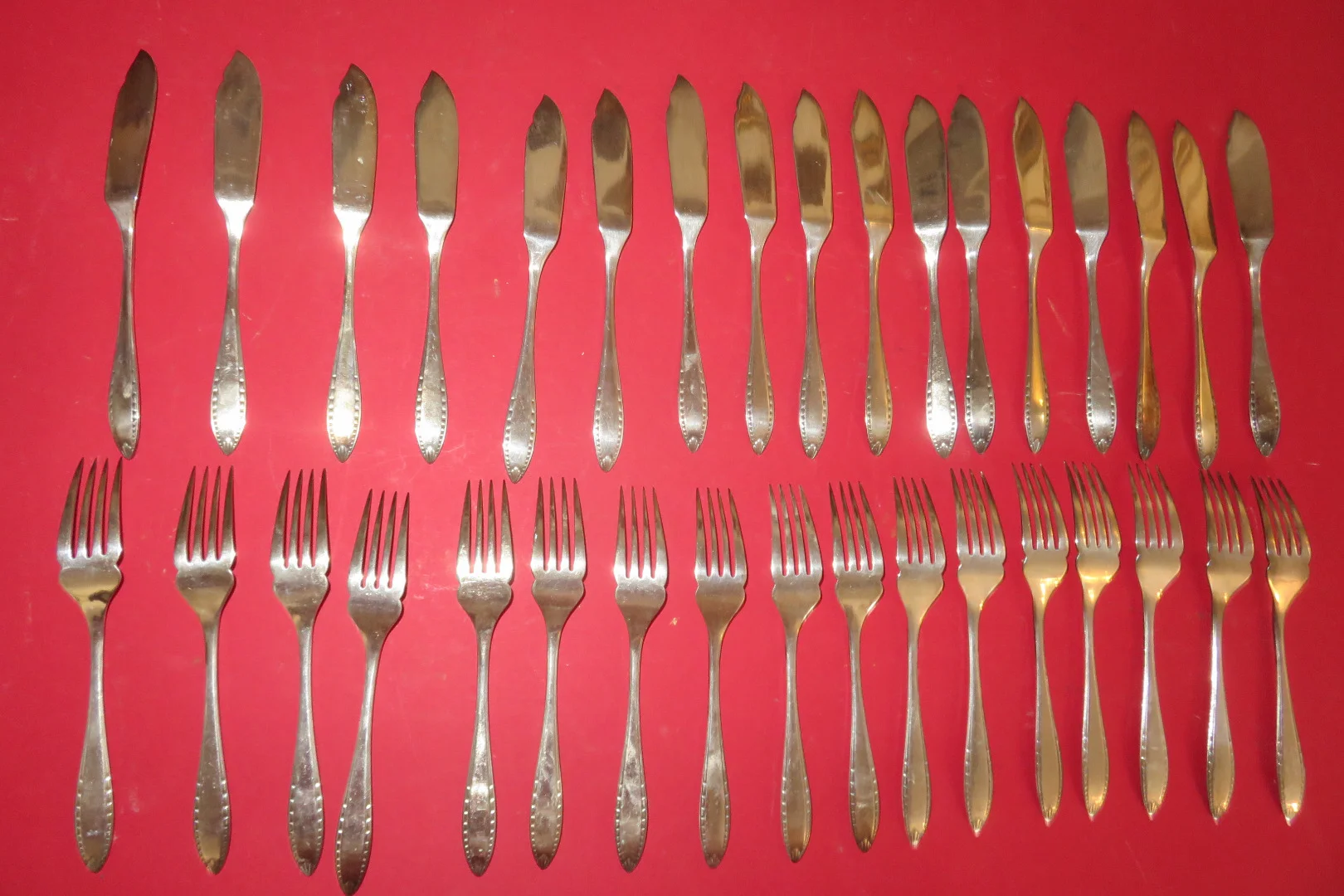
Sarl Cave — Limoges
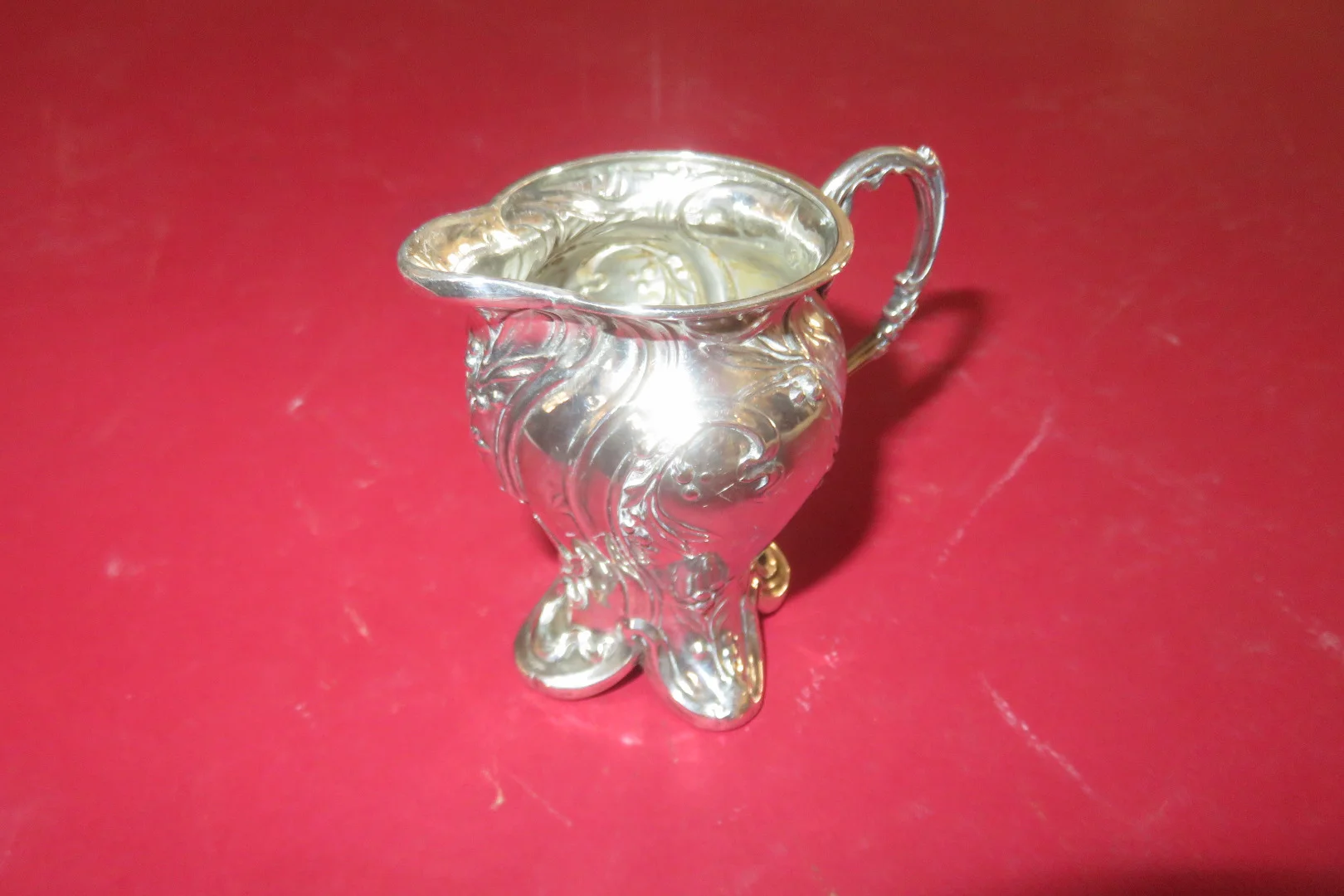
Sarl Cave — Limoges

Sarl Cave — Limoges
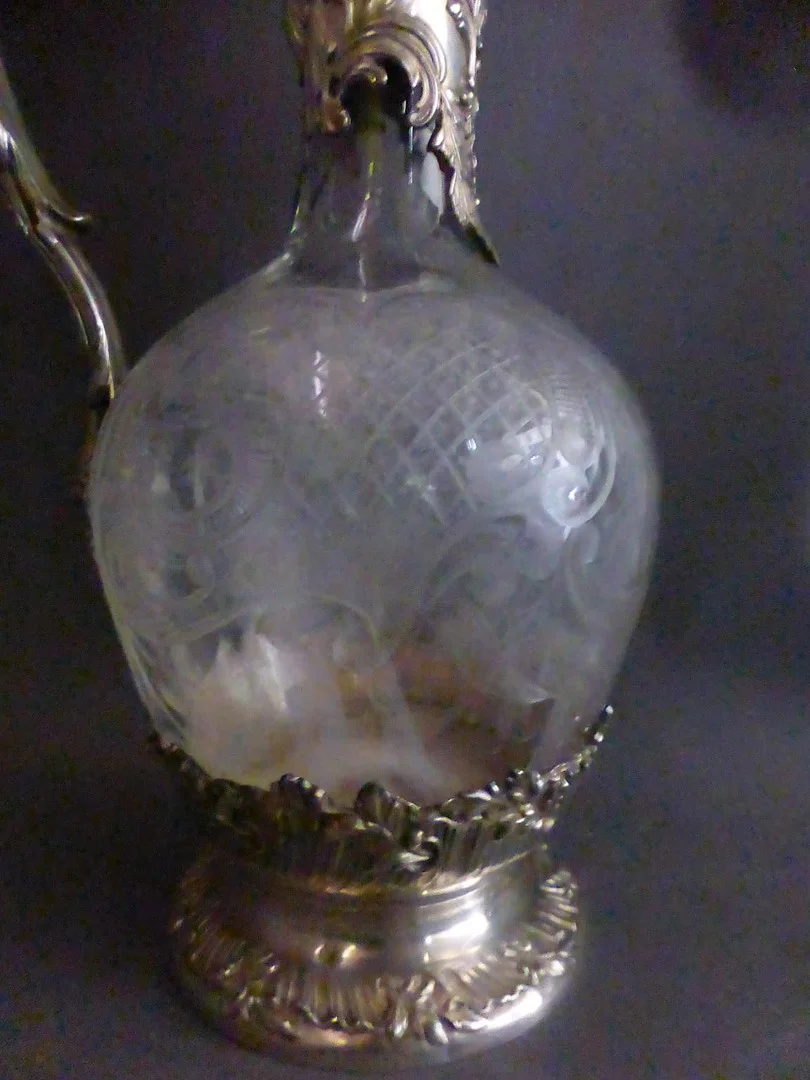
Philippe Cote Antiquites — Chauffailles
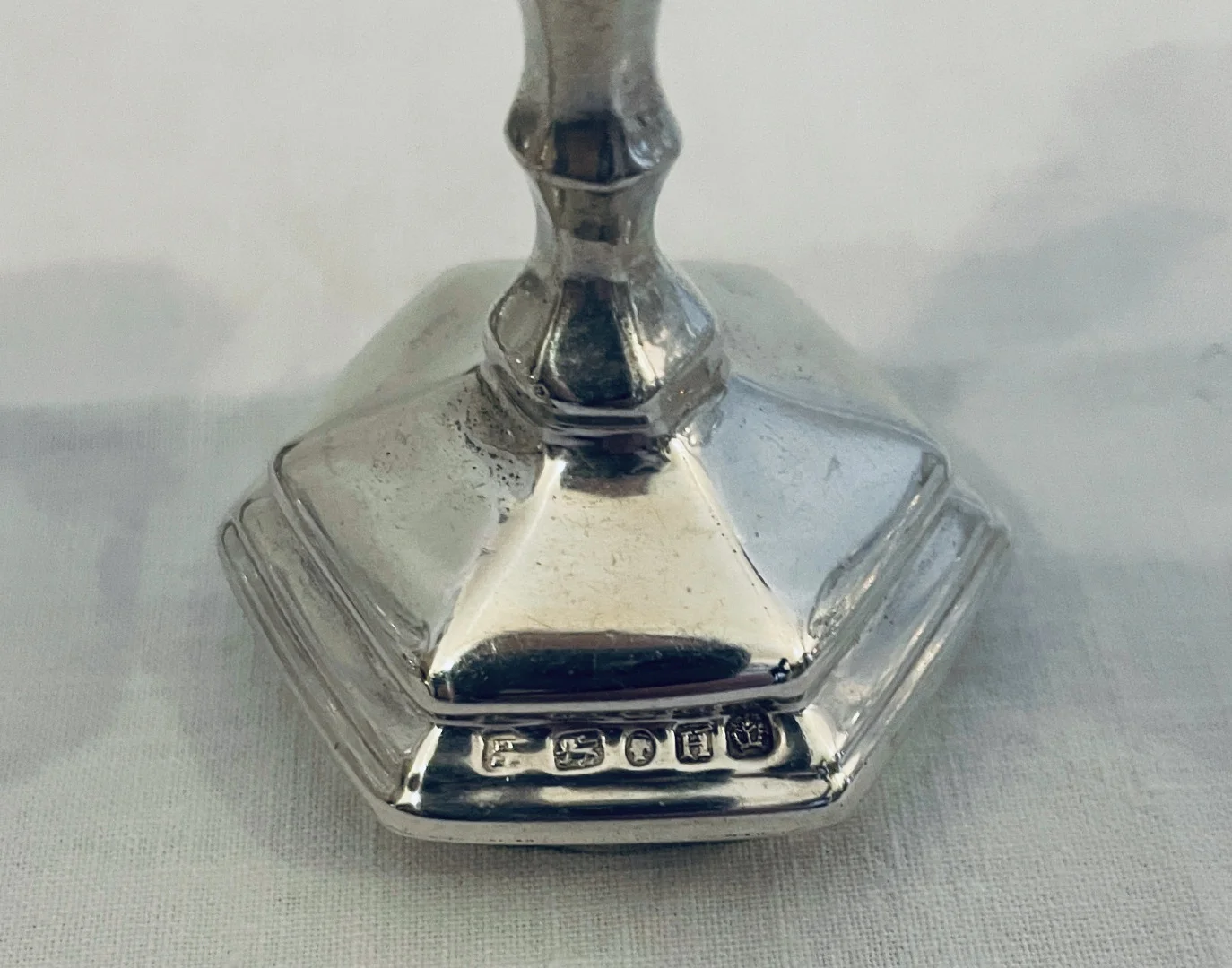
Authenticating a piece of antique solid silver begins with a close reading of its hallmarks. In France, the helmeted Minerva head has guaranteed silver of 950 millesimal fineness (first standard) or 800 millesimal fineness (second standard) since 1838. Earlier pieces carry jurande and charge-décharge marks that are more complex to decipher but highly prized by collectors. A jeweller's loupe and a reliable hallmark reference guide are essential tools before any purchase.
Among the great names to look for, Puiforcat, Odiot, Boin-Taburet and Cardeilhac stand as the defining references of 19th- and early 20th-century French silversmithing. A maker's punch or silversmith's mark on the underside of an antique solid silver tea service can significantly multiply a piece's value. Always check stylistic consistency across a set: antique silver flatware sets from the same service should display uniform decoration and matching hallmarks throughout.
In terms of budget, expect to pay from a few tens of pounds for a small utilitarian piece — a salt cellar or mustard pot — to several thousand for a complete table service signed by a major house. Condition is paramount: dents, clumsy repairs or worn gilding on antique vermeil all weigh on value. Professional polishing can restore a beautiful lustre, but avoid abrasive compounds that risk obliterating the hallmarks. Also be aware that weight in silver provides a natural price floor, while signature and condition drive the premium above it.
On Antiquités en France, every piece of antique solid silver is offered by a verified professional dealer able to supply detailed photographs of the hallmarks, weight, dimensions and provenance history. Explore our broader antique silverware selection to widen your search, and contact the dealer directly for any questions on expertise, condition reports or secure insured shipping.