
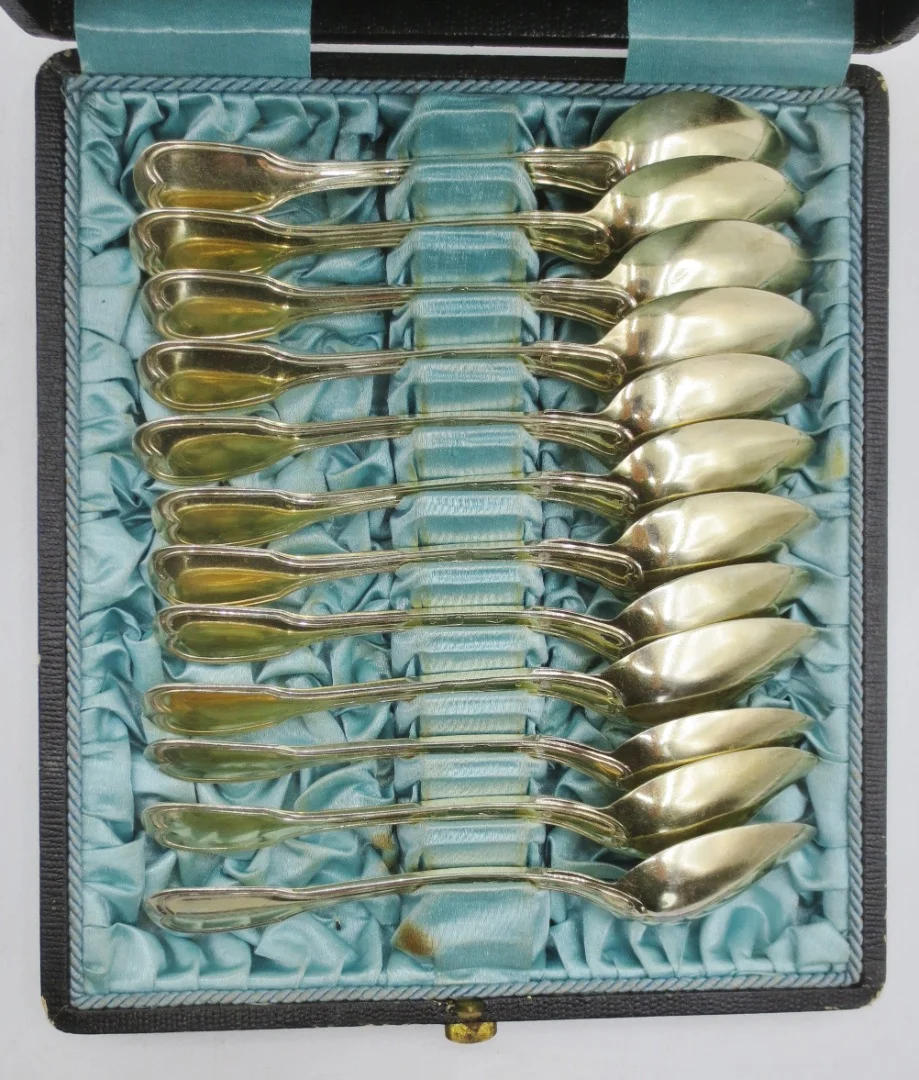
VERMEILLE SPOONS
Anne Besnard — Saint-Ouen
650,00 €
108 objects found
Antique silverware encompasses every piece crafted in solid silver or silver plate by the great French and European silversmiths, from the 17th century through the Belle Époque. Tea services, solid silver flatware, sauce boats, serving dishes and candelabra each bear witness to an extraordinary tradition of hand craftsmanship. The quality of any piece is first read in its hallmarks — the official guarantee of silver fineness and the maker's identity — and in the refinement of its chased or repoussé decoration.
108 objects found
Anne Besnard — Saint-Ouen
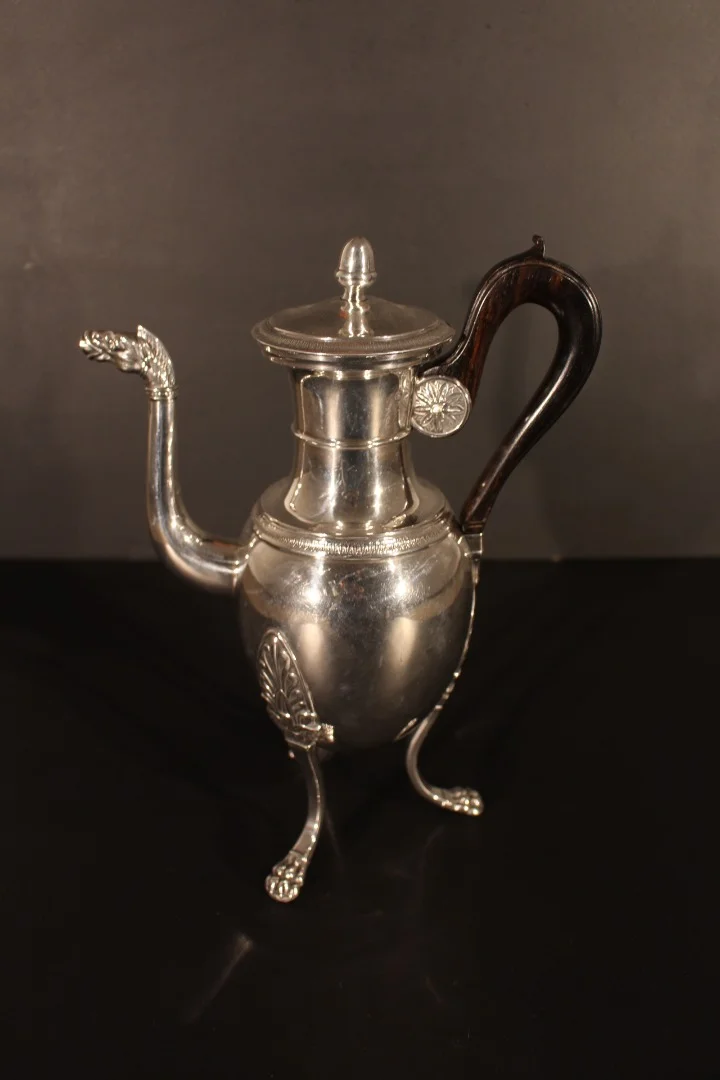
Au Réveil Du Temps — Saint-Nabord

Au Réveil Du Temps — Saint-Nabord
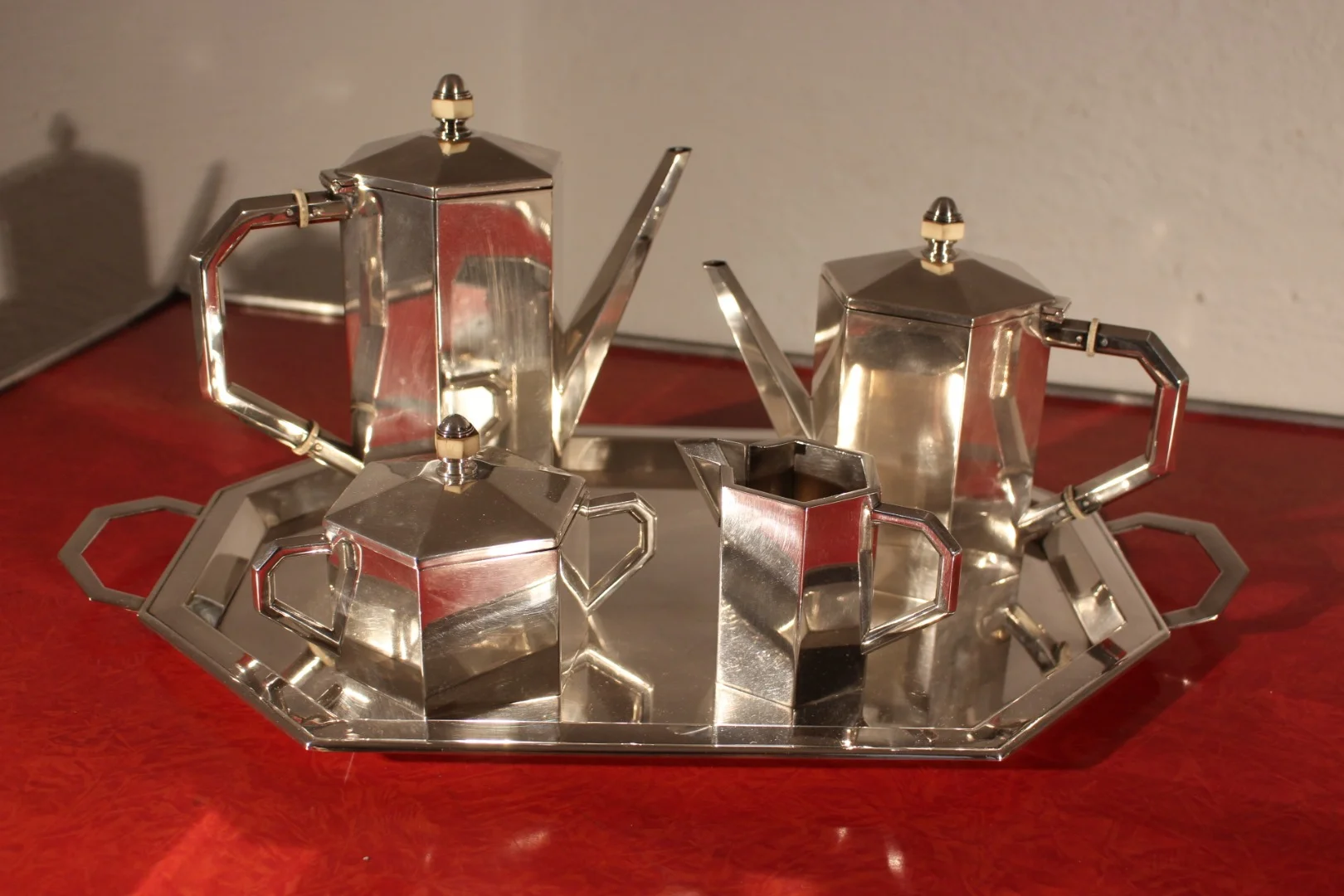
Au Réveil Du Temps — Saint-Nabord
Philippe Cote Antiquites — Chauffailles

Philippe Cote Antiquites — Chauffailles
Anne Besnard — Saint-Ouen
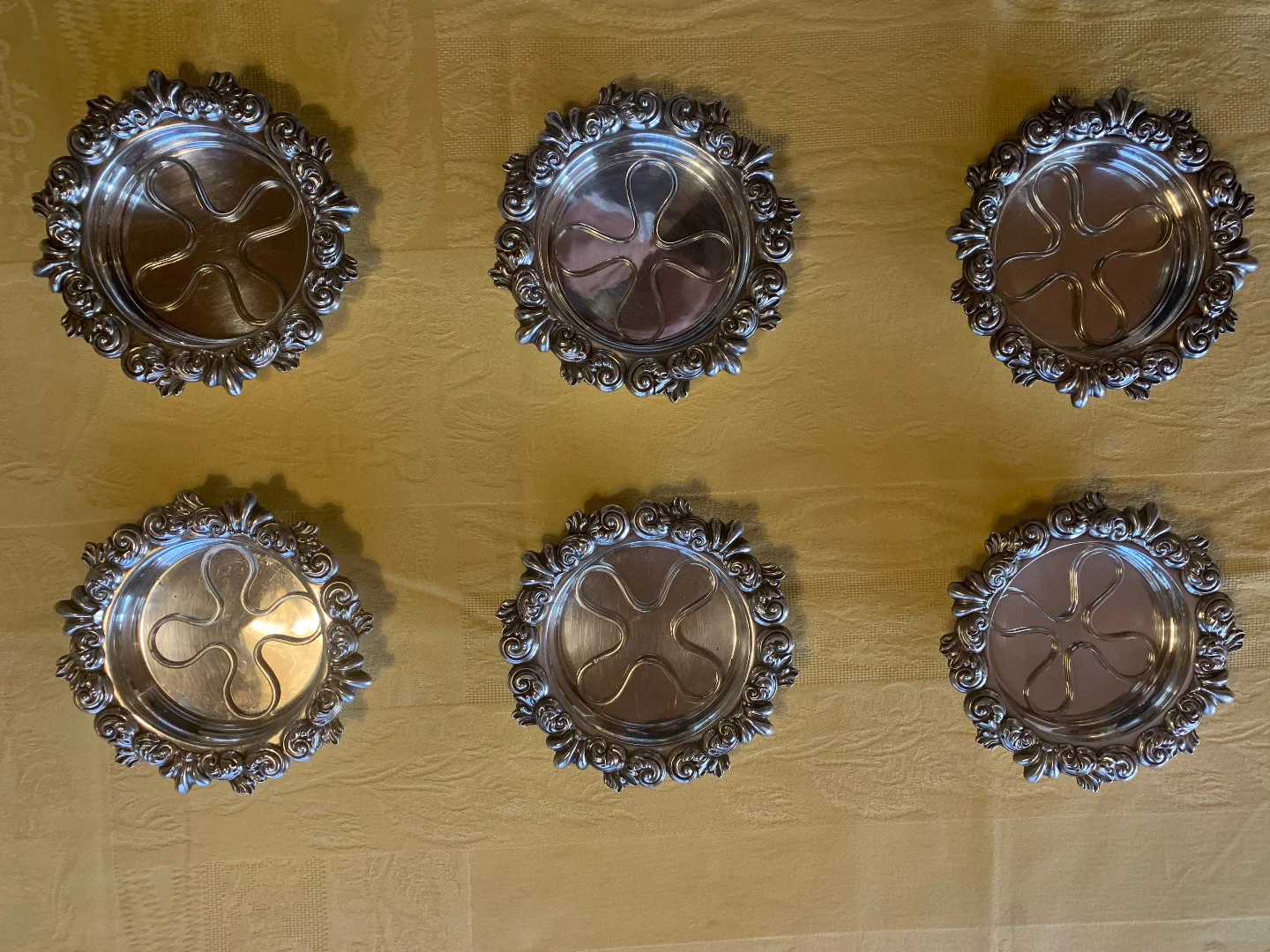
LE SOLEIL ROUGE — Lyon 7e Arrdt
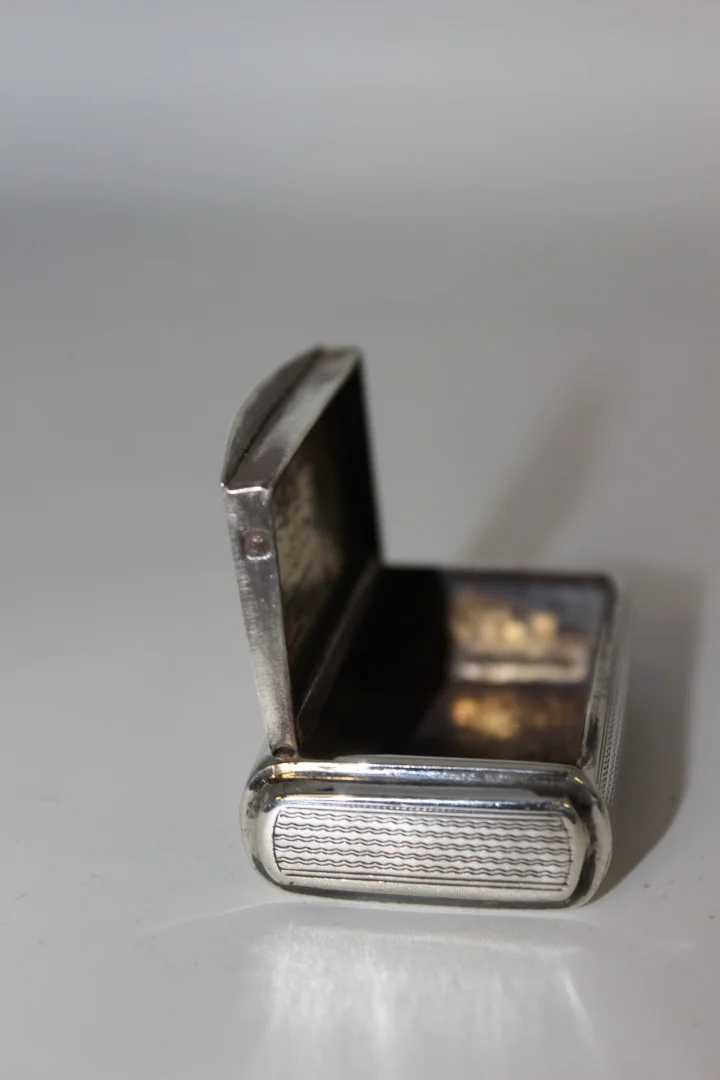
Antiquités Christophe Rochet — Villeurbanne
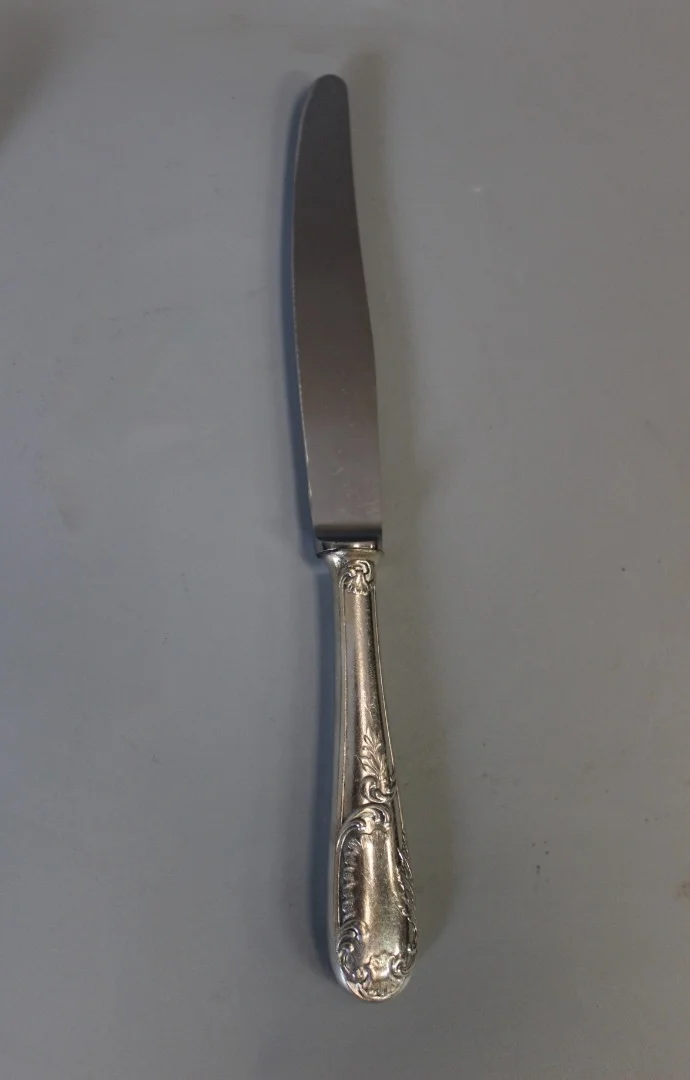
Antiquités Christophe Rochet — Villeurbanne
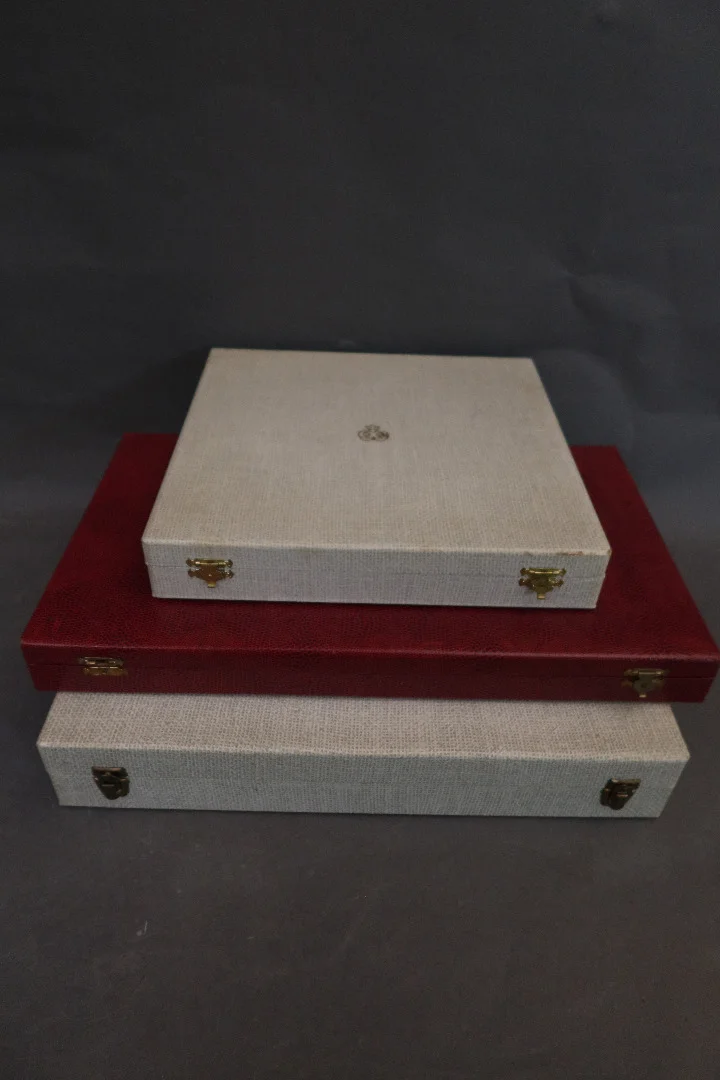
Philippe Cote Antiquites — Chauffailles
Antiquités Anne Marie Perrier — La Boisse
Philippe Cote Antiquites — Chauffailles
LE SOLEIL ROUGE — Lyon 7e Arrdt

Galerie Lauretta — Mandelieu-la-Napoule

Antiquités Lyonnaises — Villeurbanne

Sarl Cave — Limoges
Philippe Cote Antiquites — Chauffailles

Philippe Cote Antiquites — Chauffailles

Au Réveil Du Temps — Saint-Nabord

LE SOLEIL ROUGE — Lyon 7e Arrdt
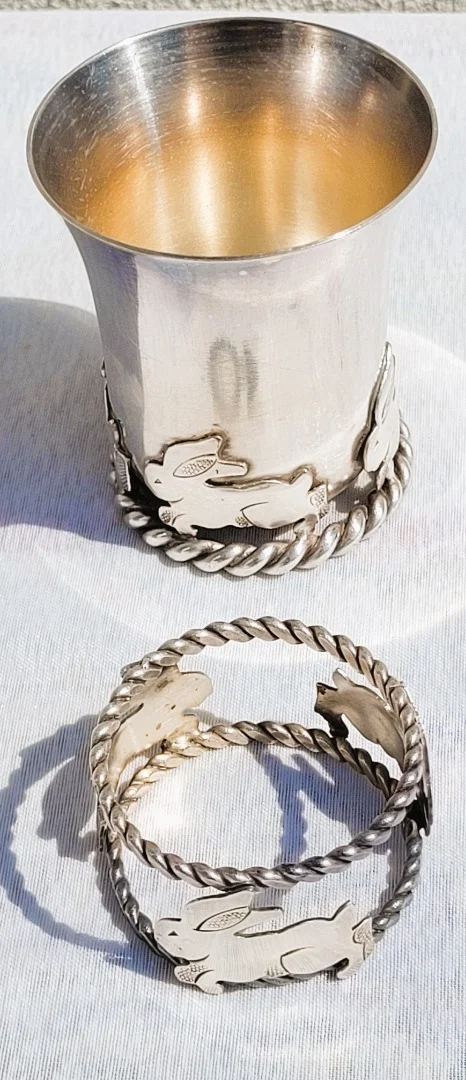
Antiquités "Le Vieux Matos" L.V.M — La Chapelle-Saint-Martin-en-Plaine

Antiquités "Le Vieux Matos" L.V.M — La Chapelle-Saint-Martin-en-Plaine
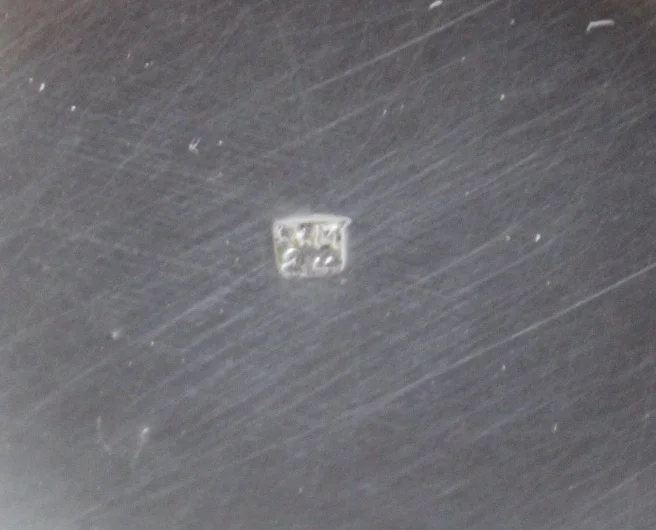
Antiquités Christophe Rochet — Villeurbanne
To authenticate antique silverware, always begin with the hallmarks. On French pieces, the Minerva mark (introduced in 1838) guarantees a silver fineness of 950 or 800 parts per thousand; earlier pieces carry the Ferme générale charge-and-discharge marks. A maker's punch — the silversmith's initials enclosed within a lozenge — identifies the workshop and adds considerably to value. The great houses such as Odiot, Puiforcat, Boulenger and Christofle are especially sought after by collectors, and a documented provenance from one of these ateliers can double or triple a piece's market value.
In terms of budget, a single hallmarked piece — a spoon, salt cellar or mustard pot — can be found from as little as thirty to eighty pounds, while a complete antique silver tea service from the 19th century may reach several thousand pounds depending on weight, decoration and maker. Antique vermeil (silver-gilt) and pieces with historicist or Neo-Renaissance ornament frequently command a premium. Always check the completeness of a service, look for clumsy repairs around solder joints, and confirm that hallmarks remain fully legible.
Caring for antique silverware is straightforward: polish regularly with a non-abrasive silver cream, store away from humidity and sulphurous air, and rinse carefully after use. Never put antique silver in a dishwasher — the heat and detergents attack solder joints and dull chased decoration. For pieces in solid silver, a professional clean by a specialist silversmith restorer is recommended every ten to fifteen years to preserve the metal's integrity.
On Antiquités en France, every piece of antique silverware is offered by a verified professional dealer who can supply a full hallmark report, silver weight and documented provenance. Browse our selection of antique silver-plate for decorative pieces at more accessible prices, and contact the dealer directly for valuations, condition reports or shipping advice before you buy.