
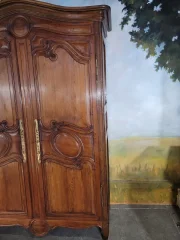
Pine armoire
Antiquites d'Augers en Brie — Augers-en-Brie
990,00 €
Very good condition
124 objects found
The antique wardrobe is the centrepiece of French furniture-making tradition, and its appeal has never faded. From the grand regional armoires of Normandy and Alsace to refined Louis XV wardrobes in carved walnut, each piece bears witness to exceptional cabinet-making skill. Look for moulded panels, hand-forged original ironwork and the natural patina of solid oak, walnut, cherry or pine — the wood varying by province and period.
Among the most prized examples are the marriage armoires, richly carved with sheaves of wheat, roses and hearts, presented as part of a bride's dowry. Every piece listed here is offered by a verified professional antique dealer, combining authenticity, character and lasting solidity.
124 objects found
Antiquites d'Augers en Brie — Augers-en-Brie
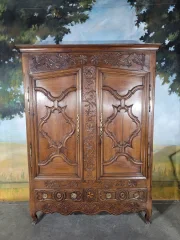
Antiquites d'Augers en Brie — Augers-en-Brie
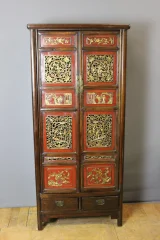
Antiquités Christophe Rochet — Villeurbanne
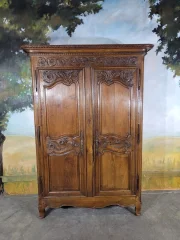
Antiquites d'Augers en Brie — Augers-en-Brie
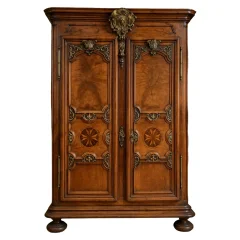
le village des brocanteurs 58 — Dun-les-Places
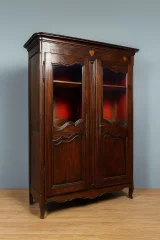
le village des brocanteurs 58 — Dun-les-Places
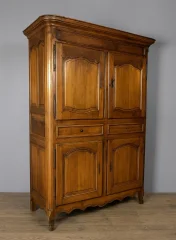
le village des brocanteurs 58 — Dun-les-Places
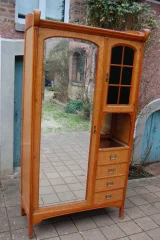
Antiquités Rousseau — Évry
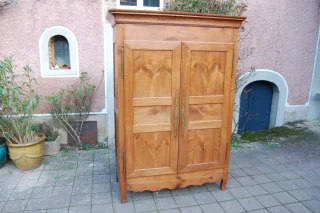
Antiquités Rousseau — Évry
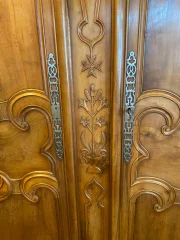
jean-pierre PERNOD — Bourg-en-Bresse
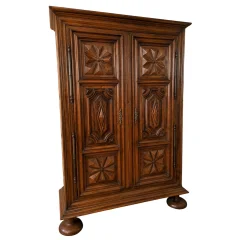
le village des brocanteurs 58 — Dun-les-Places
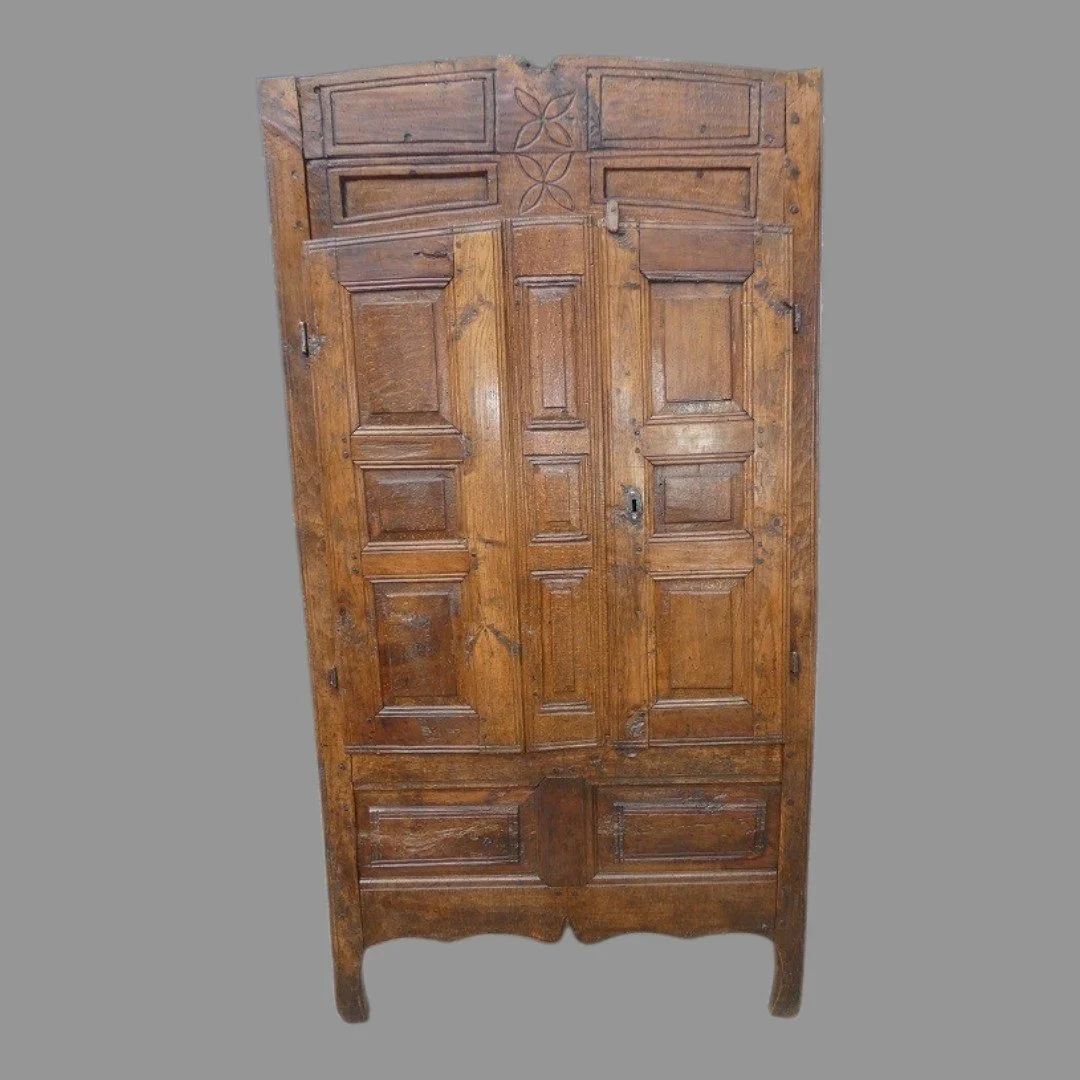
L'atelier De La Dorure — Calmont
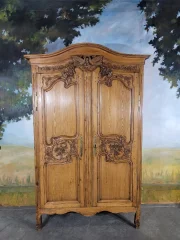
Antiquites d'Augers en Brie — Augers-en-Brie
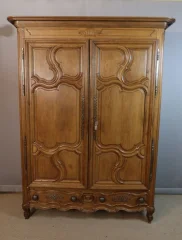
Philippe Cote Antiquites — Chauffailles
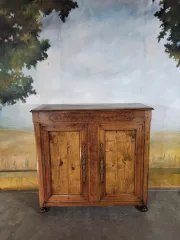
Antiquites d'Augers en Brie — Augers-en-Brie

Antiquites d'Augers en Brie — Augers-en-Brie

French-antiques.fr — Rouen
French-antiques.fr — Rouen
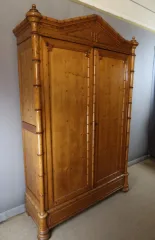
Philippe Cote Antiquites — Chauffailles
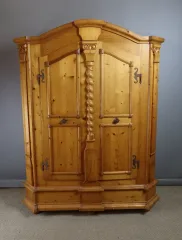
Philippe Cote Antiquites — Chauffailles
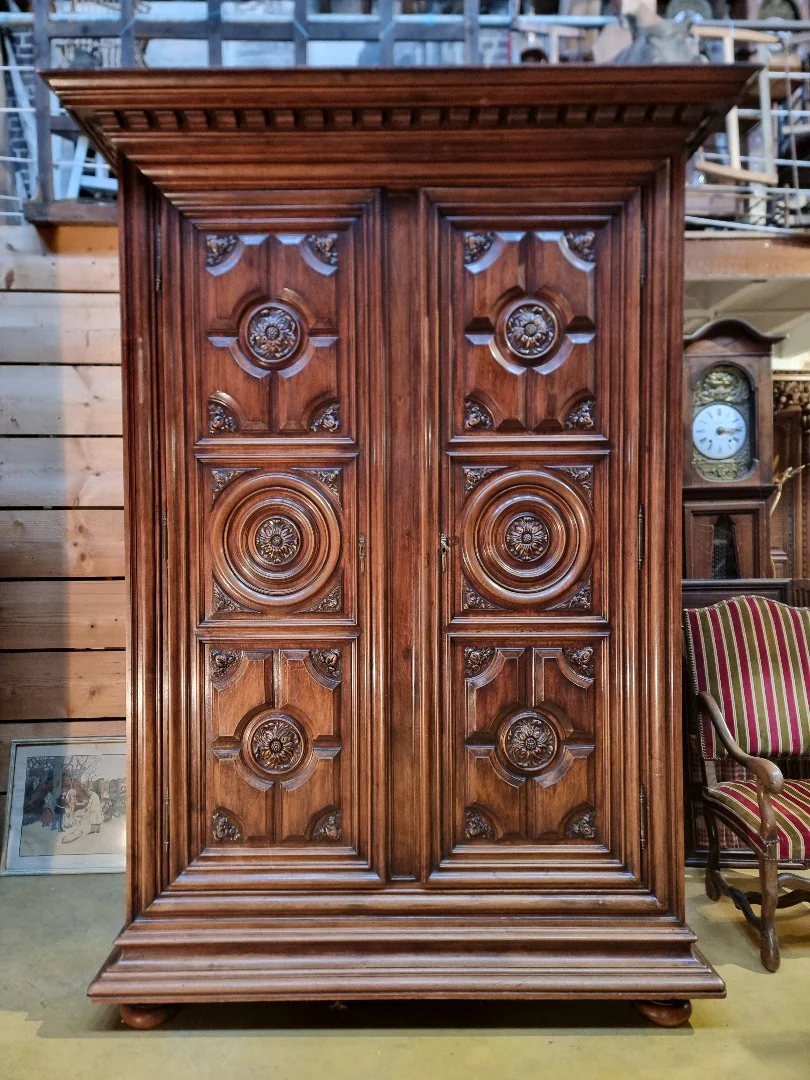
French-antiques.fr — Rouen
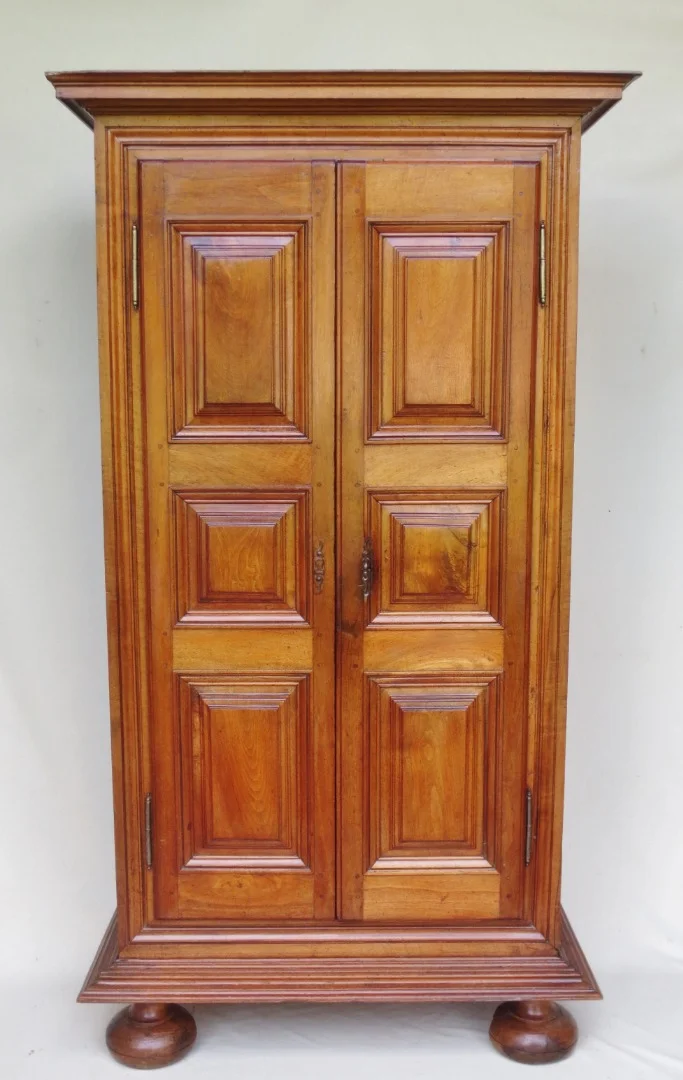
Anne Besnard — Saint-Ouen
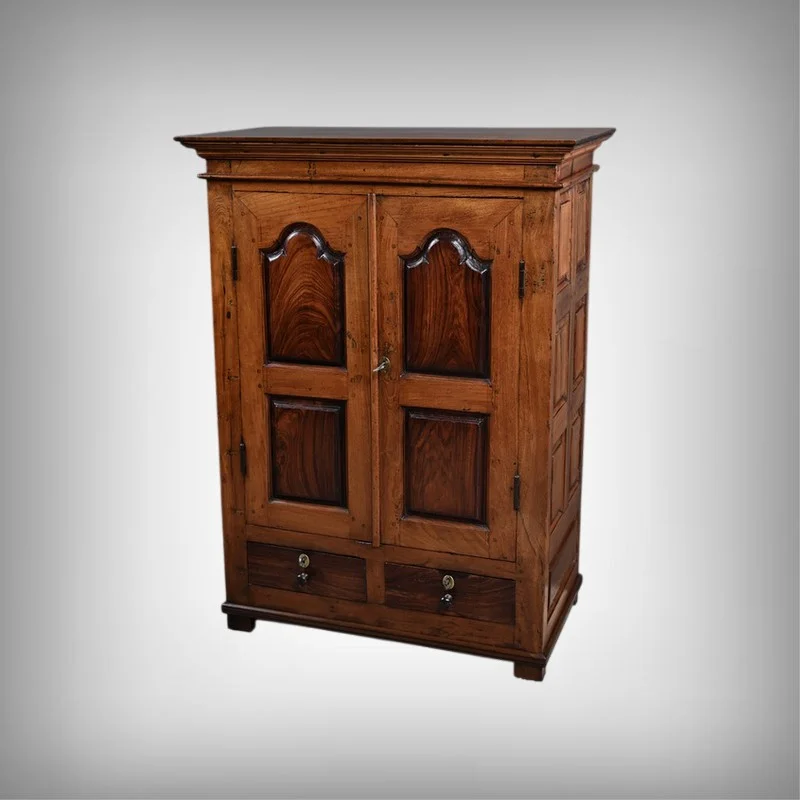
Antiquités Lecomte — Héric
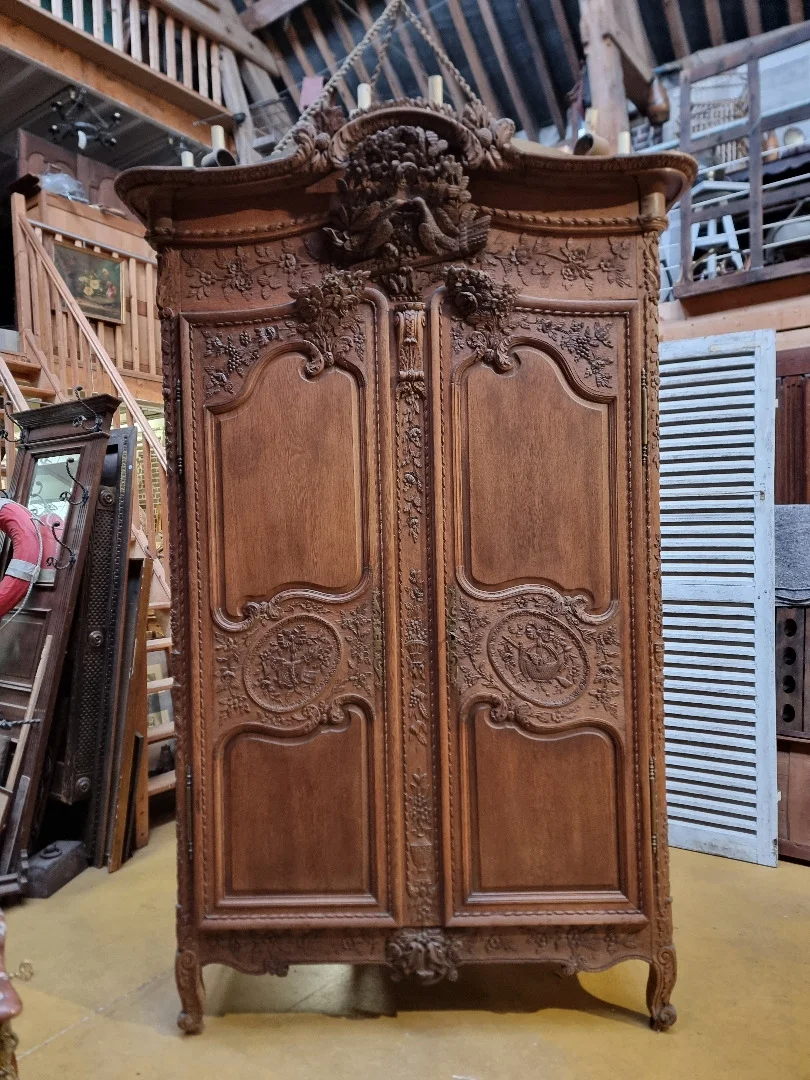
French-antiques.fr — Rouen
To authenticate an antique wardrobe, start with the construction: hand-cut mortise-and-tenon joints secured with wooden pegs, floating panels that are not glued, and visible hand-tool marks on the back faces of the timber are all hallmarks of genuine period craftsmanship. An authentic piece will show an even, consistent patina across every surface — including the inner stiles and the backs of any drawers. Be wary of suspiciously uniform colouring, which often signals a recent chemical strip.
The wood itself is a reliable guide: solid oak antique wardrobes dominate in northern and eastern France, walnut in the Centre and the South, cherry in Burgundy and the Île-de-France. Hardware — hinges, escutcheons, hooks — should be in wrought iron or cast bronze, never industrially stamped sheet metal. An original lock complete with its period key adds considerable value and is a strong indicator of integrity.
In terms of budget, a quality antique wardrobe in good condition typically ranges from around £700 to £2,500 for a handsome regional example in oak or walnut, and can exceed £5,000 for a richly carved piece with documented provenance. Always check the condition of the feet (frequently replaced), the alignment of the doors and the integrity of the mouldings. Sympathetic period restorations do not diminish value; wholesale panel replacements do.
On Antiquités en France, every Norman antique wardrobe or provincial armoire is listed by a professional dealer who can supply precise dimensions, detailed photographs and the history of the piece. Explore our selection of pine antique wardrobes for more accessible options, and contact the dealer directly to discuss condition, negotiation or specialist furniture delivery.