
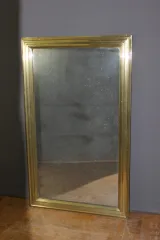
Brass Bistro Mirror And 19th Century Mercury Mirror
Antiquités Christophe Rochet — Villeurbanne
1 380,00 €
49 objects found
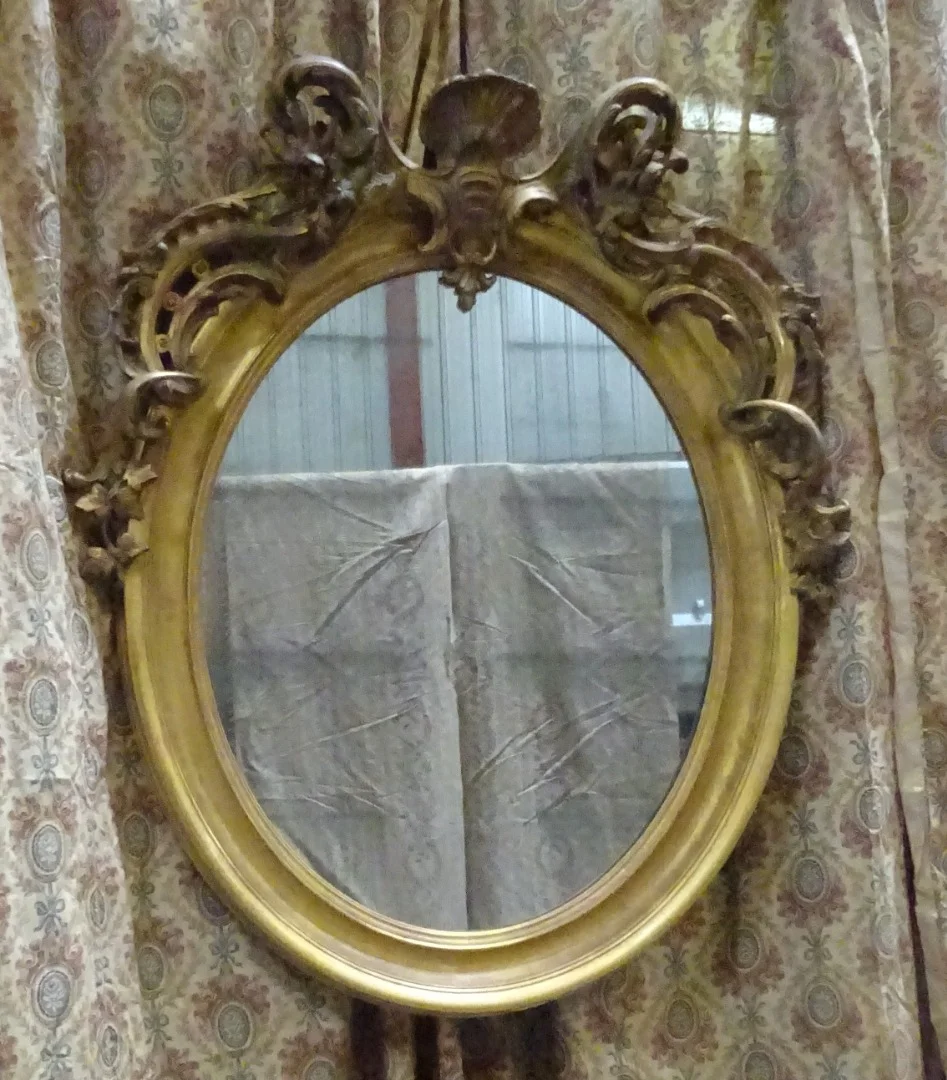
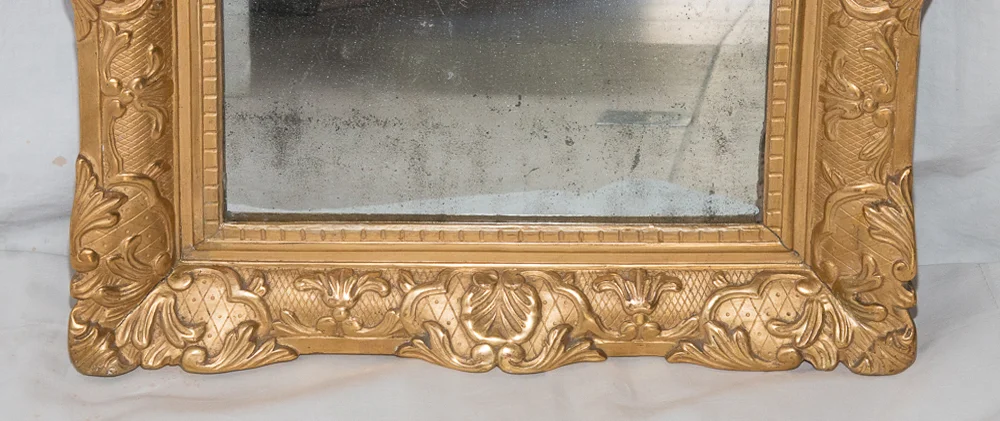
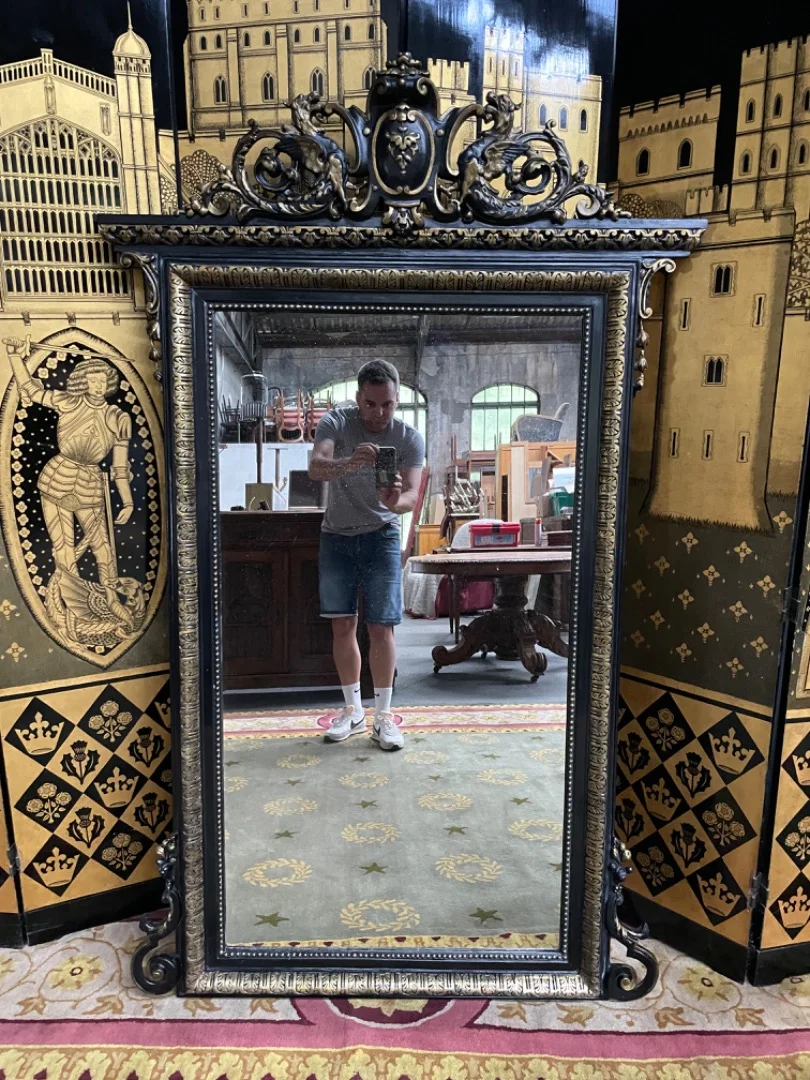
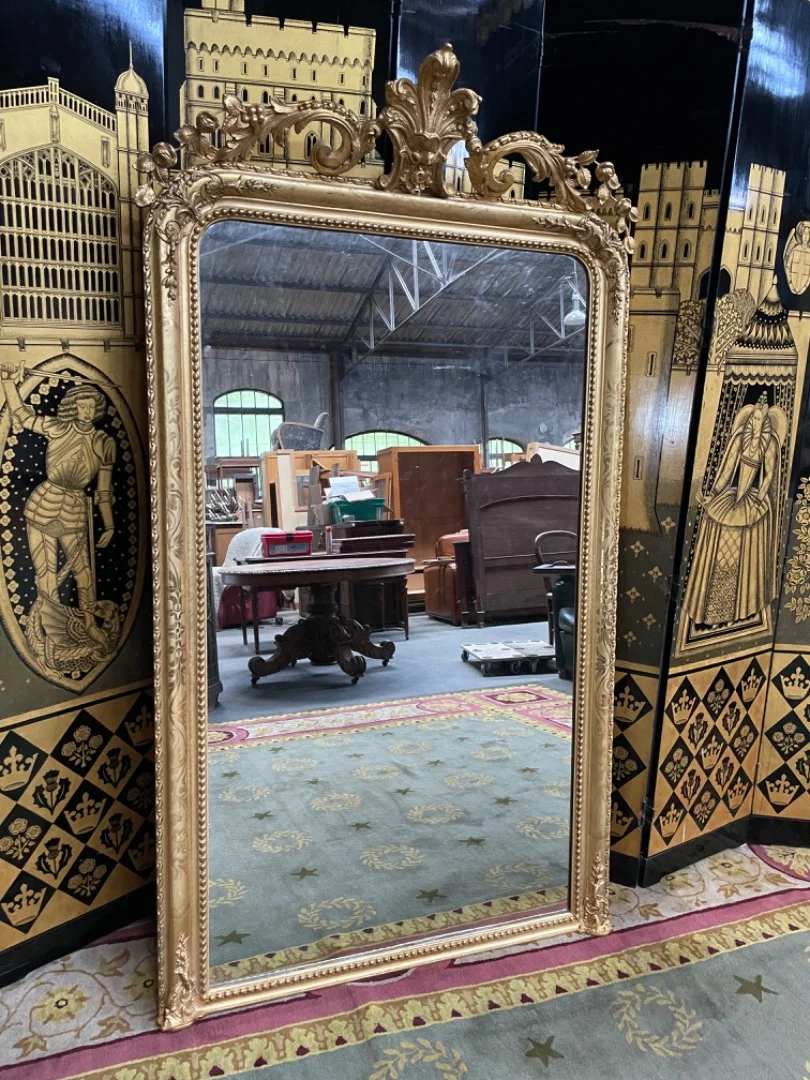
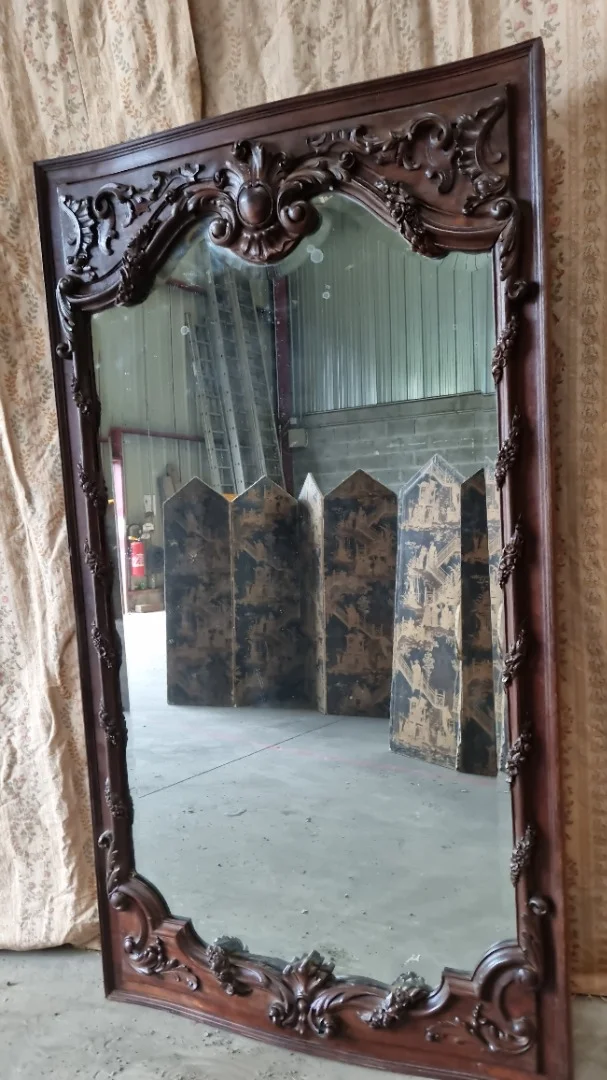
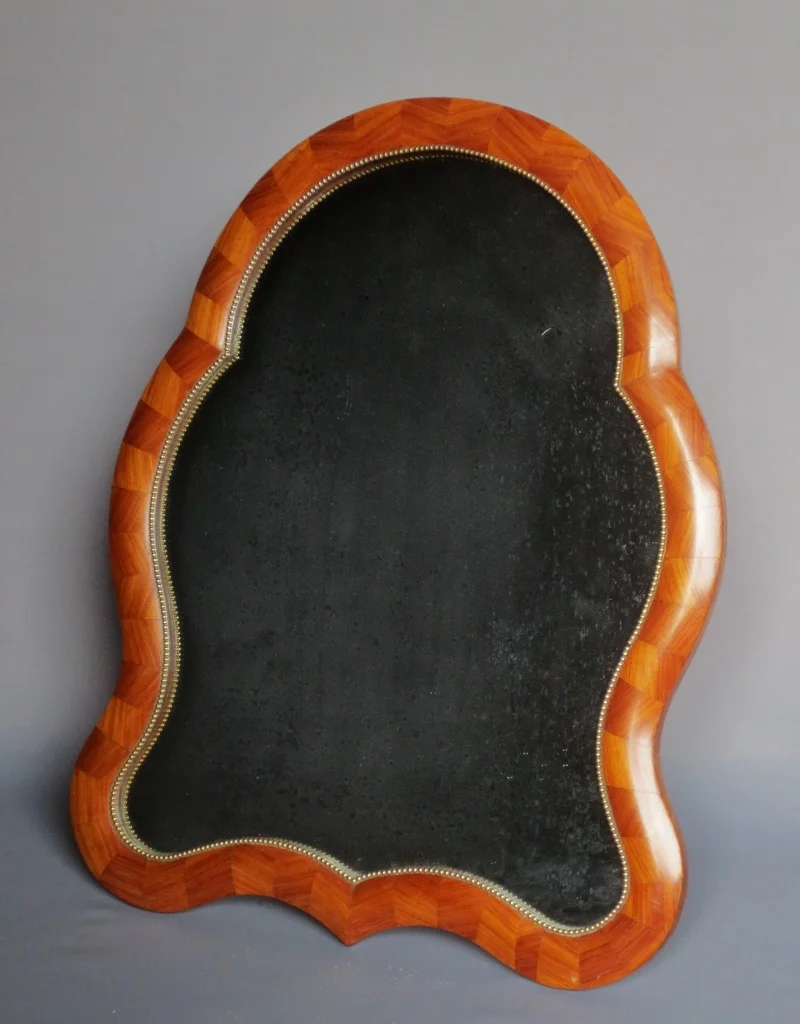
The antique mercury mirror is among the most sought-after pieces in the decorative arts market. Produced until the late 19th century, its backing — a hand-applied alloy of tin and mercury — gives the glass a subtly warm, slightly veiled reflection that no modern silvering can replicate. These mirrors appear across all the great French decorative styles: antique mirrors with Louis XV carved giltwood frames, Empire pier glasses with column mounts, and grand Napoleon III overmantel mirrors in gilded stucco.
Quality is judged by the integrity of the original mercury backing, the refinement of the frame, and the stylistic coherence of the piece as a whole.
49 objects found
Antiquités Christophe Rochet — Villeurbanne
L'atelier De La Dorure — Calmont
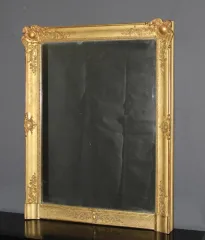
Antiquités Christophe Rochet — Villeurbanne
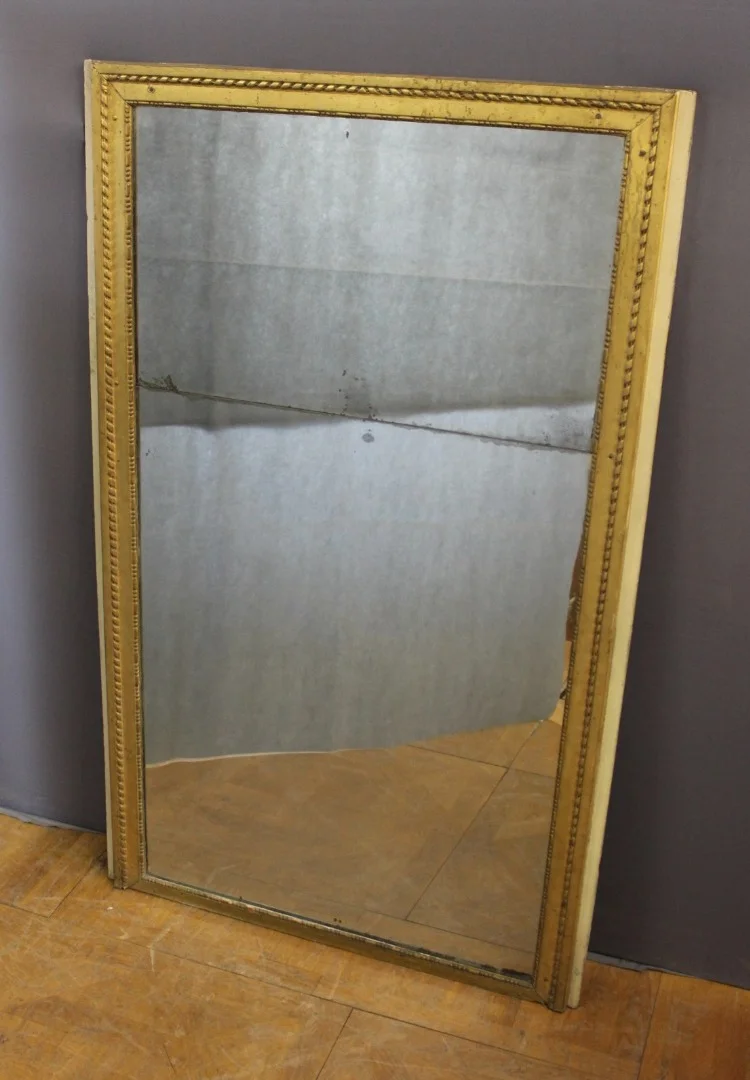
Antiquités Christophe Rochet — Villeurbanne
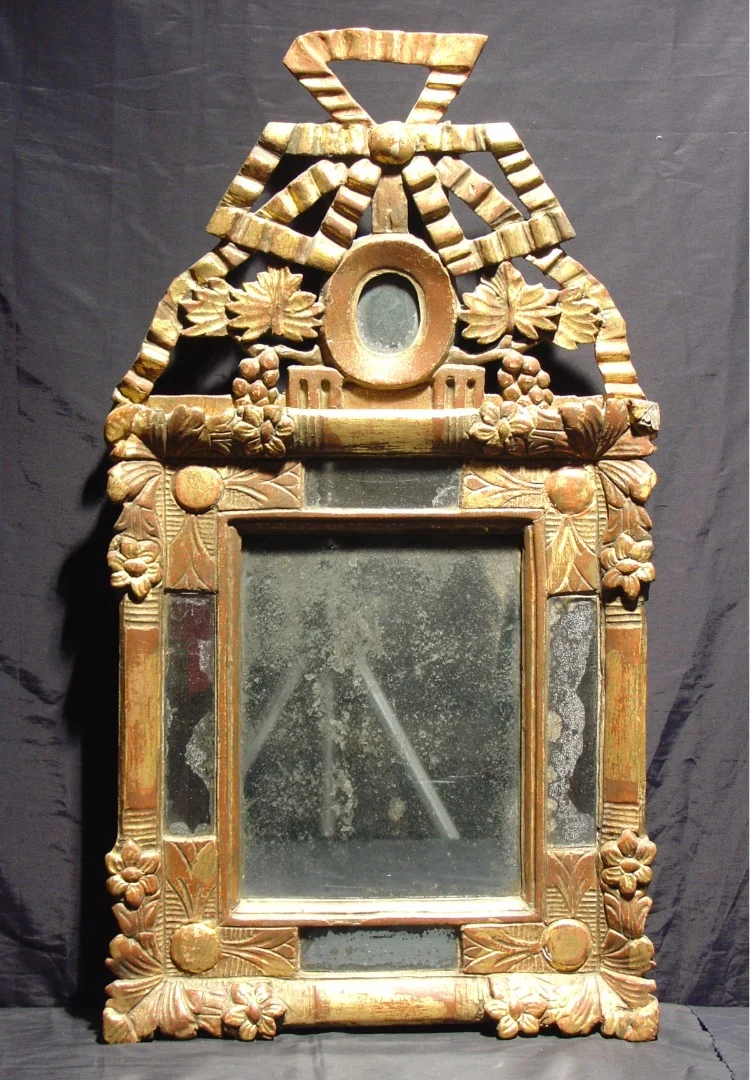
Antiques Provence — Cheval-Blanc
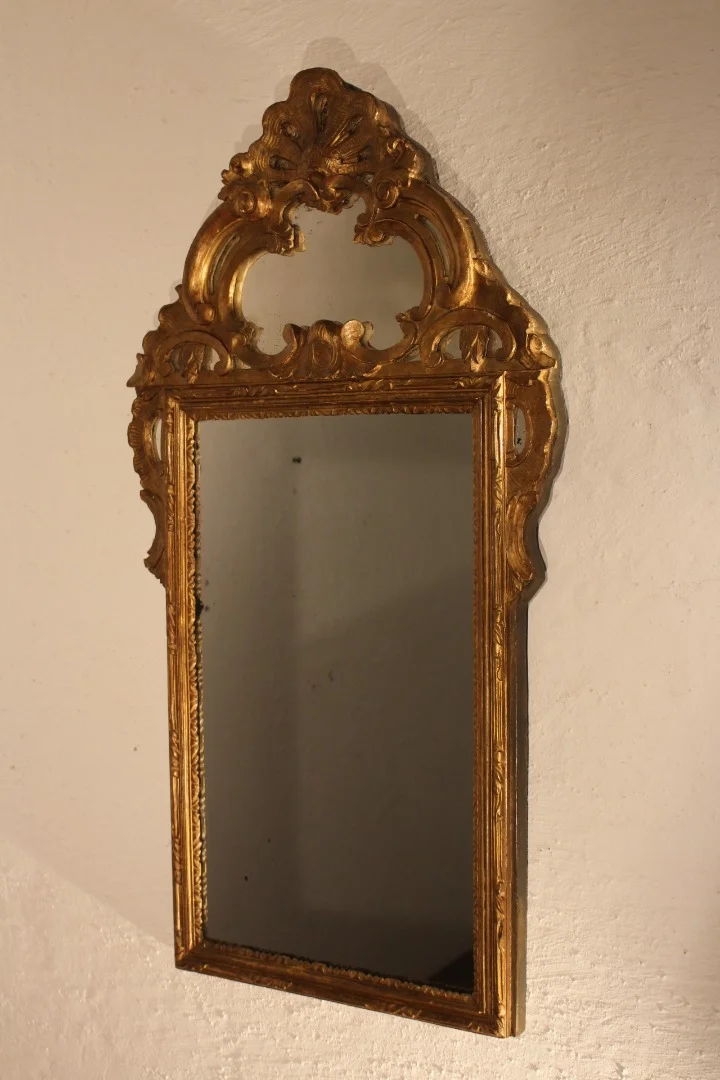
Au Réveil Du Temps — Saint-Nabord
L’ESTAMPILLE — Navilly
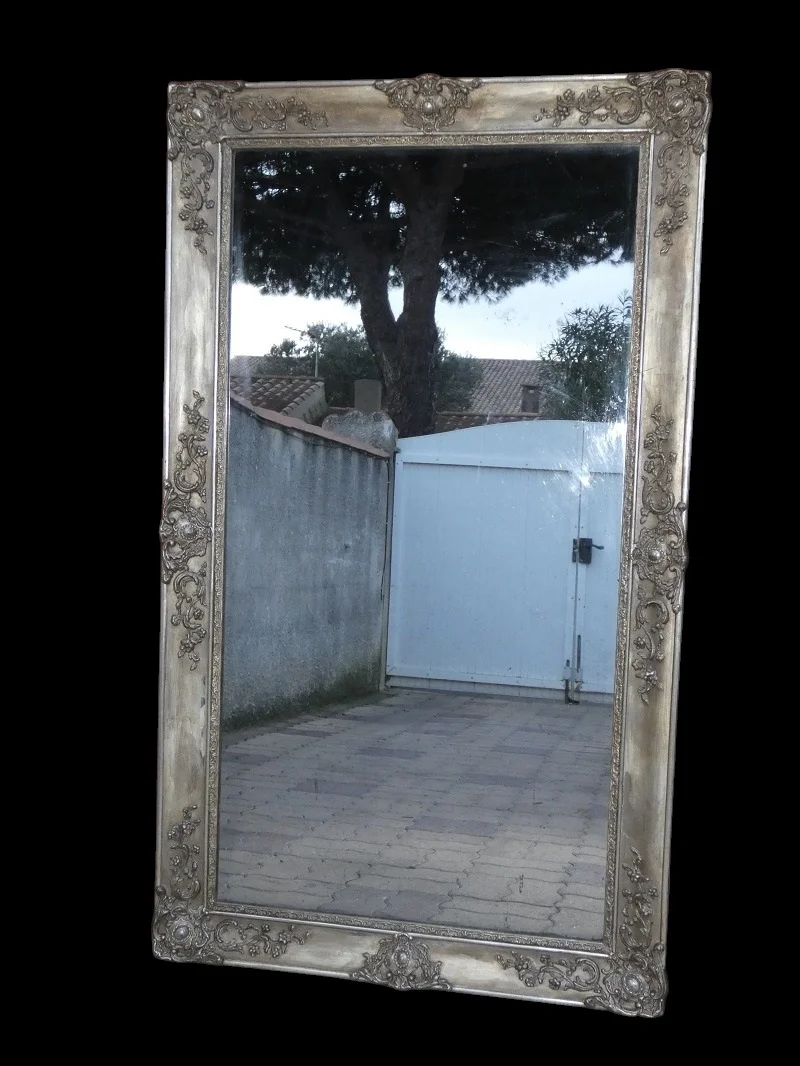
L'atelier De La Dorure — Calmont
L’ESTAMPILLE — Navilly
Antiquités Lecomte — Héric
L’ESTAMPILLE — Navilly
Ecritoire Antiquites Poidras jean-luc — Vertou
la caleche caennaise — Mondeville
Anne Besnard — Saint-Ouen
L'atelier De La Dorure — Calmont
Galerie Lauretta — Mandelieu-la-Napoule
Antiquités Christophe Rochet — Villeurbanne
Galerie Lauretta — Mandelieu-la-Napoule
L’ESTAMPILLE — Navilly
L’ESTAMPILLE — Navilly
Ecritoire Antiquites Poidras jean-luc — Vertou
Sarl Cave — Limoges
Sarl Cave — Limoges
Anne Besnard — Saint-Ouen
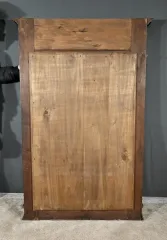
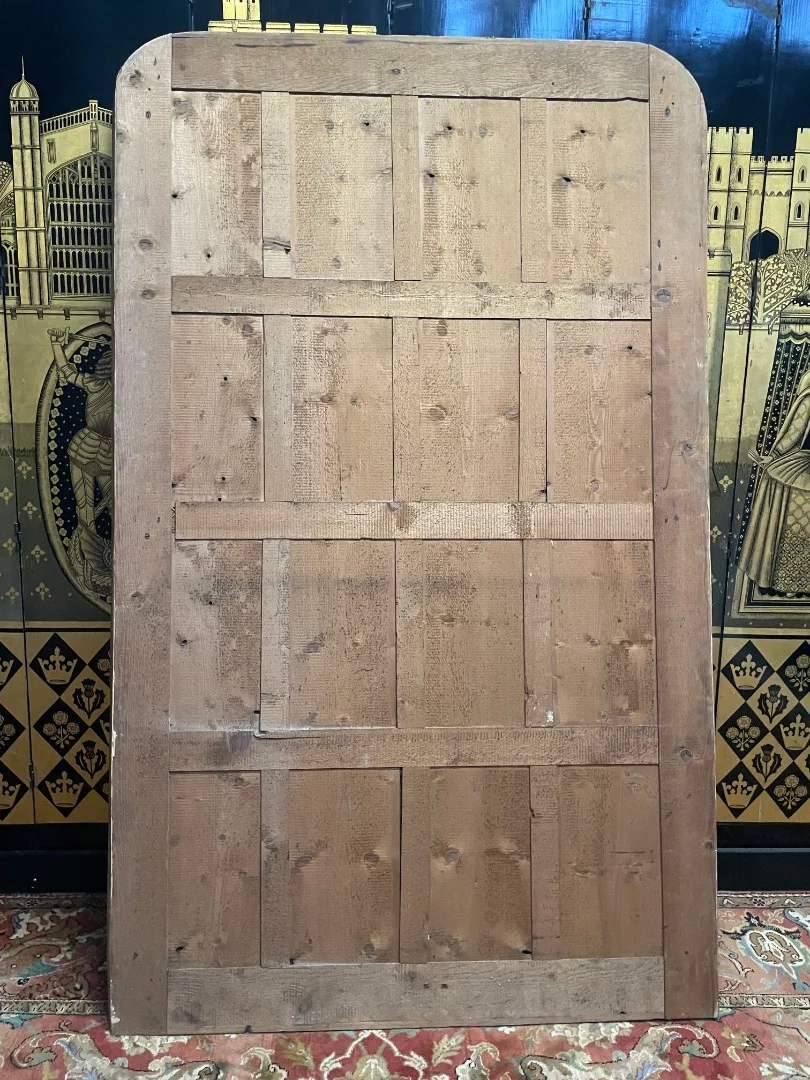
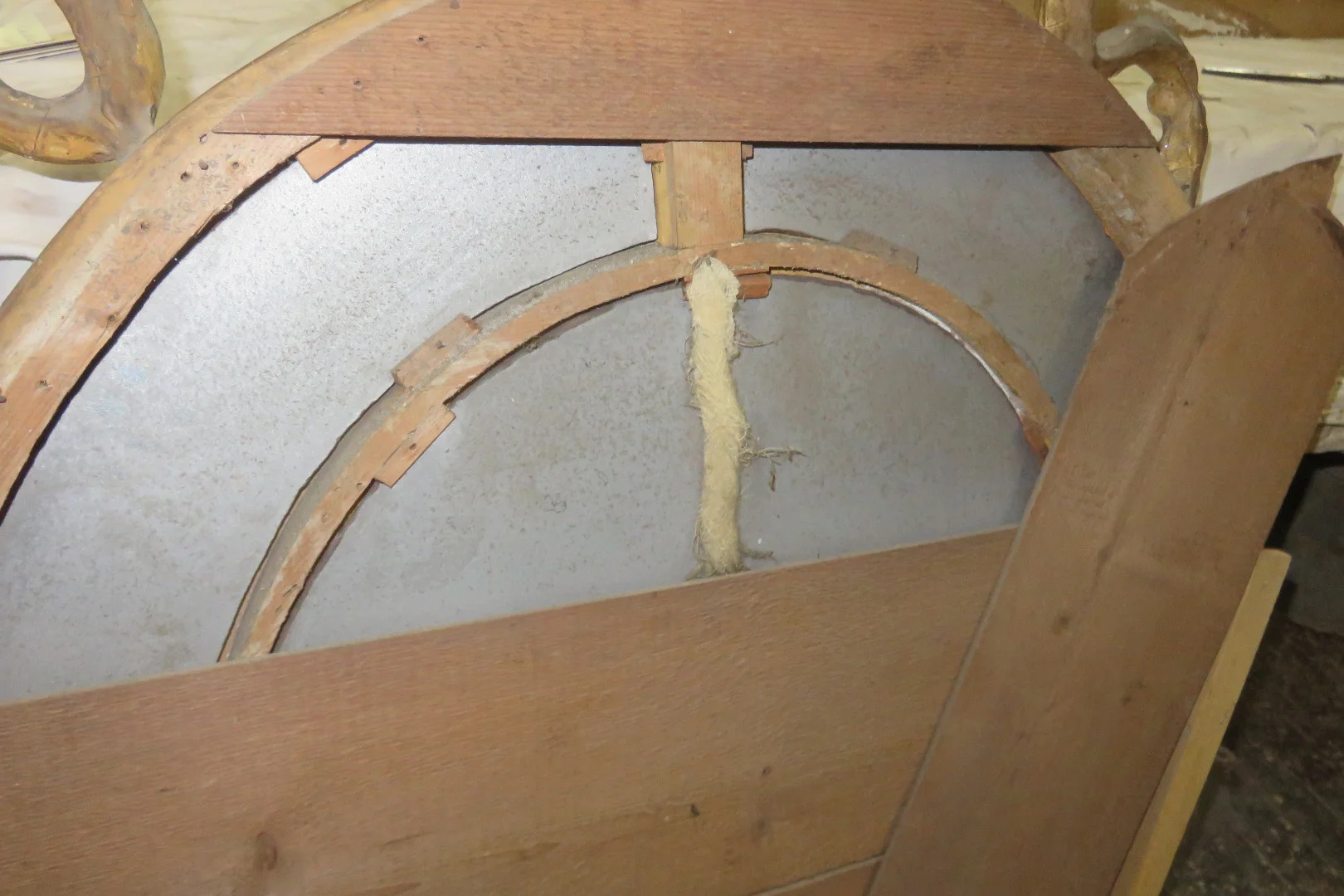
Identifying an authentic antique mercury mirror requires a few reliable benchmarks. The first is visual: mercury-backed glass produces a slightly amber or grey-toned reflection, often accompanied by small peripheral oxidation spots known as foxing. Far from being a fatal flaw, these imperfections are a hallmark of age and genuine period manufacture. A backing that appears too uniform and bright almost always indicates a modern replacement using silver nitrate. Turn the mirror over: the irregular thickness of hand-blown or hand-cast glass is another strong indicator of authenticity.
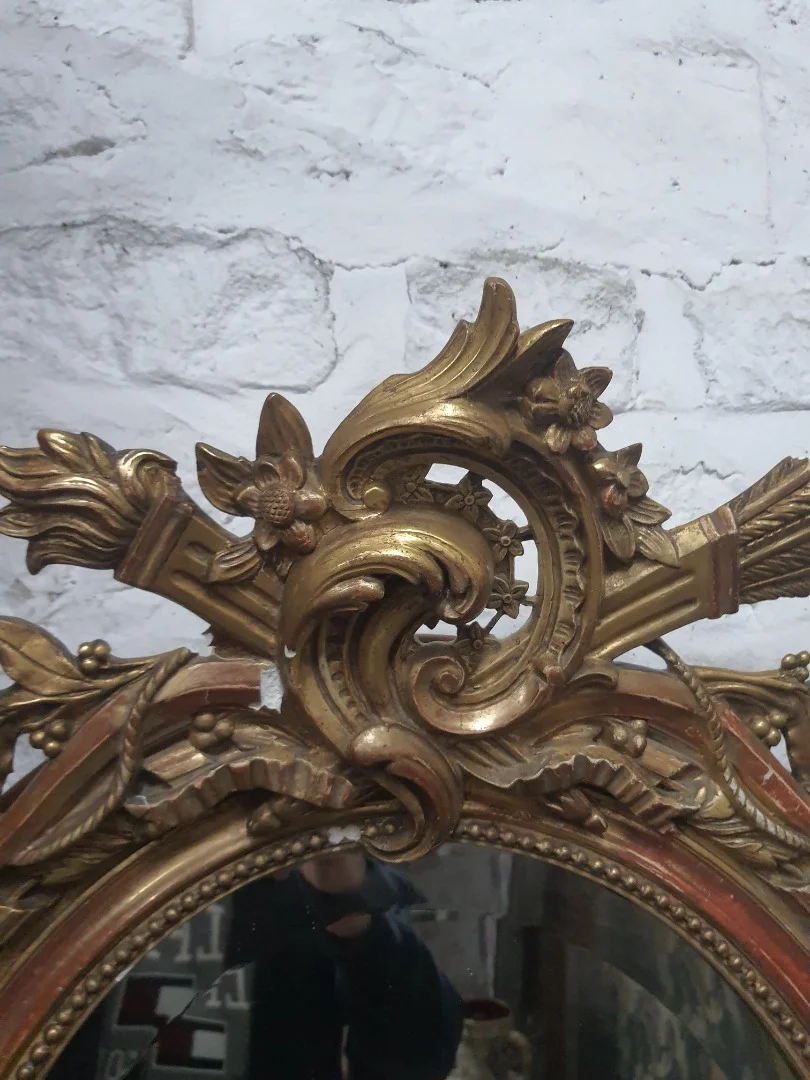
Examine the frame closely. Genuine water gilding — applied over a red Armenian bole ground — shows a subtle surface irregularity absent from paint gilding, and worn areas will reveal that characteristic warm red beneath. Water-gilded period frames from the 18th and 19th centuries are a mark of quality in their own right. Check that the frame style is consistent with the claimed period: a Louis XVI frame will feature fluted pilasters and pearl-bead friezes, while a Napoleon III frame favours scrolling acanthus and stucco cartouches.
On the question of budget, a small mercury mirror in good period condition can be found from a few hundred pounds or euros upwards; a large Louis XV or Napoleon III chimneypiece glass with its original backing intact and a fine gilt frame can reach several thousand. The condition of the mercury backing is the single most important value factor — heavy foxing or large areas of detachment reduce the price significantly, unless the piece has exceptional stylistic merit. You may also wish to explore our selection of antique bevelled mirrors for Belle Époque pieces with hand-cut bevels.
On Antiquités en France, every antique mercury mirror is offered by a verified professional dealer who can provide detailed photographs of the backing, precise dimensions and provenance information. Contact the seller directly for any questions about authenticity or specialist secure shipping.