
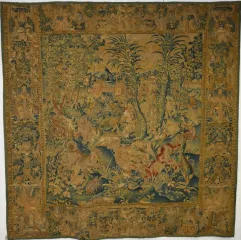
FLANDERS TAPESTRY
Espace Tapisseries Aubusson - La Galerie Dor — Aubusson
13 000,00 €
Fair condition
7 objects found
Antiques from the 16th century and earlier represent the pinnacle of rarity on the fine art and antiques market: carved oak chests, Gothic carved wood sculptures in polychrome or stone, hispano-moresque faience, illuminated manuscripts and liturgical silverware all bear witness to a vanished mastery. The French Renaissance (c. 1490–1610) introduced classical motifs — pilasters, rinceaux, mascarons — onto solid walnut furniture, while the medieval period bequeaths pieces of striking austerity and spiritual intensity.
These works carry an unmatched historical presence, appealing equally to seasoned collectors and institutions seeking to root their interiors in authentic history.
7 objects found
Espace Tapisseries Aubusson - La Galerie Dor — Aubusson

Antiquités Christophe Rochet — Villeurbanne
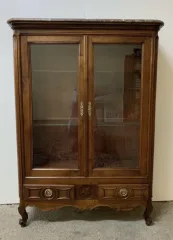
2R Antiquites — Caluire-et-Cuire

Au Réveil Du Temps — Saint-Nabord
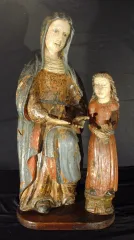
Antiques Provence — Cheval-Blanc

Sarl Cave — Limoges
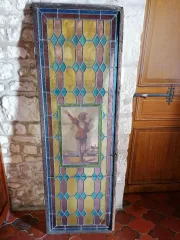
La légende des siècles — Chaillé-les-Marais
Authenticating a piece from the 16th century or earlier demands a careful reading of materials and construction techniques. On a Renaissance carved walnut chest, look for pegged mortise-and-tenon joints, hand-tool marks on unexposed back panels, and a deep, uneven patina that no artificial ageing can convincingly replicate. Hand-forged iron hardware — slightly irregular and asymmetric — is a reliable indicator of genuine age. For Gothic sculpture, original polychromy (even partial) and gilded highlights applied in gold leaf are precious clues; a stratigraphic paint analysis can resolve any remaining doubt.
In terms of budget, popular devotional objects — small wooden statuettes, minor reliquaries — can be found from a few hundred pounds or euros. Quality Renaissance furniture typically starts between €2,000 and €8,000, while a monumental Gothic sculpture or a piece of liturgical goldsmithery can reach several tens of thousands. Documented provenance — an old inventory, an ecclesiastical collection, a referenced auction record — is decisive for value and should always be requested.
Always assess the coherence of any restorations: a 16th-century piece may legitimately have been consolidated over the centuries, but later additions (replaced panels, rebuilt feet) must be declared and clearly legible. A professional antique dealer will provide a detailed invoice valid for export and insurance purposes. To broaden your search into adjacent periods, explore 17th century antiques or the celebrated collections of 18th century furniture and decorative arts.
On Antiquités en France, every piece from the 16th century and earlier is offered by a verified professional dealer able to supply high-resolution photographs, condition reports and, where appropriate, independent expert assessments. Contact the dealer directly for any questions on provenance or the secure shipping of these exceptional works.