
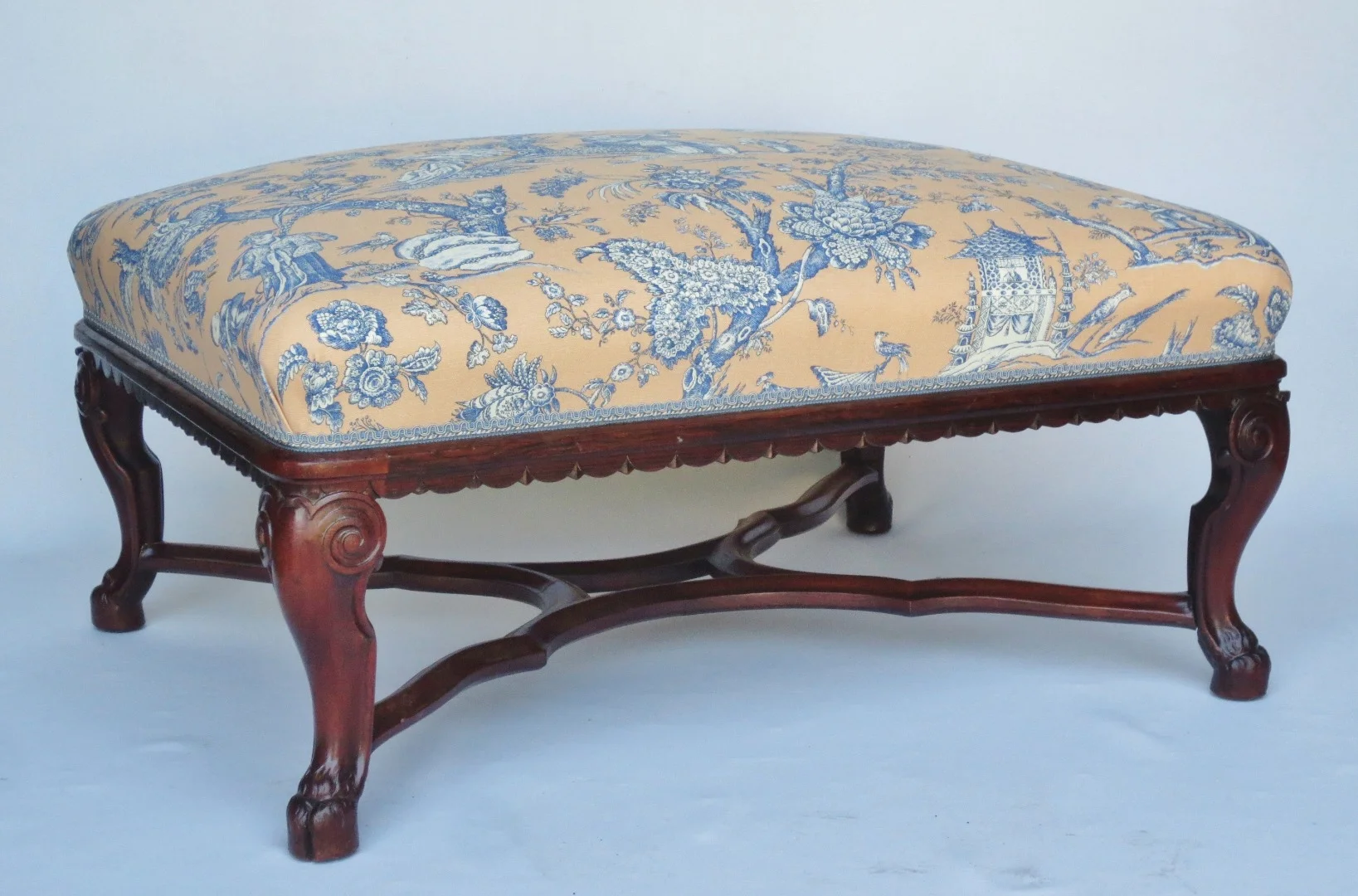
FRENCH REGENCY STYLE BENCH.
Anne Besnard — Saint-Ouen
1 900,00 €
94 objects found
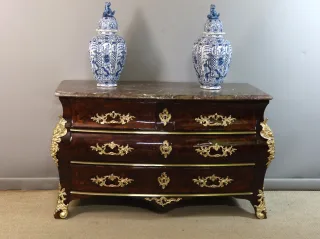
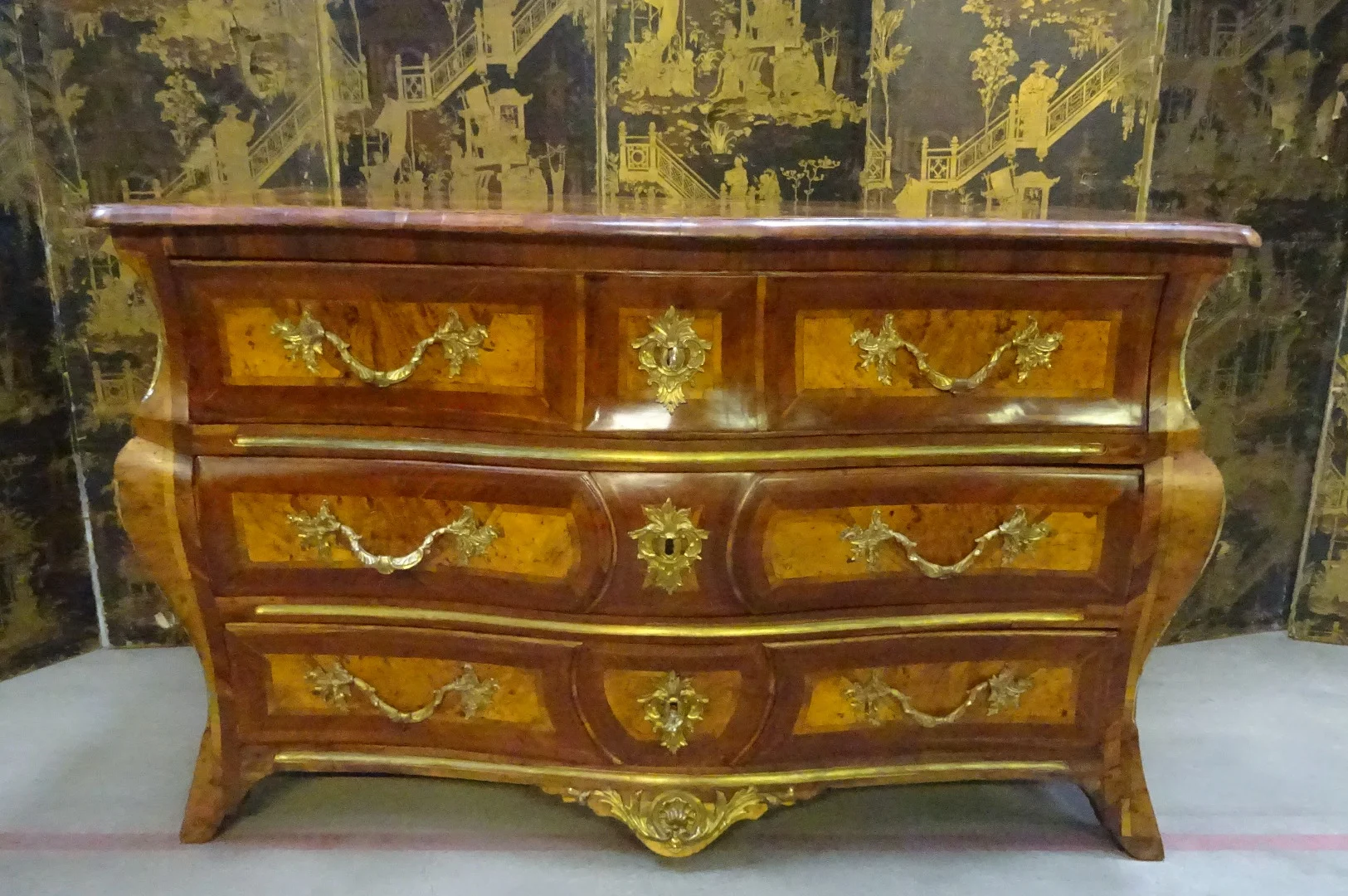
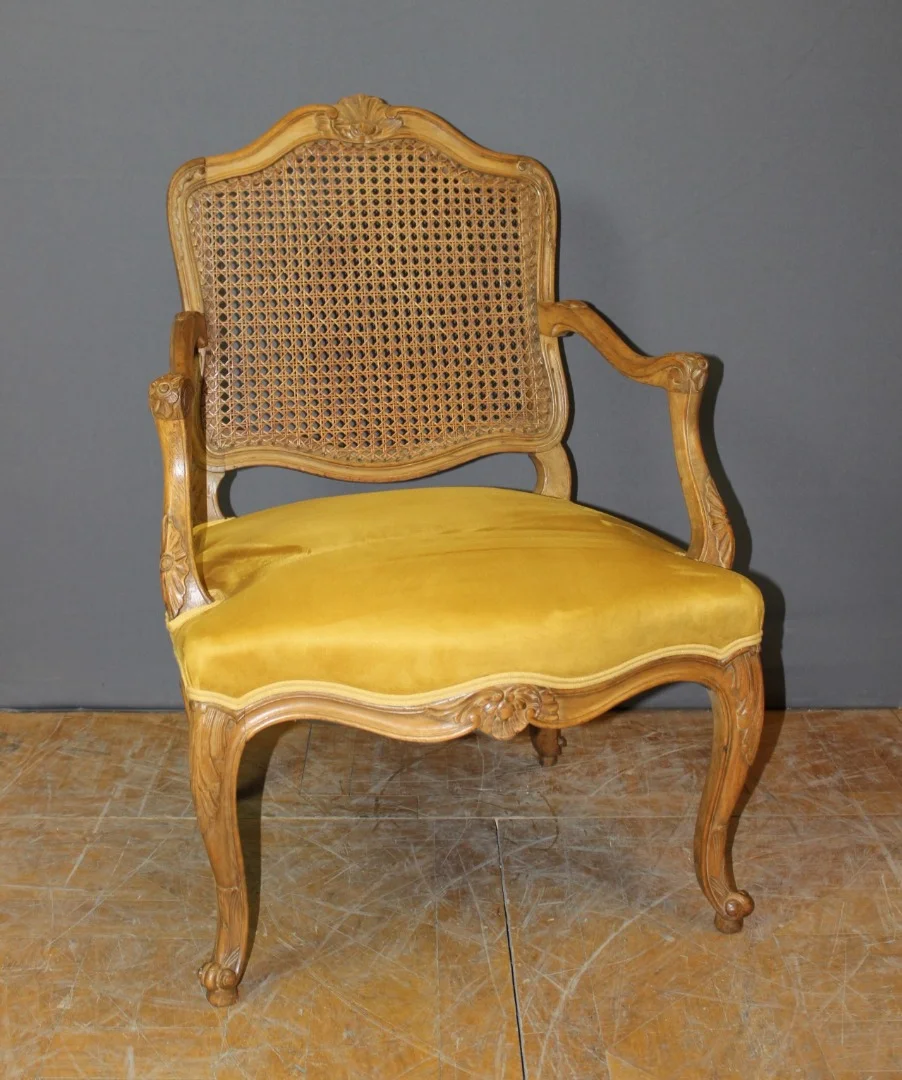
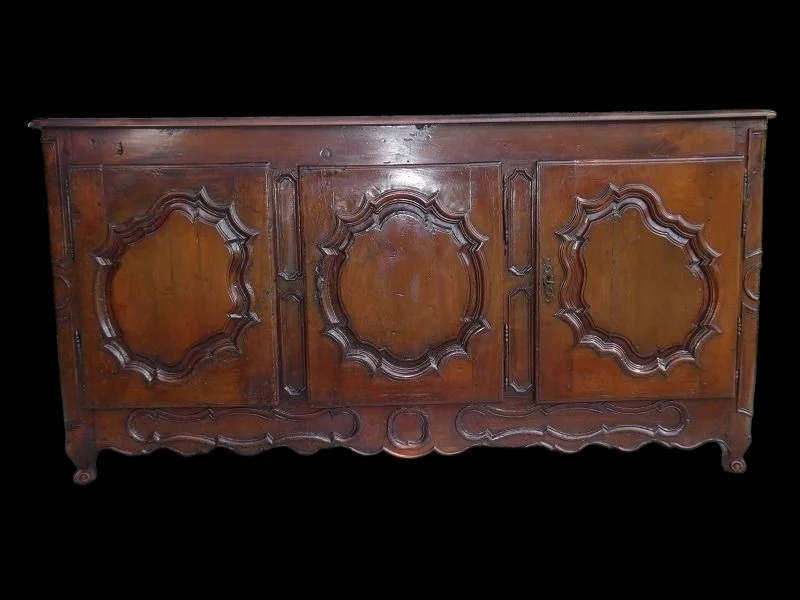
Emerging between 1715 and 1723 during the regency of Philippe d'Orléans, the Régence style marks a pivotal transition between the grandeur of Louis XIV and the lightness of the Rococo. It abandons rigid symmetry in favour of gentle curves, shell-carved ornament and finely chased gilt bronzes of a quality rarely matched — most famously by the master ébéniste Charles Cressent. Régence furniture is immediately recognisable by its cabriole legs, shaped aprons and veneers of walnut, oak or Cuban mahogany enriched with mercury-gilded mounts.
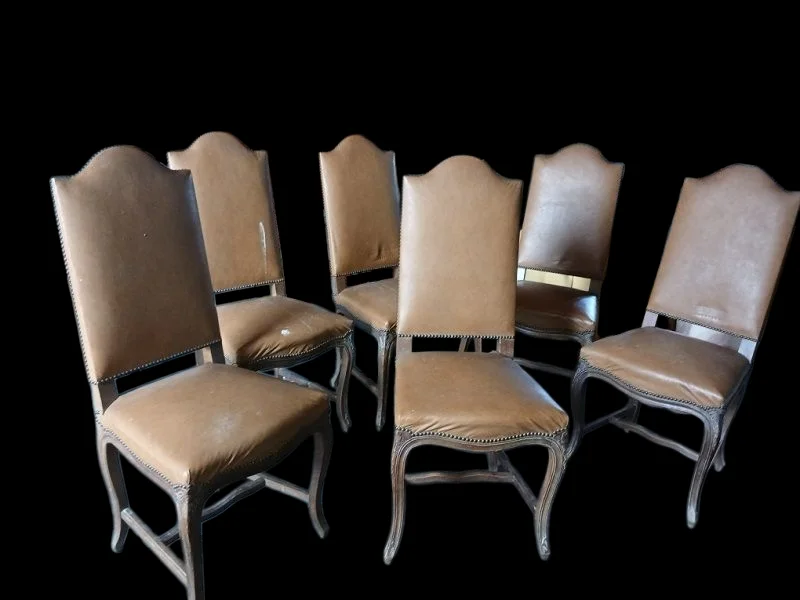
Less codified than the styles that followed, Régence offers remarkable variety: bombe commodes, flat-backed armchairs, sculpted consoles and fine interior boiseries — making it one of the most rewarding areas of early French decorative arts to collect.
94 objects found
Anne Besnard — Saint-Ouen
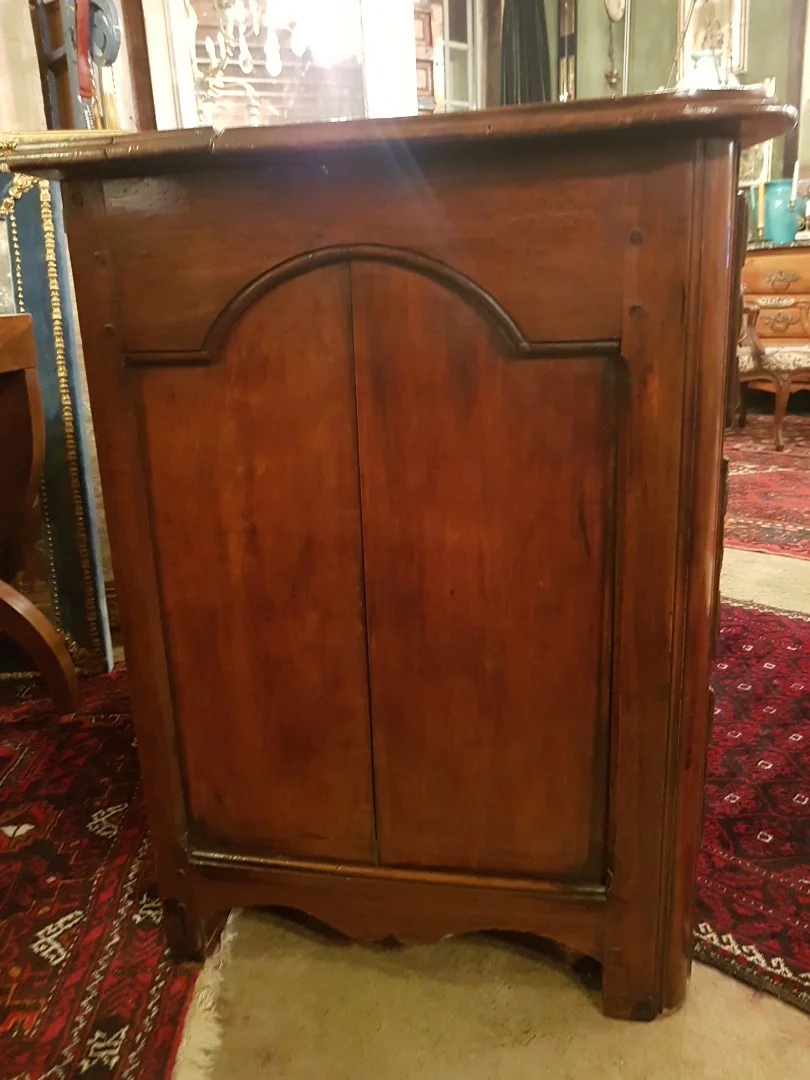
FRANZINI-HEINEN
jean-pierre PERNOD — Bourg-en-Bresse
L'atelier De La Dorure — Calmont
Philippe Cote Antiquites — Chauffailles

Antiquités Christophe Rochet — Villeurbanne
Ecritoire Antiquites Poidras jean-luc — Vertou

Antiques Provence — Cheval-Blanc
Galerie Lauretta — Mandelieu-la-Napoule
L'atelier De La Dorure — Calmont
Antiquités Christophe Rochet — Villeurbanne
L'atelier De La Dorure — Calmont
Philippe Cote Antiquites — Chauffailles

L'atelier De La Dorure — Calmont

L'atelier De La Dorure — Calmont
L’ESTAMPILLE — Navilly
Philippe Cote Antiquites — Chauffailles

L’ESTAMPILLE — Navilly
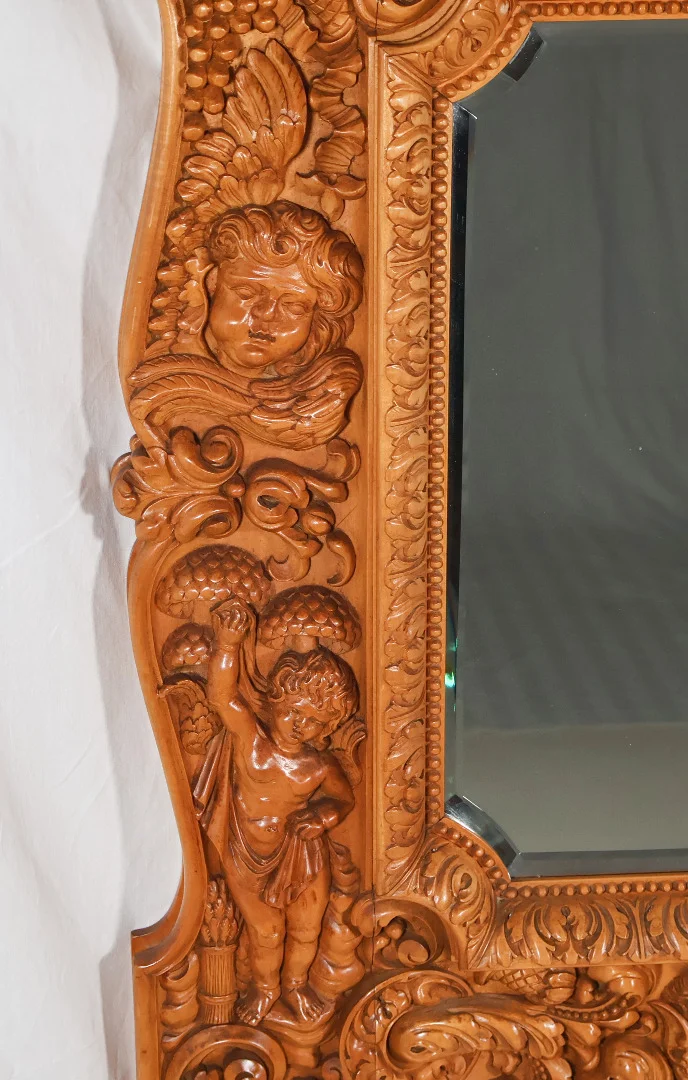
Galerie Lauretta — Mandelieu-la-Napoule
L’ESTAMPILLE — Navilly
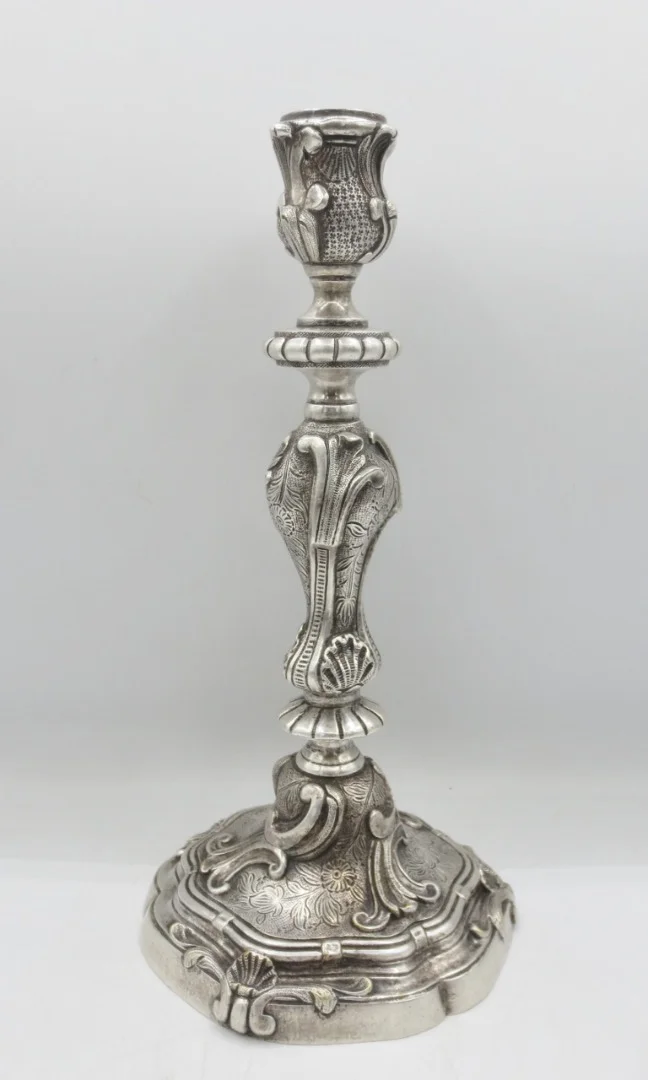
Anne Besnard — Saint-Ouen

Eric Saget — Paris
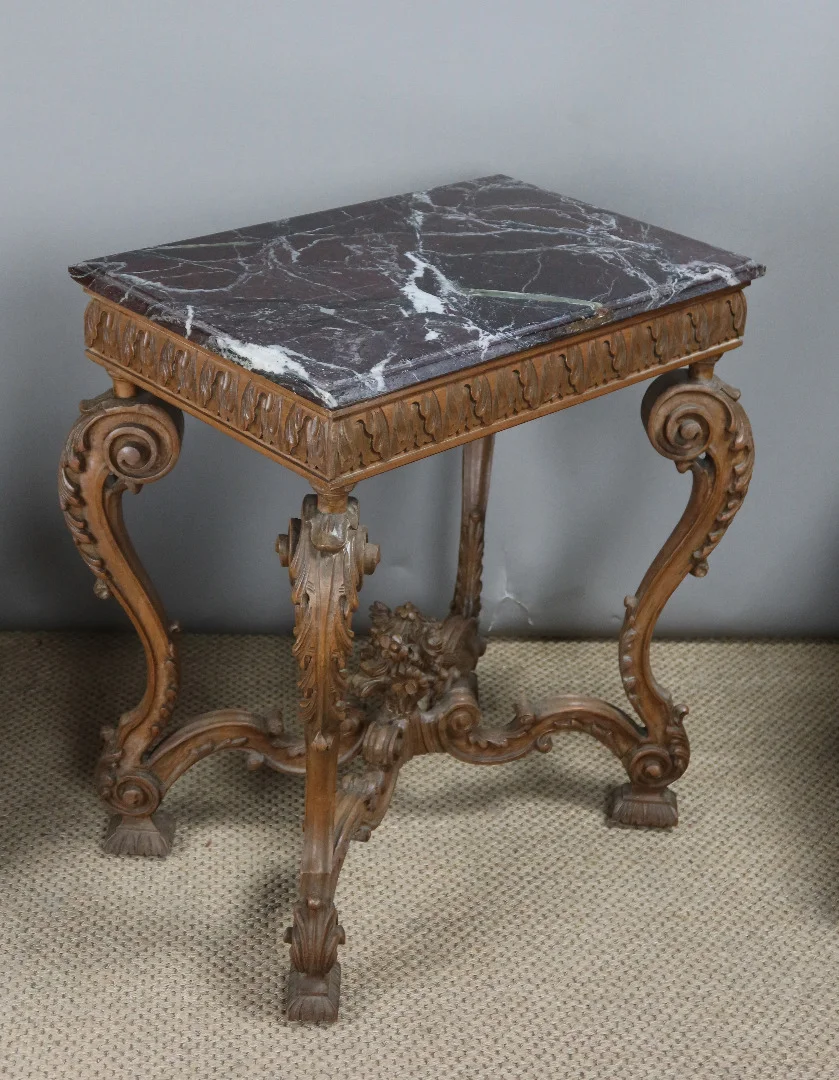
Philippe Cote Antiquites — Chauffailles
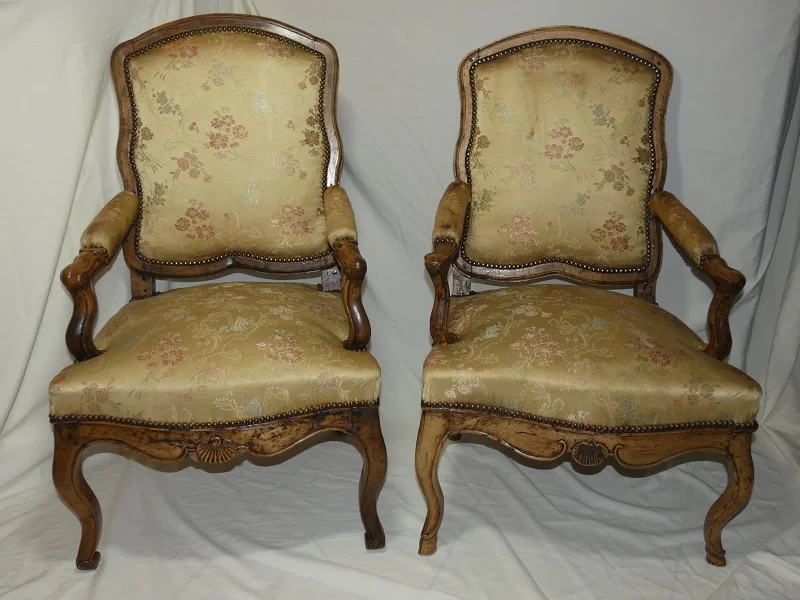
L'atelier De La Dorure — Calmont
Authenticating a piece of Régence furniture begins with the bronzes. Original mercury-gilded mounts display a warm, matte, deep gold entirely distinct from the bright mechanical gilding applied during 19th-century restorations. Handles, escutcheons and sabots should show consistent wear patterns that align with the patina of the surrounding wood. On the finest Régence commodes, veneers are laid in parquetry leaves of walnut or mahogany, with crisp joints and an even, honey-toned patina across all surfaces.
An ébéniste's stamp — Cressent, Doirat, Gaudreau — or a marchand-mercier's seal adds considerably to both provenance and value. Where no stamp is present, documented history such as a probate inventory or a named private collection provides a compelling alternative. Always check replaced feet or reapplied bronzes: mismatched fixing marks and inconsistent patinas between wood and metal are reliable warning signs.
In terms of budget, a good Régence caned armchair in sound condition typically ranges from £700 to £2,500, while a stamped bombe commode with original mounts can command £5,000 to £25,000 or more at auction. Period boiseries and panelling, scarcer on the open market, can reach significant sums depending on provenance. Collectors drawn to this transitional moment often explore the Empire style for a later expression of French grandeur, or look back to the Haute Époque tradition from which Régence so elegantly broke free.
Every piece of Régence furniture on Antiquités en France is offered by a verified professional dealer who can supply detailed photographs, precise dimensions and the full history of the object. Contact the dealer directly to request a condition report or restoration record before committing to a purchase — it is the surest way to buy with complete confidence.