
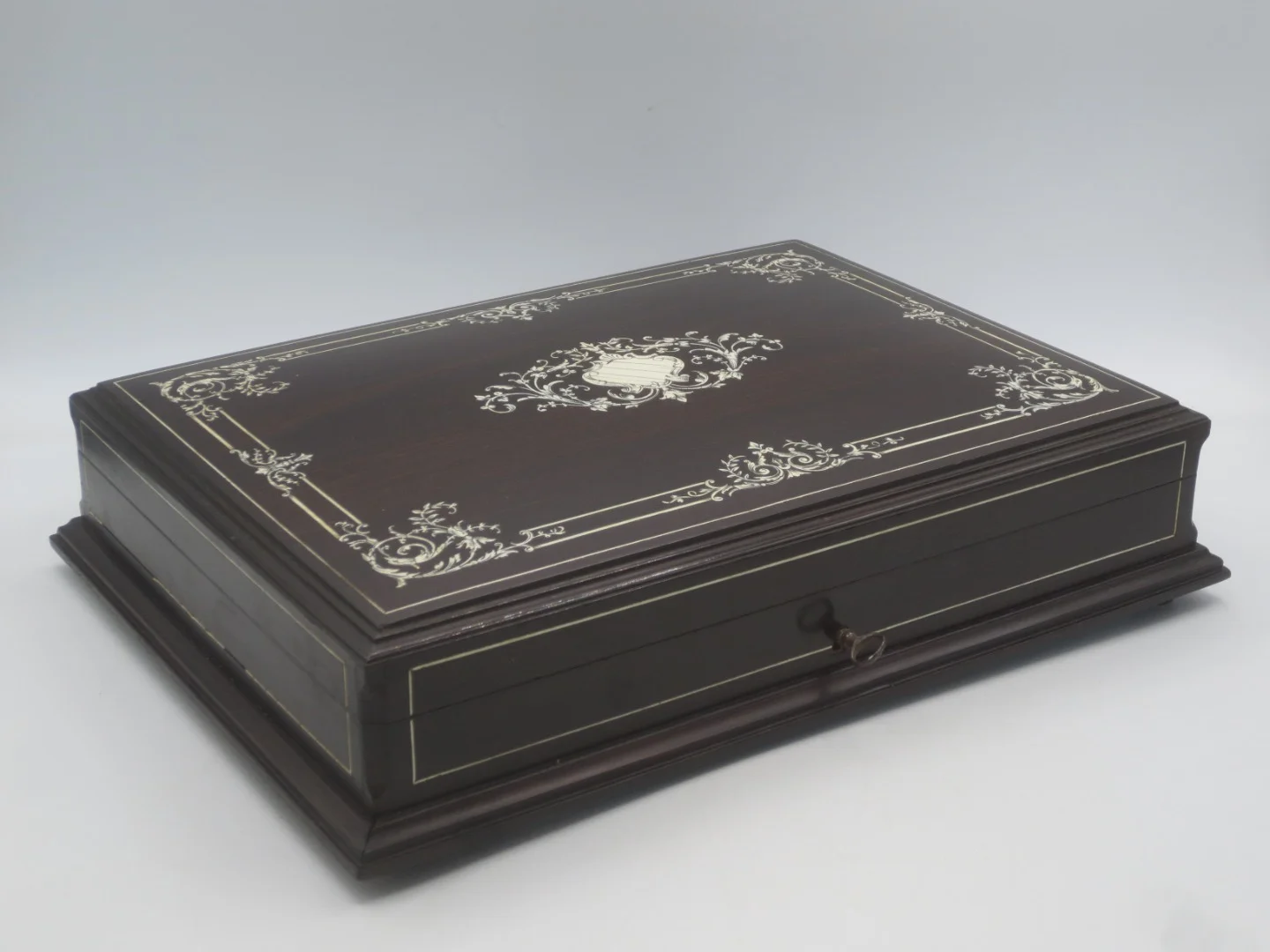
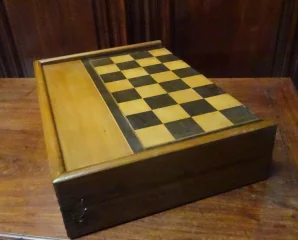
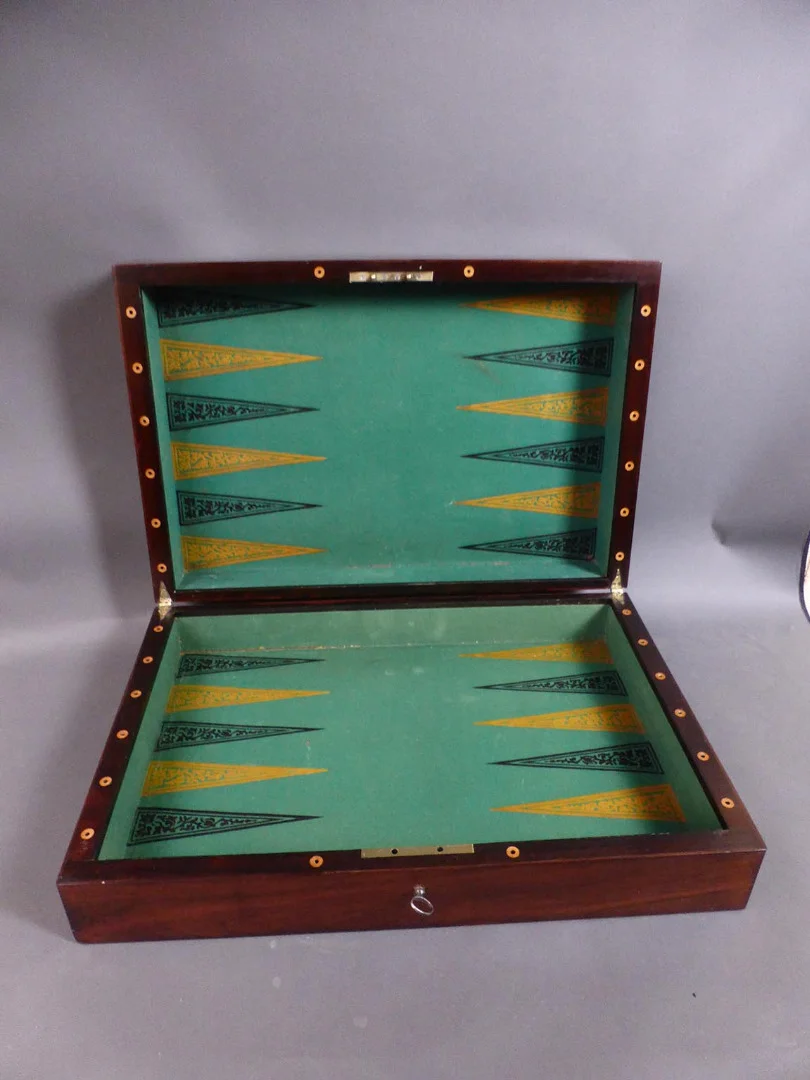
NAPOLEON III PERIOD TOKEN BOX signed TAHAN
Anne Besnard — Saint-Ouen
550,00 €
31 objects found
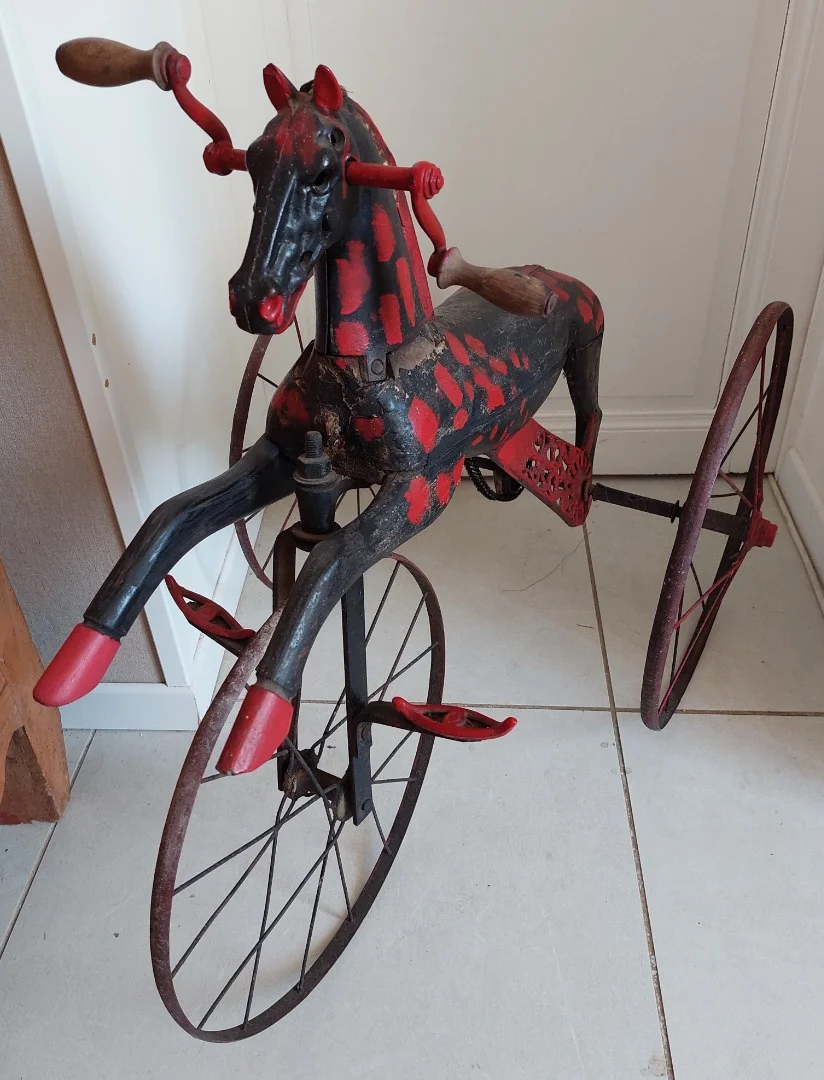
Antique toys form a collecting field in their own right, where artisan craftsmanship, industrial history and childhood nostalgia converge. From lithographed tin toys produced by the great German and French manufacturers of the 19th century to the mechanical automata of the Belle Époque, each piece is a precise record of its era and technique.
Makers such as Märklin, Bing, JEP and Charles Rossignol, alongside lead soldier specialists like Mignot, left behind series that are keenly sought today. The sharpness of the lithography, the integrity of the mechanism and the presence of the original box are the first hallmarks of a truly fine piece.
31 objects found
Anne Besnard — Saint-Ouen
2R Antiquites — Caluire-et-Cuire
Au Réveil Du Temps — Saint-Nabord
L’ESTAMPILLE — Navilly

Antiquités Lecomte — Héric
Ecritoire Antiquites Poidras jean-luc — Vertou
2R Antiquites — Caluire-et-Cuire
Antiquités "Le Vieux Matos" L.V.M — La Chapelle-Saint-Martin-en-Plaine

Antiquités "Le Vieux Matos" L.V.M — La Chapelle-Saint-Martin-en-Plaine
Antiquités "Le Vieux Matos" L.V.M — La Chapelle-Saint-Martin-en-Plaine
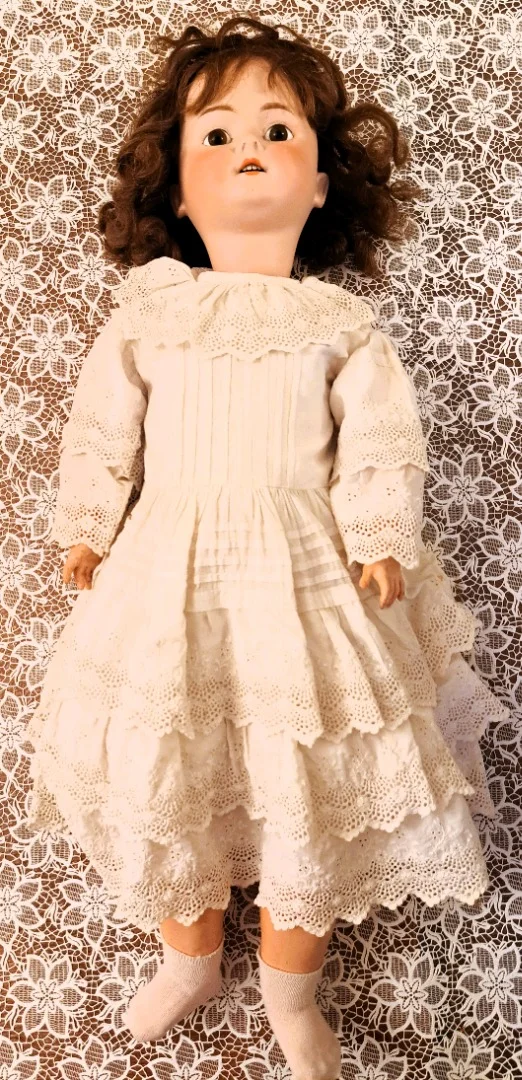
Antiquités "Le Vieux Matos" L.V.M — La Chapelle-Saint-Martin-en-Plaine
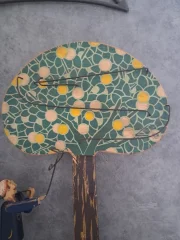
Antiquités "Le Vieux Matos" L.V.M — La Chapelle-Saint-Martin-en-Plaine
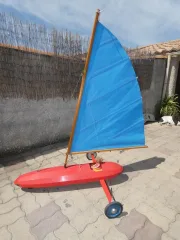
L'atelier De La Dorure — Calmont
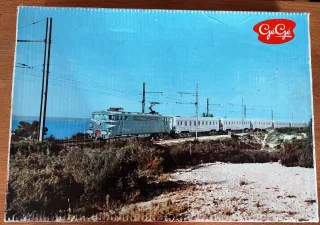
Antiquités "Le Vieux Matos" L.V.M — La Chapelle-Saint-Martin-en-Plaine

Au Réveil Du Temps — Saint-Nabord
Antiquités "Le Vieux Matos" L.V.M — La Chapelle-Saint-Martin-en-Plaine
Antiquités Christophe Rochet — Villeurbanne

2R Antiquites — Caluire-et-Cuire
Philippe Cote Antiquites — Chauffailles

Philippe Cote Antiquites — Chauffailles
2R Antiquites — Caluire-et-Cuire

2R Antiquites — Caluire-et-Cuire

Antiquités Christophe Rochet — Villeurbanne
Au Réveil Du Temps — Saint-Nabord
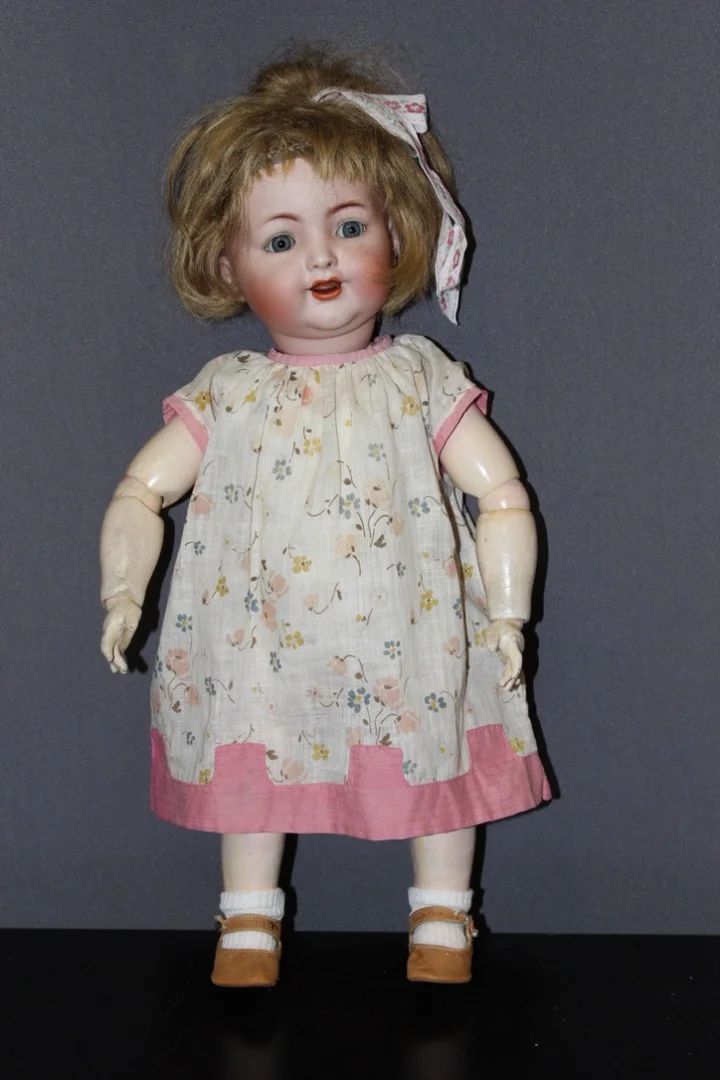
Authenticating an antique toy requires both method and knowledge. Start by identifying the maker: most major houses — Märklin, Bing, JEP, CR (Charles Rossignol) — stamped their mark on the toy itself or on the box. Antique toy trains often carry a catalogue reference number that allows precise dating. For antique porcelain dolls, look for the head manufacturer's mark — Simon & Halbig, Jumeau, Bru — incised into the back of the neck.
Condition is the single greatest driver of value. A lithographed tin toy retaining 90% of its original decoration is worth several times more than a repainted or heavily restored example. Check for the absence of deep rust, confirm that the clockwork mechanism still functions, and compare the colours against period catalogues. The original box, even if worn, can double a piece's value.
In terms of budget, individual lead soldiers start at a few tens of pounds, while a complete Märklin Gauge I train set in its original box can reach several thousand. Signed mechanical automata and large Jumeau dolls rank among the most highly prized lots at auction. To broaden your collection, consider exploring antique industrial objects or vintage aeronautical pieces, which share the same world of precision mechanics and period craftsmanship.
On Antiquités en France, every antique toy is offered by a verified professional dealer who can provide detailed photographs, provenance information and a certificate where available. Contact the seller directly before purchasing — a knowledgeable antiquaire will always welcome your questions.