
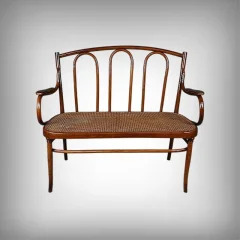
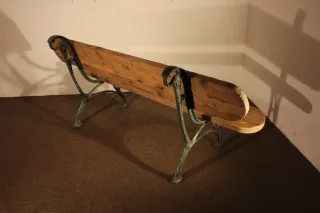
Bent beechwood bench, stamped J&J Kohn – Early 20th century
Antiquités Lecomte — Héric
1 800,00 €
Restored
76 objects found
The crapaud armchair is one of the most distinctive seats of the 19th century: low to the ground, with a deep rounded back and a generously button-tufted seat, it embodies the bourgeois taste for comfort that flourished under the Second Empire. Its evocative nickname — crapaud, French for toad — comes from its squat, compact silhouette. Emerging around 1850–1870, it was typically upholstered in button-back velvet or silk, set on elegantly cabriole legs in walnut or mahogany.
Browse the full selection of antique armchairs and seats offered by our verified professional dealers.
76 objects found
Antiquités Lecomte — Héric
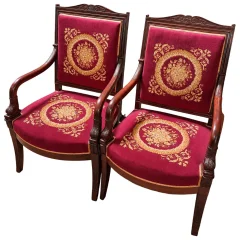
le village des brocanteurs 58 — Dun-les-Places
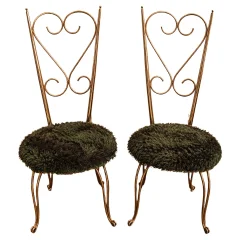
le village des brocanteurs 58 — Dun-les-Places
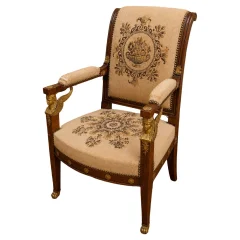
le village des brocanteurs 58 — Dun-les-Places
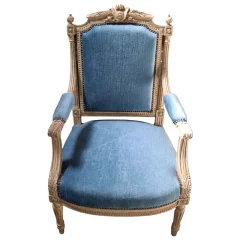
le village des brocanteurs 58 — Dun-les-Places
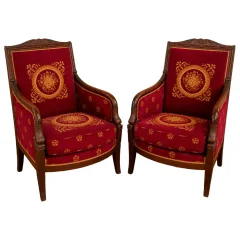
le village des brocanteurs 58 — Dun-les-Places
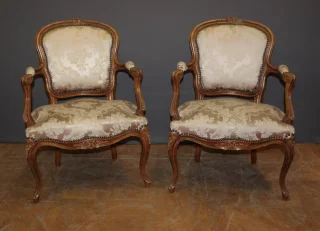
Antiquités Christophe Rochet — Villeurbanne
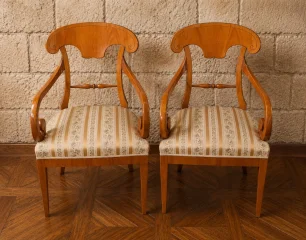
le village des brocanteurs 58 — Dun-les-Places
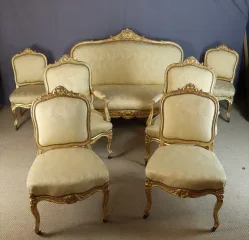
Philippe Cote Antiquites — Chauffailles

French-antiques.fr — Rouen
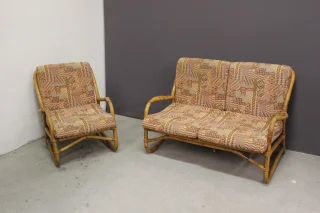
Antiquités Christophe Rochet — Villeurbanne
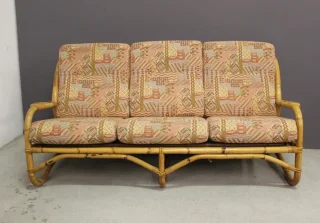
Antiquités Christophe Rochet — Villeurbanne
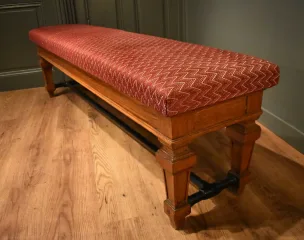
Antiquités Anne Marie Perrier — La Boisse
Au Réveil Du Temps — Saint-Nabord
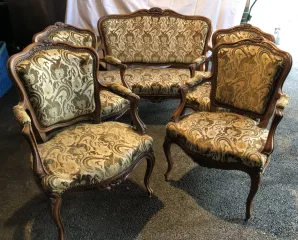
TRADITION Dupasquier Bouley Josiane — Le Plantay
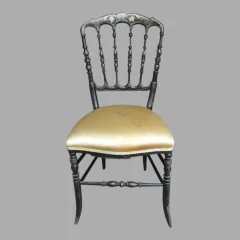
L'atelier De La Dorure — Calmont
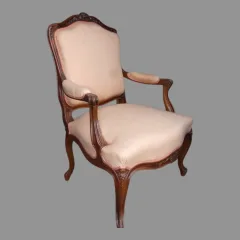
L'atelier De La Dorure — Calmont

L'atelier De La Dorure — Calmont
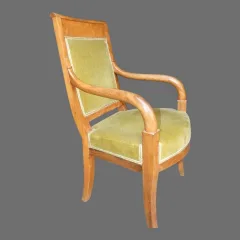
L'atelier De La Dorure — Calmont
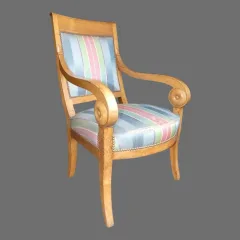
L'atelier De La Dorure — Calmont
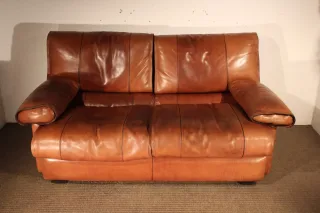
Au Réveil Du Temps — Saint-Nabord
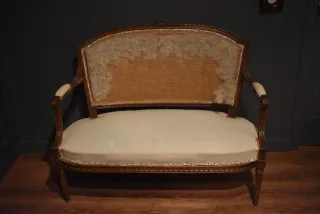
Antiquités Anne Marie Perrier — La Boisse
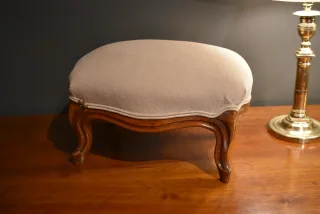
Antiquités Anne Marie Perrier — La Boisse
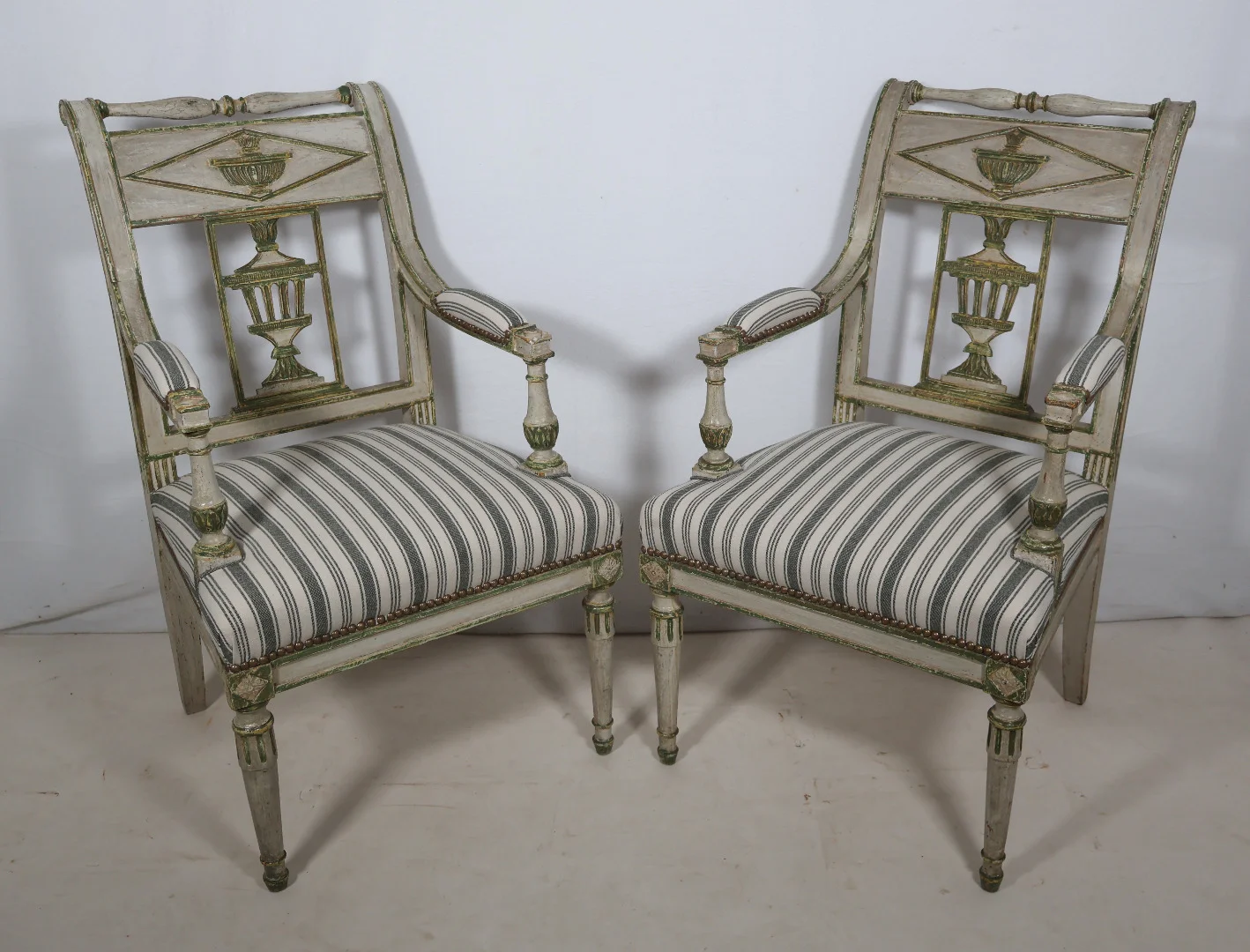
Galerie Lauretta — Mandelieu-la-Napoule
Authenticating a genuine antique crapaud armchair starts with the frame. The legs should be solid wood — walnut, mahogany or ebonised beech — hand-turned or carved, and fitted with original brass or porcelain castors. A beech frame visible beneath the upholstery is a hallmark of quality 19th-century cabinetmaking. Look for mortise-and-tenon joints with no modern screws: this is one of the clearest signs of pre-1900 construction.
The button-tufted upholstery is the heart of the crapaud. Examine the regularity of the diamond pattern, the depth of the buttons and the quality of the fabric. Period cut velvet, watered silk or embossed leather all add significant value. A re-upholstery is not a dealbreaker — it is often necessary — but always prioritise pieces whose frame and woodwork remain intact. Be wary of repainted legs that may conceal cracks or replaced sections.
In terms of budget, expect to pay between £250 and £700 for a button-tufted crapaud armchair in good condition with a restored covering. Exceptional examples — original silk or velvet, porcelain castors, documented provenance — can reach £1,200 or more. Pieces in period leather or embroidered silk tend to be rarer and more sought after by collectors.
On Antiquités en France, every crapaud armchair is offered by a verified professional dealer who can supply detailed photographs, exact dimensions and the history of the piece. Ask for close-up shots of the frame and legs before committing to a purchase. Contact the dealer of your choice directly to discuss shipping or collection arrangements.