
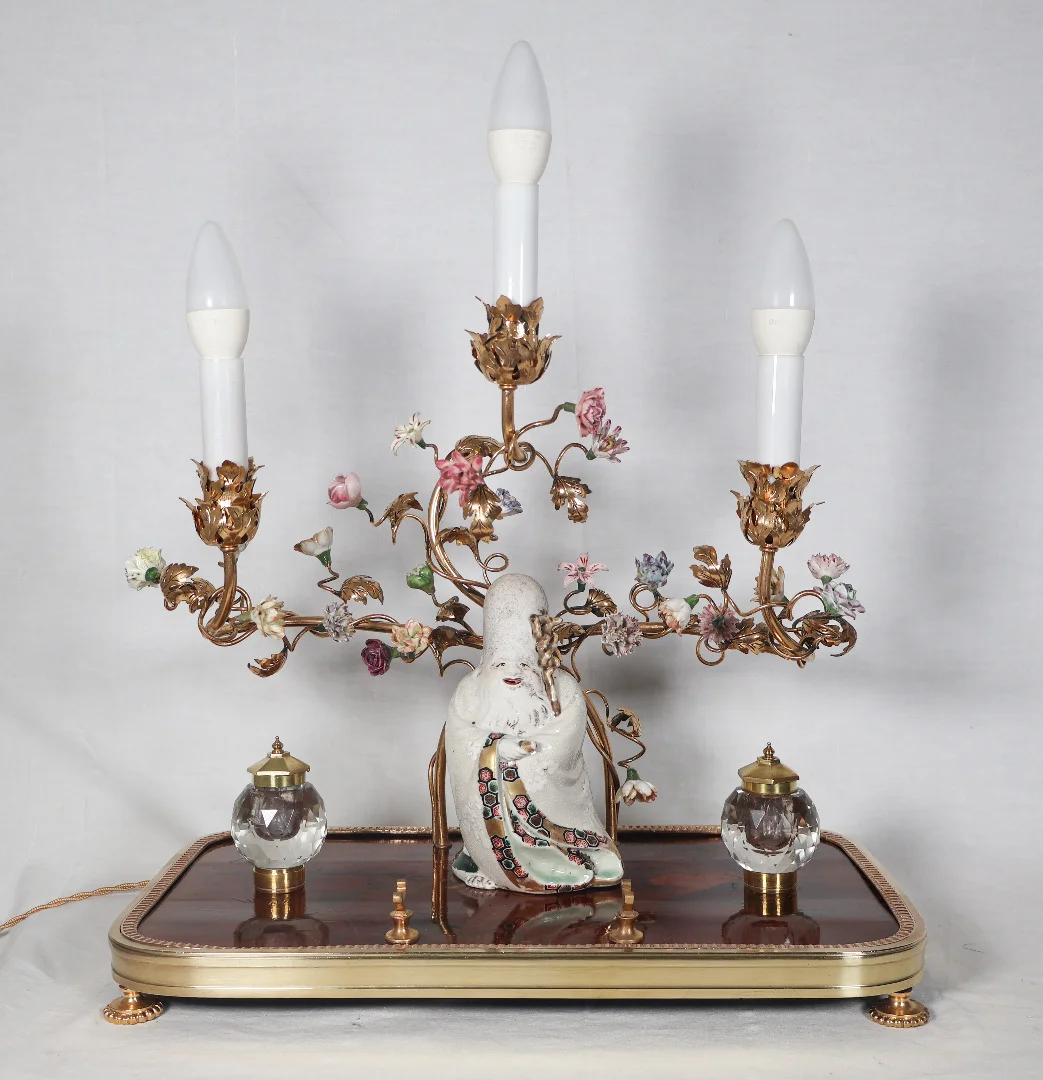
JAPANESE INK STAND
Galerie Lauretta — Mandelieu-la-Napoule
1 850,00 €
31 objects found
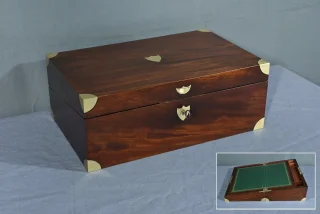
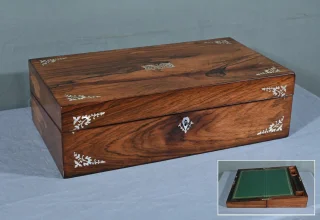
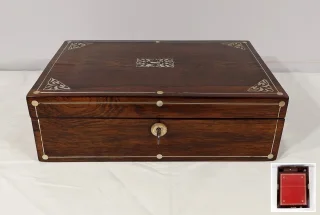
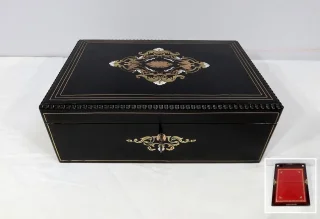
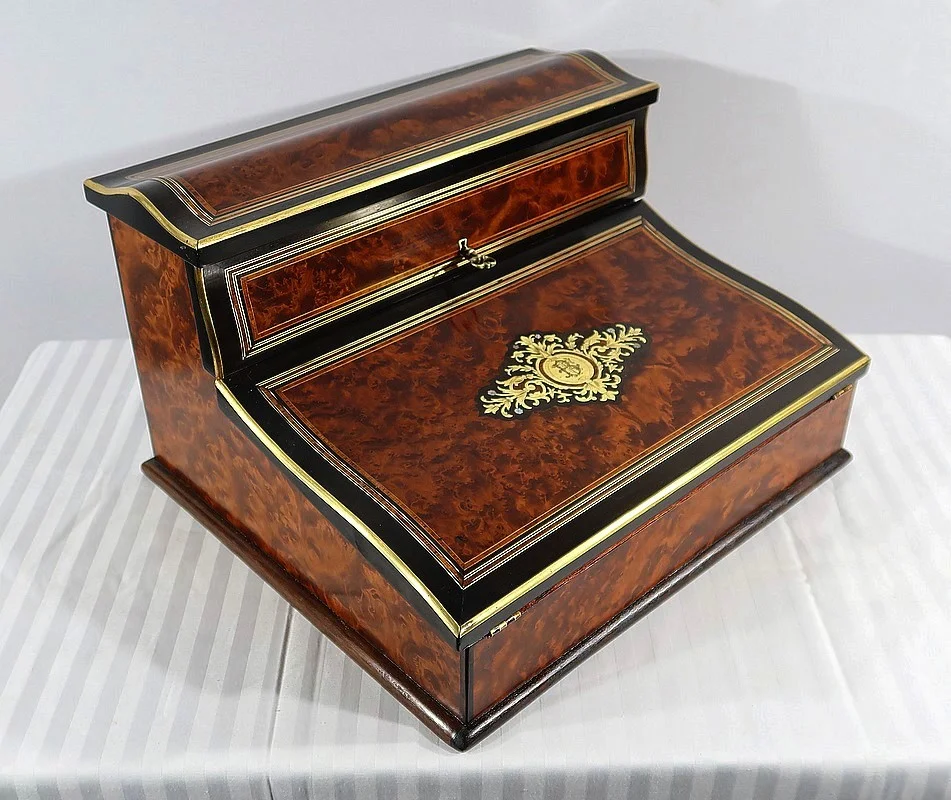
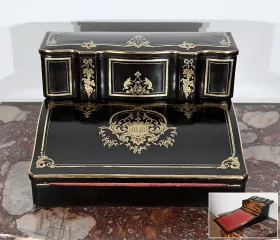
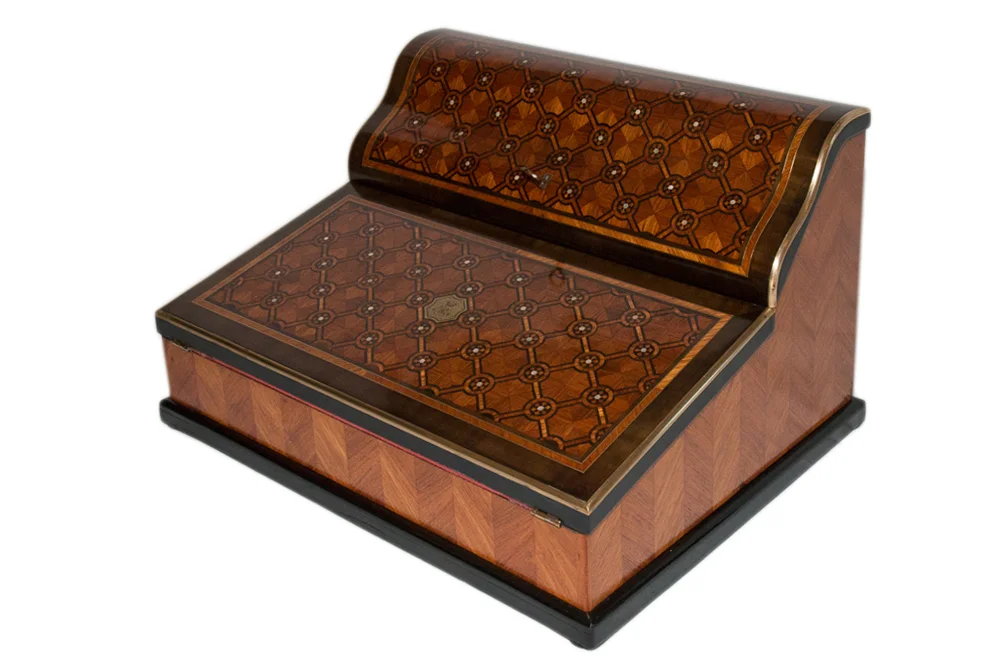
The antique writing box — a portable fitted case designed to hold quills, inkwells and paper — ranks among the most refined objects in the world of writing antiques from the 17th to the 19th century. Crafted in mahogany, walnut or rosewood, often covered in morocco leather and mounted with brass or silver fittings, these pieces reflect exceptional cabinet-making skill. The most sought-after examples feature velvet-lined interiors, a hinged slope and hidden compartments.
31 objects found
Galerie Lauretta — Mandelieu-la-Napoule

Antiquités Lecomte — Héric
Antiquités Lecomte — Héric
Antiquités Lecomte — Héric
Antiquités Lecomte — Héric
Antiquités Lecomte — Héric
Antiquités Lecomte — Héric
Antiquités Lecomte — Héric
Antiquités Lecomte — Héric
Antiquités Lecomte — Héric
Bernadette Tanzilli Antiquités — Pérouges
Antiquités Anne Marie Perrier — La Boisse
Galerie Lauretta — Mandelieu-la-Napoule
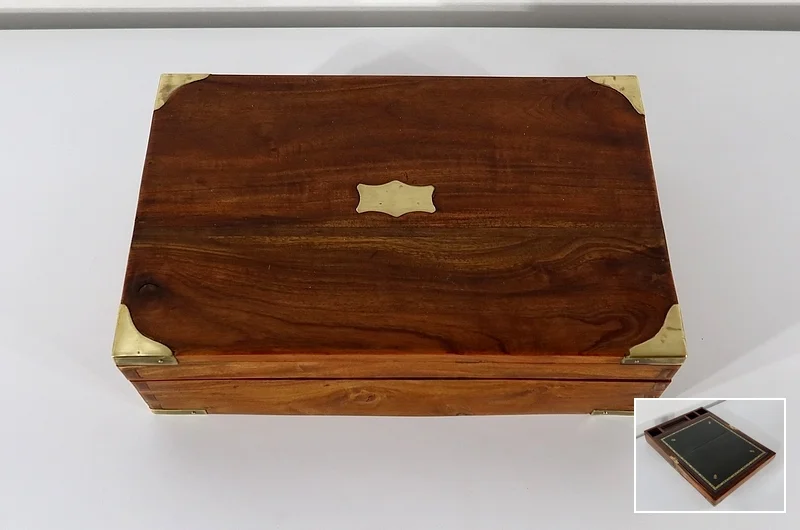
Antiquités Lecomte — Héric
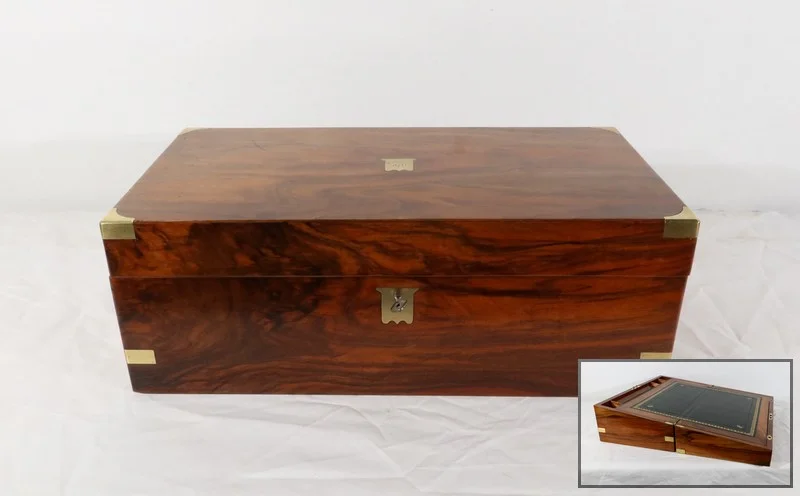
Antiquités Lecomte — Héric
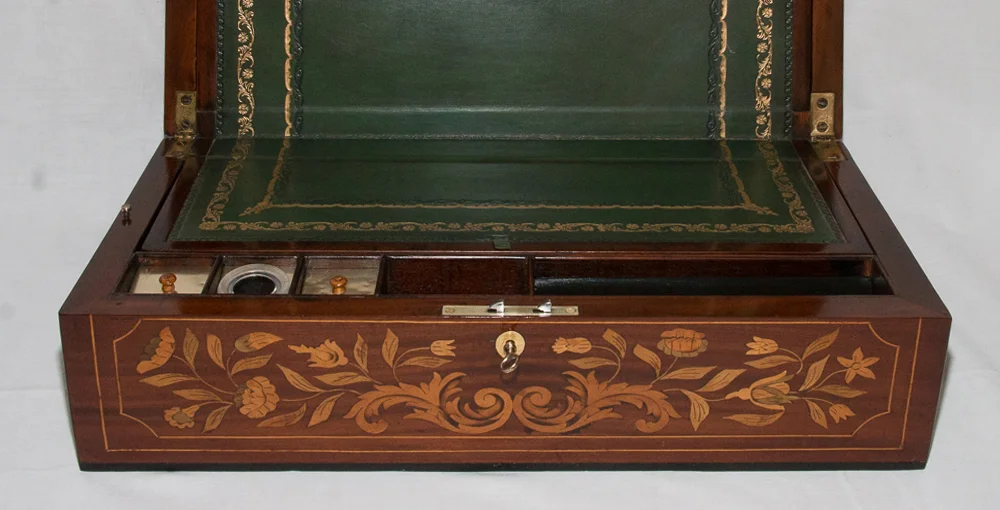
Galerie Lauretta — Mandelieu-la-Napoule
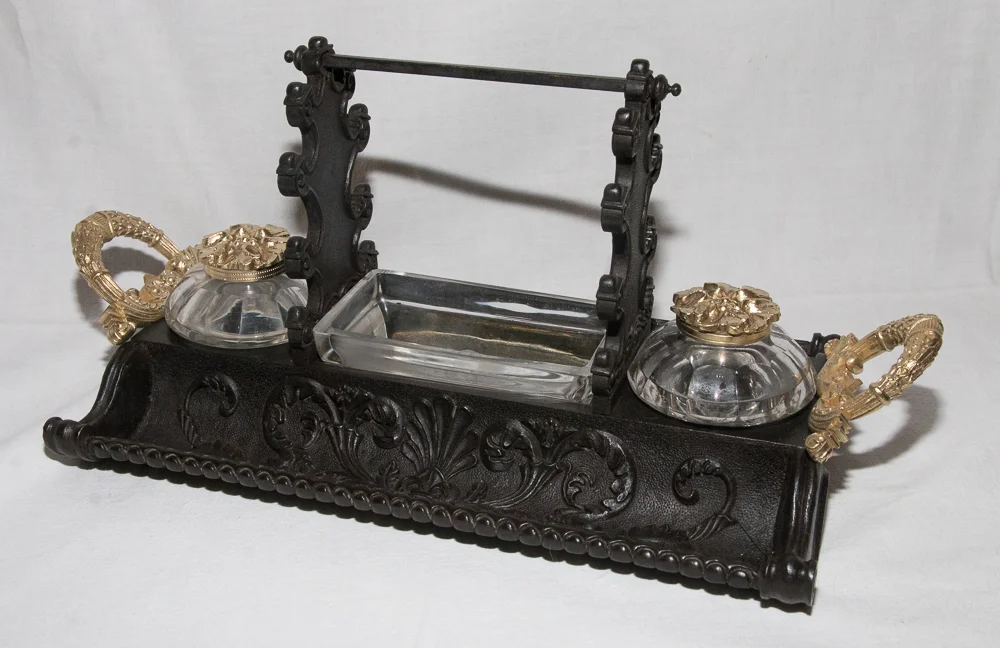
Galerie Lauretta — Mandelieu-la-Napoule
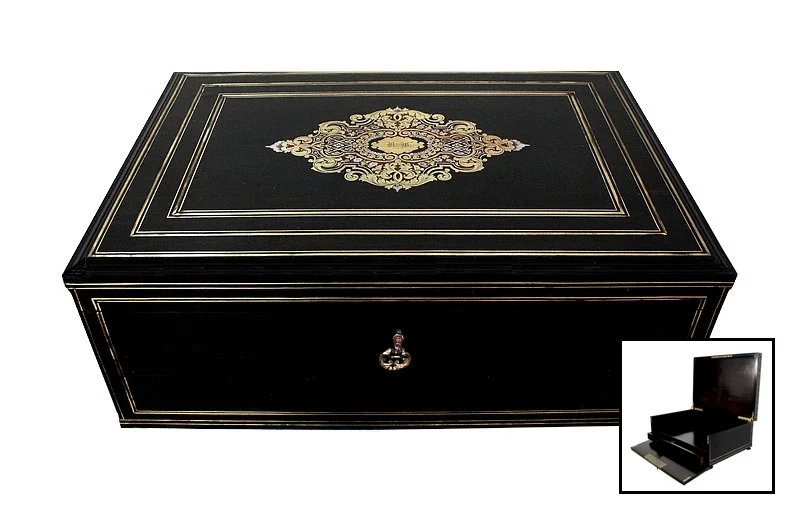
Antiquités Lecomte — Héric
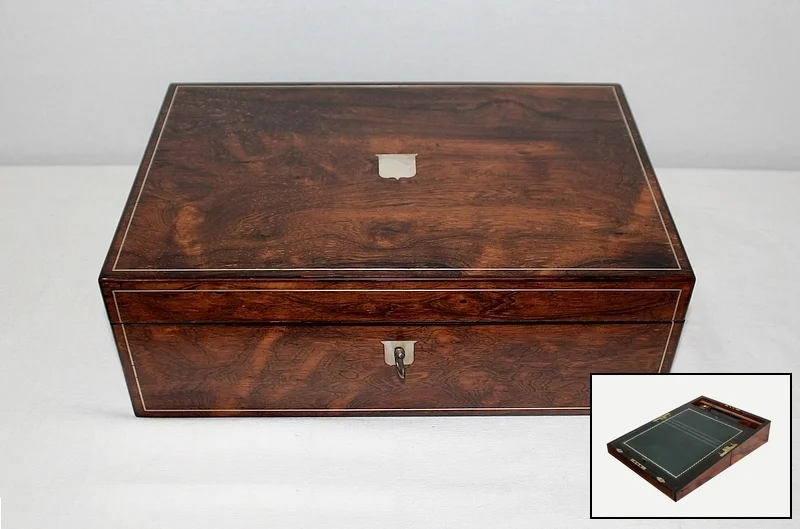
Antiquités Lecomte — Héric

Antiquités Lecomte — Héric
Antiquités Lecomte — Héric
Galerie Lauretta — Mandelieu-la-Napoule
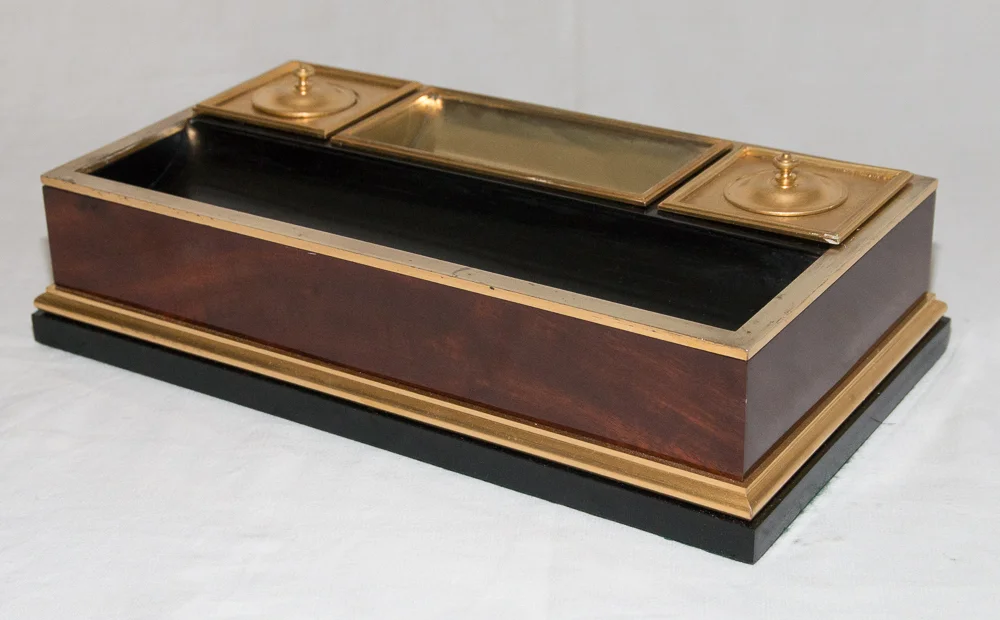
Galerie Lauretta — Mandelieu-la-Napoule
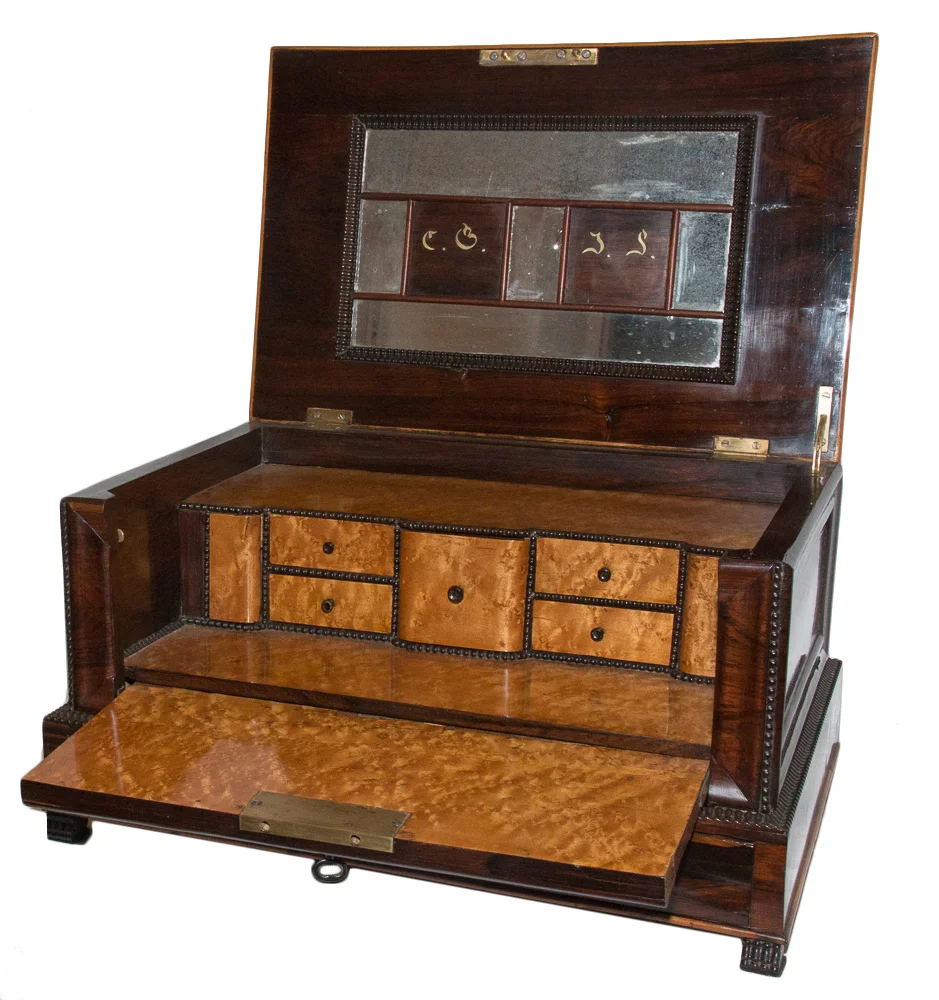
Galerie Lauretta — Mandelieu-la-Napoule
To identify a genuine antique writing box, start with the materials: fine 18th-century examples are typically veneered in Cuban mahogany or rosewood, often enriched with boxwood or ebony stringing. The leather covering — red, green or black morocco — should show an even grain and a patina consistent with its age. Original brass hinges, escutcheons and locks are reliable indicators of period authenticity; recent replacements significantly reduce value, so examine every fitting carefully.
Dating a writing slope is largely a matter of form and ornament. Flat-lidded boxes with an integrated slope are characteristic of the Regency and late Georgian periods, while serpentine or bombé shapes with marquetry panels point to an earlier Louis XV influence. Victorian lap desks in japanned papier-mâché or ebonised wood inlaid with mother-of-pearl form a distinct and highly collectible category, particularly prized by British collectors. A documented provenance — a trade label inside the lid, engraved armorials or an old inventory entry — adds considerably to both interest and value.
In terms of budget, expect to pay £150–£500 for a sound 19th-century mahogany writing box in good condition, and £800 upwards — sometimes several thousand — for a stamped maker's piece, a fine marquetry example or one with an aristocratic provenance. Always check the condition of the interior leather or baize, the presence of original accessories (inkwell, pen tray, sand shaker) and the integrity of the hinges before purchasing.
On Antiquités en France, every writing box is offered by a verified professional dealer who can supply detailed photographs, exact dimensions and provenance documentation on request. Explore our broader selection of antique writing accessories to complete your collection, and contact the dealer directly with any questions before you buy.