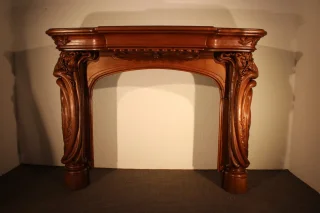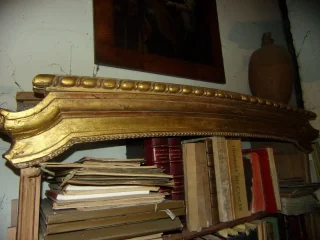
Antique Wood Panelling & Boiseries

11 objects found

Loading
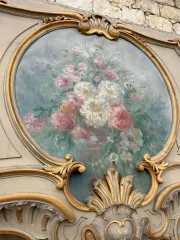
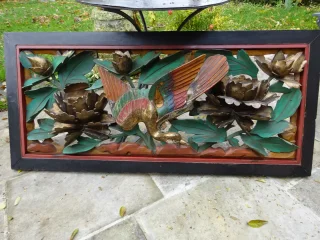
Antique wood panelling and lambris are the defining feature of exceptional historic interiors — from the restrained oak panels of the 17th century to the painted and gilded salon décors of the 18th, including carved Louis XV and Louis XVI wall panels. Each piece bears witness to the mastery of period joiners and sculptors. Often dismantled during renovations, these architectural elements are now eagerly sought for ambitious interior restoration and decoration projects.

Period wood panelling, carved lambris and boiseries from professional antique dealers

11 objects found

How to choose and authenticate antique wood panelling

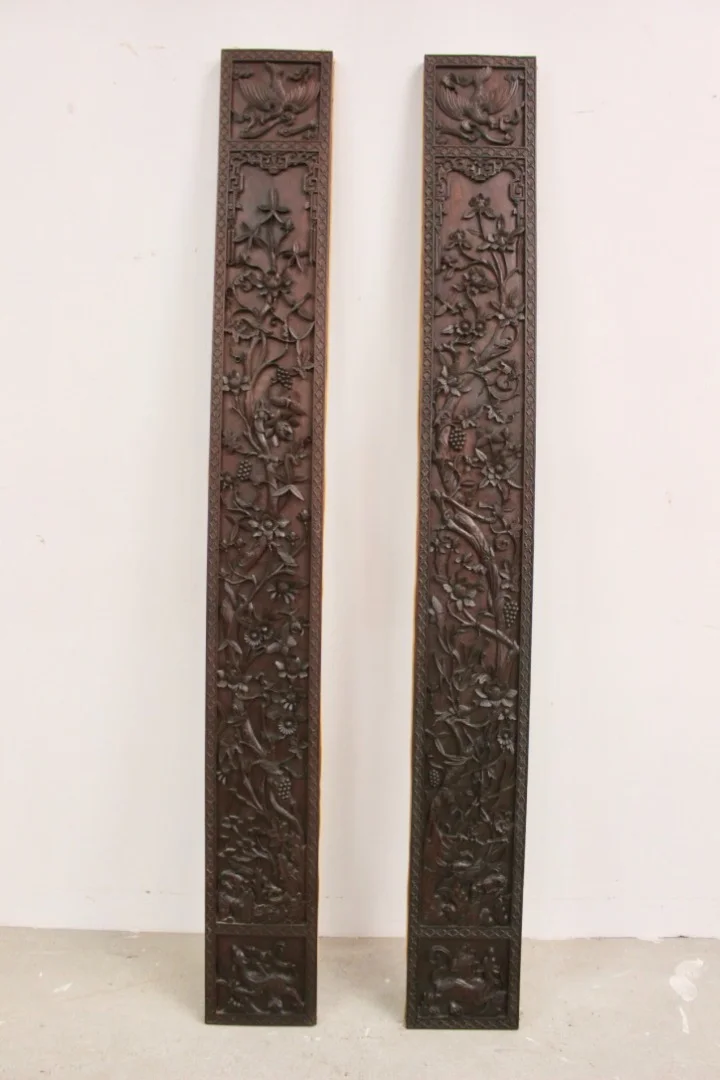
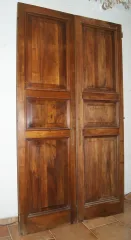
Antique wood panelling and boiseries span a remarkable range of styles and timbers: solid oak for the grand bourgeois interiors of the 17th century, sculpted walnut for Régence reception rooms, painted and gilded pine for Louis XV salons, and moulded mahogany for Empire and Restauration schemes. Before purchasing, examine the quality of the carving closely — the crispness of acanthus scrolls, the depth of recessed fields, the regularity of moulding profiles — and check the condition of the mortise-and-tenon joints, which are the true guarantee of structural integrity. Authenticating a period boiserie requires looking at the back of each panel: hand-tool marks from gouges and chisels, chalk or charcoal assembly numbers applied during the original installation, and successive layers of paint or gilding revealed by careful examination in a discreet area are all reliable indicators of age. A documented provenance — a château inventory, an early photograph, or a notarial appraisal — adds considerably to market value. Look in particular for 18th century painted lambris that retain their original polychromy, as these are among the most sought-after pieces on the market. In terms of budget, expect to pay from a few hundred pounds or euros for a single panel in good condition, rising to tens of thousands for a complete 18th-century salon suite with matching overdoors and a trumeau. Always check for signs of active woodworm infestation and ensure the assembly is stable before committing to a purchase. If in doubt, consult a specialist conservator before installation. On Antiquités en France, every piece of antique wood panelling is offered by a verified professional dealer who can supply detailed photographs, precise dimensions and reassembly guidance. Explore our listings of antique decorative joinery to complete a scheme, or browse the full range of antique architectural elements for a coherent restoration project.

Frequently asked questions about Antique Wood Panelling & Boiseries

How much does antique wood panelling cost?
Prices vary widely depending on period, style and condition. A single 19th-century panel can start from around £200–500, while a complete Louis XV or Louis XVI salon suite in good condition may reach tens of thousands of pounds or euros.
How can I tell whether a boiserie is genuinely period?
Examine the back of the panels for hand-tool marks — gouge and chisel traces — along with chalk or charcoal assembly numbers and successive paint layers. A documented provenance such as a château inventory, early photograph or notarial appraisal strongly supports authenticity.
How should antique wood panelling be maintained?
Avoid sudden changes in humidity, which cause cracking and warping. Dust regularly with a soft dry cloth. Never use abrasive products on painted or gilded surfaces. If woodworm treatment is needed, always engage a specialist conservator rather than applying DIY products.
Can antique panelling be installed in a contemporary interior?
Yes, provided the original dimensions are respected. Numbered panels reassemble in their original sequence. A specialist joiner or conservator can adjust heights if necessary while preserving the integrity of the mouldings and carved decoration.
Can antique wood panelling be shipped internationally?
Yes, but it requires bespoke crating and, for large ensembles, a specialist fine-art shipper. The selling dealer can usually recommend carriers experienced in handling fragile and bulky architectural antiques, and advise on customs documentation where required.