
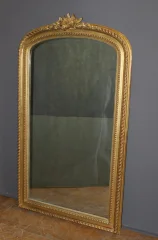
Louis XVI Gilt Stucco Mirror, 19th Century
Antiquités Christophe Rochet — Villeurbanne
1 180,00 €
Very good condition
30 objects found
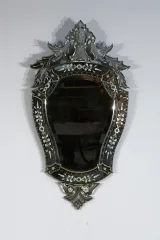
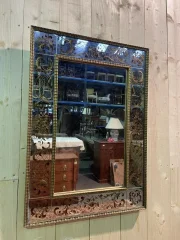
The antique Venetian mirror ranks among the most refined achievements of European decorative art. Emerging on the island of Murano in the 16th century, it reached its peak in the 17th and 18th centuries, adorning the palaces and aristocratic residences of Europe thanks to the unrivalled mastery of Venetian glassmakers. Authentic examples are recognised by their diamond-point engraved glass panels, delicate floral and scrollwork motifs, finely cut bevels, and frameless surrounds assembled entirely from pieces of blown glass — with no visible wooden chassis. Browse our wider selection of antique mirrors across all periods to broaden your search.
30 objects found
Antiquités Christophe Rochet — Villeurbanne
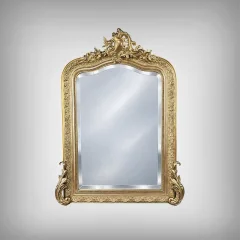
Antiquités Lecomte — Héric
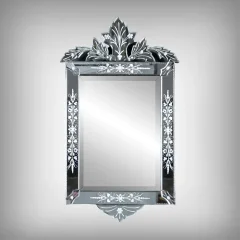
Antiquités Lecomte — Héric
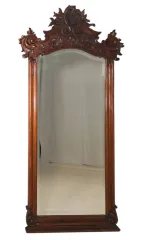
Galerie Lauretta — Mandelieu-la-Napoule

L’ESTAMPILLE — Navilly

Antiquités Christophe Rochet — Villeurbanne
Antiquités Lecomte — Héric
L’ESTAMPILLE — Navilly

L'atelier De La Dorure — Calmont
Galerie Lauretta — Mandelieu-la-Napoule
Galerie Lauretta — Mandelieu-la-Napoule
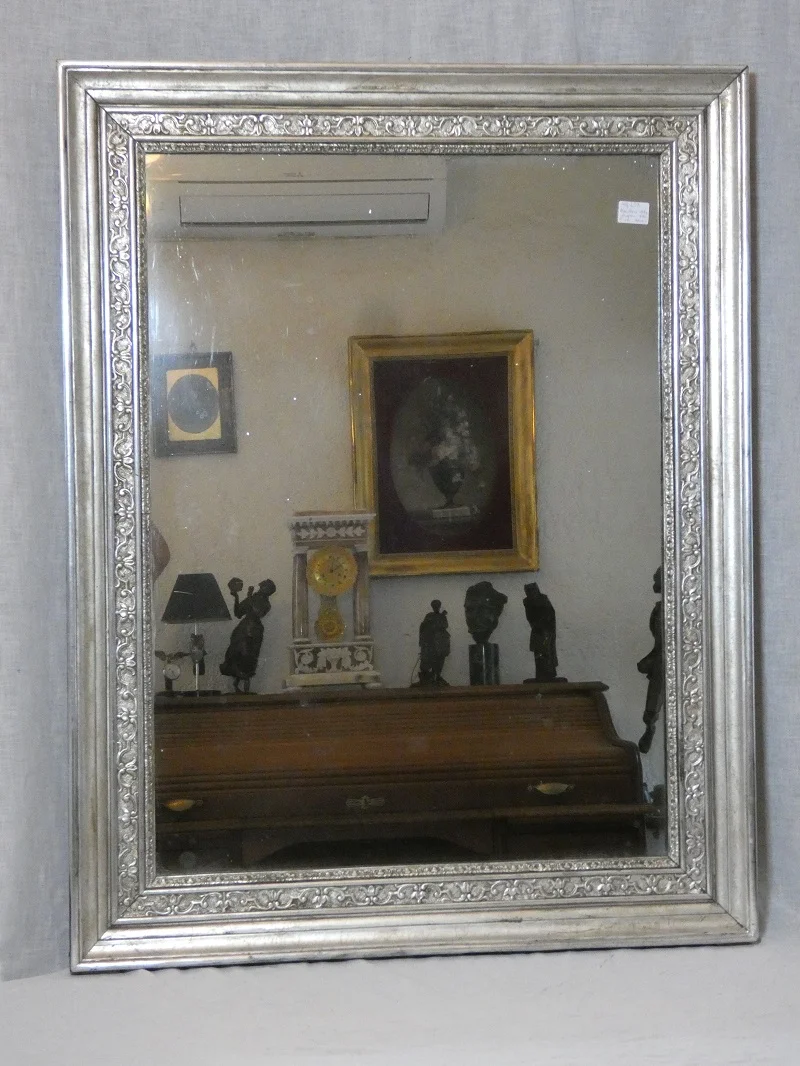
L'atelier De La Dorure — Calmont

Galerie Lauretta — Mandelieu-la-Napoule
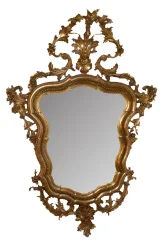
Galerie Lauretta — Mandelieu-la-Napoule
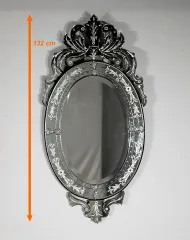
Antiquités Lecomte — Héric
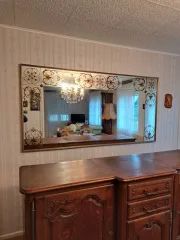
L’ESTAMPILLE — Navilly
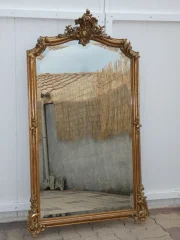
L'atelier De La Dorure — Calmont
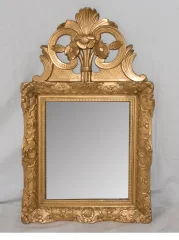
Galerie Lauretta — Mandelieu-la-Napoule

ANTIQUITES VANGEON — Chartres
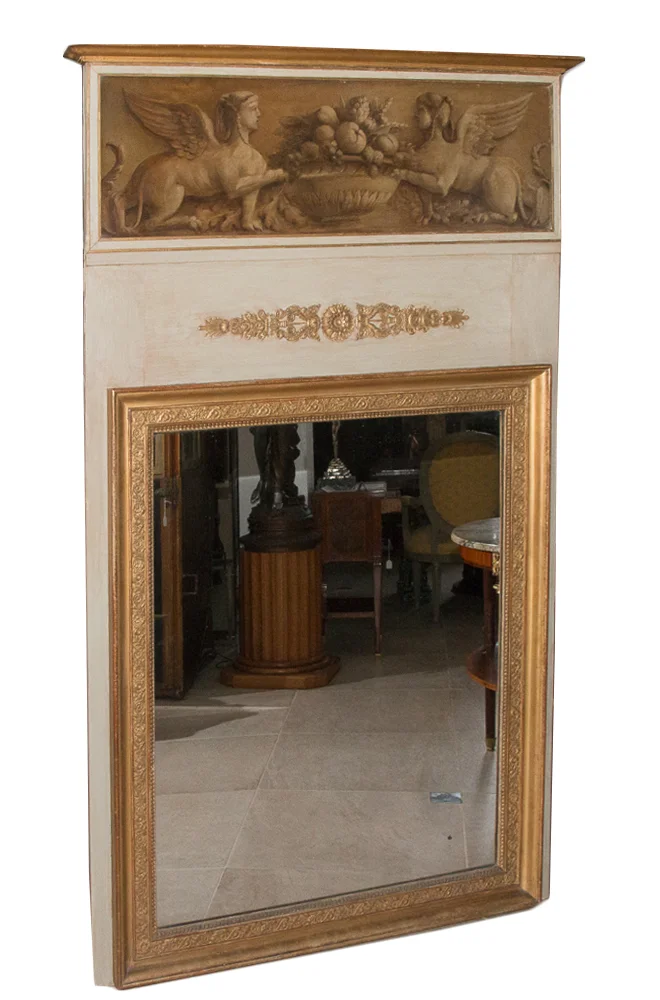
Galerie Lauretta — Mandelieu-la-Napoule

Galerie Lauretta — Mandelieu-la-Napoule
Galerie Lauretta — Mandelieu-la-Napoule
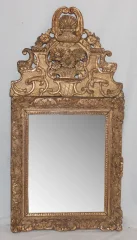
Galerie Lauretta — Mandelieu-la-Napoule
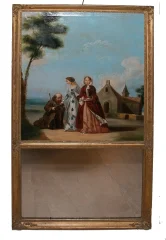
Galerie Lauretta — Mandelieu-la-Napoule
Identifying a genuinely authentic Venetian mirror requires a few key reference points. Original glass plates typically show a faint greyish veil or characteristic oxidation spots — the natural ageing of mercury-based silvering, used until the 19th century before tin amalgam took over. Venetian parecloses mirrors are distinguished by their small engraved or bevelled glass panels framing the central plate, with no wooden backing visible — one of the strongest indicators of authenticity. Be wary of modern reproductions whose engraving is achieved by mechanical sandblasting, far less precise than hand-cut diamond-point work.
For dating, 17th-century examples tend to feature sober decoration — geometric motifs or acanthus leaves — while 18th-century pieces display more exuberant Rococo engraved glass panels with putti, floral garlands and flowing scrollwork. Signed pieces or those bearing a Muranese manufacture mark are rare and particularly sought after. A documented provenance — château inventory, estate succession, notarial appraisal — adds considerably to market value.
In terms of budget, expect to pay from a few hundred pounds or euros for a small 19th-century bevelled mirror up to several thousand for a large, well-preserved 18th-century Baroque example. Always check the integrity of the glass panels for chips or cracks, the condition of the silvering, and the soundness of the assembled joints. Discreet, professionally executed restorations are acceptable provided they are declared and consistent with the overall piece.
On Antiquités en France, every antique Venetian mirror is offered by a verified professional dealer who can supply detailed photographs, precise dimensions and a provenance certificate on request. You may also wish to explore our antique gilt mirrors for further exceptional pieces. Contact the dealer directly with any questions before purchasing — our antiquaires are there to guide you.