

Important ceramic piece by Ingeborg Rasmusser signed RAS
French-antiques.fr — Rouen
240,00 €
Very good condition
5 objects found
Antique Asian ceramics encompass an extraordinarily rich tradition: high-fired Chinese glazed stoneware, Japanese Imari and Satsuma pottery, celadon-glazed wares from Vietnam and Korea. Each civilisation developed its own distinctive techniques — high-temperature kilns, polychrome enamels, cobalt-blue underglaze decoration — that allow specialists to identify origin and period with confidence. These pieces differ fundamentally from European ceramics in their clay bodies, forms and iconography.
5 objects found
French-antiques.fr — Rouen
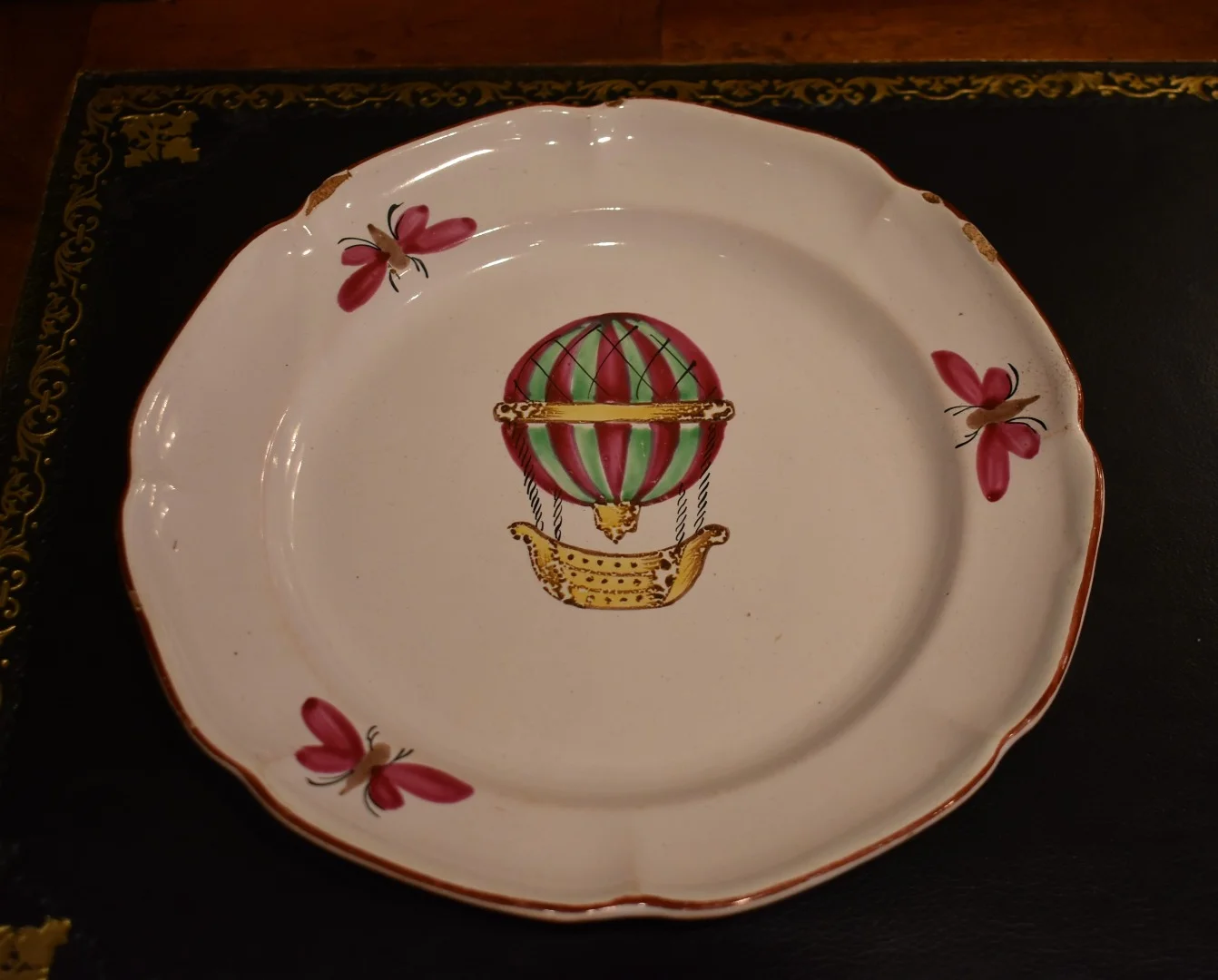
Antiquités Anne Marie Perrier — La Boisse
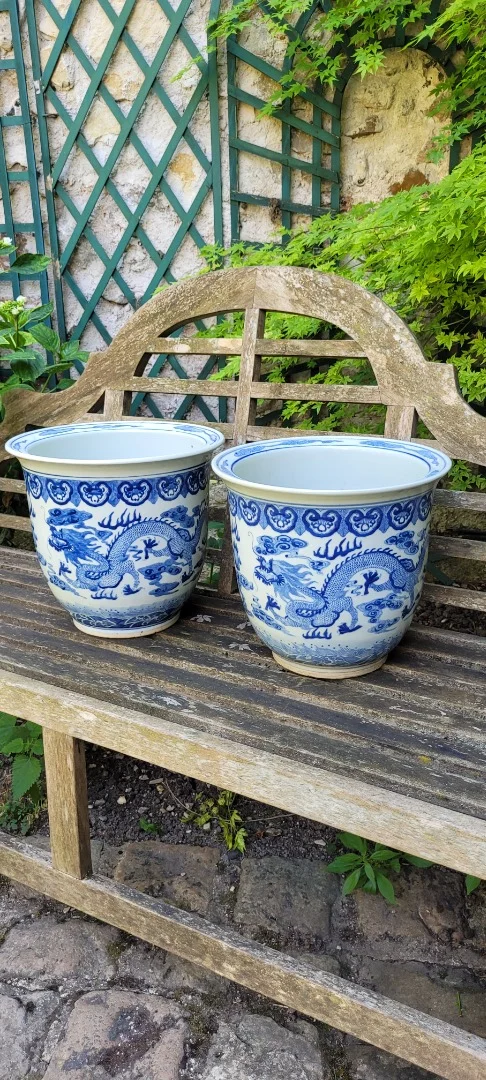
Le Grenier D'Abélard — Sens
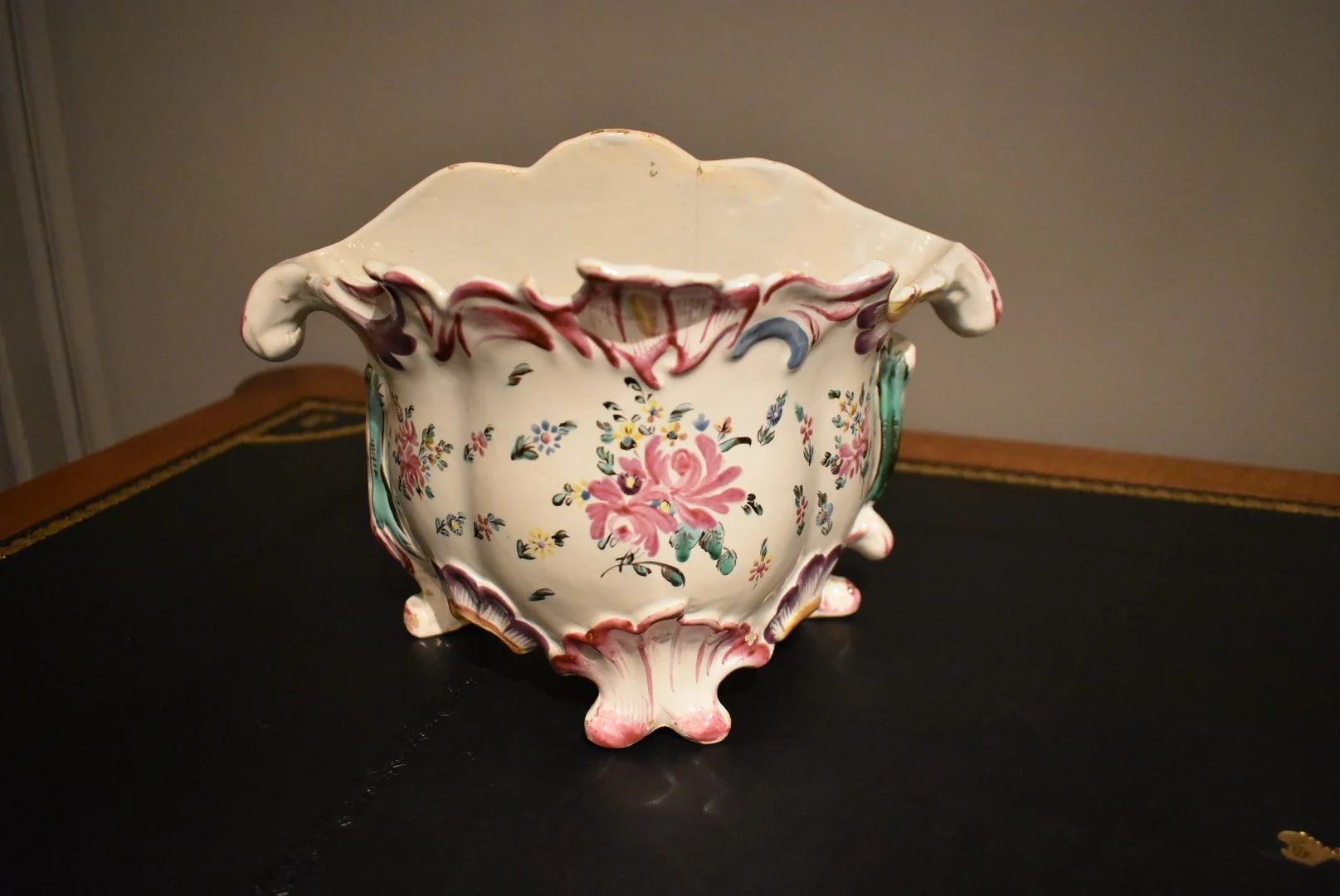
Antiquités Anne Marie Perrier — La Boisse
Antiquités Anne Marie Perrier — La Boisse
To authenticate antique Asian ceramics, start with the clay body: a clean break reveals the paste composition, typically greyer or more buff-toned than hard-paste European porcelain. Base marks — reign marks in Chinese, Japanese or Korean characters — can indicate an imperial period or workshop, but beware later reproductions that copy the prestigious marks of the Ming (1368–1644) or Qing (1644–1912) dynasties. A loupe will help you assess the depth and regularity of the crackle network and the layering of the enamels.
For dating, Japanese Imari ware produced at Arita from the late 17th century onwards is recognisable by its characteristic palette of iron-red, cobalt-blue and gilding. Chinese blue and white porcelain spans several centuries; the form, glaze thickness and quality of brushwork help place a piece anywhere from the Ming period through to Republican-era production. Vietnamese celadon and brown-on-cream decorated wares are less widely known but increasingly sought after by discerning collectors.
In terms of budget, a good-quality antique Asian stoneware piece can be acquired for a few hundred to a few thousand euros; a documented reign-marked example or a signed workshop piece can command considerably more at auction. Always check the integrity of rims and footrims, look carefully for invisible repairs under UV light, and ensure any restoration is consistent with the overall patina.
On Antiquités en France, every piece of antique Asian ceramics is offered by a verified professional dealer who can provide detailed photographs, provenance information and care advice. Store these pieces away from sudden temperature changes and clean them gently with lukewarm water and a soft cloth — never in a dishwasher or with abrasive detergents. Contact the dealer directly for expert appraisal or secure shipping arrangements.