
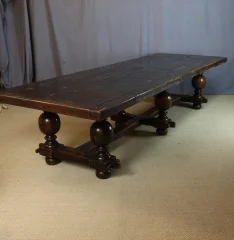
OAK TABLE 3.30M
Philippe Cote Antiquites — Chauffailles
6 800,00 €
Good condition
87 objects found
Robust, unadorned and enduringly beautiful, antique monastery tables represent the very soul of French rural furniture. Hewn from solid oak — and occasionally walnut or chestnut — they were made for convent refectories and grand manor kitchens from the 17th to the 19th century. Their thick tops, turned or H-stretcher bases, and peg-and-mortise joinery speak to a demanding craft tradition that has stood the test of centuries.
Prized today for their character and sheer durability, these tables sit as naturally in a contemporary loft as in a period country house. Explore the full range of period dining pieces in our antique tables category.
87 objects found
Philippe Cote Antiquites — Chauffailles
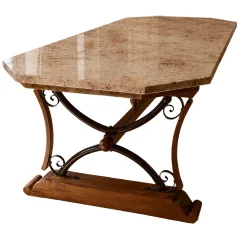
le village des brocanteurs 58 — Dun-les-Places
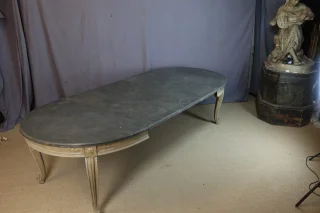
Philippe Cote Antiquites — Chauffailles
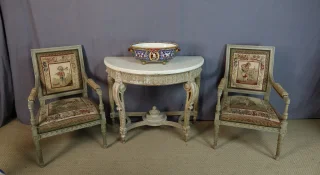
Philippe Cote Antiquites — Chauffailles
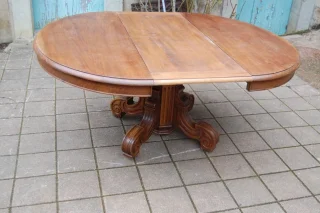
Antiquités Rousseau — Évry
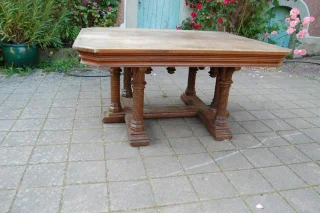
Antiquités Rousseau — Évry
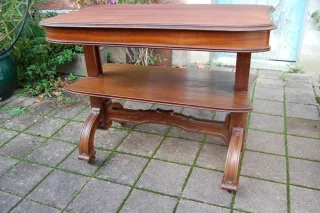
Antiquités Rousseau — Évry
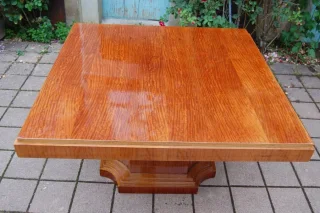
Antiquités Rousseau — Évry
Antiquités Rousseau — Évry
Antiquités Rousseau — Évry
Antiquités Rousseau — Évry
Antiquités Rousseau — Évry
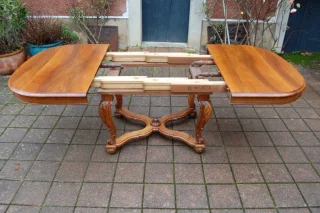
Antiquités Rousseau — Évry
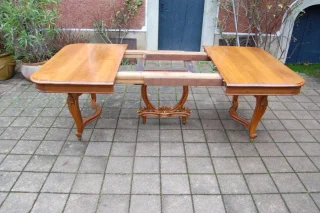
Antiquités Rousseau — Évry
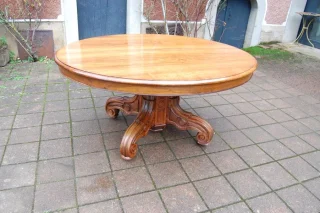
Antiquités Rousseau — Évry
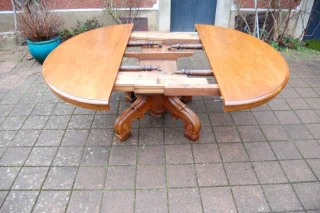
Antiquités Rousseau — Évry
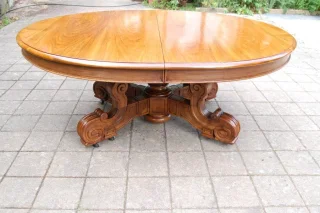
Antiquités Rousseau — Évry
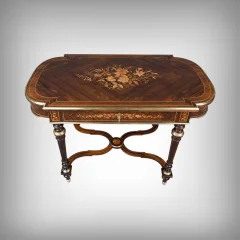
Antiquités Lecomte — Héric
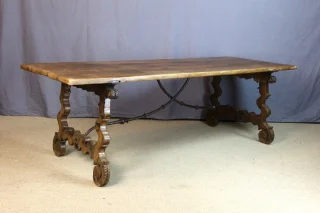
Philippe Cote Antiquites — Chauffailles
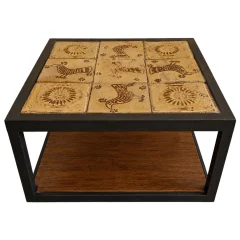
le village des brocanteurs 58 — Dun-les-Places
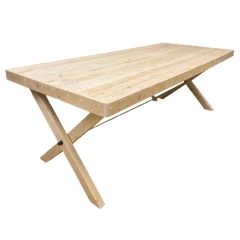
le village des brocanteurs 58 — Dun-les-Places
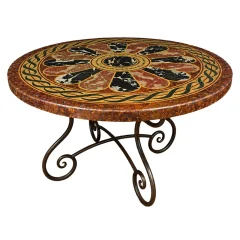
le village des brocanteurs 58 — Dun-les-Places
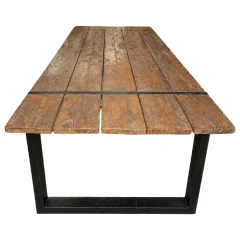
le village des brocanteurs 58 — Dun-les-Places
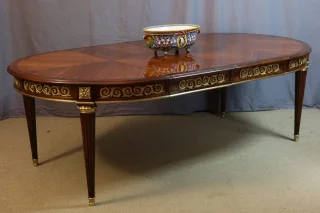
Philippe Cote Antiquites — Chauffailles
Authenticating an antique monastery table begins with the top: genuinely aged solid wood shows natural colour variation, knots, and a patina built up over decades of daily use. Look closely at the joinery — hand-cut mortise-and-tenon joints secured with wooden pegs, with no modern screws or nails, are a reliable sign of age. Be wary of recent reproductions with artificially distressed surfaces: fake patina looks flat under raking light, and the wear marks are suspiciously uniform.
Dating a piece relies on several clues: the leg profile (bobbin-turned legs are typical of the 17th century, plainer turned legs of the 18th, trestle supports of the 19th), the thickness of the top, and the tool marks on hidden surfaces — hand-plane strokes are characteristic of genuine period work. A well-proportioned antique refectory table typically measures between 200 and 350 cm in length, with a top 4–6 cm thick. Budget-wise, expect to pay £700–£2,200 for a sound regional example in good condition, and considerably more for an oversized piece or one with documented provenance.
Maintenance is straightforward: a natural wax — beeswax or carnauba — applied twice a year feeds the wood and preserves the patina. Avoid harsh chemical cleaners and standing water. For any restoration work, choose a cabinetmaker who specialises in antique French country furniture, so that original joints and surfaces are respected. These tables thrive with everyday use and only improve with age.
On Antiquités en France, every monastery table is listed by a verified professional antique dealer who can vouch for authenticity and provenance. Browse our antique kitchen antiques to complete a coherent rustic interior, and contact the dealer directly for additional photographs, exact dimensions and shipping options.