
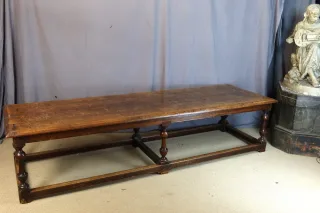
Early 19th century table
Philippe Cote Antiquites — Chauffailles
4 800,00 €
Good condition
75 objects found
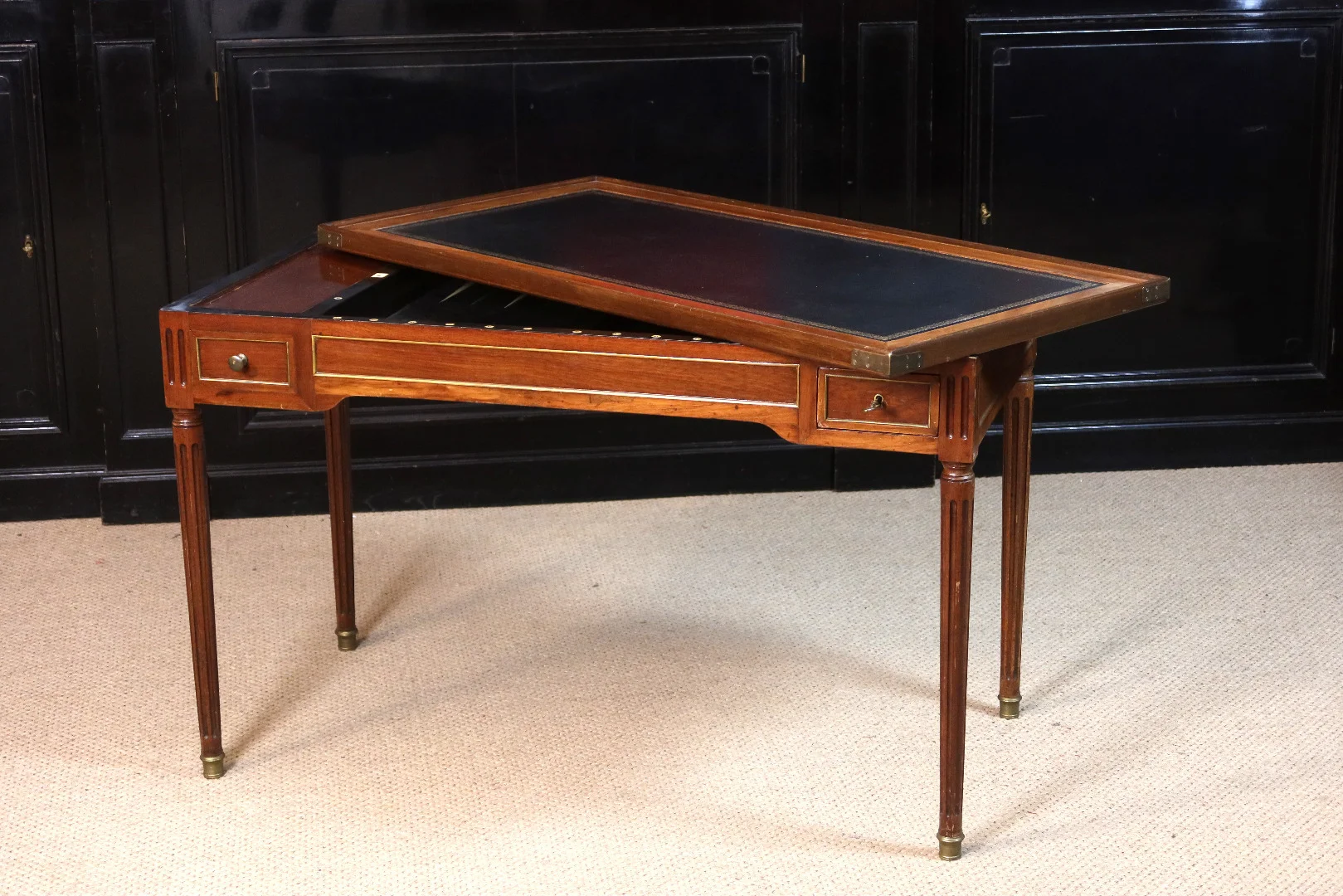
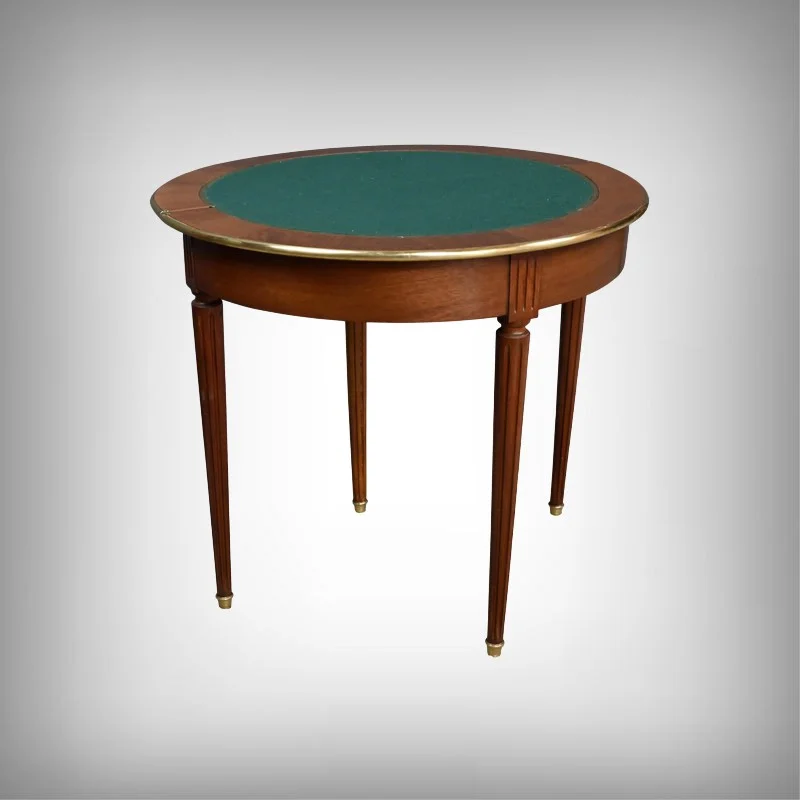
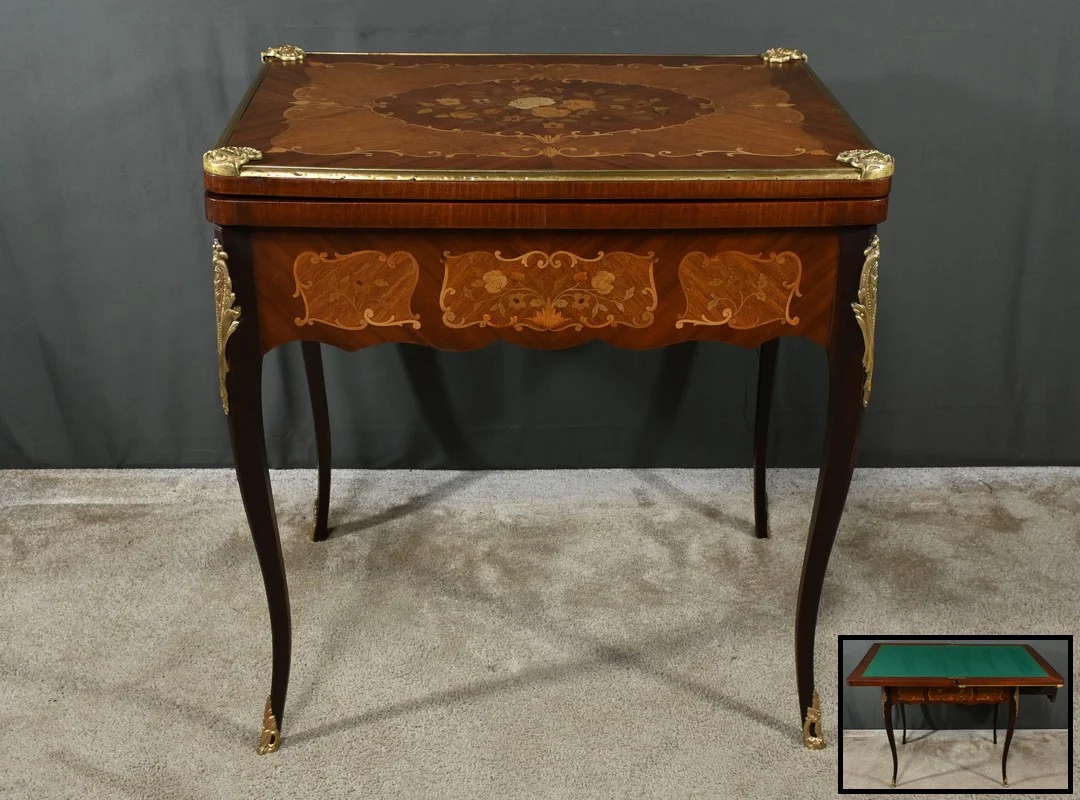
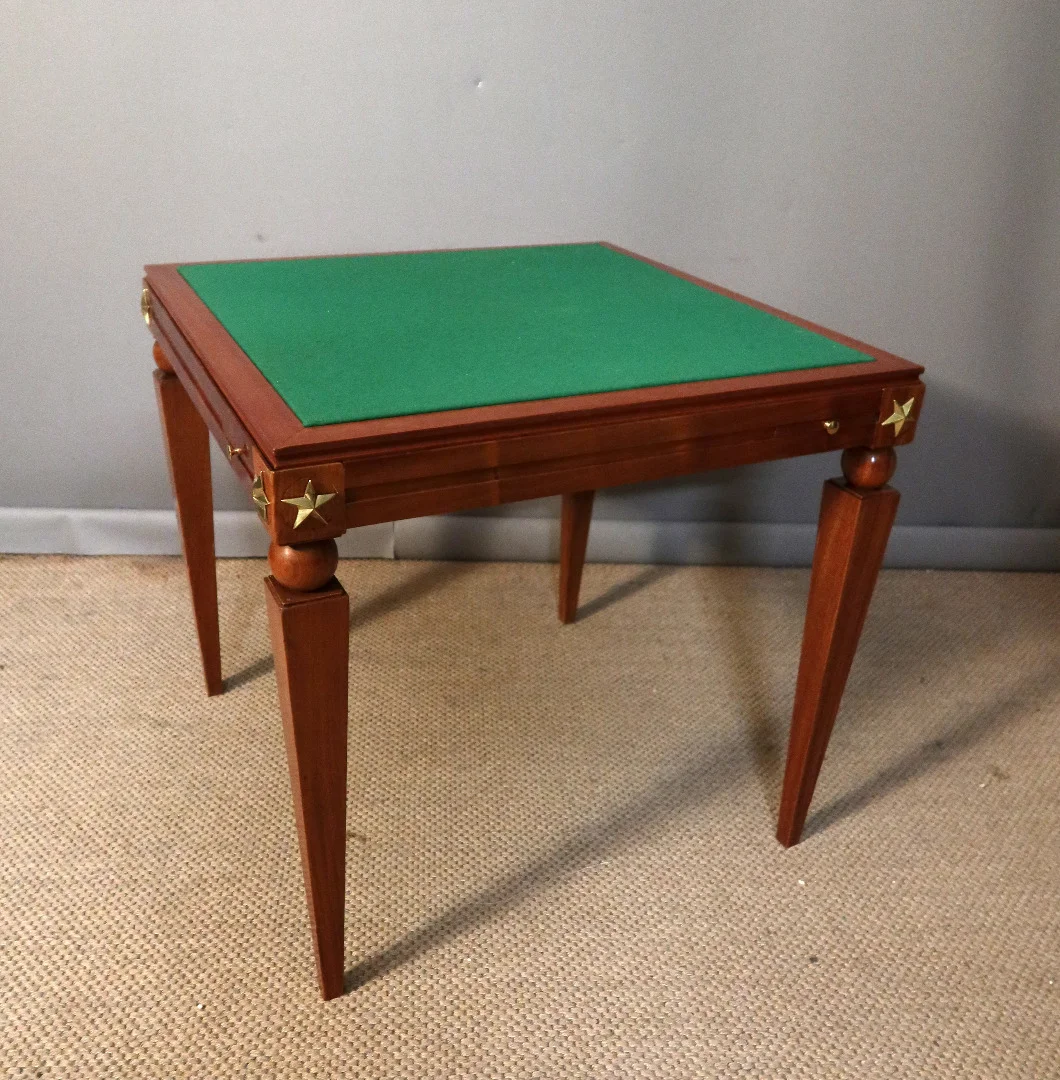
At once functional and decorative, the antique games table holds a singular place in the history of French furniture. Emerging in the 17th century and refined throughout the 18th, these pieces range from tric-trac tables and backgammon boards to card tables for quadrille or boston, most fitted with a reversible top in green baize or tooled leather. Master ébénistes — Boudin, Topino, Canabas — produced outstanding stamped examples in mahogany, walnut and tulipwood.
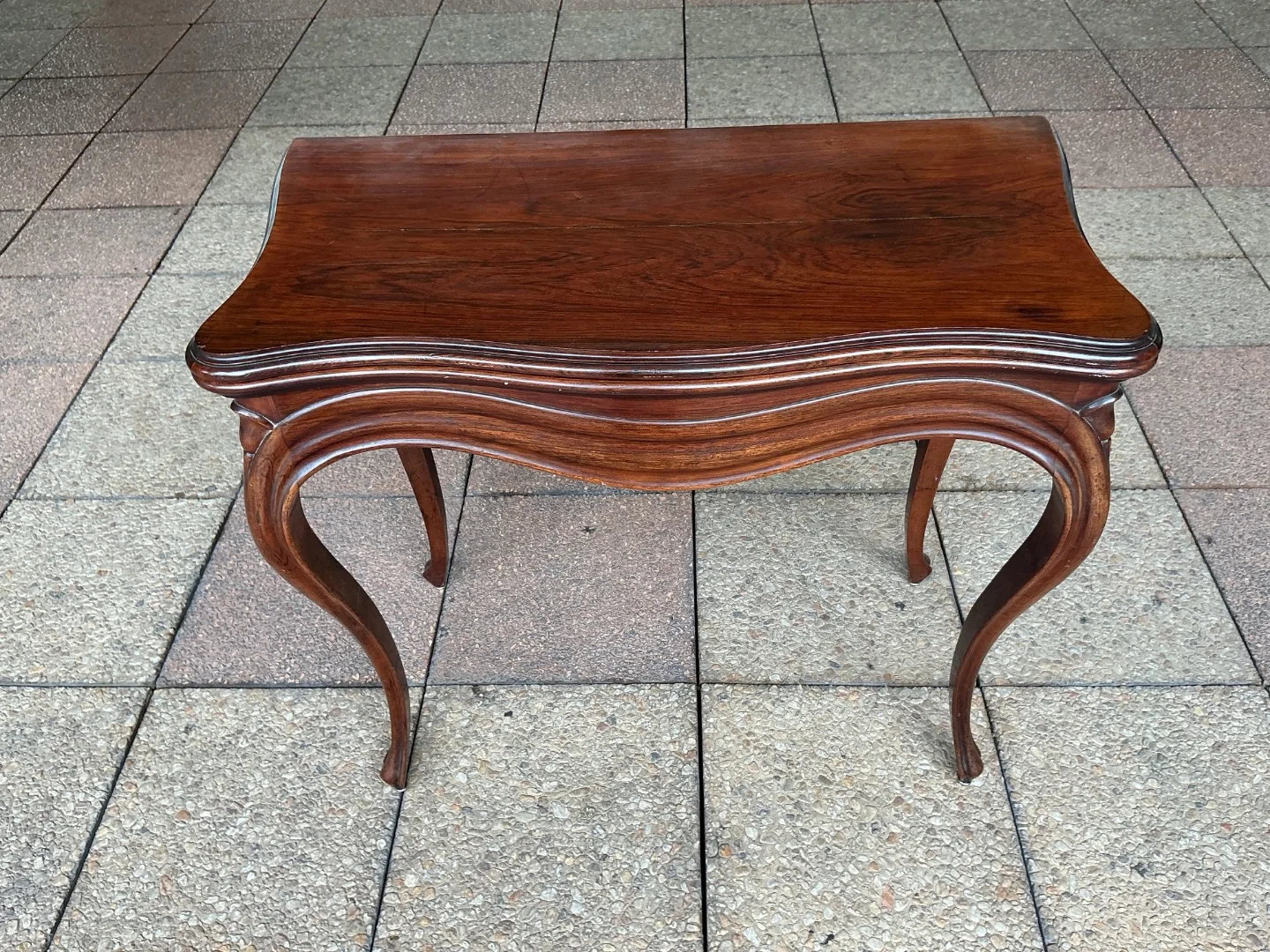
From Louis XV cabriole legs and chiselled bronzes to the straight-lined Empire style and the geometric marquetry of Charles X, each period left its own formal signature. Browse our full range of antique tables to explore the wider category.
75 objects found
Philippe Cote Antiquites — Chauffailles
2R Antiquites — Caluire-et-Cuire
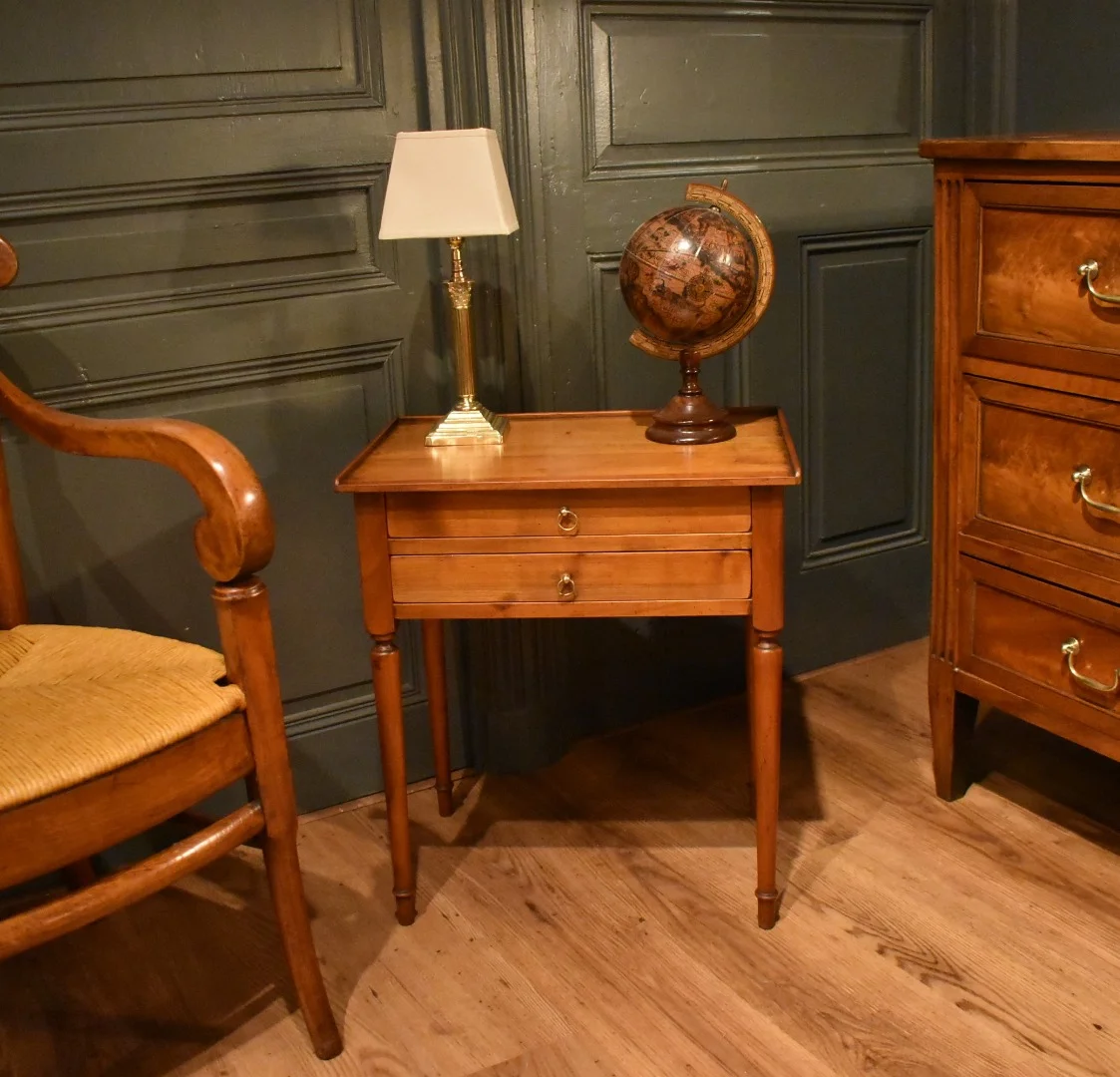
Antiquités Anne Marie Perrier — La Boisse
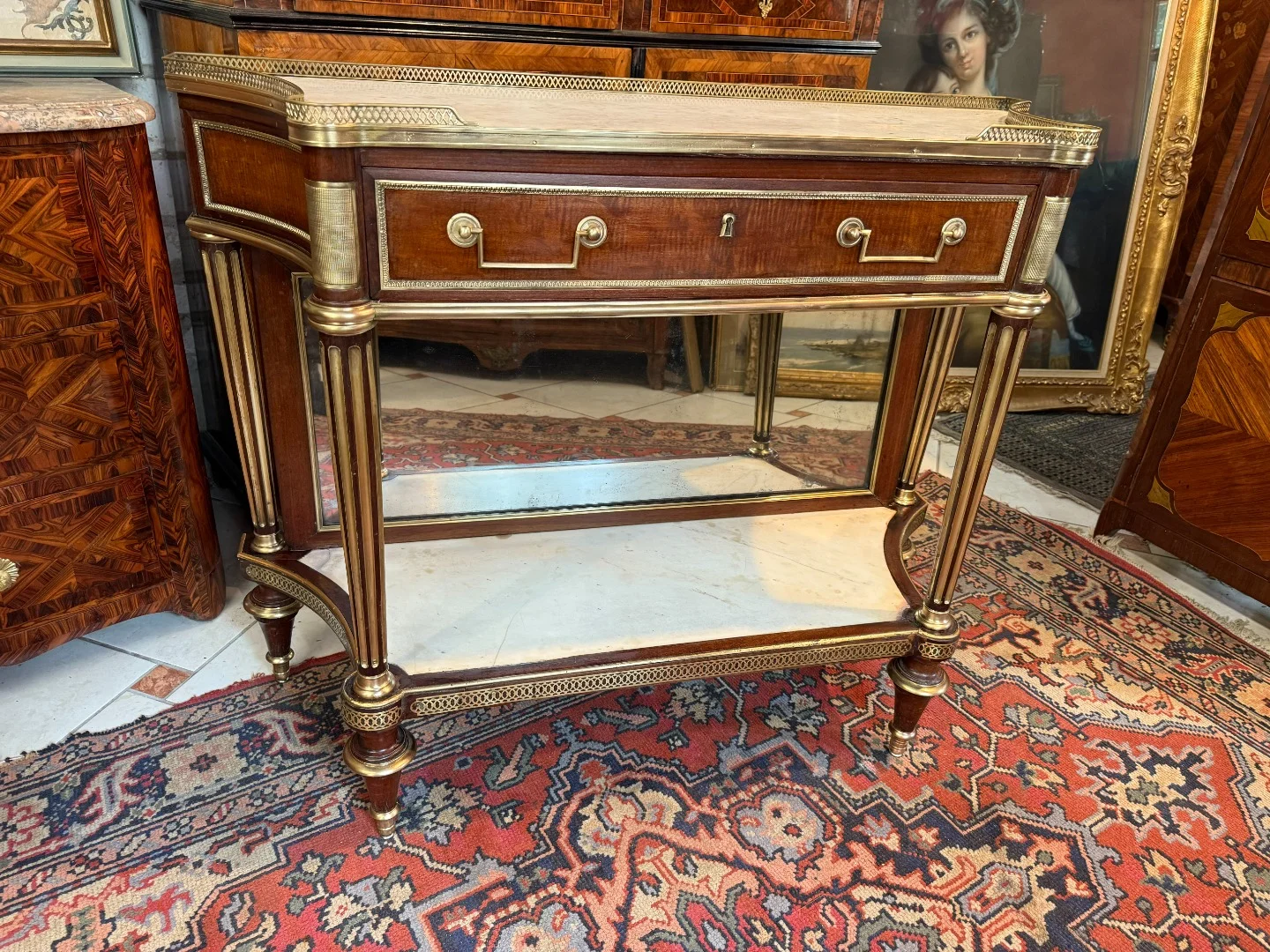
Romain Lichtensztein — Maignelay-Montigny
Philippe Cote Antiquites — Chauffailles
Antiquités Lecomte — Héric
Romain Lichtensztein — Maignelay-Montigny
Eric Saget — Paris
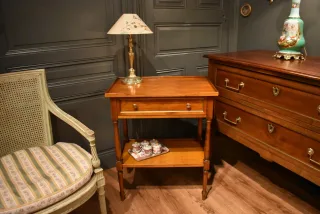
Antiquités Anne Marie Perrier — La Boisse
Antiquités Christophe Rochet — Villeurbanne

Au Réveil Du Temps — Saint-Nabord
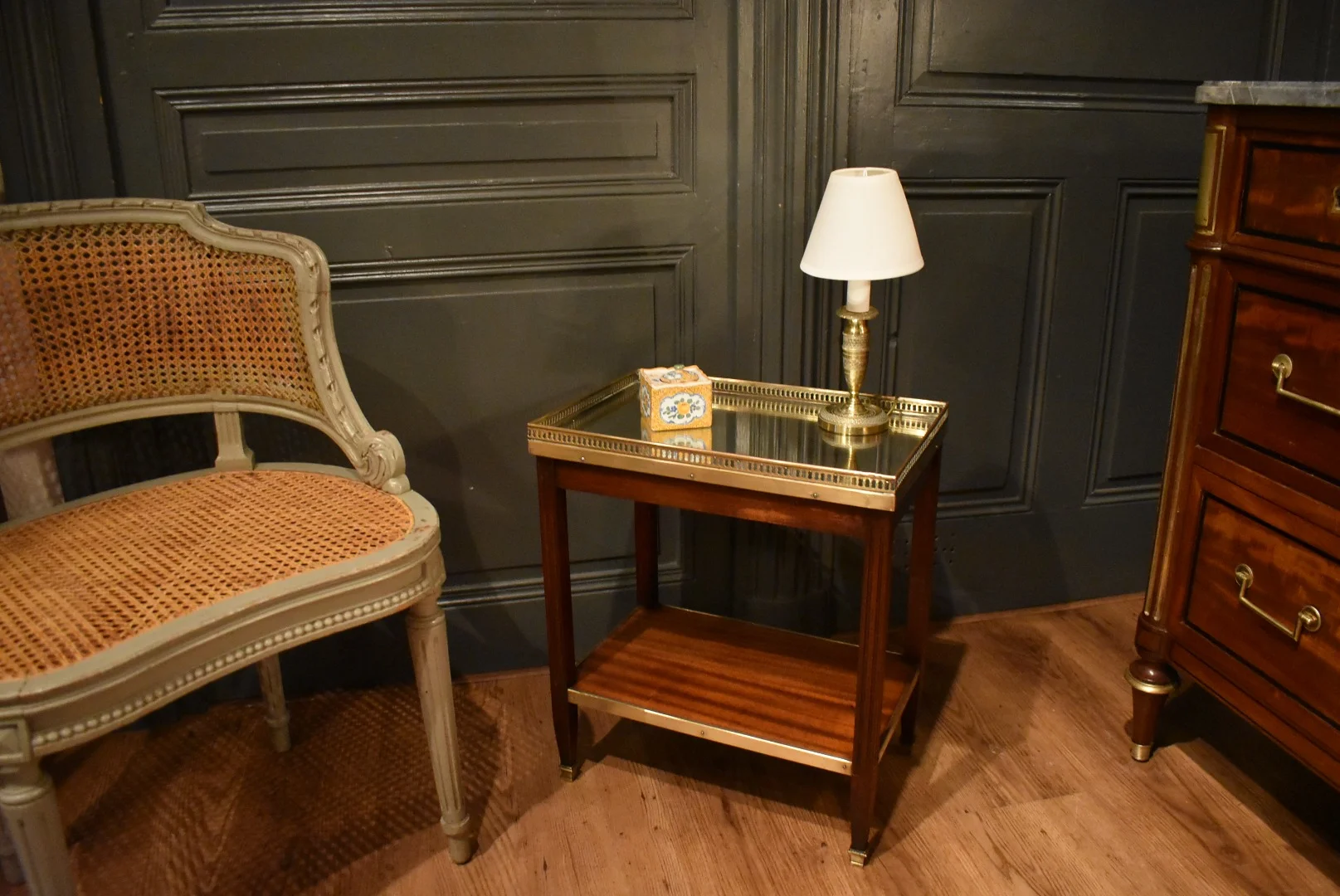
Antiquités Anne Marie Perrier — La Boisse
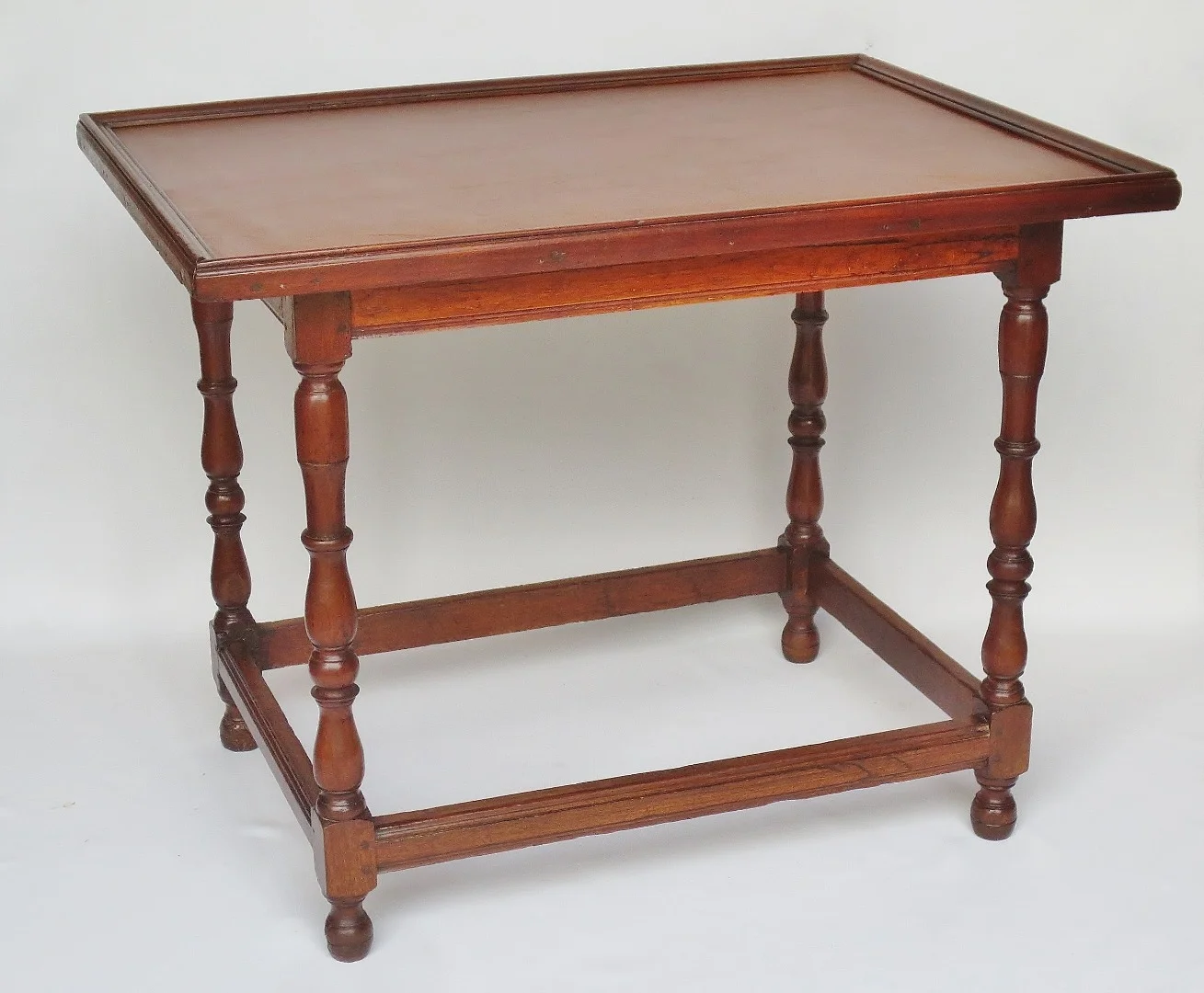
Anne Besnard — Saint-Ouen
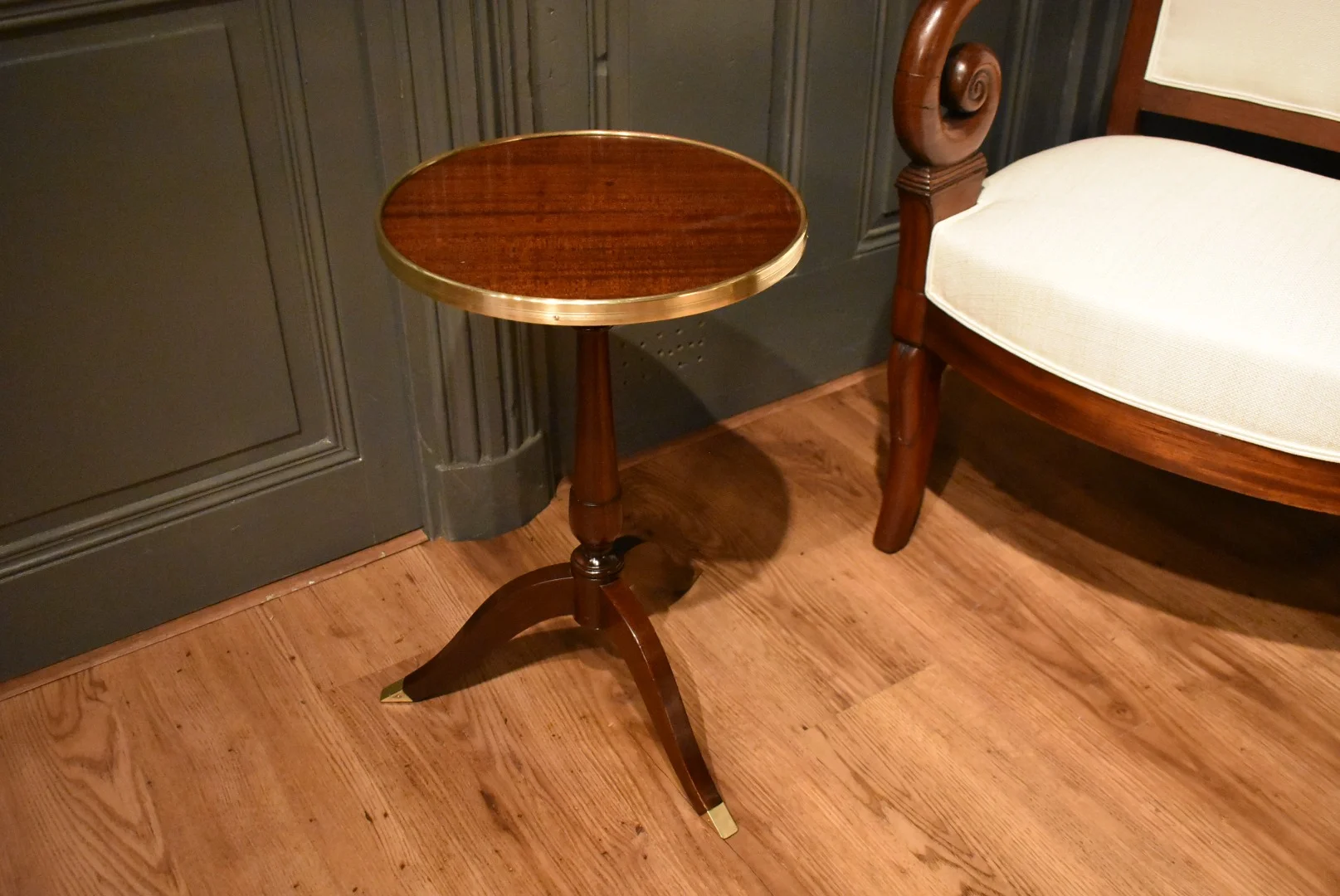
Antiquités Anne Marie Perrier — La Boisse
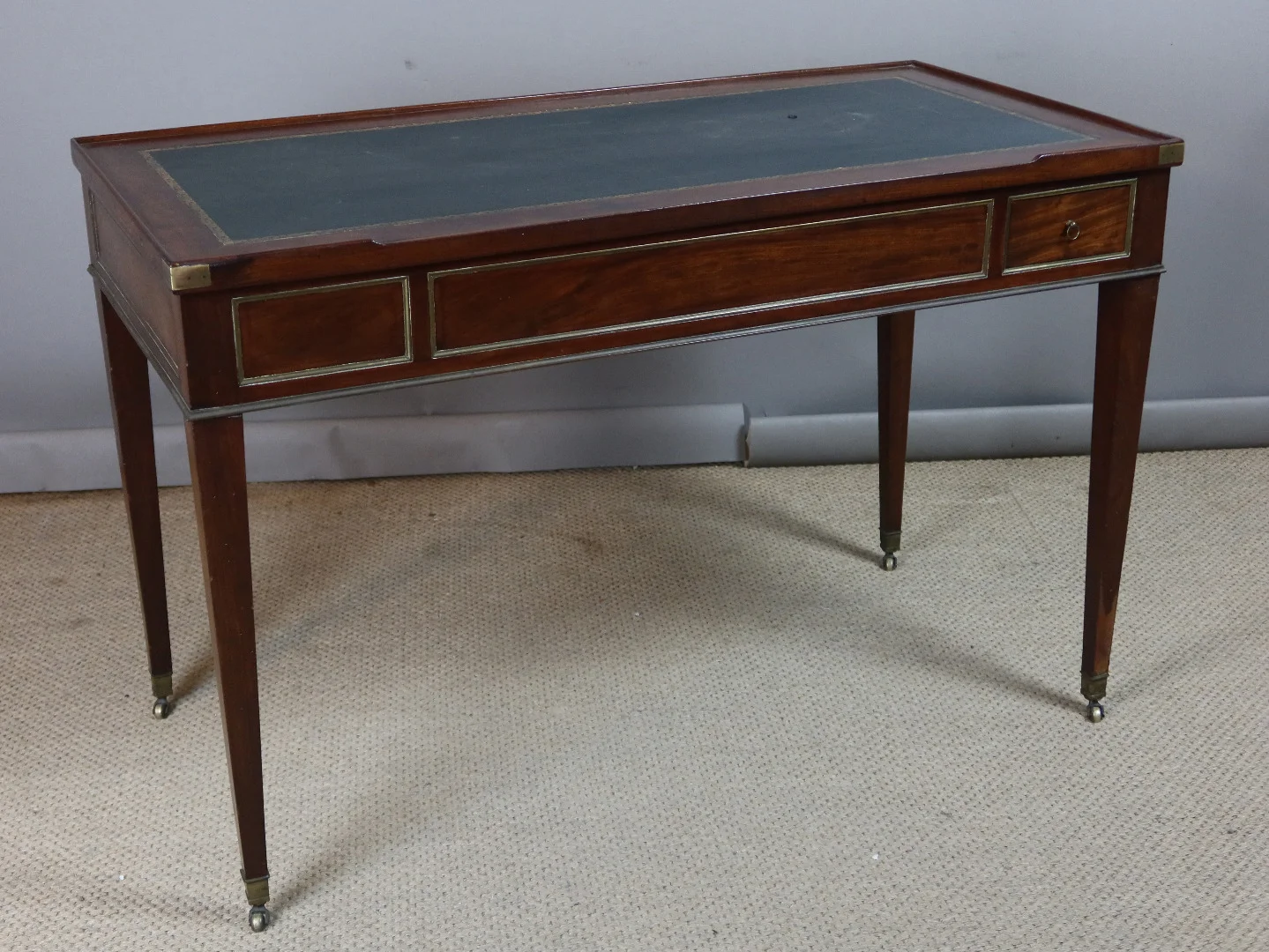
Philippe Cote Antiquites — Chauffailles
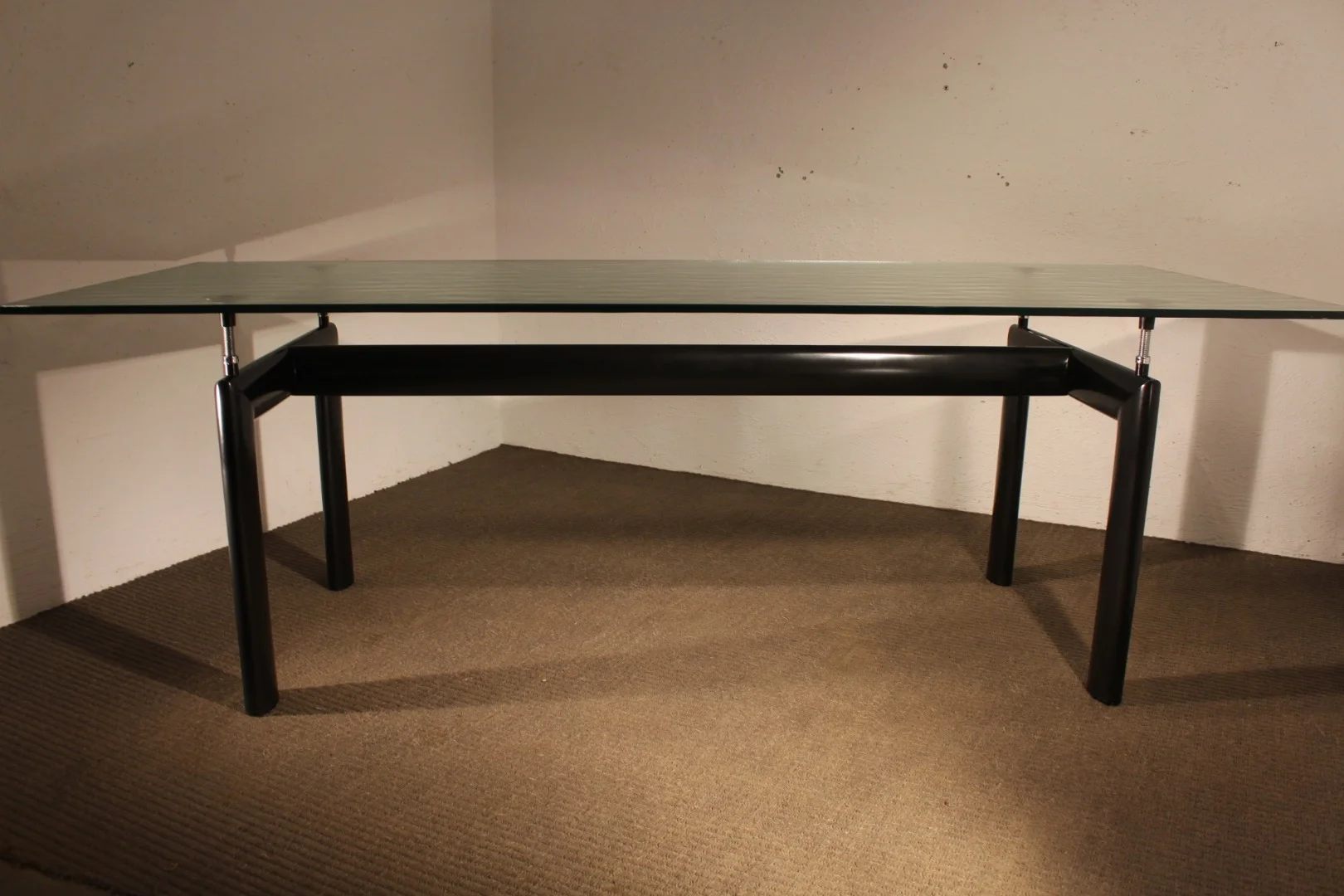
Au Réveil Du Temps — Saint-Nabord
Galerie Lauretta — Mandelieu-la-Napoule
Romain Lichtensztein — Maignelay-Montigny
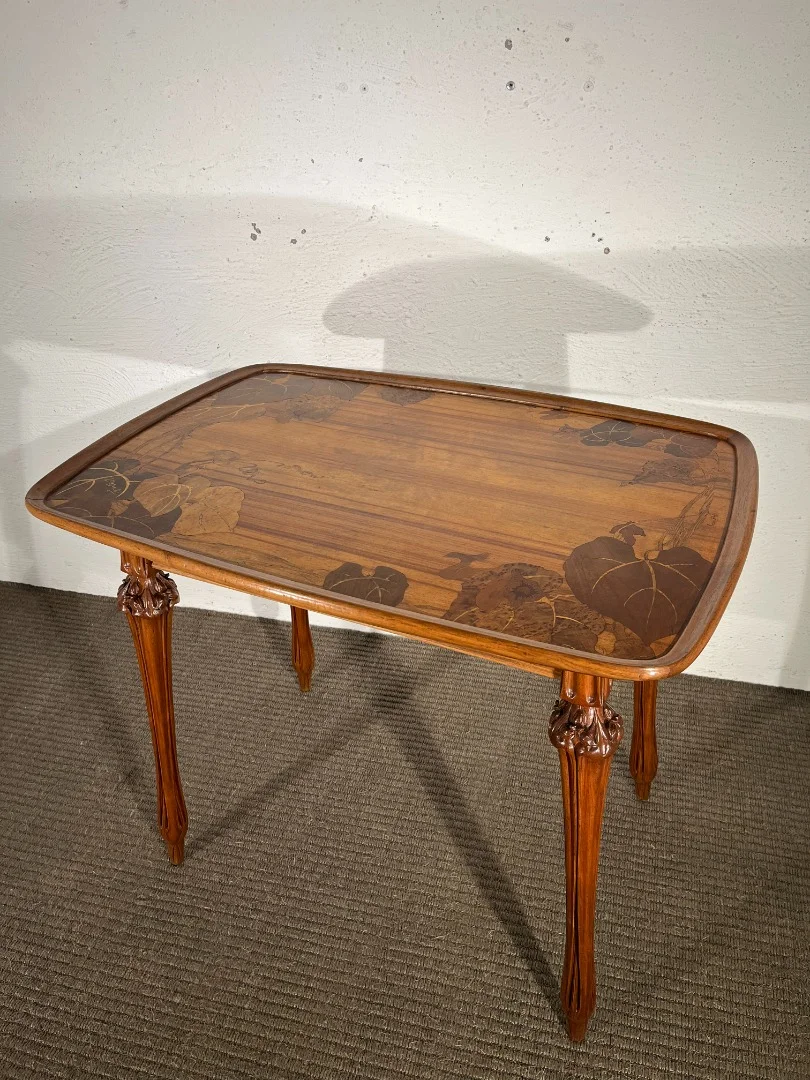
Au Réveil Du Temps — Saint-Nabord
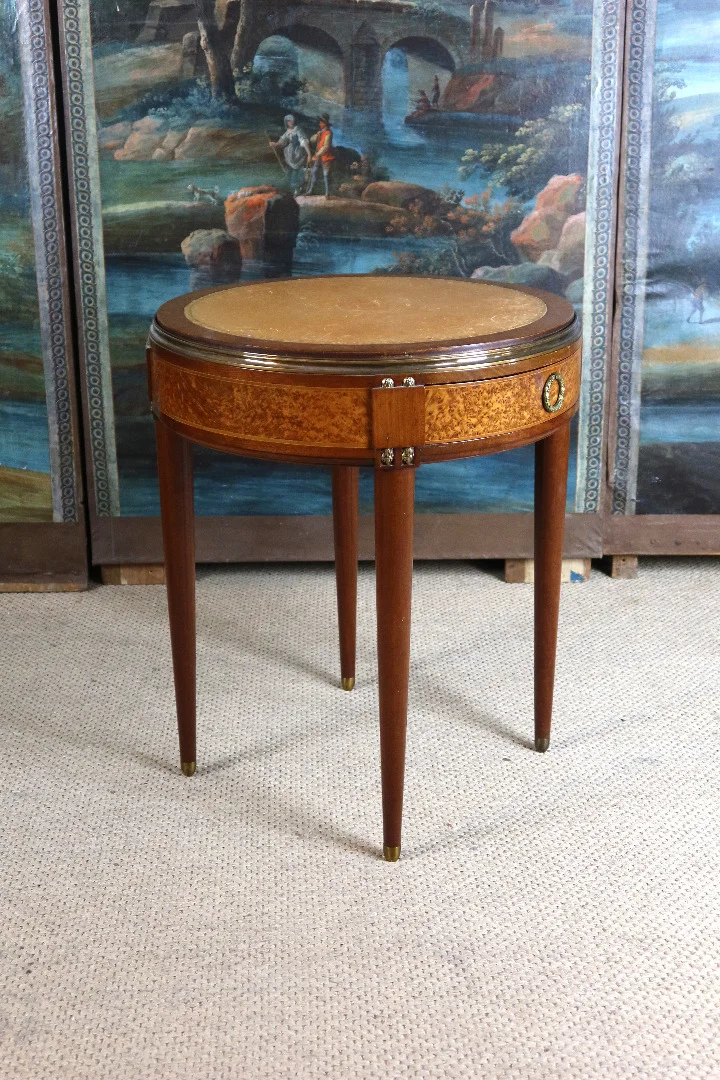
Philippe Cote Antiquites — Chauffailles
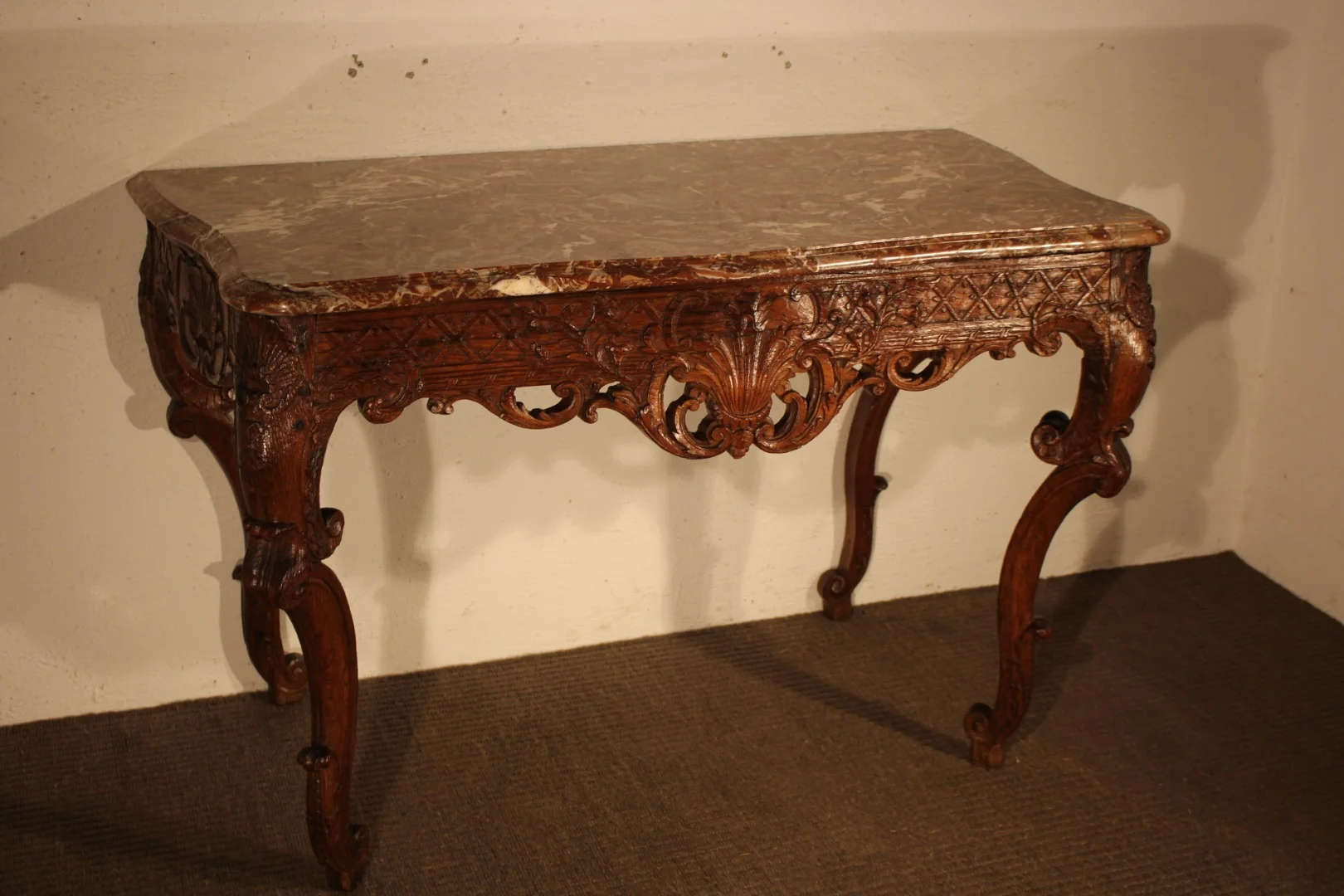
Au Réveil Du Temps — Saint-Nabord
Antiquités Lecomte — Héric
L’ESTAMPILLE — Navilly
Philippe Cote Antiquites — Chauffailles
Authenticating a genuine period games table begins with the construction. Hand-cut dovetail joints, mortise-and-tenon frames and secondary-wood drawer bottoms in oak or poplar are reliable signs of pre-industrial craftsmanship. An ébéniste's stamp struck beneath the top or inside a drawer — ideally accompanied by the Parisian guild mark (JME) — is the strongest guarantee for pieces made before the Revolution. Be cautious with 19th-century reproductions: they are often beautifully made but lack this hallmark.
In terms of timber, mahogany games tables dominate Directoire and Empire production, while tulipwood and rosewood characterise quality Louis XV and Louis XVI pieces. Lighter woods — maple, lemonwood, elm burr — are typical of Restauration and Charles X output. Always inspect the reversible top carefully: original baize or leather, however worn, is preferable to a recent replacement that may conceal structural damage beneath.
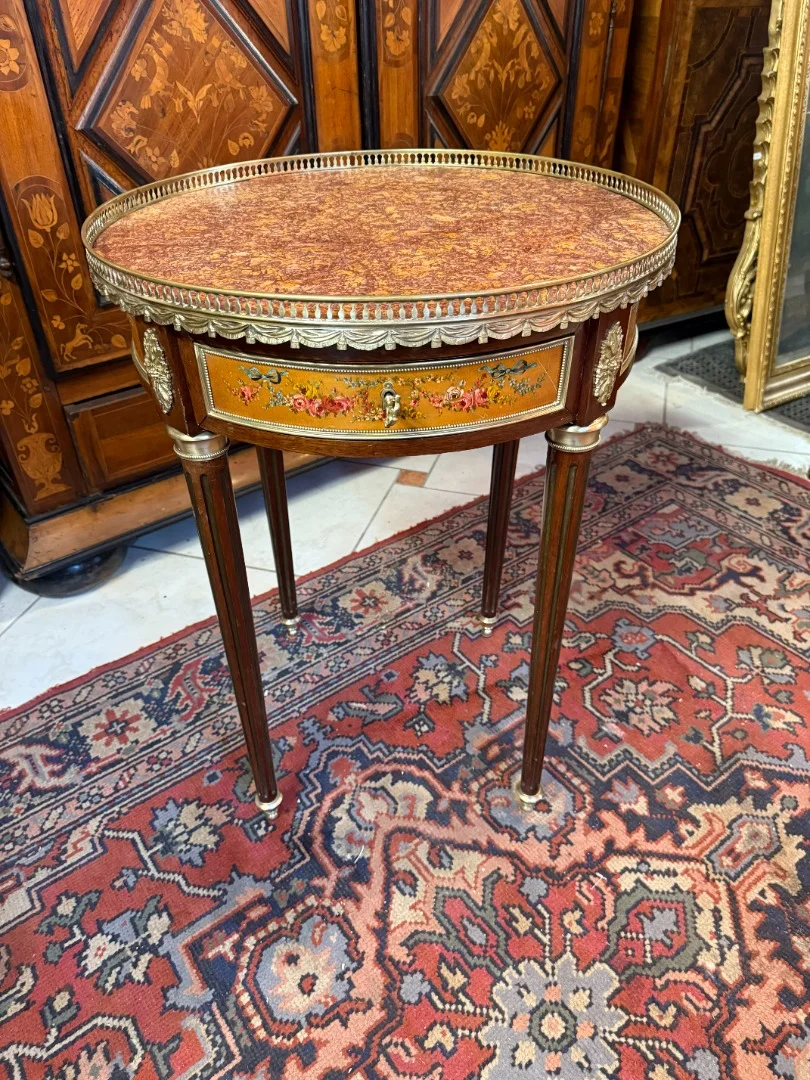
Prices for an antique games table vary widely according to period, timber, the presence of a maker's stamp and overall condition. Expect to pay from around £350–£1,200 for an unsigned provincial piece, £1,800–£7,000 for a stamped Parisian ébéniste example, and considerably more for a documented masterwork. Marquetry games tables decorated with trophies or foliate scrollwork regularly achieve strong results at auction.
Every piece listed on Antiquités en France is offered by a verified professional dealer who can supply detailed photographs, exact dimensions and full provenance history. Contact the dealer directly to request a condition report or restoration certificate before committing to a purchase.