
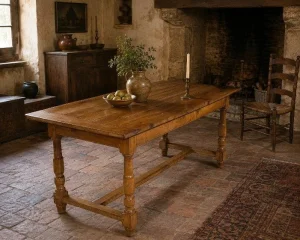
Louis XIII 17th-century solid cherry community table
L'atelier De La Dorure — Calmont
1 400,00 €
Very good condition
431 objects found
Antique decorative furniture occupies a special place in the world of antiques: marble-topped console tables, gilt mirrors, carved wood shelves, pedestals and guéridon tables — pieces designed as much for ornament as for use. From Louis XV decorative furniture to Belle Époque creations, every period produced its own iconic forms, recognisable by the quality of their timber, the refinement of their bronze mounts and the integrity of their original patina.
On Antiquités en France, carefully selected professional dealers offer antique console tables and antique gilt mirrors spanning all periods, each verified and documented.
431 objects found
L'atelier De La Dorure — Calmont
L'atelier De La Dorure — Calmont
L'atelier De La Dorure — Calmont
L'atelier De La Dorure — Calmont
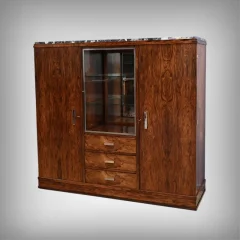
Antiquités Lecomte — Héric
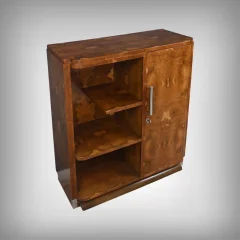
Antiquités Lecomte — Héric
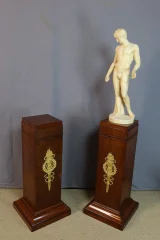
Philippe Cote Antiquites — Chauffailles
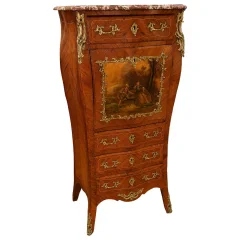
Les Trésors d'avril 71. — Saint-Bonnet-de-Vieille-Vigne
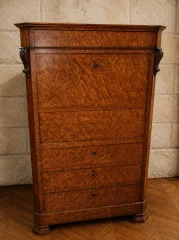
Les Trésors d'avril 71. — Saint-Bonnet-de-Vieille-Vigne
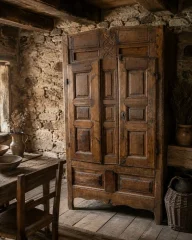
L'atelier De La Dorure — Calmont
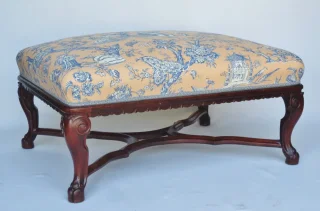
Anne Besnard — Saint-Ouen
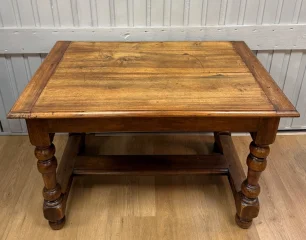
2R Antiquites — Caluire-et-Cuire
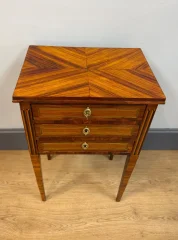
2R Antiquites — Caluire-et-Cuire

2R Antiquites — Caluire-et-Cuire
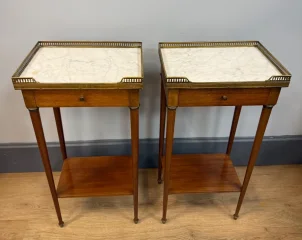
2R Antiquites — Caluire-et-Cuire
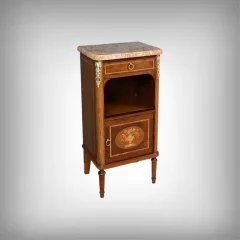
Antiquités Lecomte — Héric
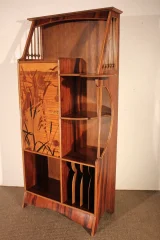
Au Réveil Du Temps — Saint-Nabord
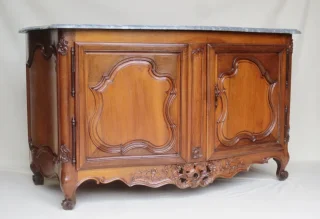
Anne Besnard — Saint-Ouen
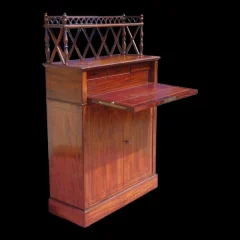
L'atelier De La Dorure — Calmont
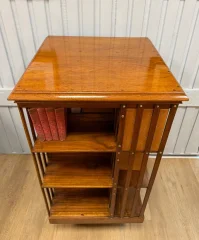
2R Antiquites — Caluire-et-Cuire
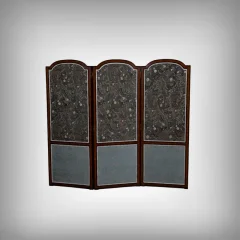
Antiquités Lecomte — Héric
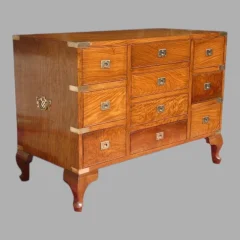
L'atelier De La Dorure — Calmont
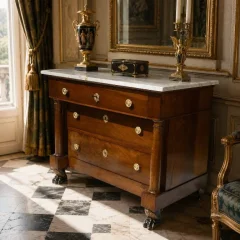
L'atelier De La Dorure — Calmont
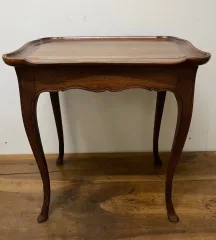
2R Antiquites — Caluire-et-Cuire
When choosing a piece of antique decorative furniture, start with the structure: solid timber or a period veneer will show a natural patina, wear consistent with its age, and hand-cut joinery — mortise-and-tenon joints, wooden pegs. Original gilt bronze mounts retain their mercury gilding, warmer and deeper in tone than any modern recast. On an antique mirror, the original silvering reveals itself through faint iridescence and characteristic small spots — marks of authenticity, not of damage.
The major periods represented in this category span the 17th century through to the 1930s: Régence, Louis XV, Louis XVI, Empire, Napoléon III and Art Nouveau. Each style has its own formal vocabulary — cabriole legs and rocaille ornament for Louis XV, straight lines and fluting for Louis XVI, naturalistic motifs for the Art Nouveau period. Knowing these markers helps you date a piece and spot later pastiches.
In terms of budget, period decorative furniture ranges from a few hundred pounds or euros for a small pedestal or style guéridon, up to tens of thousands for a stamped console or a period trumeau mirror. The condition of the veneer, the presence of original bronze mounts and documented provenance — an old invoice or expert appraisal — are the principal value drivers. Be wary of heavy recent restoration that may conceal significant losses: always ask for photographs taken in raking light to reveal the true surface condition.
On Antiquités en France, every piece is offered by a verified professional antique dealer, able to provide precise dimensions, detailed photographs and a provenance certificate where available. Browse our antique display shelves and vitrines or explore the solid silver category to complete your interior with further pieces of character. Contact the dealer of your choice directly with any questions before purchasing.