
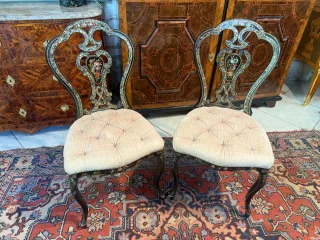
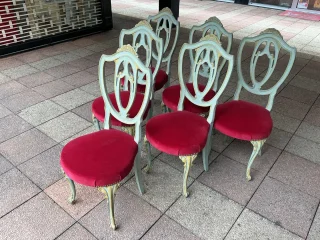
Pair of Napoleon III State Chairs
Romain Lichtensztein — Maignelay-Montigny
450,00 €
347 objects found
The antique chair is one of the most eloquent expressions of French cabinet-making. From the Louis XV cabriolet-back seat to the straight-legged caned chairs of the Directoire, through to Napoleon III medallion-back models upholstered in velvet, every period imposed its own formal codes and preferred materials. Walnut, beech, mahogany or lacquered wood: the quality of the timber and the refinement of the carving are the first hallmarks of a fine piece.
On Antiquités en France, period chairs are offered individually, in pairs or as matched sets by verified professional dealers, ensuring authenticity and full traceability. Explore our wider selection of antique armchairs and seating to complete a room scheme.
347 objects found
Romain Lichtensztein — Maignelay-Montigny
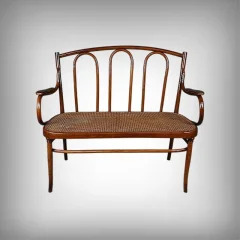
Antiquités Lecomte — Héric
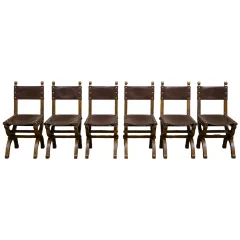
le village des brocanteurs 58 — Dun-les-Places
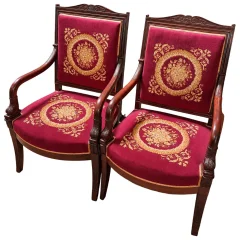
le village des brocanteurs 58 — Dun-les-Places
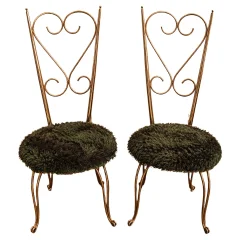
le village des brocanteurs 58 — Dun-les-Places
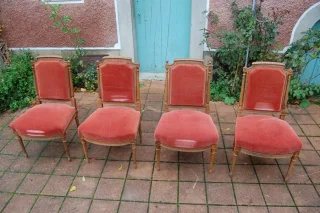
Antiquités Rousseau — Évry
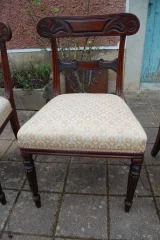
Antiquités Rousseau — Évry
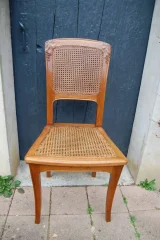
Antiquités Rousseau — Évry
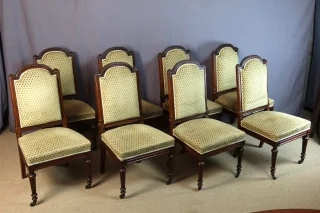
Philippe Cote Antiquites — Chauffailles
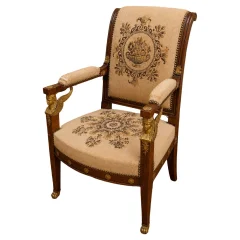
le village des brocanteurs 58 — Dun-les-Places
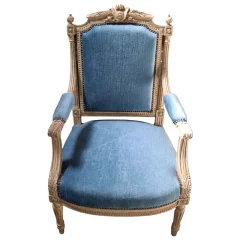
le village des brocanteurs 58 — Dun-les-Places
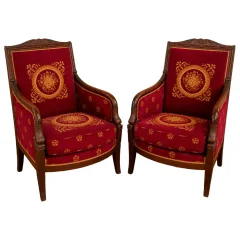
le village des brocanteurs 58 — Dun-les-Places
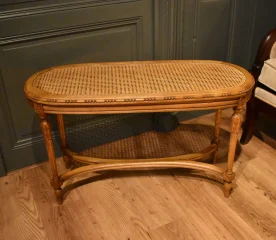
Antiquités Anne Marie Perrier — La Boisse
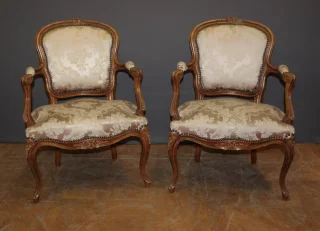
Antiquités Christophe Rochet — Villeurbanne
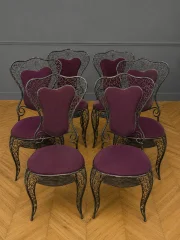
le village des brocanteurs 58 — Dun-les-Places
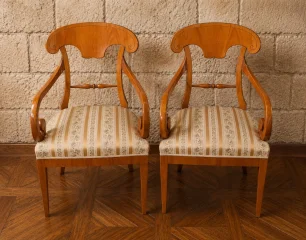
le village des brocanteurs 58 — Dun-les-Places
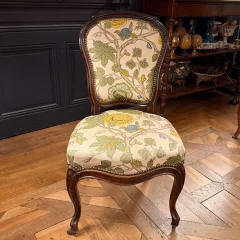
Ponvianne Antiquités — Marcy-l'Étoile
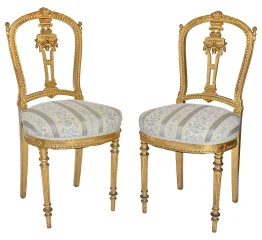
Espaces et Formes — Paris XVIII Arrdt
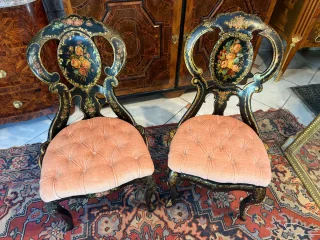
Romain Lichtensztein — Maignelay-Montigny
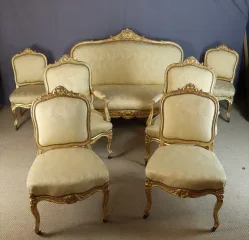
Philippe Cote Antiquites — Chauffailles
Eric Saget — Paris
Philippe Cote Antiquites — Chauffailles

French-antiques.fr — Rouen
Antiquités Christophe Rochet — Villeurbanne
Authenticating an antique chair begins with the structure. Look for mortise-and-tenon joints, hand-tool marks on hidden surfaces, and the natural curve of hand-shaped legs — all reliable signs of period craftsmanship. Louis XVI chairs are characterised by their fluted tapering legs and medallion or baluster backs, typically in carved walnut or lacquered beech. Napoleon III examples tend to be more substantial, with a rounded medallion back and original velvet or silk upholstery.
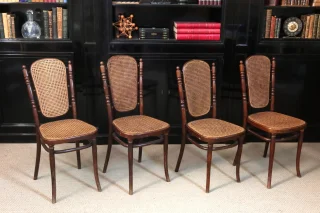
The condition of the upholstery matters enormously: original fabric, even if worn, carries more value than a poorly documented recent re-upholstery. Check the consistency of the textile, the springs and the webbing. On the woodwork, an even, undisturbed patina free from crude paint touch-ups signals careful preservation. Caned chairs deserve particular scrutiny — the caning should be regular, with no broken strands or visible repairs.
In terms of price, a good-quality antique chair typically ranges from around £80 to £400. A pair of stamped period chairs bearing a master ébéniste's mark can reach several thousand pounds, while complete matched sets — six, eight or twelve chairs — are especially sought after and command a significant premium. Always check for a maker's stamp or cachet beneath the seat rail or under the seat board.
Every piece listed on Antiquités en France is offered by a verified professional dealer who can provide detailed photographs, precise dimensions and full provenance information. Contact the seller directly for additional expertise before you buy — it is the surest way to purchase with complete confidence.