
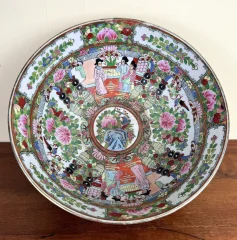
China, late 19th century: Large Canton porcelain bowl
Les Trésors d'avril 71. — Saint-Bonnet-de-Vieille-Vigne
90,00 €
Very good condition
37 objects found
From the 17th century through to the early 1900s, the working kitchen was filled with objects crafted with real skill: antique copper cookware with tinned interiors, tin-plate and earthenware baking moulds, marble mortars, stoneware preserve jars and glazed terrines. These everyday pieces — shaped by regional craftsmen across France and beyond — combine genuine utility with authentic charm. Their patina and honest signs of use tell a living domestic history, and they are increasingly sought after by collectors and lovers of country-house or farmhouse interiors. Antique kitchen collectables offer an accessible and characterful entry point into the antiques market.
37 objects found
Les Trésors d'avril 71. — Saint-Bonnet-de-Vieille-Vigne
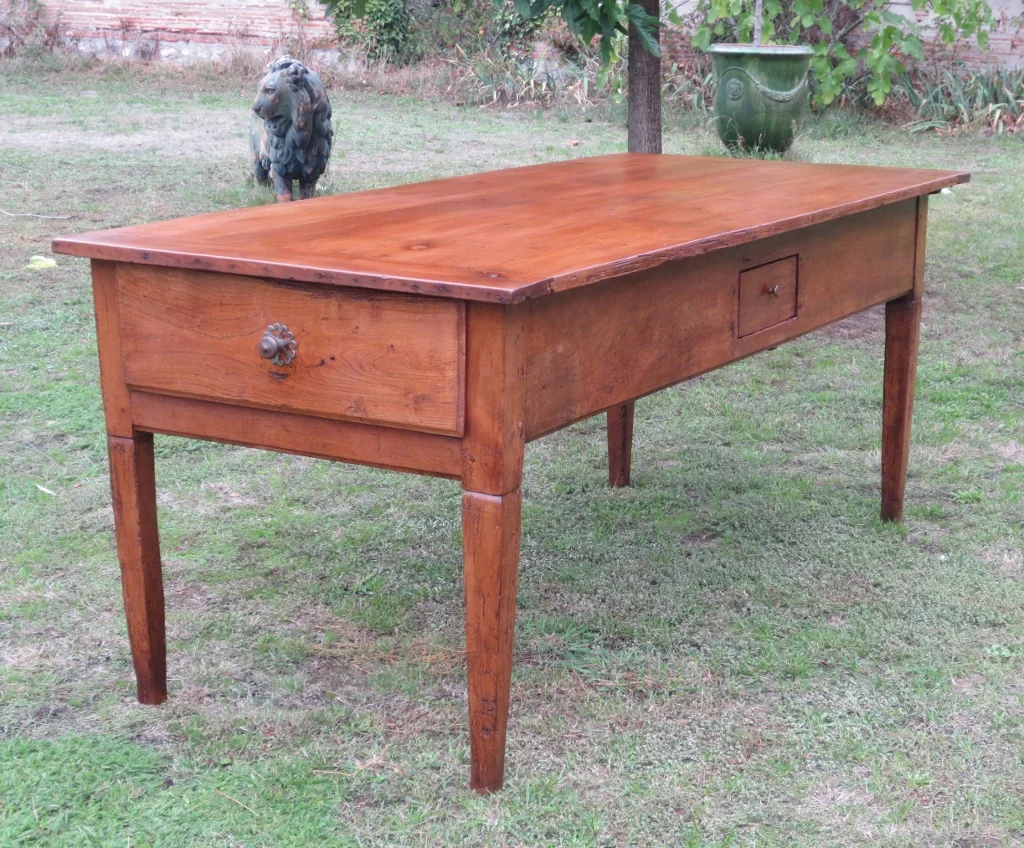
Anne Besnard — Saint-Ouen
Antiquités "Le Vieux Matos" L.V.M — La Chapelle-Saint-Martin-en-Plaine

Antiquités "Le Vieux Matos" L.V.M — La Chapelle-Saint-Martin-en-Plaine

Antiquités "Le Vieux Matos" L.V.M — La Chapelle-Saint-Martin-en-Plaine
Antiquités "Le Vieux Matos" L.V.M — La Chapelle-Saint-Martin-en-Plaine
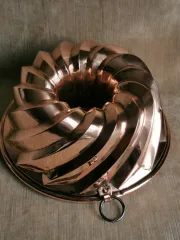
Bernadette Tanzilli Antiquités — Pérouges
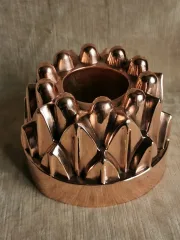
Bernadette Tanzilli Antiquités — Pérouges
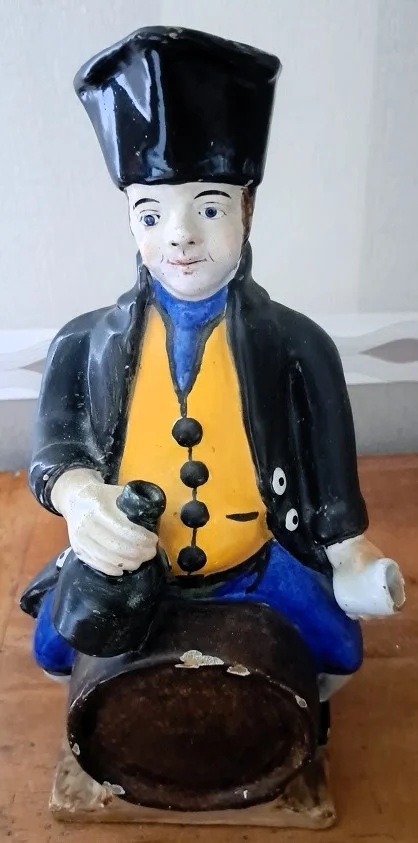
Antiquités "Le Vieux Matos" L.V.M — La Chapelle-Saint-Martin-en-Plaine
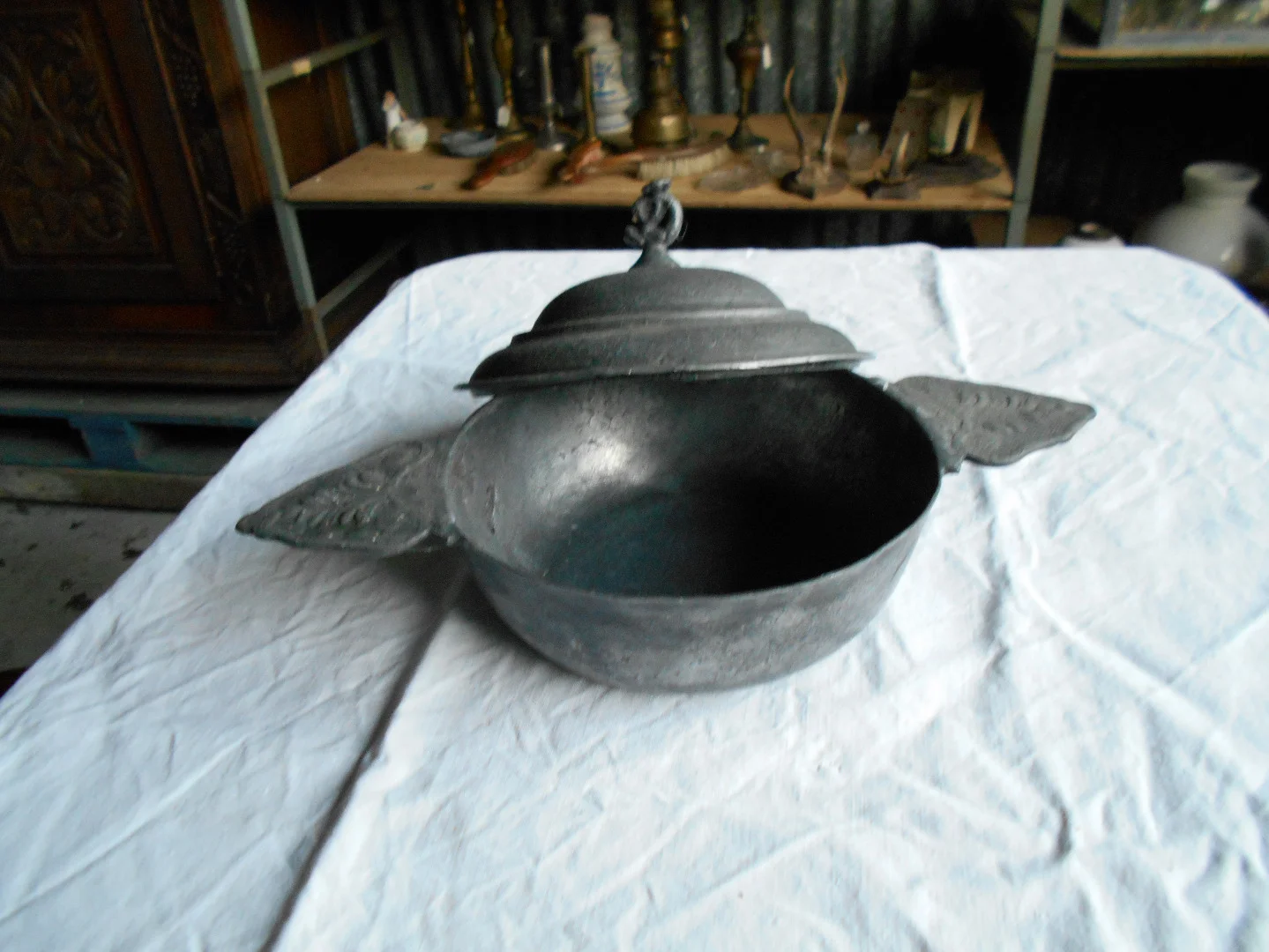
La légende des siècles — Chaillé-les-Marais

Bernadette Tanzilli Antiquités — Pérouges
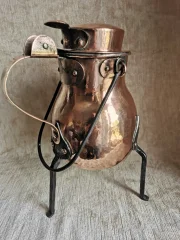
Bernadette Tanzilli Antiquités — Pérouges
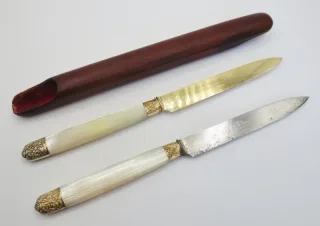
Anne Besnard — Saint-Ouen

Bernadette Tanzilli Antiquités — Pérouges
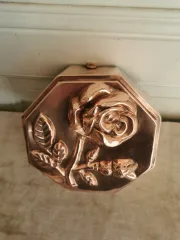
Bernadette Tanzilli Antiquités — Pérouges
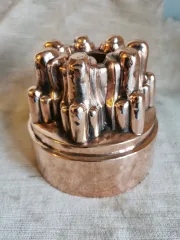
Bernadette Tanzilli Antiquités — Pérouges
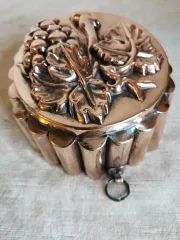
Bernadette Tanzilli Antiquités — Pérouges
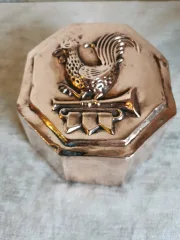
Bernadette Tanzilli Antiquités — Pérouges

Bernadette Tanzilli Antiquités — Pérouges
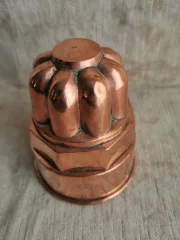
Bernadette Tanzilli Antiquités — Pérouges
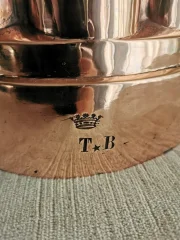
Bernadette Tanzilli Antiquités — Pérouges

Bernadette Tanzilli Antiquités — Pérouges
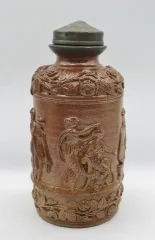
Anne Besnard — Saint-Ouen
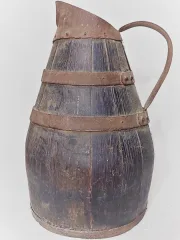
Antiquités "Le Vieux Matos" L.V.M — La Chapelle-Saint-Martin-en-Plaine
When assessing antique copper cookware, look closely at the patina: genuine period pieces show a deep, uneven golden-amber surface, hand-hammered marks and tin-soldered seams. A re-tinned interior does not diminish value provided the copper body itself is old — check for the coppersmith's cold-stamped mark, often found on the handle collar. Modern reproductions betray themselves through overly regular rims, machine-pressed forms and a uniform surface with no coherent wear pattern.
Antique earthenware and faience — Norman butter crocks, Alsatian kugelhopf moulds, Savoyard gratin dishes, Quimper terrines — can be dated by the manufacturer's mark on the base and by the quality of the glaze. A fine, even craquelure is entirely normal with age; chips or significant repairs should always be declared by the seller. For period antique silverware — serving spoons, sauce boats, entrée dishes — always verify the hallmarks: the Minerva head for 950 or 800 silver, and the guarantee mark for imported pieces.
Budget expectations vary widely. Small antique kitchen utensils — ladles, funnels, tin strainers — can be found from around £20–£40, while a handsome regional faience terrine typically sells between £60 and £250. A matched set of 19th-century tinned copper saucepans bearing a named coppersmith's mark can reach several hundred pounds depending on size and condition. Collectors building a themed display will also find natural companions in antique wine and vineyard objects, which sit beautifully alongside kitchen pieces in a period interior.
On Antiquités en France, every piece is offered by a verified professional dealer who can supply detailed photographs, exact dimensions and full provenance information. Browse the antique baking moulds and copper collections, then contact the dealer directly for additional expertise before you buy — it is the surest way to acquire a piece you will treasure for years to come.