
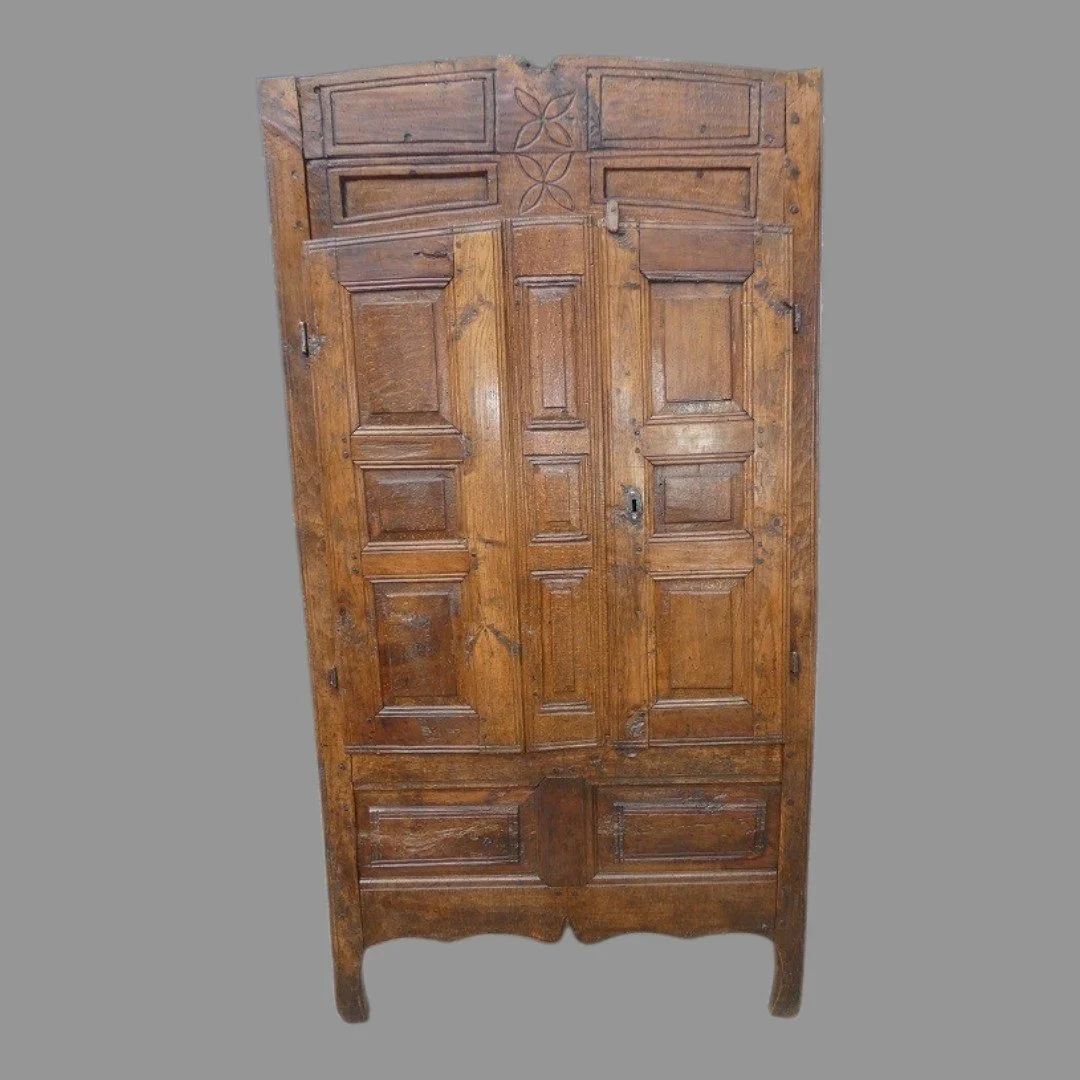
Folk art coffer armoire from Cantal – France – 18th century
L'atelier De La Dorure — Calmont
1 800,00 €
Very good condition
30 objects found
Antique wine and vineyard collectables encompass the remarkable objects born of centuries of viticulture and cellar craft: antique corkscrews in silver, bone or turned wood, hand-blown bottles, miniature oak barrels, carved wooden wine presses, lithographed estate labels and hand-forged coopering tools. Each piece bears witness to a level of artisanal skill that has largely vanished, making them equally appealing to specialist collectors and lovers of characterful interior decoration.
Quality is revealed in the materials — brass, pewter, fruitwood, mouth-blown glass — and in the consistency between genuine signs of wear and the age claimed. The finest examples carry silversmith hallmarks or the cachets of prestigious wine estates, which significantly enhances their value and collectability.
30 objects found
L'atelier De La Dorure — Calmont
Antiquités Anne Marie Perrier — La Boisse
Au Réveil Du Temps — Saint-Nabord
L'atelier De La Dorure — Calmont
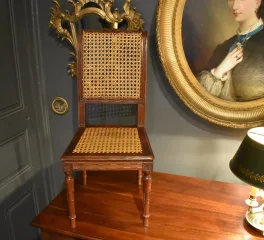
Antiquités Anne Marie Perrier — La Boisse
Antiques Provence — Cheval-Blanc
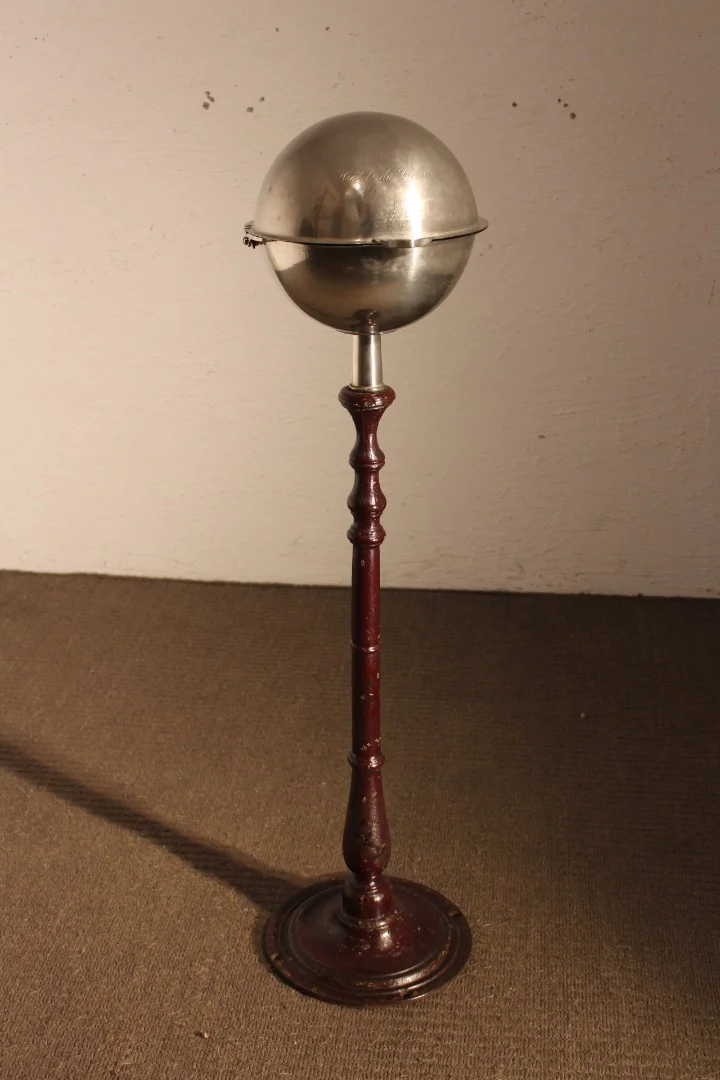
Au Réveil Du Temps — Saint-Nabord
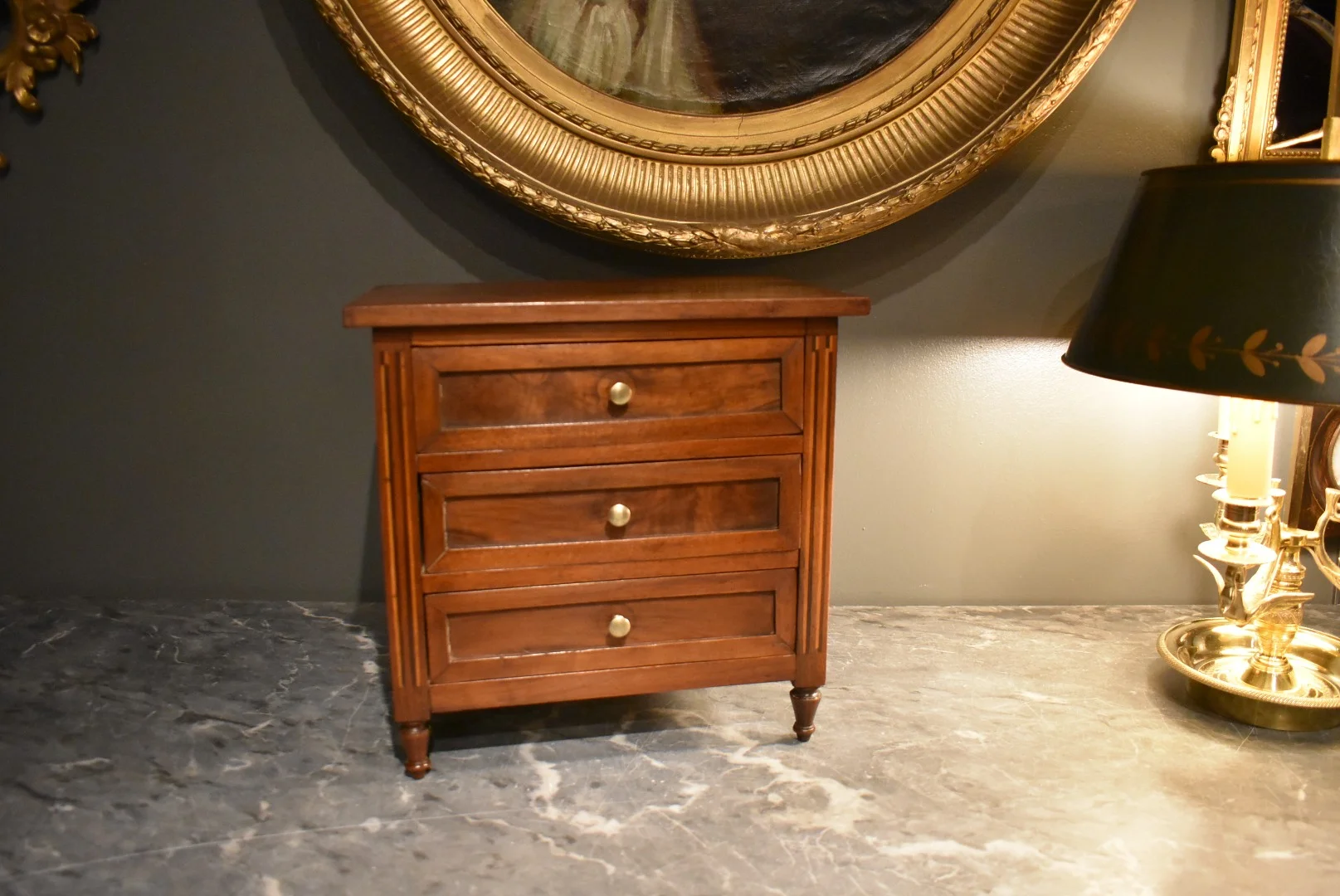
Antiquités Anne Marie Perrier — La Boisse
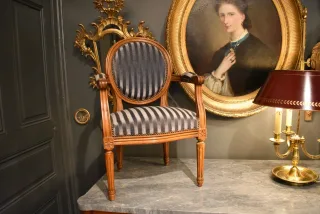
Antiquités Anne Marie Perrier — La Boisse
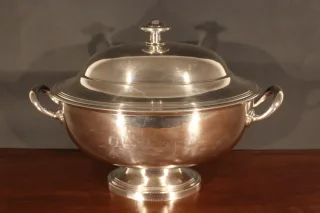
Au Réveil Du Temps — Saint-Nabord
Antiquités Anne Marie Perrier — La Boisse
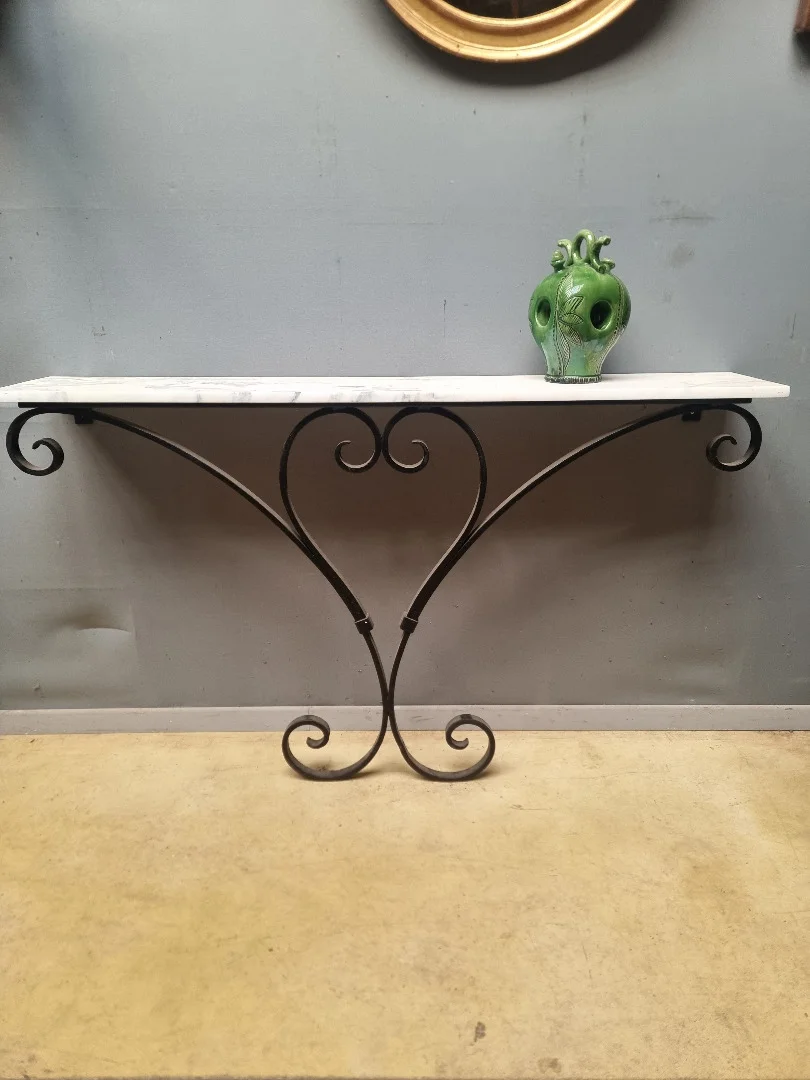
French-antiques.fr — Rouen
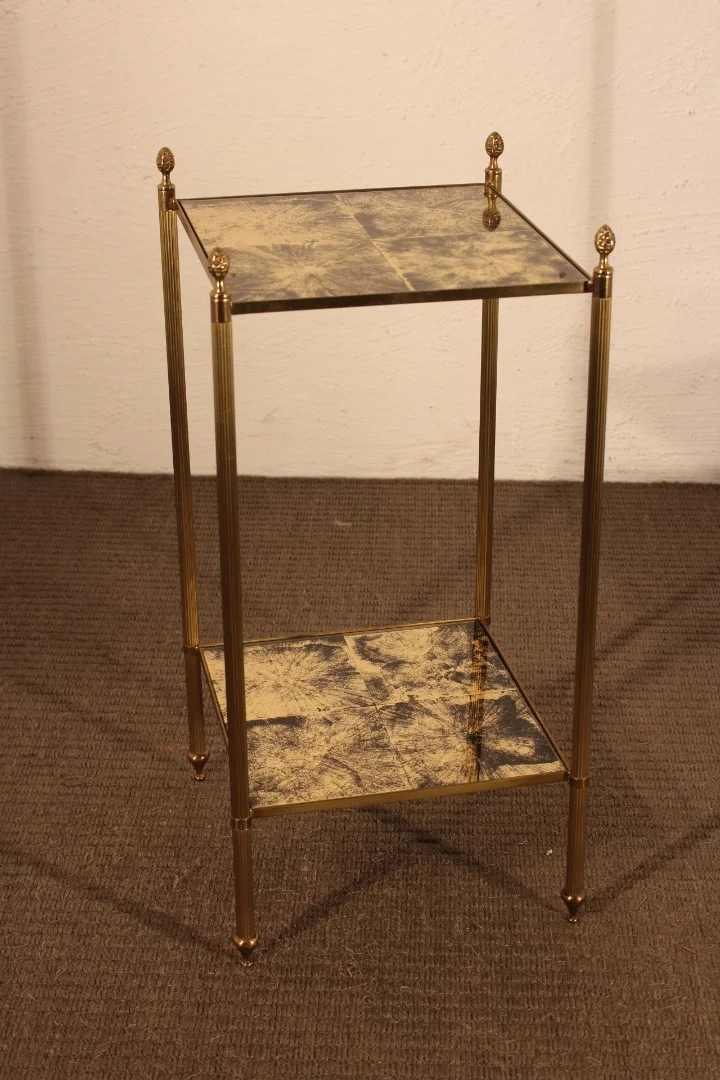
Au Réveil Du Temps — Saint-Nabord
Au Réveil Du Temps — Saint-Nabord
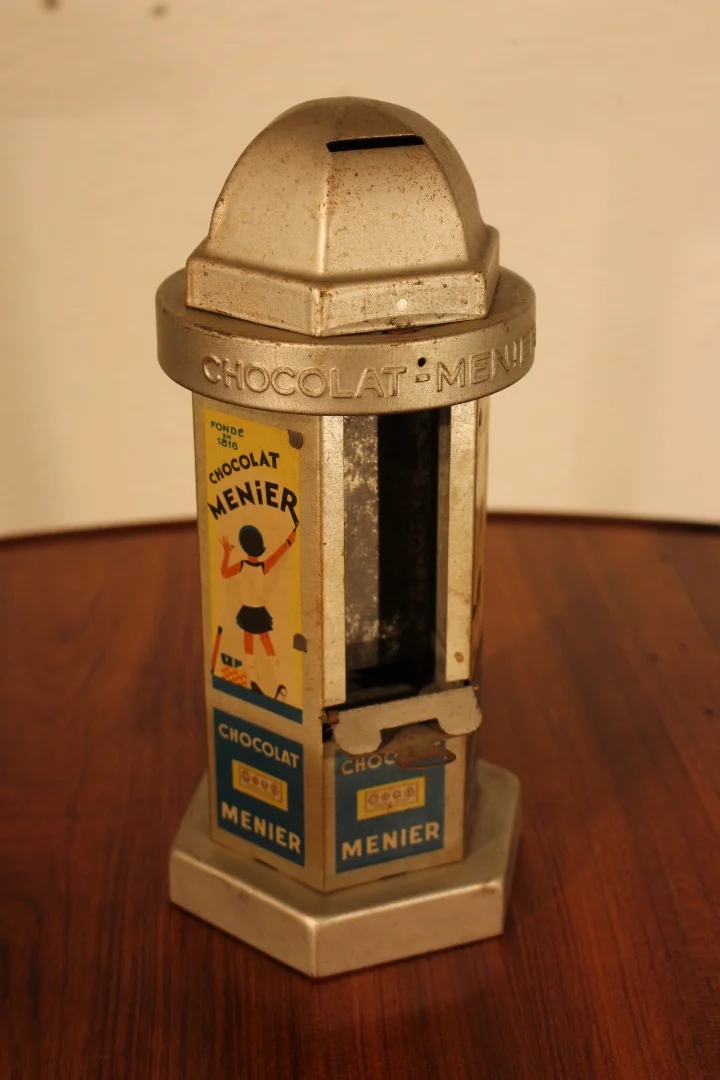
Au Réveil Du Temps — Saint-Nabord
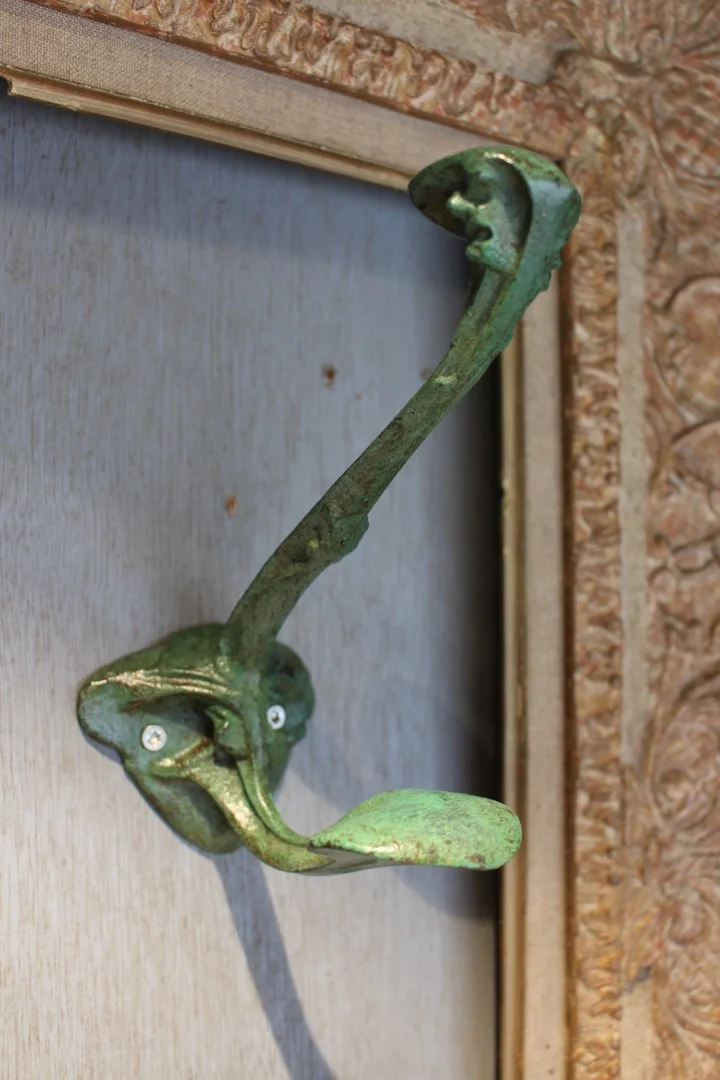
Au Réveil Du Temps — Saint-Nabord
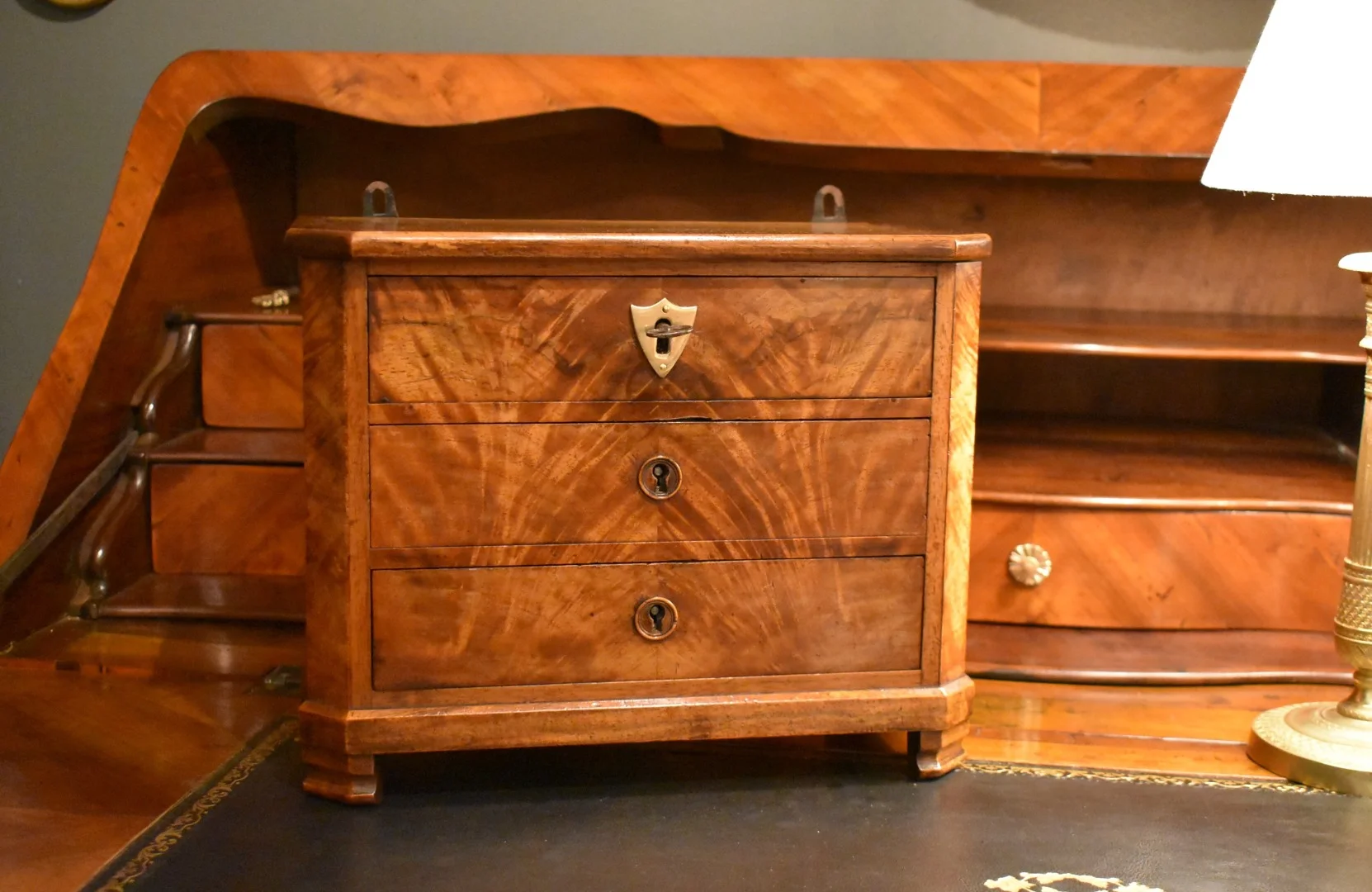
Antiquités Anne Marie Perrier — La Boisse
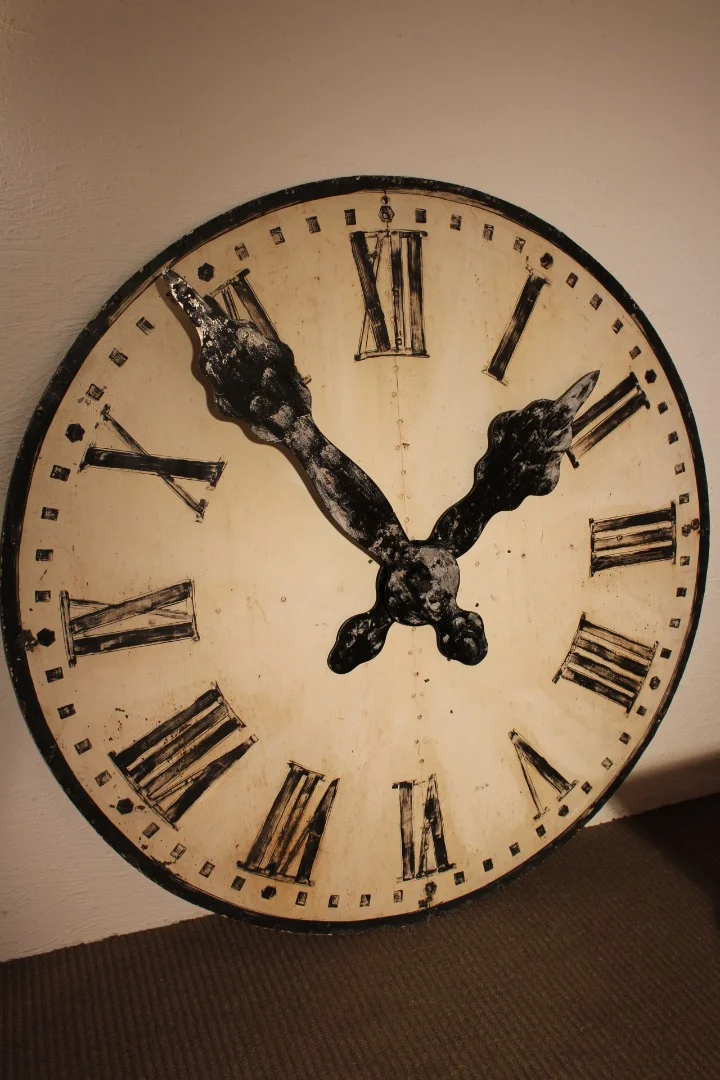
Au Réveil Du Temps — Saint-Nabord
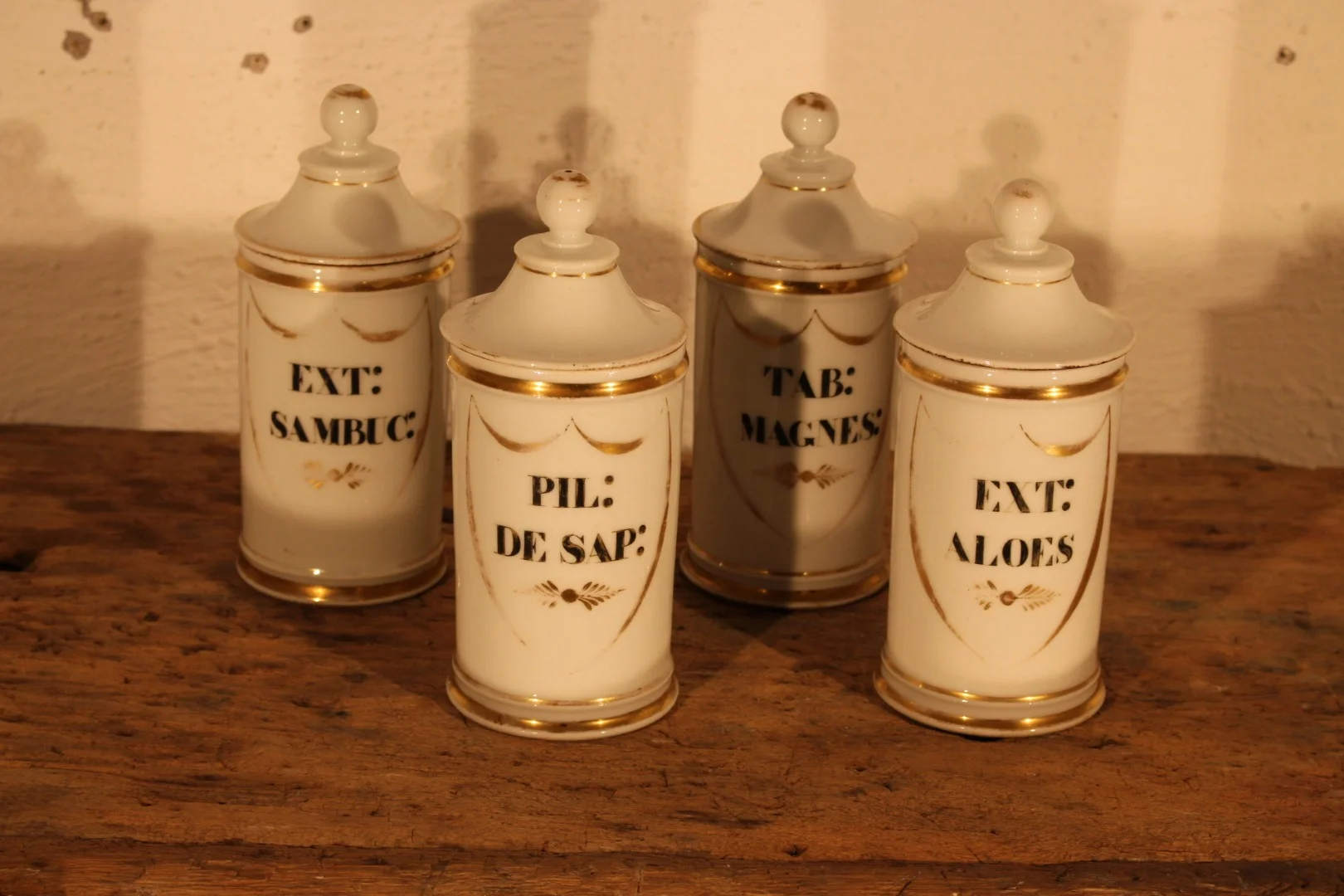
Au Réveil Du Temps — Saint-Nabord
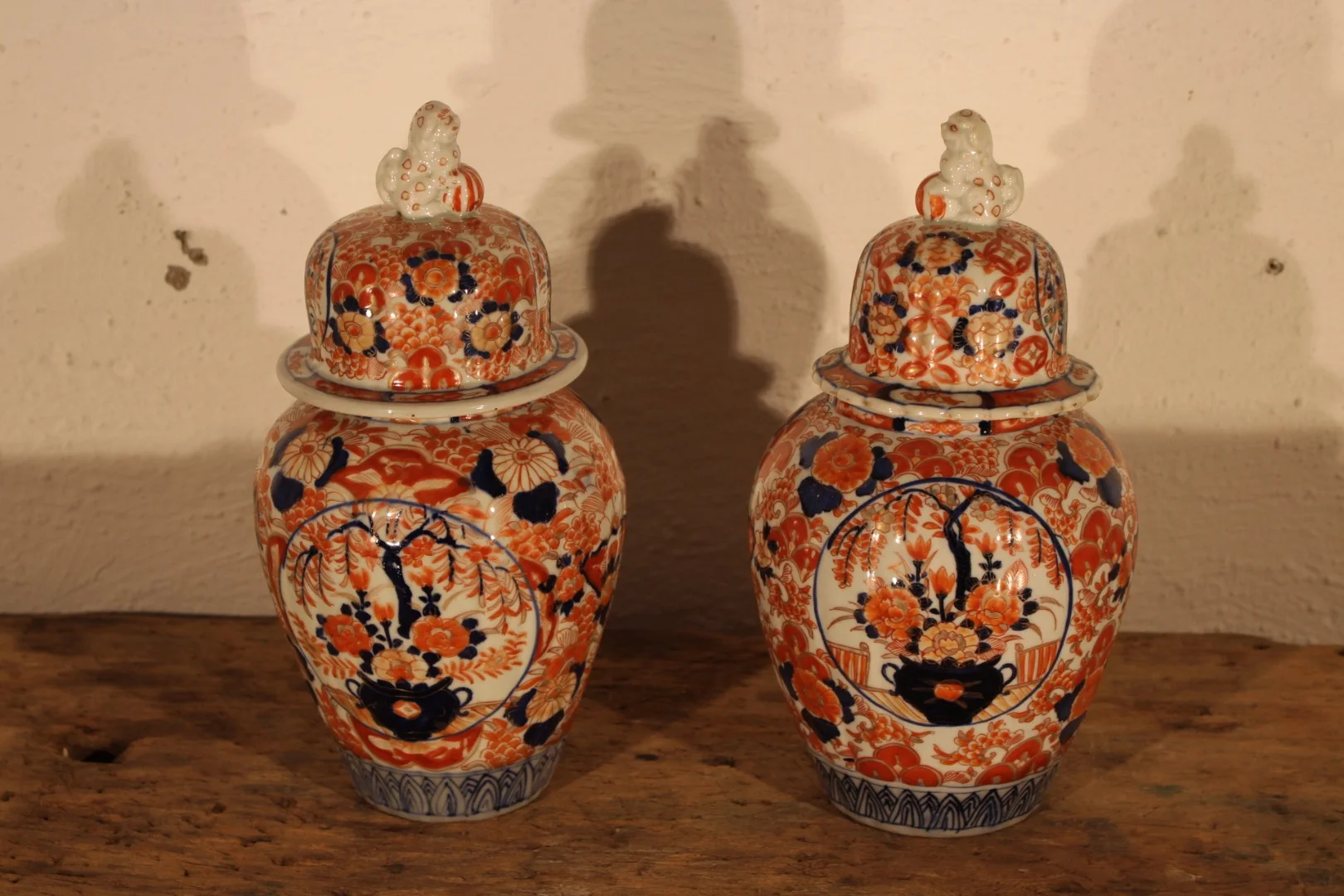
Au Réveil Du Temps — Saint-Nabord
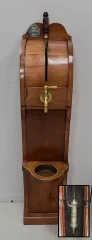
Antiquités Lecomte — Héric
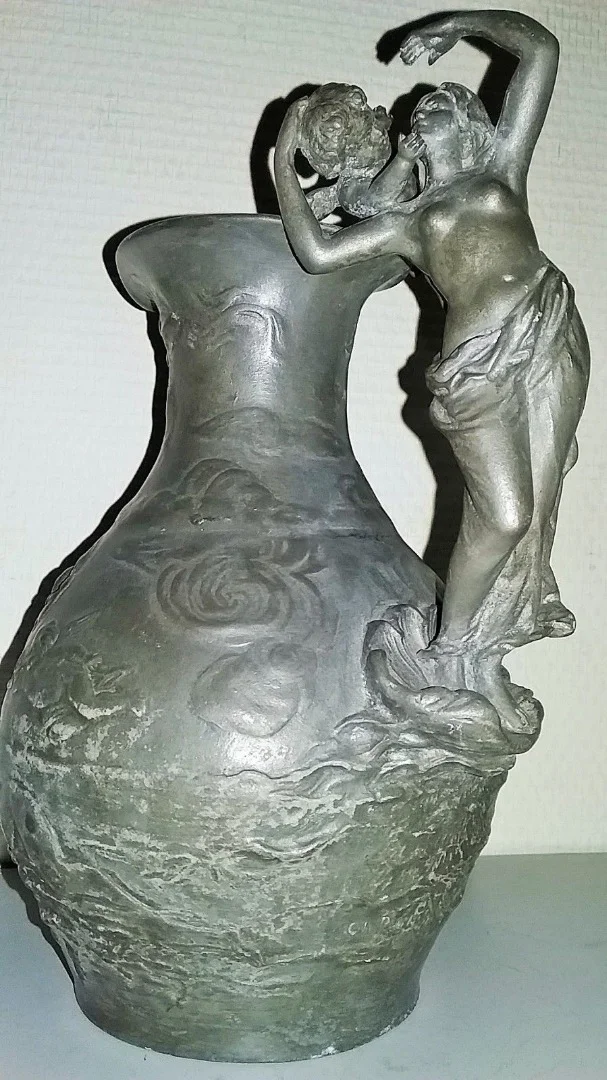
Antiquités "Le Vieux Matos" L.V.M — La Chapelle-Saint-Martin-en-Plaine
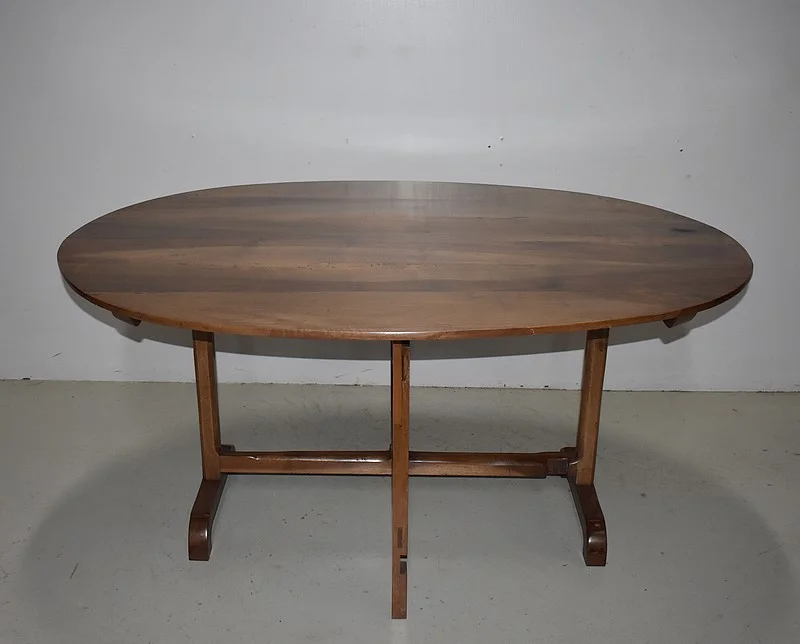
Antiquités Lecomte — Héric
Anne Besnard — Saint-Ouen
To authenticate an antique vineyard collectable, start with the materials and construction. A period corkscrew will have a hand-forged helix that is slightly irregular, a handle in horn, bone or hand-turned wood, and a natural patina that no industrial process can convincingly replicate. Antique blown glass wine bottles and decanters are distinguished by their gentle asymmetry, trapped air bubbles and the slight variations in wall thickness that are the hallmark of mouth-blown production. Be wary of modern reproductions with suspiciously perfect proportions and uniform finishes.
In terms of budget, smaller collectables — pewter funnels, bottle openers, lithographed estate labels — can often be found for between £20 and £150. Rarer pieces, such as a 19th-century miniature walnut wine press or a hallmarked solid silver tasting service, may reach several hundred to a few thousand pounds depending on provenance and condition. A documented provenance — an original estate label, an old invoice, a château inventory — can double or triple the value of an otherwise modest object.
Caring for these pieces requires a little attention: wooden elements benefit from a cold-applied natural wax, metalwork should be cleaned without abrasives to preserve the original patina, and antique glassware must never be subjected to sudden temperature changes. Store pieces away from direct light and excessive humidity. For antique coopering tools in wrought iron, a light application of oil to the metal parts is sufficient to prevent rust without altering their appearance.
On Antiquités en France, every piece is offered by a verified professional antique dealer who can provide detailed photographs, exact dimensions and full provenance information before you commit to a purchase. You may also wish to browse our selection of antique kitchen objects to complete a rustic interior or a characterful wine cellar. Contact the dealer directly for any questions about authenticity, condition reports or international shipping.