
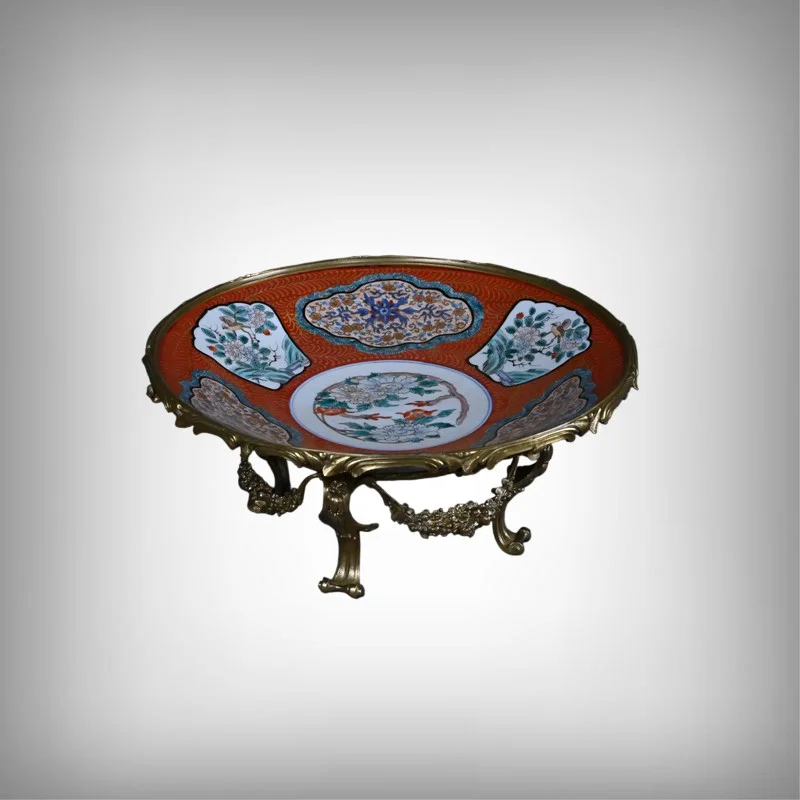
IMARI PORCELAIN DISH
Antiquités Lecomte — Héric
1 500,00 €
108 objects found
Asian art spans millennia of exceptional craftsmanship: Chinese porcelain from the Ming and Qing dynasties, Japanese Meiji-period bronzes, Korean lacquerware, carved ivories and oriental ceramics with luminous polychrome glazes. Each piece reflects skills passed down through generations in imperial workshops and regional kilns.
Recognising a quality antique Asian art object means examining the refinement of the decoration, the consistency of the glaze, the coherence of the patina and — where applicable — the presence of reign marks or workshop seals on the base of the piece.
108 objects found
Antiquités Lecomte — Héric

Antiquités Christophe Rochet — Villeurbanne
Sarl Cave — Limoges
Antiquités Christophe Rochet — Villeurbanne
Antiquités Christophe Rochet — Villeurbanne
Antiquités Christophe Rochet — Villeurbanne
Antiquités GUY Jacques — Buchères

Antiquités Christophe Rochet — Villeurbanne

Antiquités Christophe Rochet — Villeurbanne

ANTIQUITES VANGEON — Chartres
Galerie Lauretta — Mandelieu-la-Napoule
Galerie Lauretta — Mandelieu-la-Napoule
Sarl Cave — Limoges
Antiquités Lecomte — Héric

Sarl Cave — Limoges

Antiquités GUY Jacques — Buchères
Antiquités GUY Jacques — Buchères

Antiquités "Le Vieux Matos" L.V.M — La Chapelle-Saint-Martin-en-Plaine
Antiquités Lecomte — Héric
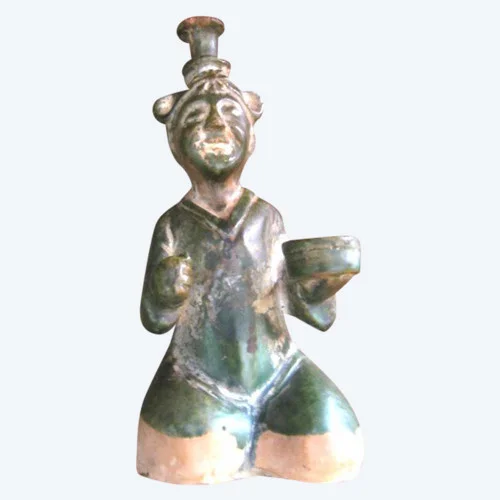
Antiquités "Le Vieux Matos" L.V.M — La Chapelle-Saint-Martin-en-Plaine
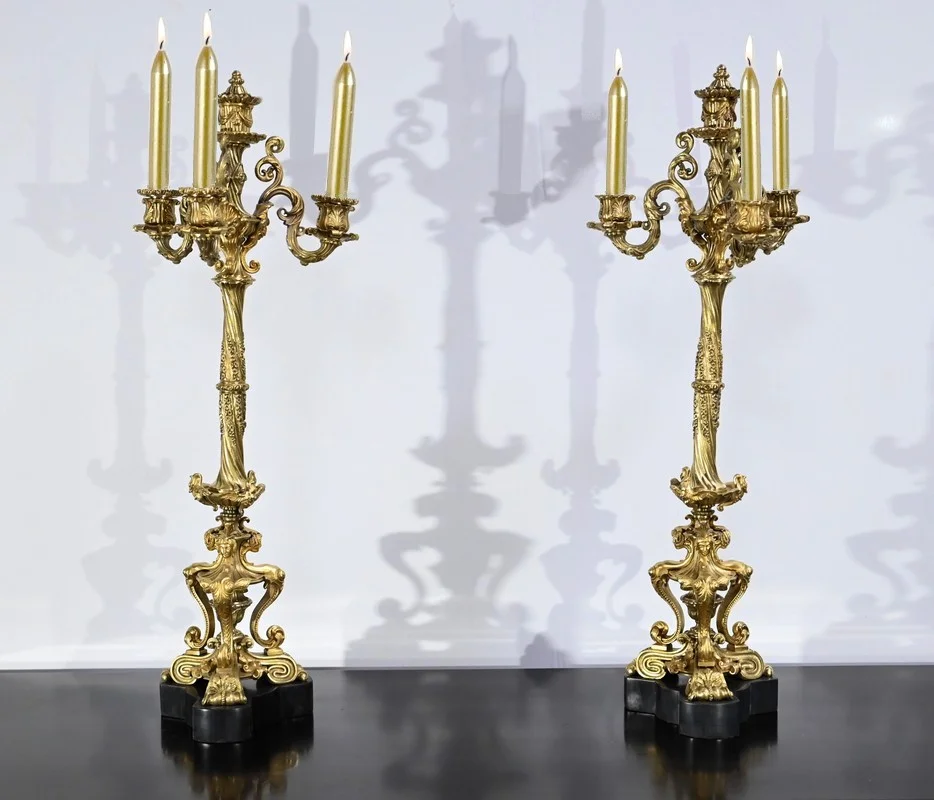
Antiquités Lecomte — Héric
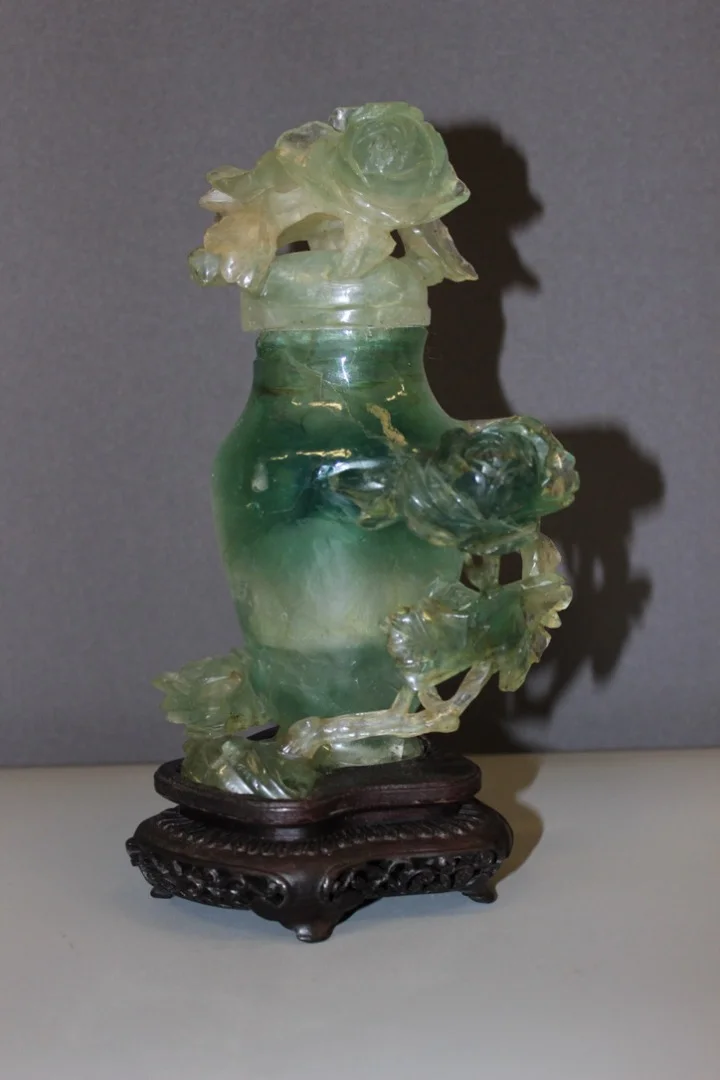
Antiquités Christophe Rochet — Villeurbanne
Antiquités Lecomte — Héric
Antiquités Lecomte — Héric
To authenticate antique Asian art, start by studying the reign marks (nianhao) inscribed beneath Chinese porcelain: they indicate the period of production, though later copies frequently reproduce the marks of earlier dynasties. On antique Japanese Meiji bronzes, look for an even, deep patina, crisp chased detail and a signed seal (kao) engraved on the base. Lacquerware is distinguished by the depth and richness of its colour and the absence of irregular crazing.
In terms of budget, antique Asian objects cover an exceptionally wide range: from a few hundred pounds for a 19th-century Chinese porcelain bowl to several thousand for a Kangxi-period vase or a signed Meiji bronze figure. A documented provenance — an old collection, a recorded auction — significantly enhances both value and buying confidence. Always check the condition of any restoration: re-glued porcelain and retouched enamel are readily visible under ultraviolet light.
Antique oriental ceramics reward close attention to the quality of the form, the translucency of the paste and the vibrancy of cobalt-blue or copper-red pigments. Textiles and lacquered pieces should be kept away from direct light and fluctuating humidity; gentle dry dusting is sufficient in most cases — never use chemical products on aged enamels or lacquered surfaces. For Asian watercolours and gouaches, UV-filtering glazing is strongly recommended.
On Antiquités en France, every antique Asian art object is offered by a verified professional dealer who can provide high-resolution photographs, detailed condition reports, provenance documentation and personalised care advice. You may also wish to explore our antique silver section to complement an eclectic collection. Contact the dealer of your choice directly for any enquiry or reservation.