
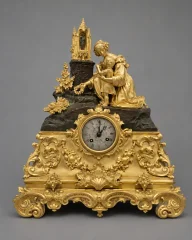
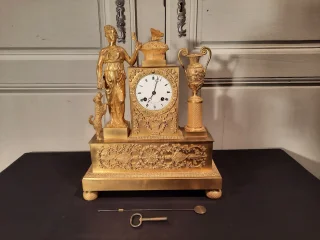
Important early 19th-century richly ornate mantel clock in gilt and patinated bronze
le village des brocanteurs 58 — Dun-les-Places
900,00 €
Good condition
17 objects found
From the elegant gold pocket watches of the 19th century to the mechanical wristwatches of the 1950s, antique and vintage watches unite exceptional horological craftsmanship with lasting heritage value. Quality pieces are recognised by the refinement of their movement — often visible through a sapphire caseback or hunter case — the calibre of their gold, silver or gilt-metal case, and the maker's signature engraved on the plate. Browse our wider range of antique horology to complete your collection.
17 objects found
le village des brocanteurs 58 — Dun-les-Places

Romain Lichtensztein — Maignelay-Montigny
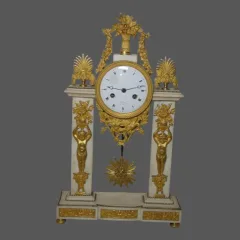
L'atelier De La Dorure — Calmont
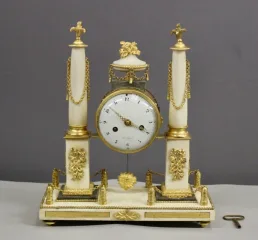
Antiquités Christophe Rochet — Villeurbanne

Sarl Cave — Limoges
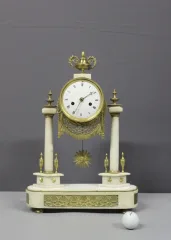
Antiquités Christophe Rochet — Villeurbanne
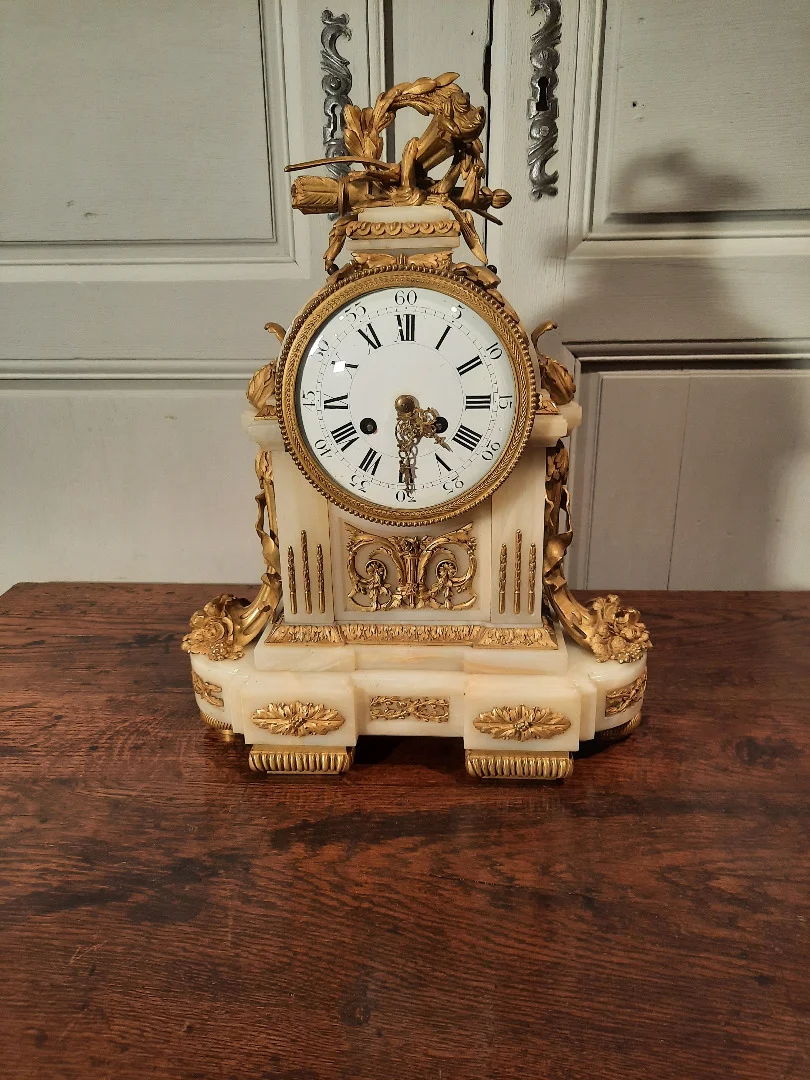
ANTIQUITES VANGEON — Chartres
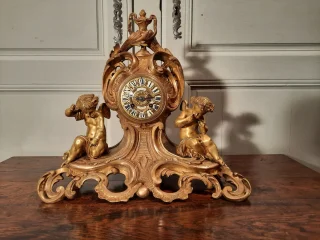
ANTIQUITES VANGEON — Chartres

Antiquités "Le Vieux Matos" L.V.M — La Chapelle-Saint-Martin-en-Plaine
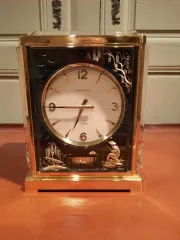
ANTIQUITES VANGEON — Chartres
ANTIQUITES VANGEON — Chartres
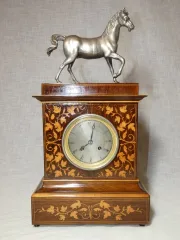
L'atelier De La Dorure — Calmont
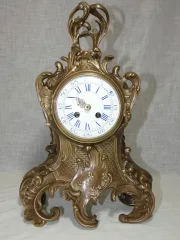
L'atelier De La Dorure — Calmont
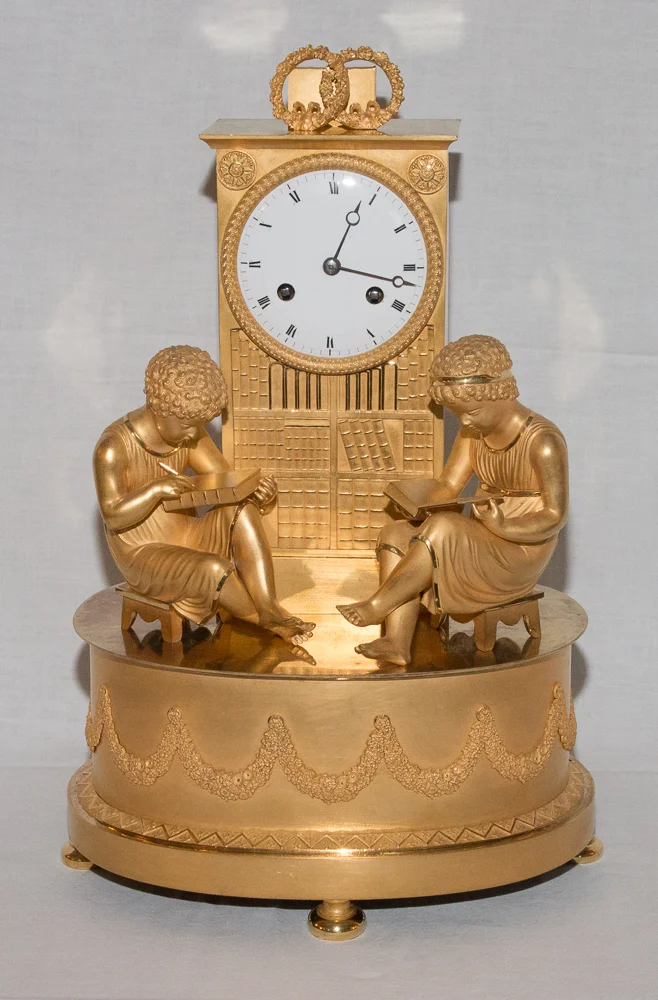
Galerie Lauretta — Mandelieu-la-Napoule
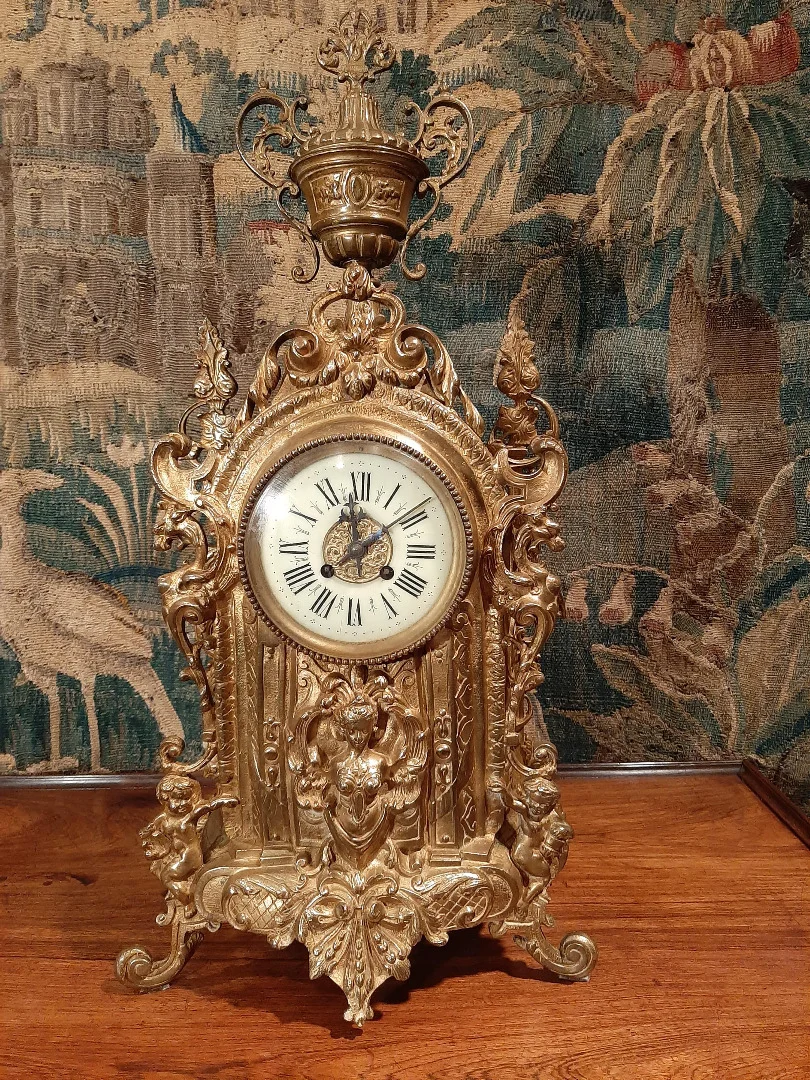
ANTIQUITES VANGEON — Chartres
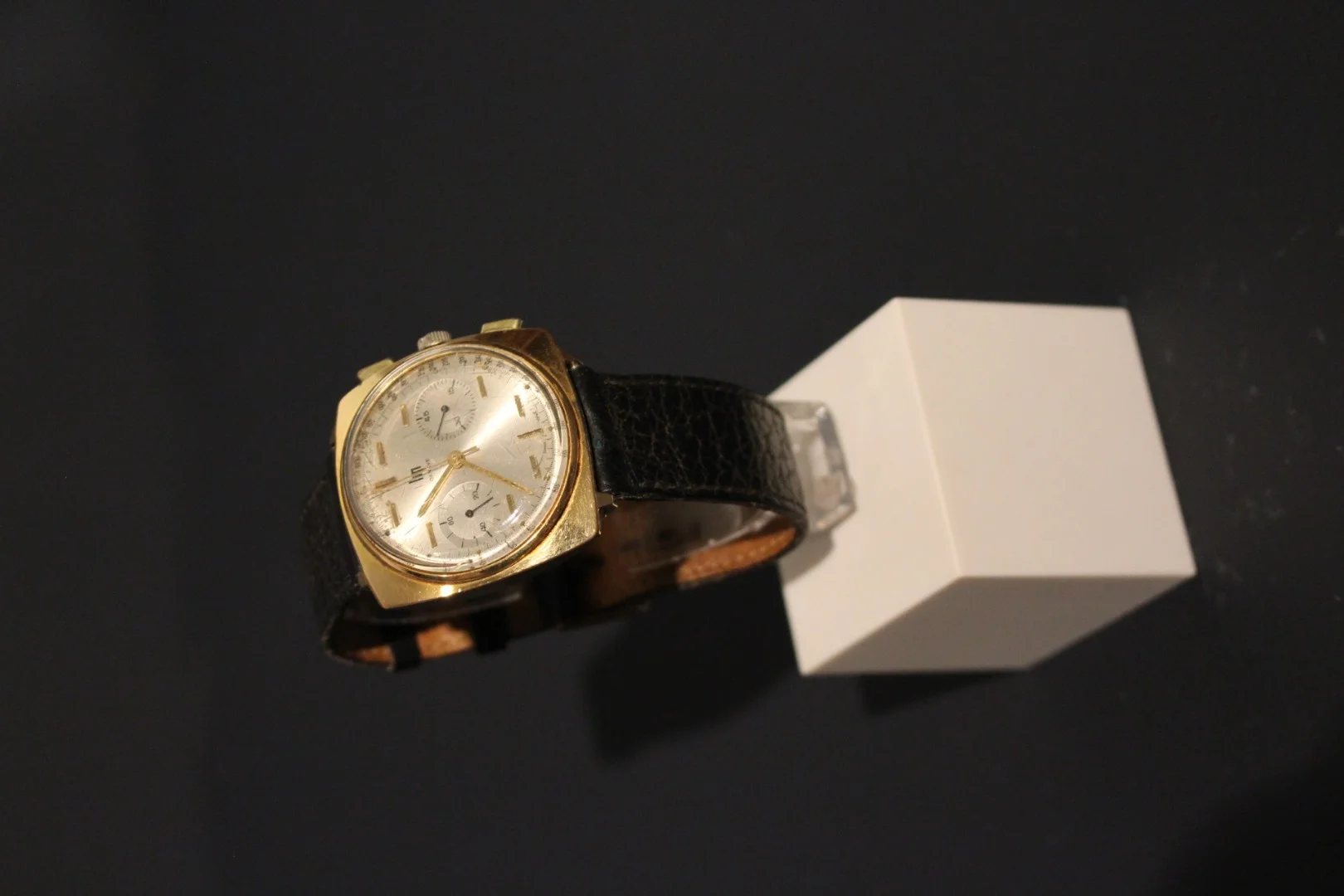
Au Réveil Du Temps — Saint-Nabord
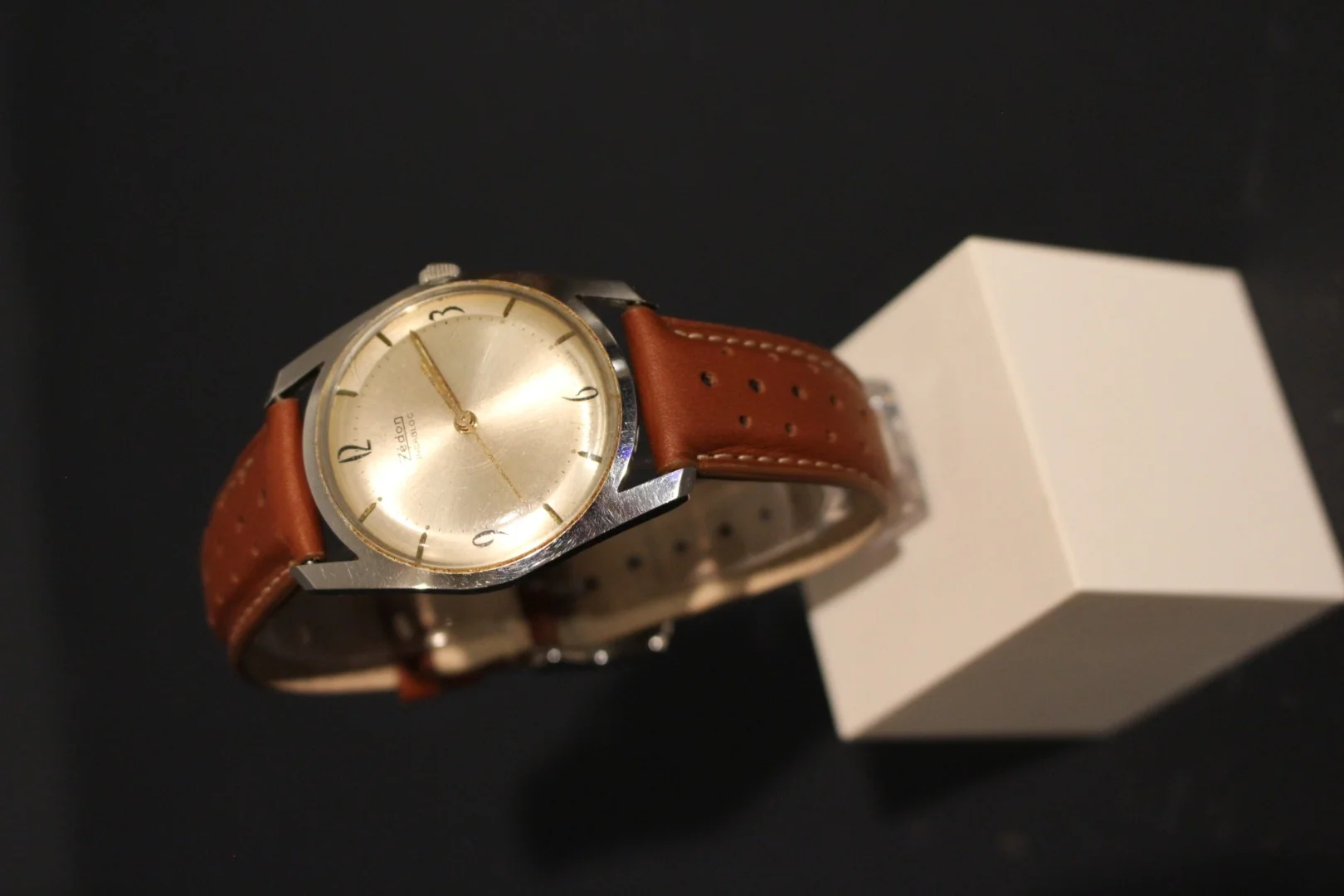
Au Réveil Du Temps — Saint-Nabord
Authenticating an antique watch begins with a close examination of the movement. A calibre that is signed, numbered and datable to a specific maker is the first mark of a serious piece. The great manufactures — Patek Philippe, Vacheron Constantin, Longines, IWC, Omega — as well as the celebrated Parisian watchmakers of the 19th century, consistently signed the plate and the cock. A serial number that cross-references with the maker's production registers adds considerably to a piece's value and provenance.
For gold pocket watches, always check the hallmarks on the case: in France, the eagle's head guarantees 18-carat gold, while the owl's head marks imported pieces. Inspect the hinges, bezel and original crown — these details are decisive for condition and originality. On vintage mechanical wristwatches, the state of the dial matters above all else: an original dial, even with gentle patina, is far preferable to a refinished one. Repainting destroys both authenticity and resale value.
In terms of budget, expect to pay from a few hundred euros for a silver-metal fob watch up to several thousand for a signed vintage chronograph from a prestigious house. Complicated watches — minute repeaters, perpetual calendars, tourbillons — command significantly higher prices and require specialist expertise to evaluate properly. Always ask the seller for a confirmed running condition report and, where possible, evidence of a recent service.
On Antiquités en France, every watch is offered by a verified professional dealer who can provide detailed photographs of the movement, full dimensions and the piece's history. Broaden your search to include antique clocks and mantel clocks or explore the full antique horology section to find the piece that completes your collection.