
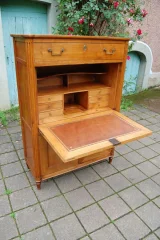
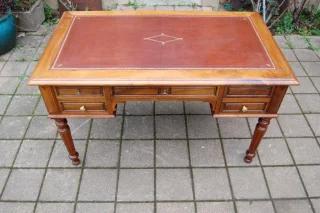
Louis XVI period cherry wood secretary, 18th century
Antiquités Rousseau — Évry
1 350,00 €
Excellent condition
54 objects found
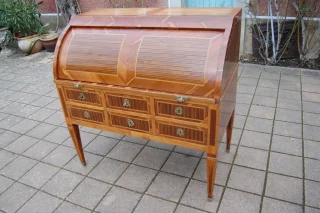
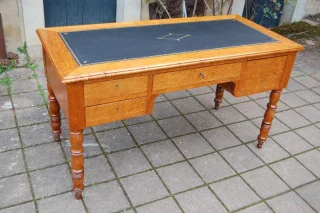
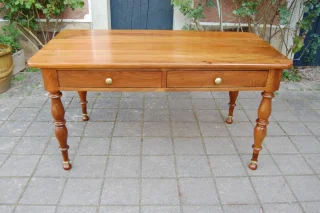
The antique cylinder desk ranks among the most refined pieces of French cabinet-making. Emerging in the second half of the 18th century, it is defined by its quarter-circle tambour shutter — the cylinder — which slides smoothly to conceal an organised interior of pigeonholes, drawers and a pull-out writing surface. The finest examples from the Louis XVI and Empire periods are crafted in mahogany, rosewood or walnut, frequently enriched with marquetry and stringing inlay. Recognising a genuine piece means examining the original bronze mounts, the quality of the veneers and the effortless action of the cylinder mechanism.
54 objects found
Antiquités Rousseau — Évry
Antiquités Rousseau — Évry
Antiquités Rousseau — Évry
Antiquités Rousseau — Évry
Antiquités Rousseau — Évry
Antiquités Rousseau — Évry
Antiquités Rousseau — Évry
Antiquités Rousseau — Évry
Antiquités Rousseau — Évry
Antiquités Rousseau — Évry
Antiquités Rousseau — Évry
Antiquités Rousseau — Évry
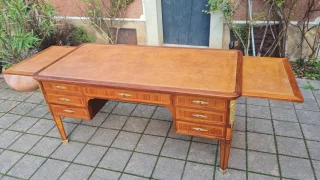
Antiquités Rousseau — Évry
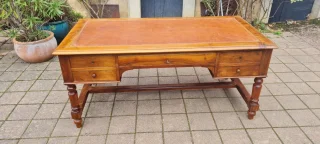
Antiquités Rousseau — Évry
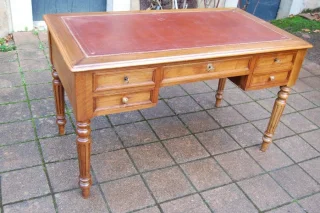
Antiquités Rousseau — Évry
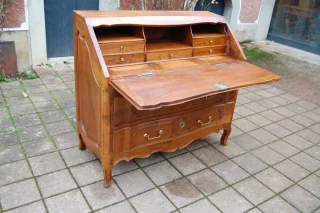
Antiquités Rousseau — Évry
Antiquités Rousseau — Évry
Antiquités Rousseau — Évry
Antiquités Rousseau — Évry
Antiquités Rousseau — Évry
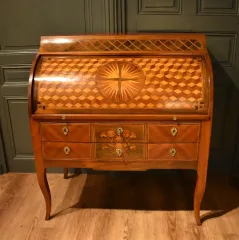
Antiquités Anne Marie Perrier — La Boisse
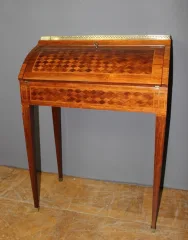
Antiquités Christophe Rochet — Villeurbanne
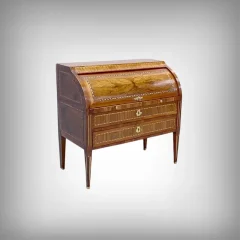
Antiquités Lecomte — Héric

Eric Saget — Paris
To authenticate an antique cylinder desk, begin with the bronze fittings: on a genuine Louis XVI or Empire piece, the handles, escutcheons and gallery rails are hand-chiselled gilt bronze, never mass-cast. The wood should show an even, naturally aged patina — warm gold on mahogany, deeper brown on walnut — without jarring recent retouching. Check that the cylinder slides without binding and that the leather-lined writing slide moves in concert with the shutter, as it should on an original mechanism. An ébéniste's stamp on the back rail or underside of a drawer is a significant mark of quality.
In terms of budget, a good-quality 19th-century cylinder desk typically sells for between £700 and £2,500 depending on timber and condition. Pieces stamped or attributed to a leading Parisian cabinet-maker — Riesener, Oeben, or their 19th-century successors — can comfortably exceed that range. Always inspect the veneer carefully for lifting or losses, assess the structural rigidity of the carcase, and evaluate the consistency of any restorations. A well-restored desk is invariably preferable to a damaged example presented as untouched. Browse our full selection of antique writing desks to compare styles and periods.
Mahogany cylinder desks dominate the 19th-century market, but discerning collectors also seek out rarer versions in Rio rosewood or solid walnut, which tend to be earlier and more architecturally refined. A complete, unaltered interior — original pigeonholes, secret drawers, sliding writing surface — adds considerable value. Documented provenance matters too: an old invoice or a mention in a notarial inventory strengthens authenticity and supports future resale.
On Antiquités en France, every antique cylinder desk is offered by a verified professional dealer able to provide detailed photographs, precise dimensions and a provenance certificate on request. Contact the seller directly for further information before purchasing, or widen your search to include antique secrétaires and writing furniture for a broader view of period desk forms.