
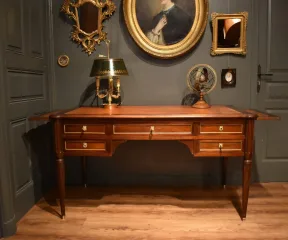
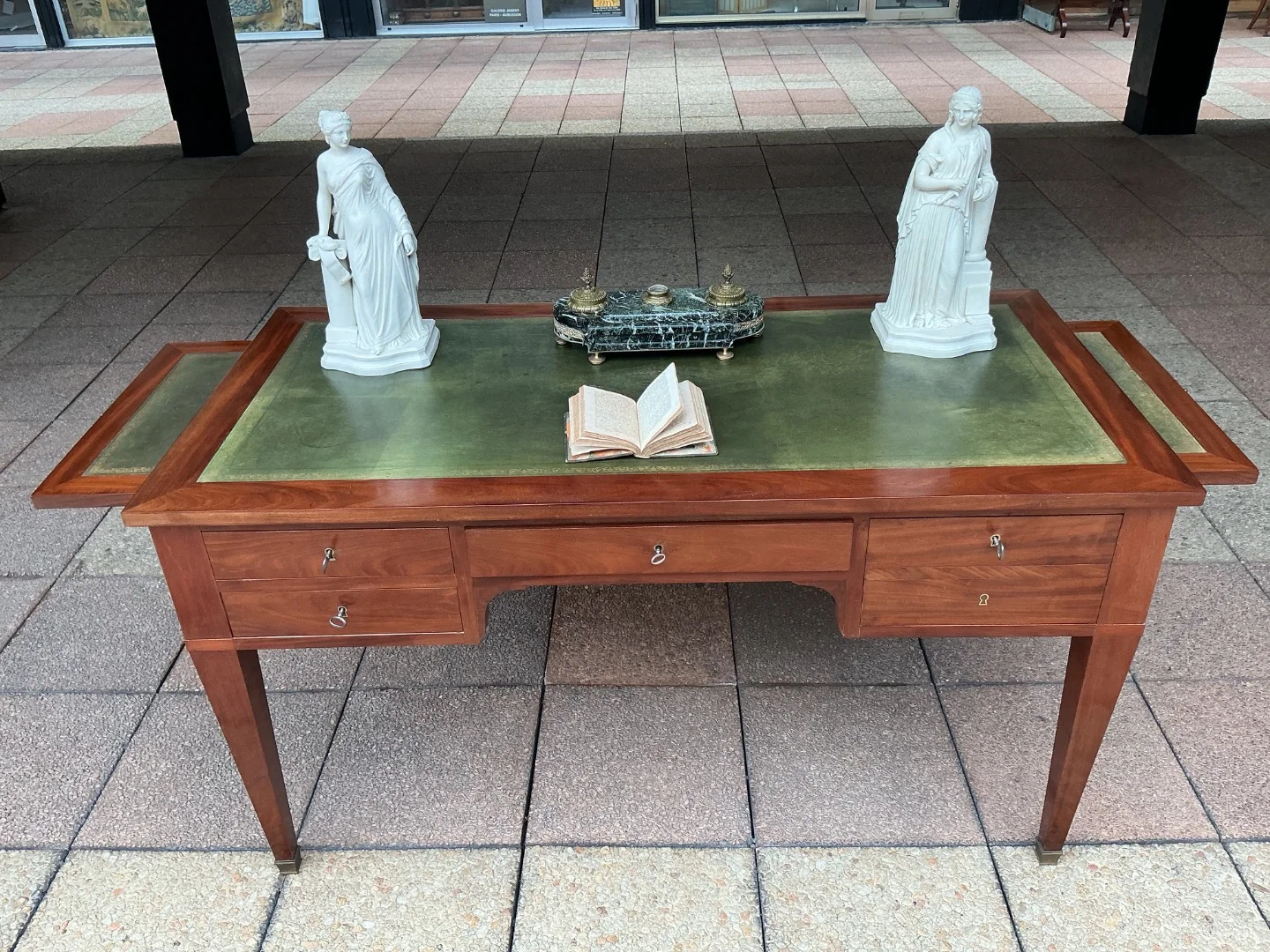
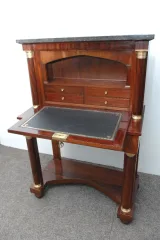
Large Louis XVI-style flat-top desk
Antiquités Anne Marie Perrier — La Boisse
1 680,00 €
Very good condition
597 objects found
Antique Asian furniture encompasses an extraordinary range of pieces: Chinese lacquered cabinets with raised polychrome decoration, Japanese tansu storage chests in keyaki or cryptomeria, and Korean elm commodes with finely pierced brass fittings. What unites them is exceptional craftsmanship — deep, aged lacquer, delicate mother-of-pearl inlay, and a structural clarity rarely matched in Western cabinetmaking. Browse our dedicated selection of Asian armoires and cabinets to refine your search by type.
Whether you are looking for a Chinese lacquered cabinet from the Qing dynasty or a 19th-century Japanese tea-house chest, each piece on this portal is offered by a verified professional dealer.
597 objects found
Antiquités Anne Marie Perrier — La Boisse
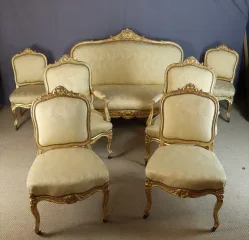
Philippe Cote Antiquites — Chauffailles
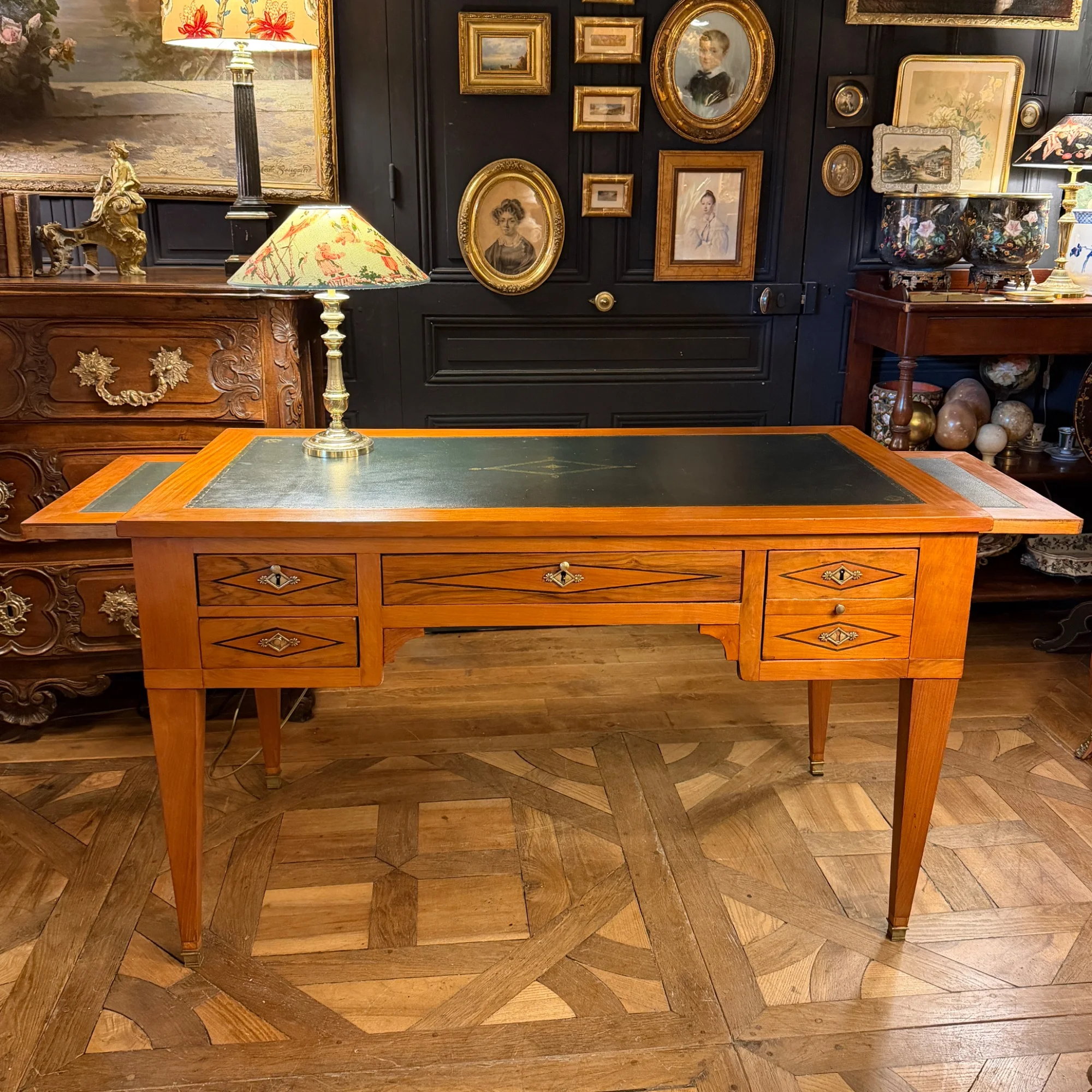
Ponvianne Antiquités — Marcy-l'Étoile

Philippe Cote Antiquites — Chauffailles
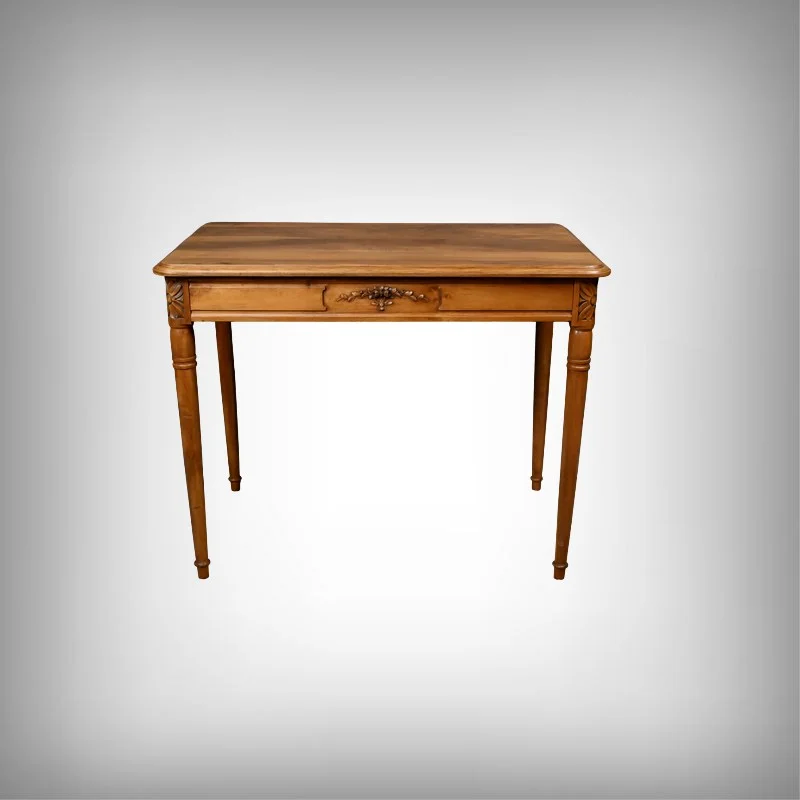
Antiquités Lecomte — Héric
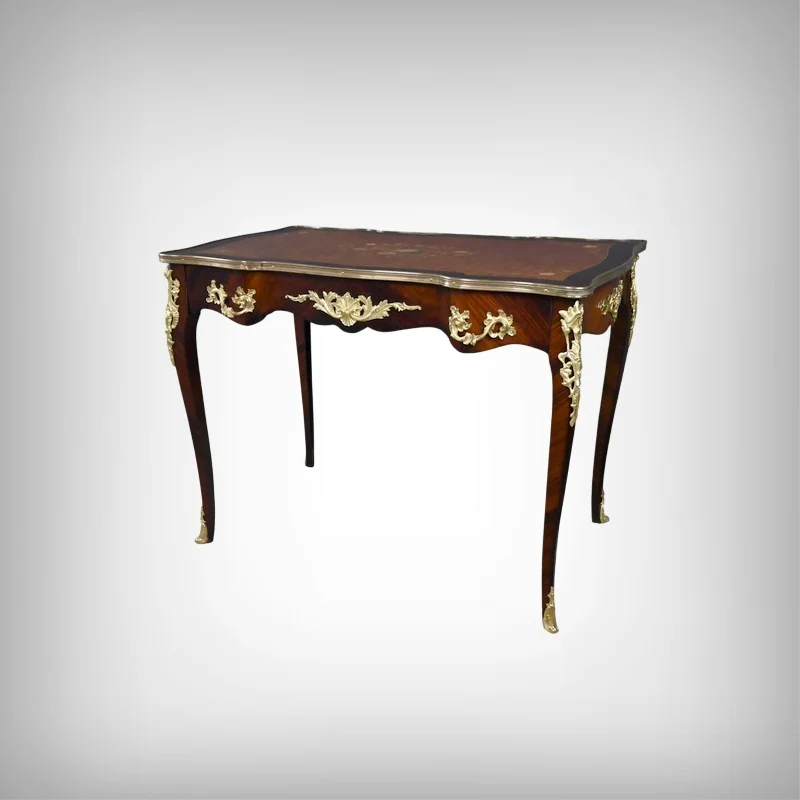
Antiquités Lecomte — Héric
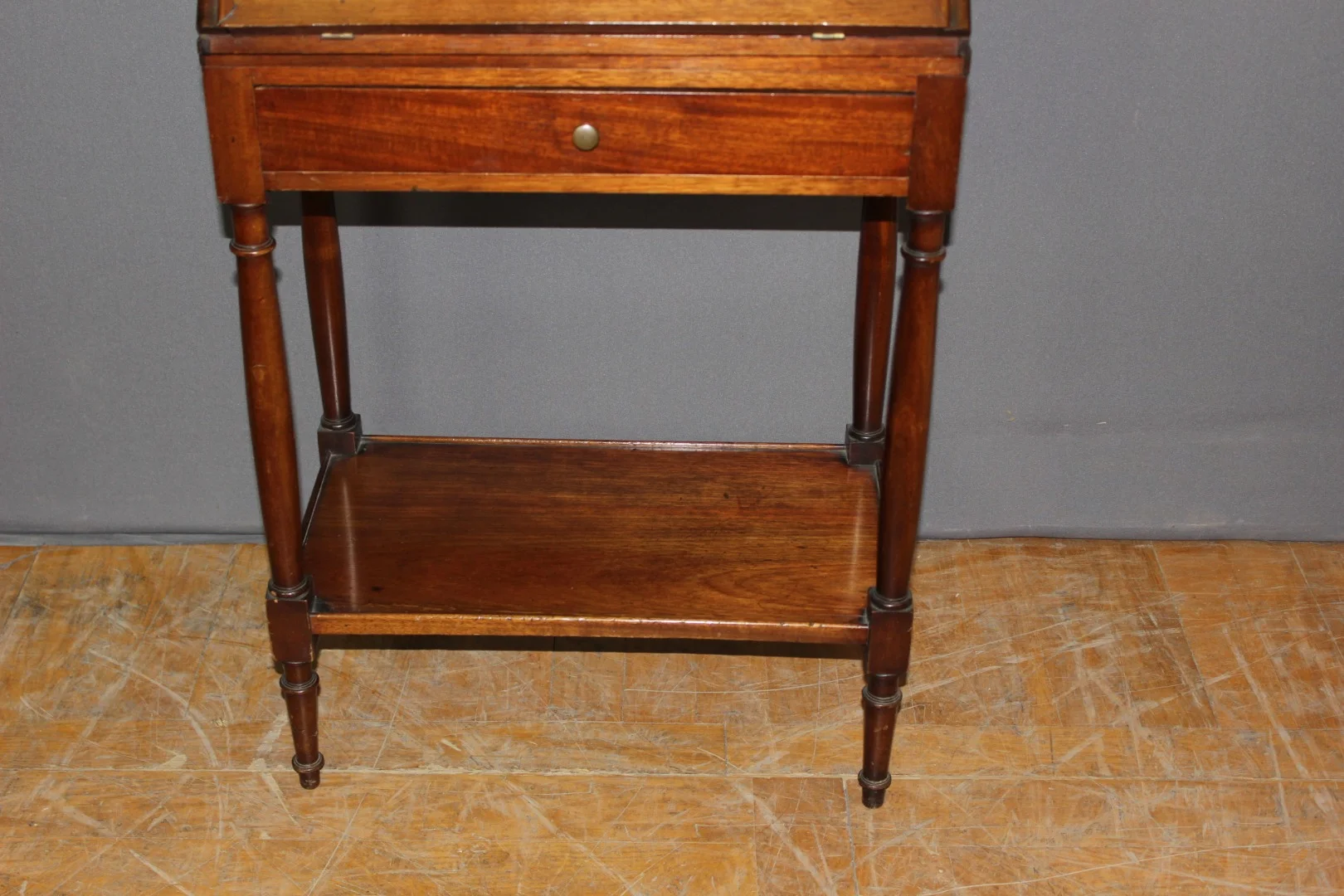
Antiquités Christophe Rochet — Villeurbanne
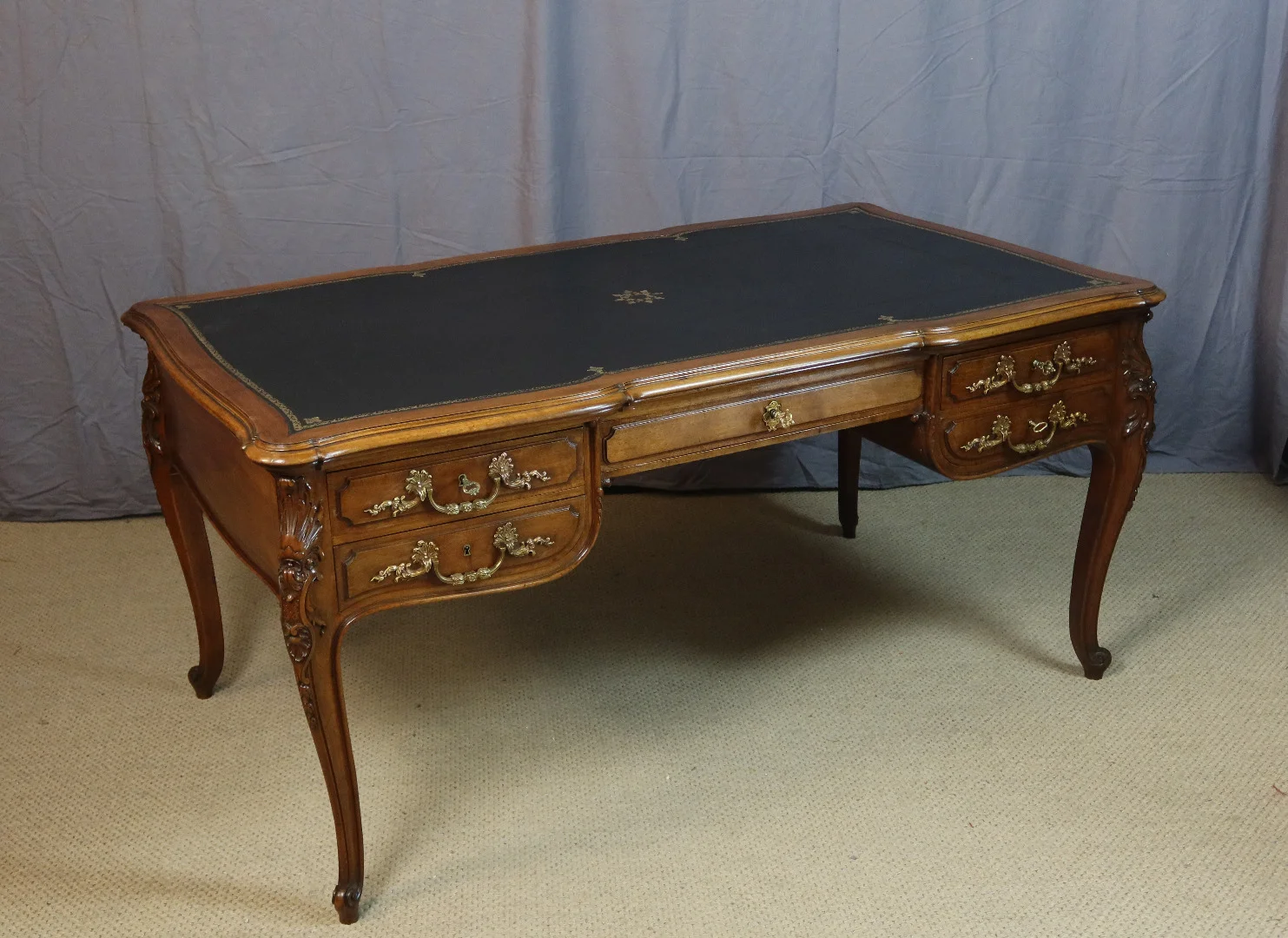
Philippe Cote Antiquites — Chauffailles
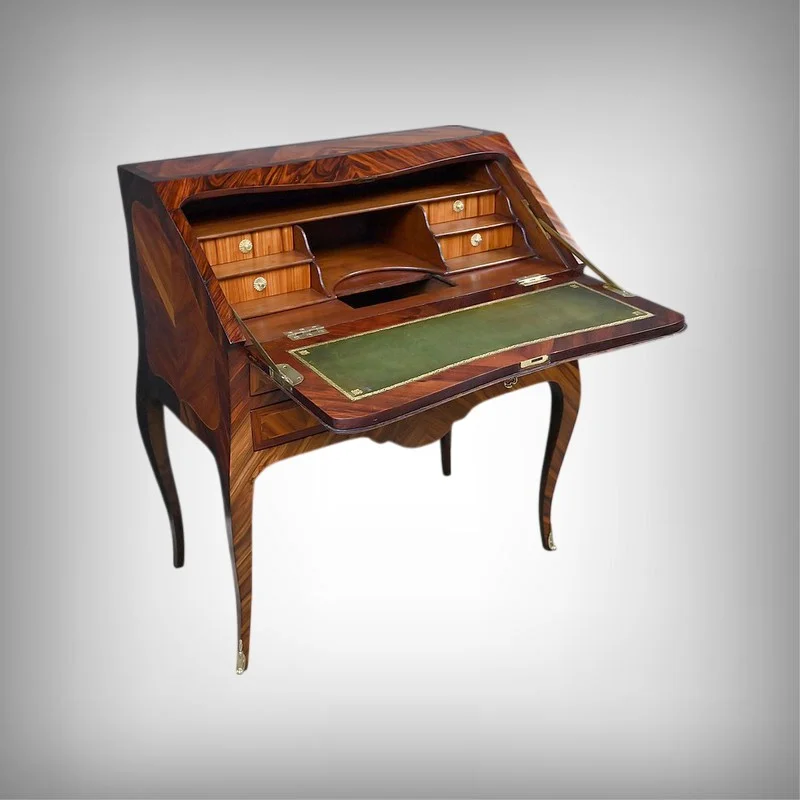
Antiquités Lecomte — Héric
Eric Saget — Paris
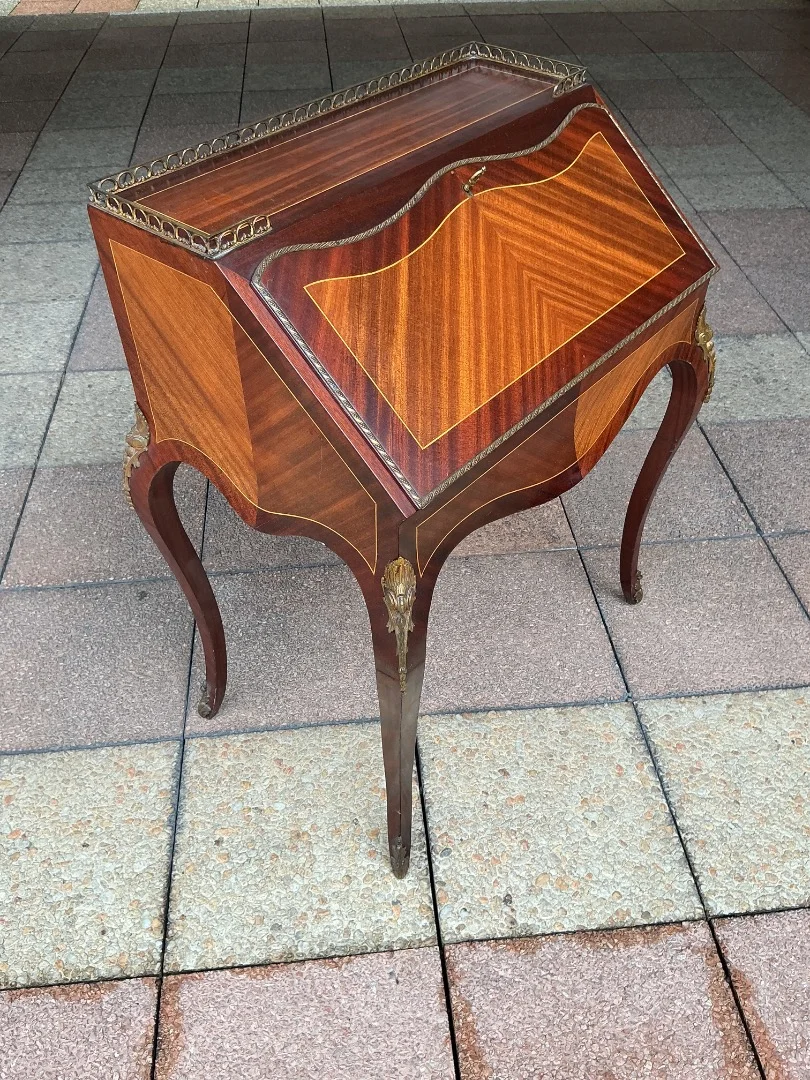
Eric Saget — Paris
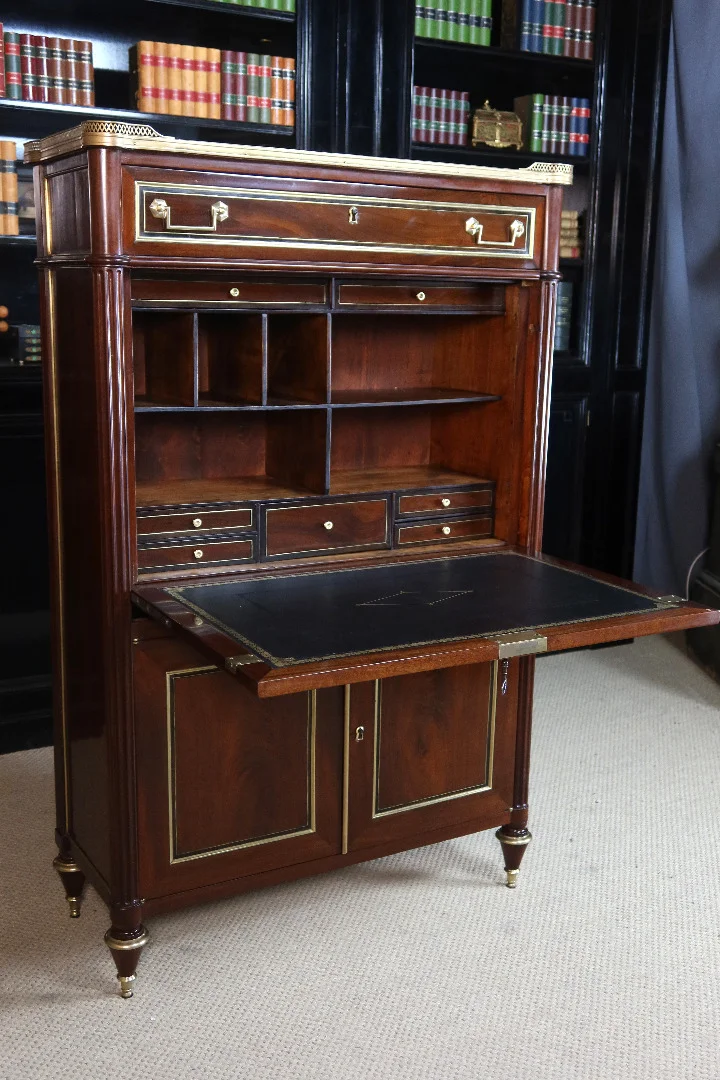
Philippe Cote Antiquites — Chauffailles
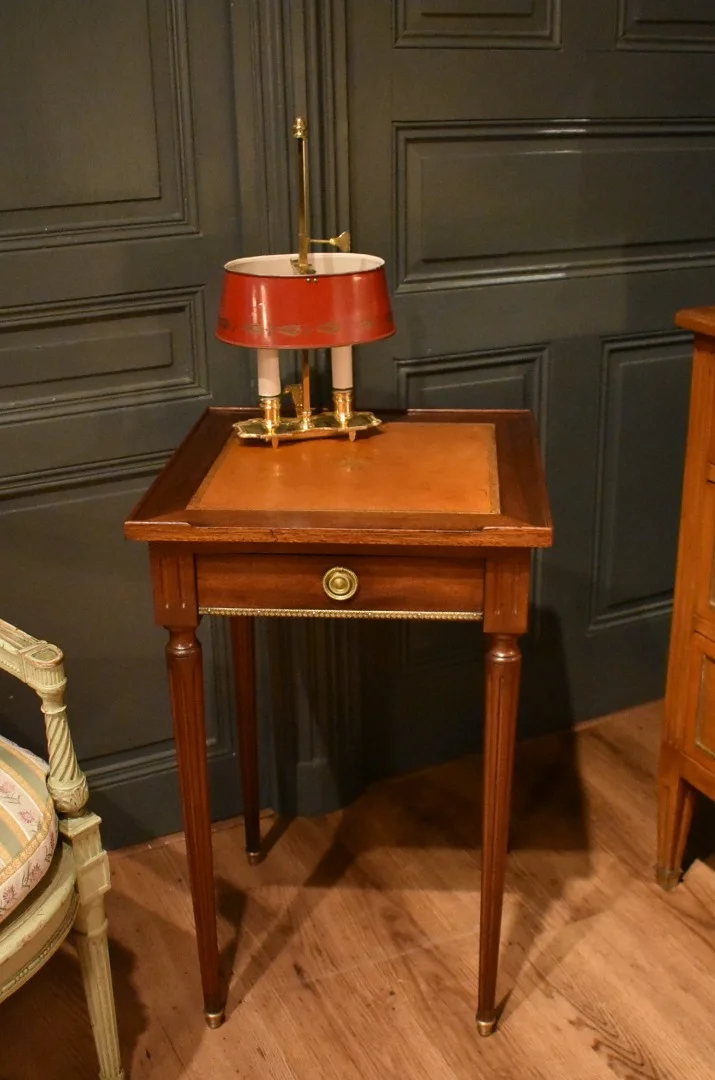
Antiquités Anne Marie Perrier — La Boisse
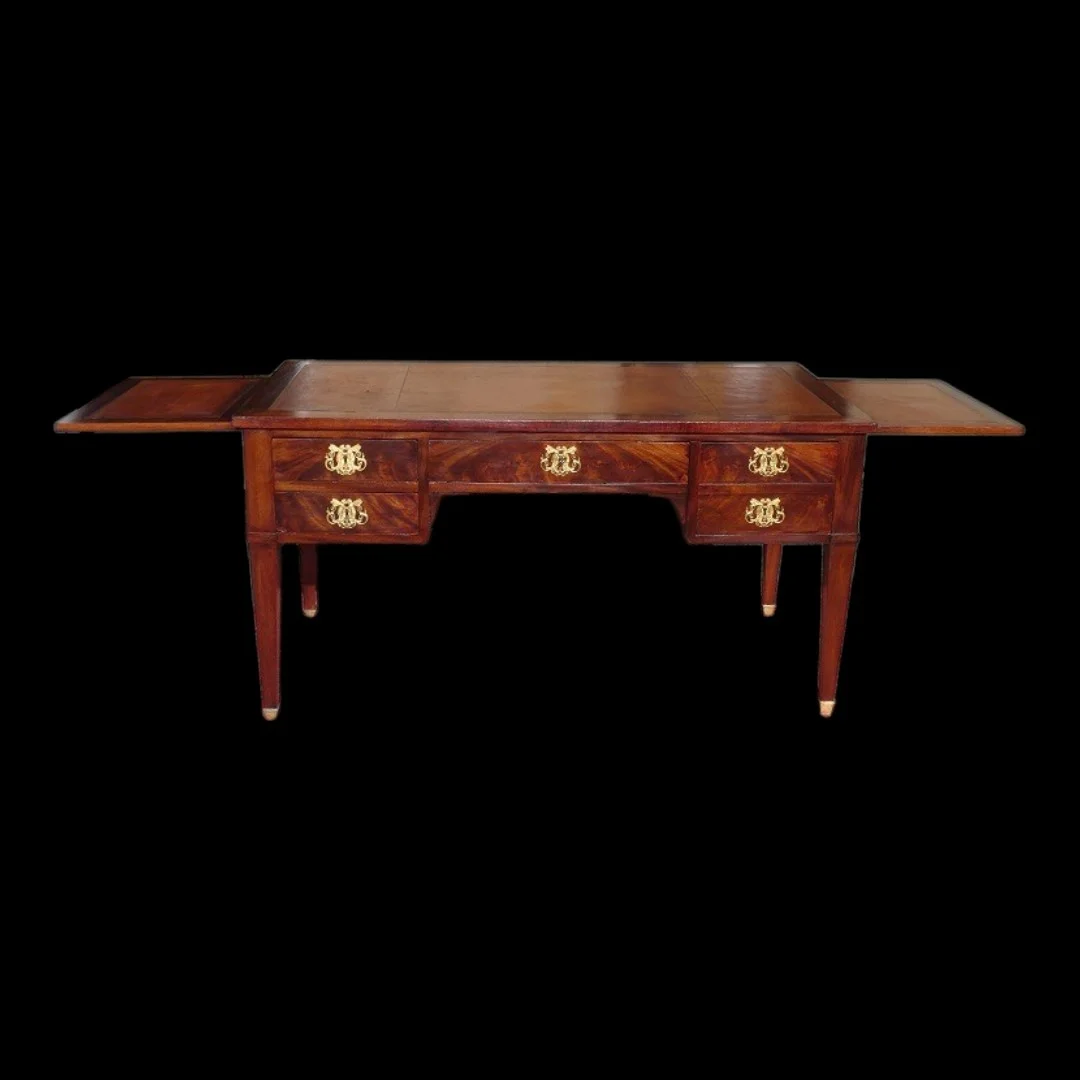
L'atelier De La Dorure — Calmont
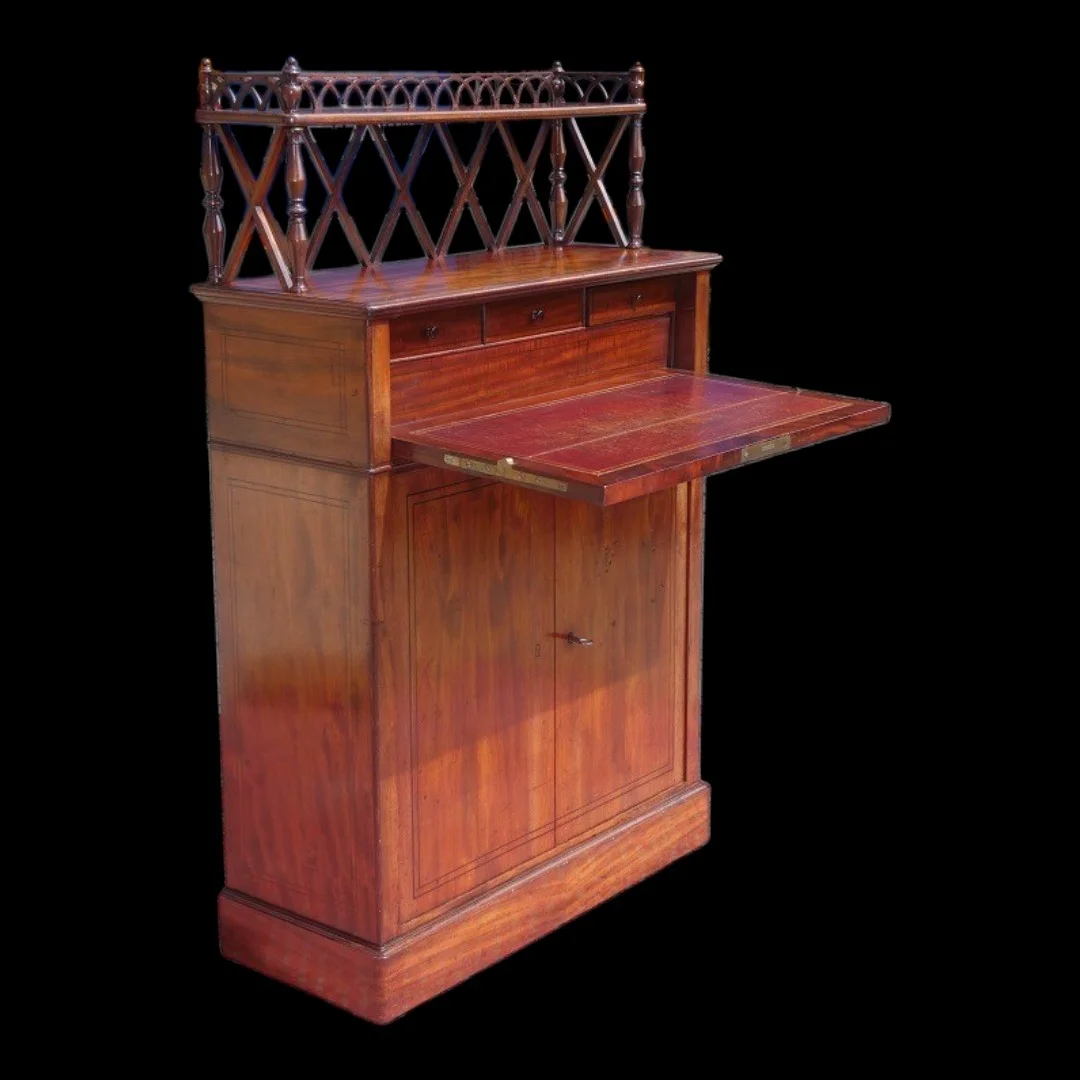
L'atelier De La Dorure — Calmont
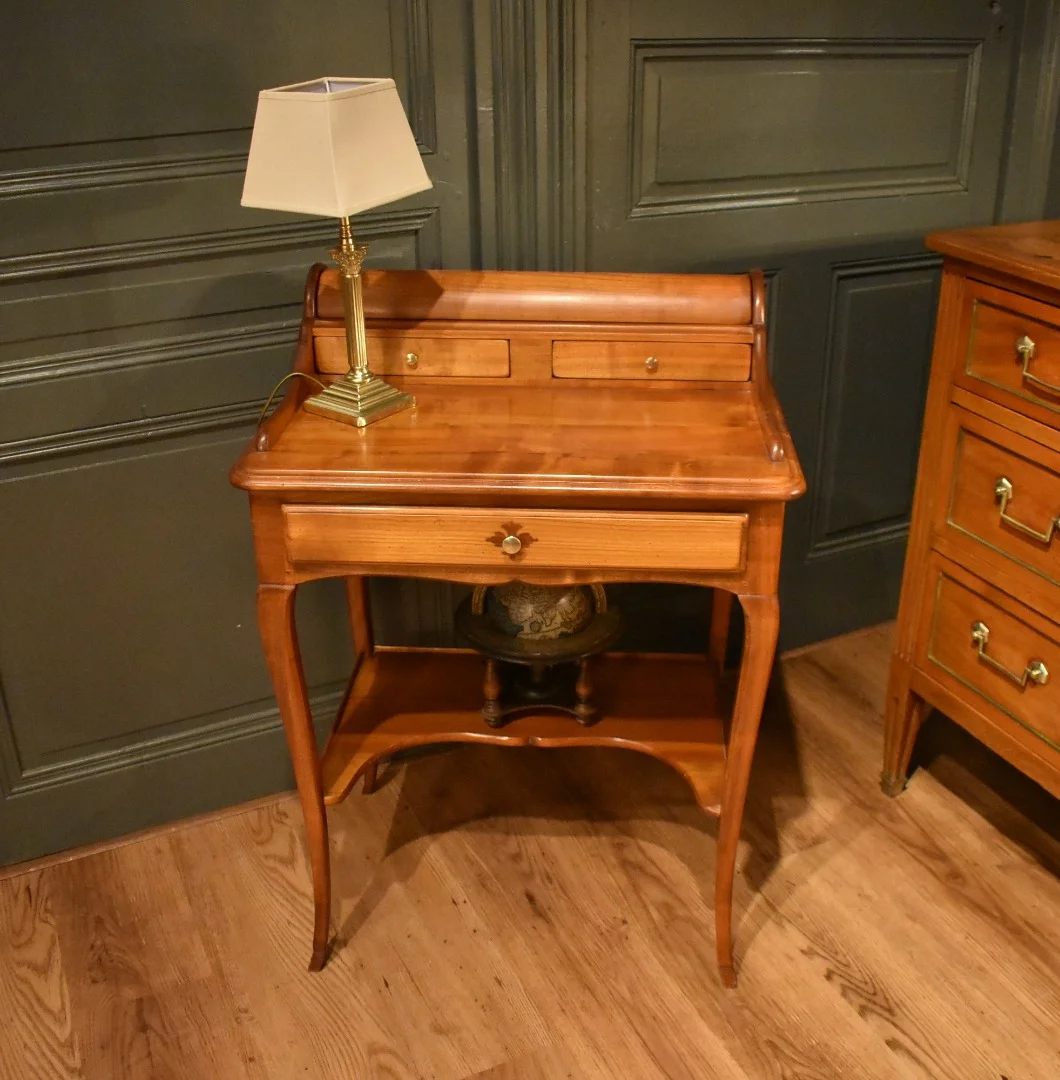
Antiquités Anne Marie Perrier — La Boisse

Philippe Cote Antiquites — Chauffailles
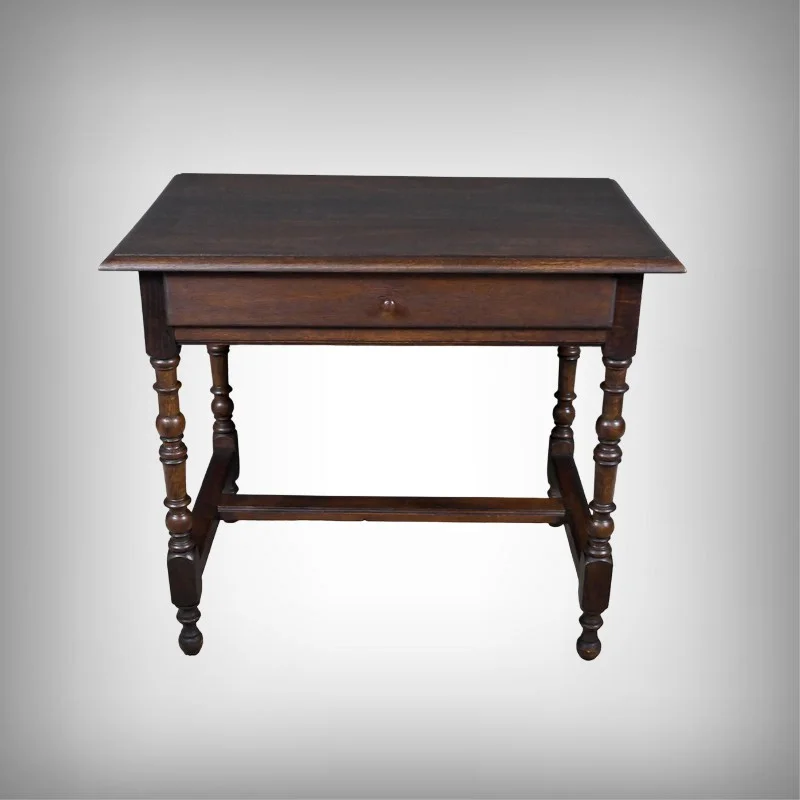
Antiquités Lecomte — Héric
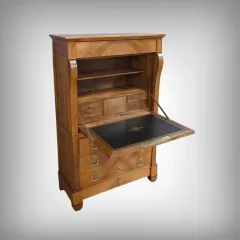
Antiquités Lecomte — Héric
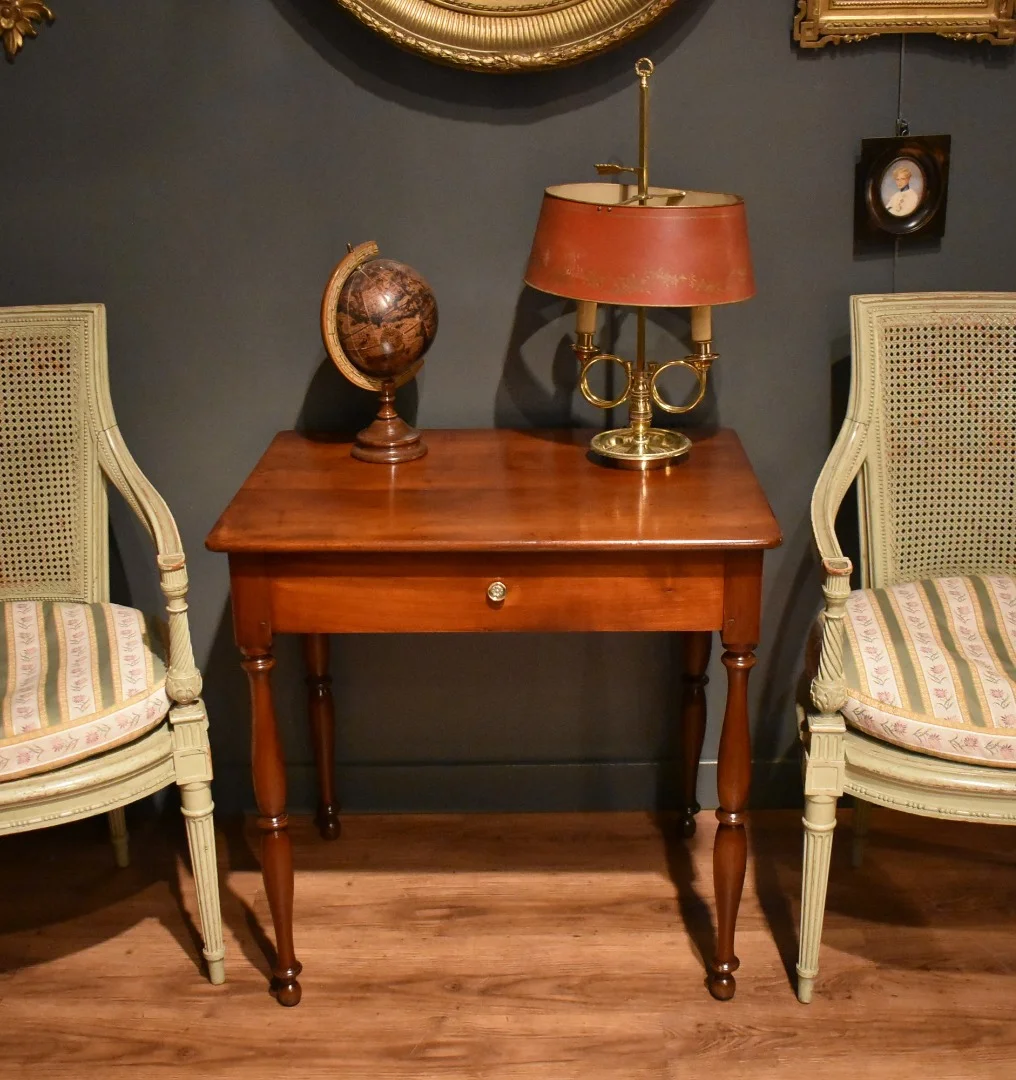
Antiquités Anne Marie Perrier — La Boisse
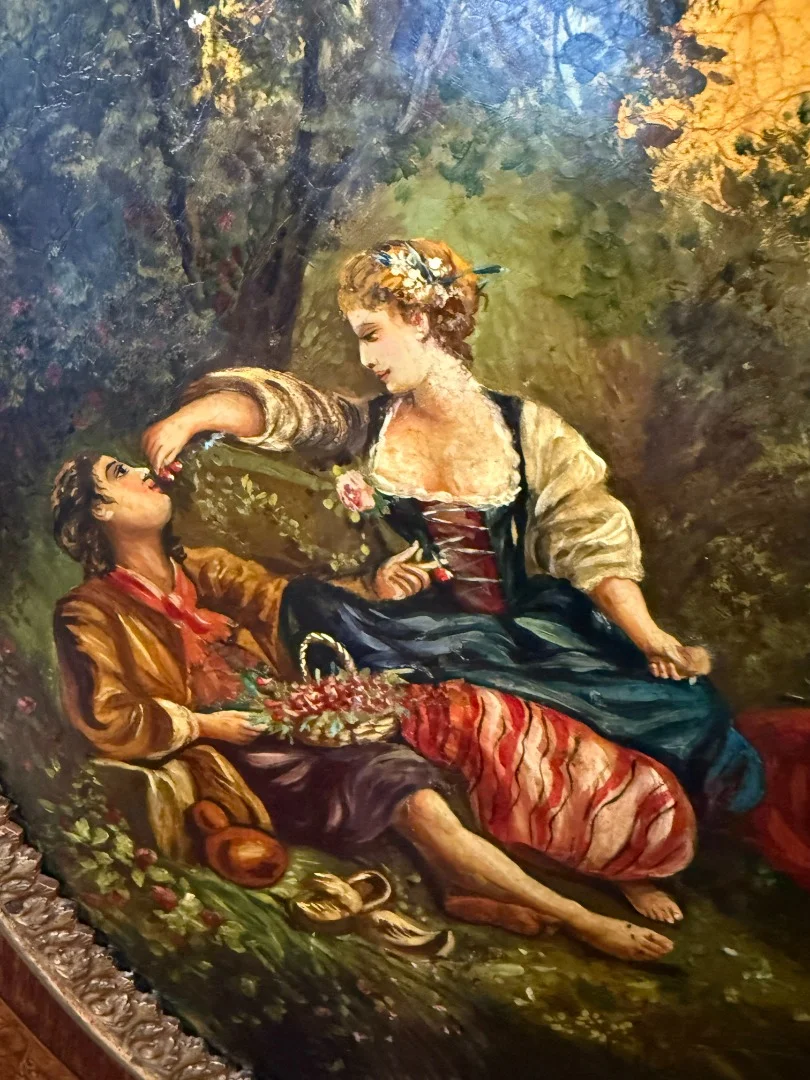
Romain Lichtensztein — Maignelay-Montigny
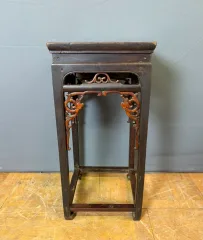
Antiquités Christophe Rochet — Villeurbanne
Antiquités GUY Jacques — Buchères

ANTIQUITES VANGEON — Chartres
Authenticating antique Asian furniture begins with the lacquer. On a genuine old piece, the surface shows a fine, even network of craquelure, a depth of colour that cannot be replicated by modern spraying, and perfect adhesion to the wooden substrate. Chinese lacquerwork of the 18th and 19th centuries is often identified by its coromandel technique — polychrome incised decoration — or by gilded relief motifs on a black ground. Fittings in brass or wrought iron should carry an oxidation patina fully consistent with the piece's stated age.
Japanese antique furniture, from the classic tansu chest to the small travelling cabinet known as a haribako, is characterised by native timbers — keyaki (zelkova), cryptomeria, paulownia — and hand-hammered iron hardware. An authentic Korean piece, whether a bandaji blanket chest or a nong stacking cabinet, is recognisable by its solid proportions, natural elm grain and brass fittings cut into geometric or floral patterns. Be cautious of recent reproductions: their fittings are screwed rather than pegged, and the wood shows no natural wear at contact points or edges. Explore our listings of Japanese tansu chests and Korean elm cabinets to compare authentic examples side by side.
In terms of budget, a small 19th-century Japanese storage chest can be acquired from a few hundred euros, while a large Qing-dynasty lacquered cabinet or a signed tansu may reach several thousand euros depending on the quality of the lacquer and the rarity of the decoration. Documented provenance — an old invoice, a gallery label, a past auction record — adds meaningful value. Always check the condition of hinges, drawer runners and lacquer panels; well-executed restoration does not necessarily diminish a piece's desirability, but undisclosed repairs should be flagged before purchase.
On Antiquités en France, every piece of antique Asian furniture is listed by a verified professional dealer who can supply detailed photographs, exact dimensions and full provenance information. You may also wish to explore our antique desks and writing furniture for secretaires and bureaux with East Asian influence. Contact any dealer directly — they are best placed to advise on shipping, condition and authenticity before you commit to a purchase.