
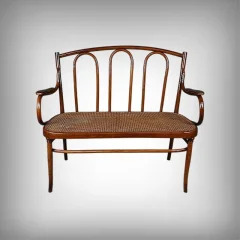
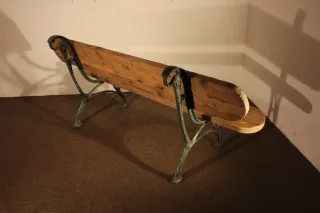
Bent beechwood bench, stamped J&J Kohn – Early 20th century
Antiquités Lecomte — Héric
1 800,00 €
Restored
68 objects found
The Dagobert chair is one of the most iconic seats in French decorative history. Inspired by the folding throne traditionally attributed to the Merovingian king Dagobert I — preserved in the Cabinet des médailles at the Bibliothèque nationale de France — it is instantly recognisable by its X-frame structure, animal-head armrests and claw feet, cast in gilt bronze or wrought iron. The most collectible examples date from the 19th century, produced under the First Empire and the Restoration when neo-medieval taste was at its height. Explore our broader selection of antique armchairs and seats alongside these remarkable pieces.
68 objects found
Antiquités Lecomte — Héric
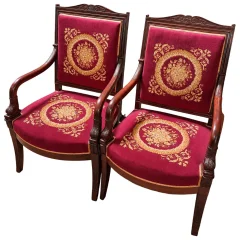
le village des brocanteurs 58 — Dun-les-Places
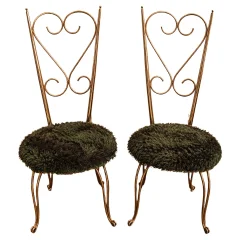
le village des brocanteurs 58 — Dun-les-Places
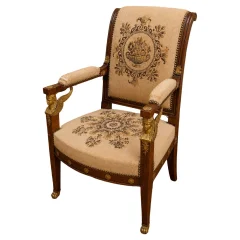
le village des brocanteurs 58 — Dun-les-Places
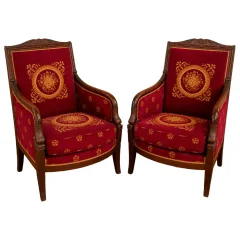
le village des brocanteurs 58 — Dun-les-Places
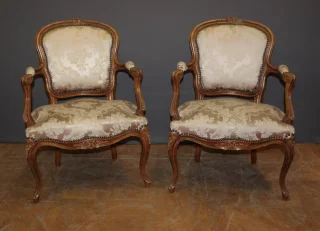
Antiquités Christophe Rochet — Villeurbanne
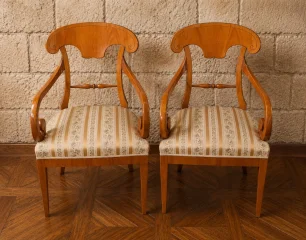
le village des brocanteurs 58 — Dun-les-Places
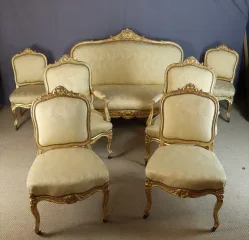
Philippe Cote Antiquites — Chauffailles

French-antiques.fr — Rouen
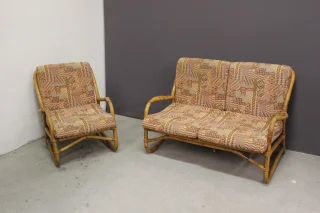
Antiquités Christophe Rochet — Villeurbanne
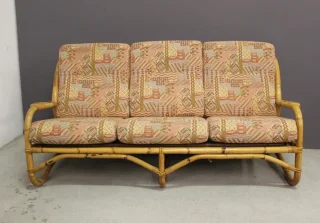
Antiquités Christophe Rochet — Villeurbanne
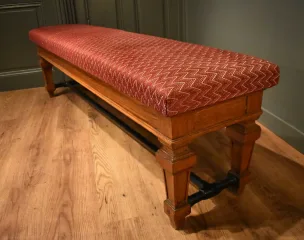
Antiquités Anne Marie Perrier — La Boisse
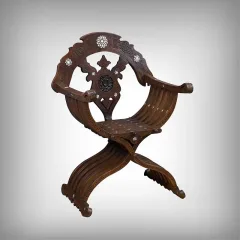
Antiquités Lecomte — Héric
Au Réveil Du Temps — Saint-Nabord
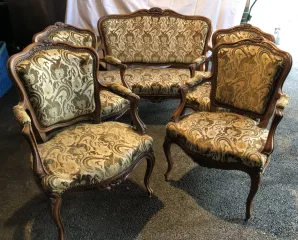
TRADITION Dupasquier Bouley Josiane — Le Plantay
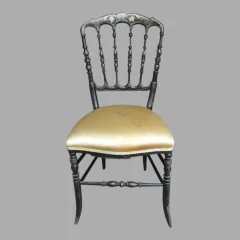
L'atelier De La Dorure — Calmont
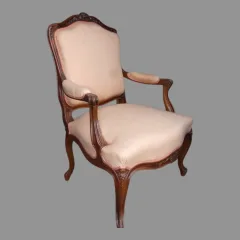
L'atelier De La Dorure — Calmont

L'atelier De La Dorure — Calmont
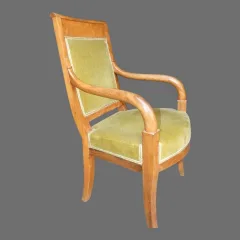
L'atelier De La Dorure — Calmont
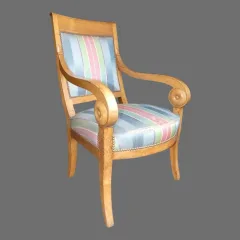
L'atelier De La Dorure — Calmont
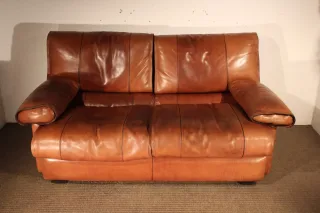
Au Réveil Du Temps — Saint-Nabord
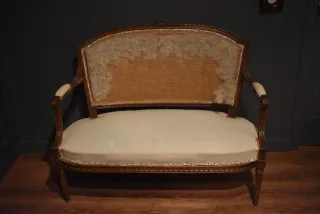
Antiquités Anne Marie Perrier — La Boisse
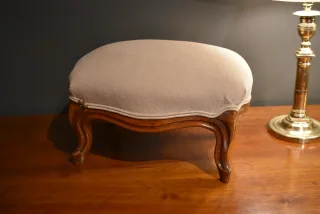
Antiquités Anne Marie Perrier — La Boisse
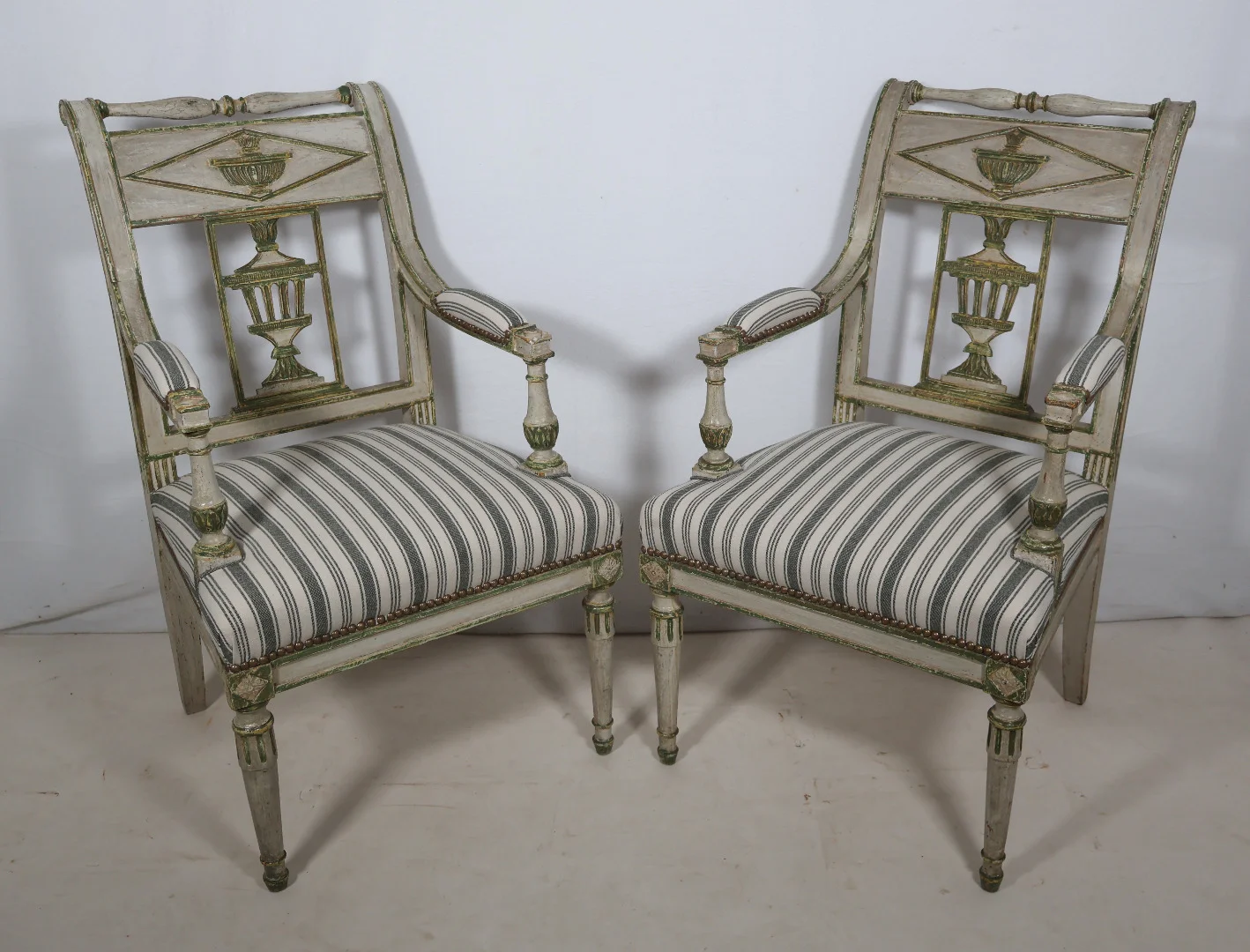
Galerie Lauretta — Mandelieu-la-Napoule
Authenticating an antique Dagobert chair begins with a close examination of the metalwork. Genuine 19th-century examples are cast in bronze and hand-chiselled, with sharply defined anatomical detail on the animal heads and claw feet. The gilding on period pieces is typically deep and warm — often mercury-gilded — and develops a rich, uneven patina over time. Be wary of later reproductions cast in zamak or resin: they are noticeably lighter, and surface detail tends to be soft and repetitive rather than crisply individual.
The seat itself, traditionally upholstered in antique stamped leather or period velvet, should show wear consistent with its stated age. Original rivets and hinges are a strong indicator of authenticity — check that they are uniform in style and show no signs of modern welding or replacement. A documented provenance, such as a château inventory or a notarised estate record, adds considerably to both the historical interest and the market value of the piece.
In terms of price, a 19th-century gilt bronze Dagobert chair in good condition typically sells for between £700 and £3,500, depending on the quality of the chiselling, the condition of the upholstery and the strength of the provenance. Pieces attributed to a named Parisian foundry or accompanied by original documentation can exceed this range at auction. Wrought iron ceremonial folding chairs of the same period are rarer and prices vary more widely according to condition.
On Antiquités en France, every Dagobert chair is listed by a verified professional antique dealer who can provide detailed photographs, exact dimensions and full provenance information before purchase. Do not hesitate to contact the dealer directly to request a condition report or supporting documentation. You may also wish to browse our complete range of antique armchairs and historic seating to find the perfect complement for your interior.