
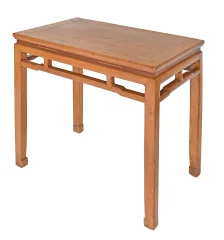
Chinese Qing Dynasty console table
Espaces et Formes — Paris XVIII Arrdt
780,00 €
Good condition
158 objects found
Emerging in the first half of the 19th century in the wake of the Napoleonic campaigns and the great journeys to North Africa and the Near East, Orientalist art captivates with its golden light, Moorish architecture and vivid scenes of Maghrebi and Levantine life. Painters such as Eugène Delacroix, Jean-Léon Gérôme and Eugène Fromentin captured an Orient both observed and imagined, while sculptors and ceramicists embraced the same themes with equal passion. Orientalist paintings of the 19th century remain the heart of the market, but bronzes, faïence and Oriental-style furniture round out a collection with remarkable elegance.
158 objects found
Espaces et Formes — Paris XVIII Arrdt
Antiquités Christophe Rochet — Villeurbanne
Antiquités Christophe Rochet — Villeurbanne
Espaces et Formes — Paris XVIII Arrdt
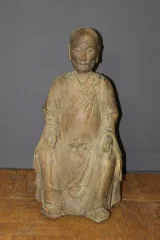
Antiquités Christophe Rochet — Villeurbanne
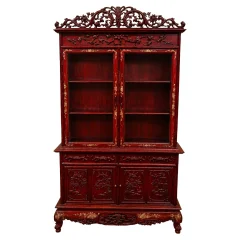
le village des brocanteurs 58 — Dun-les-Places
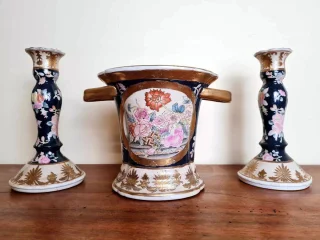
le village des brocanteurs 58 — Dun-les-Places
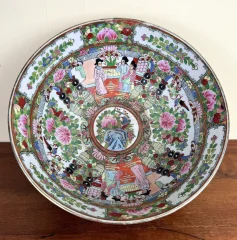
le village des brocanteurs 58 — Dun-les-Places
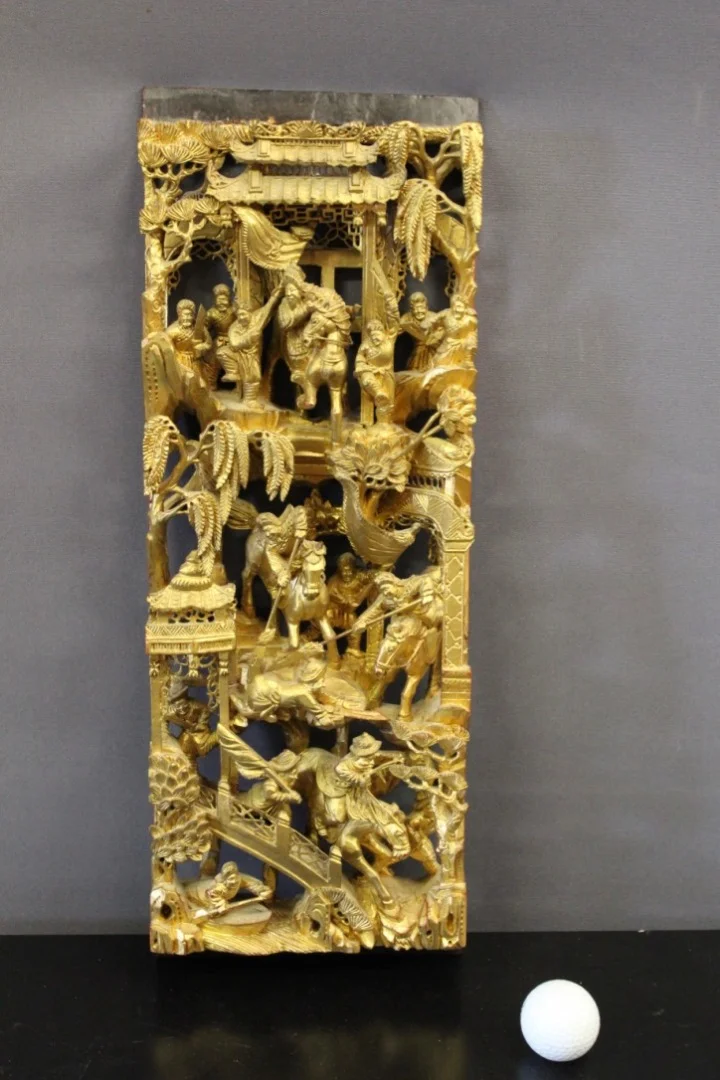
Antiquités Christophe Rochet — Villeurbanne
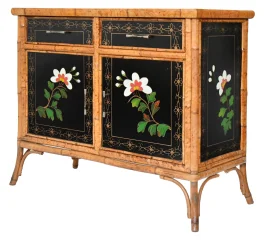
Espaces et Formes — Paris XVIII Arrdt
Espaces et Formes — Paris XVIII Arrdt
Antiquités Lecomte — Héric
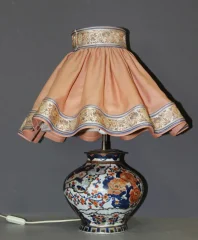
Antiquités Christophe Rochet — Villeurbanne
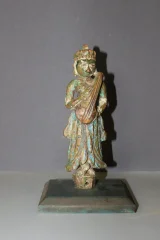
Antiquités Christophe Rochet — Villeurbanne
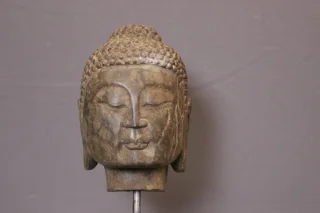
Antiquités Christophe Rochet — Villeurbanne
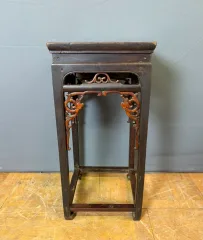
Antiquités Christophe Rochet — Villeurbanne
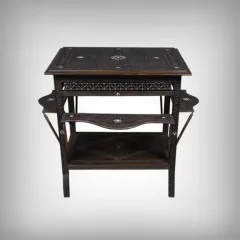
Antiquités Lecomte — Héric
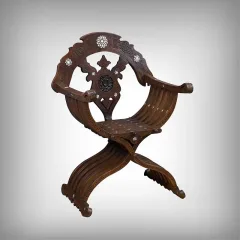
Antiquités Lecomte — Héric
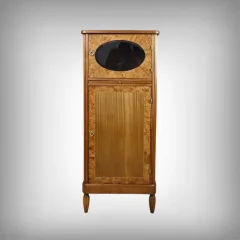
Antiquités Lecomte — Héric

Antiquités Christophe Rochet — Villeurbanne
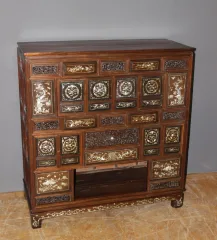
Antiquités Christophe Rochet — Villeurbanne
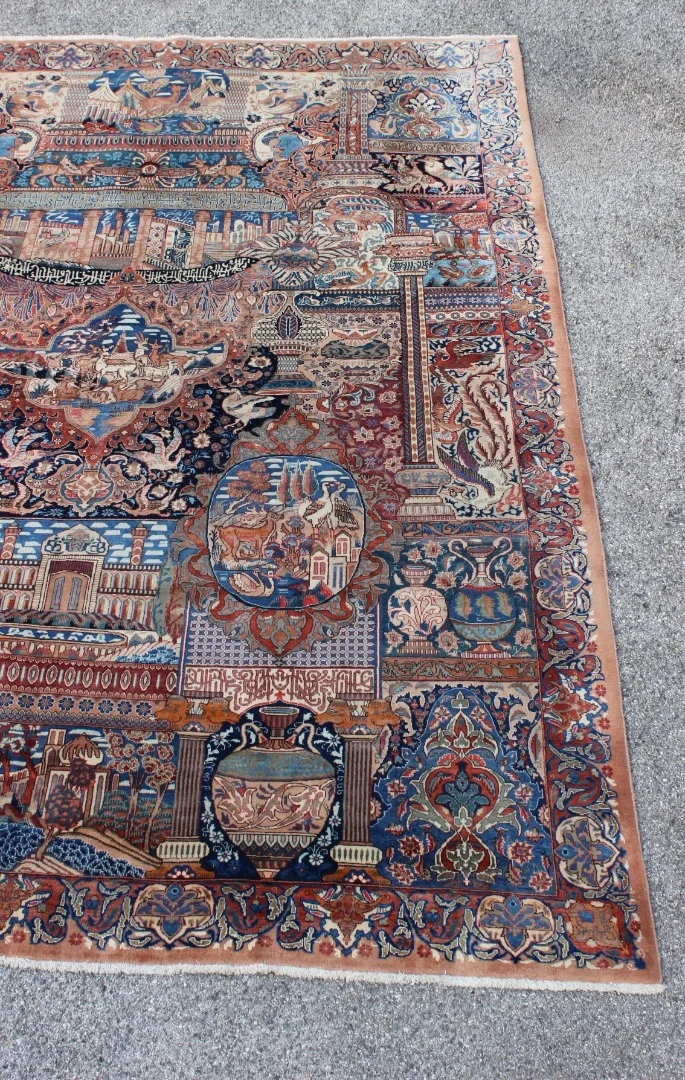
Antiquités Christophe Rochet — Villeurbanne
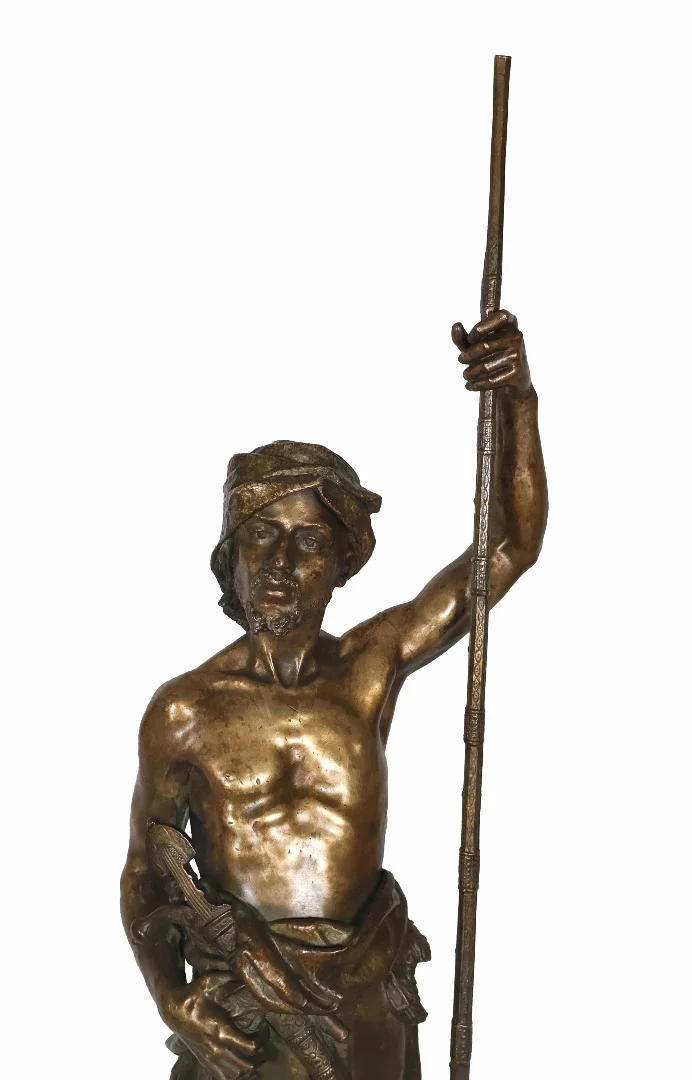
Galerie Lauretta — Mandelieu-la-Napoule
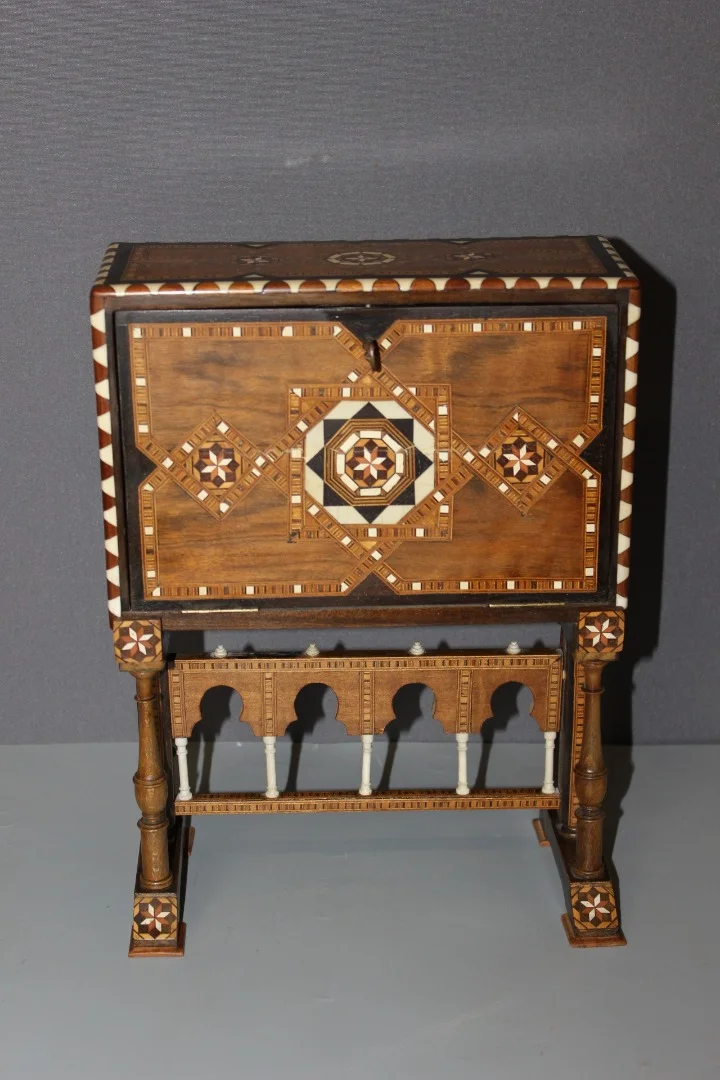
Antiquités Christophe Rochet — Villeurbanne
Authenticating an Orientalist work requires both method and market knowledge. For paintings, examine the signature on the front and back, the canvas and its stretcher (wedge keys, linen type), and any gallery or Salon labels on the reverse. The major names — Gérôme, Guillaumet, Dinet, Belly, Chassériau — are documented in scholarly catalogues raisonnés available through specialist libraries or accredited experts. A well-documented provenance — estate sale, old auction record, private collection — substantially strengthens both the value and the security of your purchase.
When considering signed Orientalist bronzes, assess the quality of the casting, the integrity of the original patina (warm brown or consistent antique green) and the presence of a foundry stamp — Barbedienne, Susse Frères and Thiébaut are all reputable references. Orientalist ceramics and faïence — mosque-decorated dishes, glazed tiles, geometric-patterned vases — are distinguished by the fineness of the glaze and the precision of the draughtsmanship. Be wary of later reproductions with overly vivid colours and unnaturally white grounds.
In terms of budget, works on paper (watercolours, drawings) and smaller bronzes by lesser-known hands can be acquired from a few hundred pounds. A recognised academic painter's oil typically ranges from £2,000 to £20,000 or more for an ambitious signed composition. Orientalist furniture — zellige-topped tables, carved and inlaid wooden chests, mashrabiya-backed chairs — varies from around £500 to several thousand depending on quality and condition. Placing these pieces in the context of the Empire style or the exotic vogue that fed into Art Nouveau helps situate them within the broader history of taste.
On Antiquités en France, every Orientalist piece is offered by a verified professional antique dealer who can provide high-resolution photographs, precise dimensions and the full history of the work. Contact the dealer directly to request a condition report or certificate of authenticity before completing your purchase.