
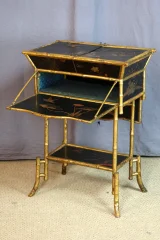
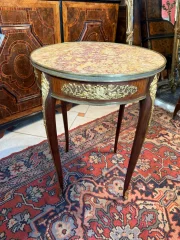
Napoléon III Side Table
Philippe Cote Antiquites — Chauffailles
1 450,00 €
Good condition
867 objects found
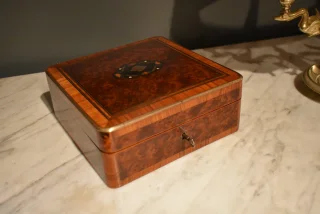
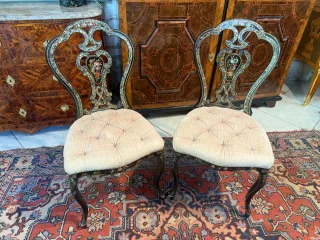
Flourishing under the reign of Napoleon III (1852–1870), the Second Empire style is defined by unapologetic opulence: intricate marquetry, finely chiselled gilt bronze mounts, ebony and rosewood veneers, and seating upholstered in embroidered velvet and silk. This eclectic style drew freely from Louis XIV, Louis XV and Renaissance repertoires while embracing the era's emerging industrial techniques.
Napoleon III furniture is instantly recognisable by its ornamental richness: cabriole legs, applied bronze mounts, mother-of-pearl inlays and brass galleries. The great Parisian houses — Grohé, Beurdeley, Fourdinois — produced the most sought-after pieces, which remain highly prized by collectors today. Browse our Empire style selection for the preceding chapter in French decorative arts.
867 objects found
Philippe Cote Antiquites — Chauffailles
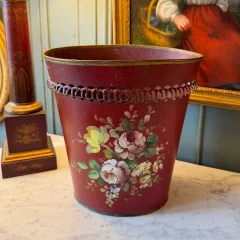
Ponvianne Antiquités — Marcy-l'Étoile
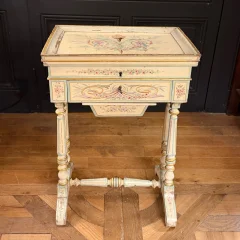
Ponvianne Antiquités — Marcy-l'Étoile
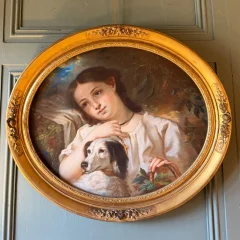
Ponvianne Antiquités — Marcy-l'Étoile
Antiques Provence — Cheval-Blanc
Antiquités Anne Marie Perrier — La Boisse
Romain Lichtensztein — Maignelay-Montigny
Romain Lichtensztein — Maignelay-Montigny
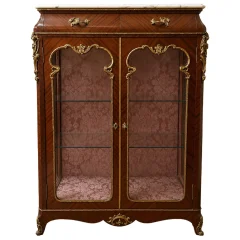
le village des brocanteurs 58 — Dun-les-Places
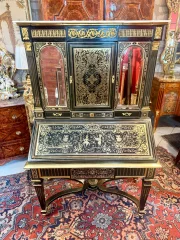
Romain Lichtensztein — Maignelay-Montigny
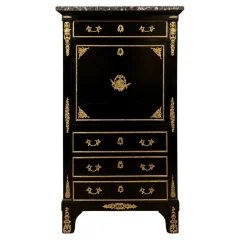
le village des brocanteurs 58 — Dun-les-Places
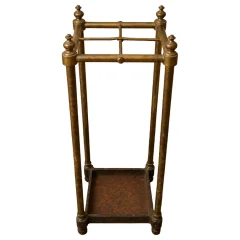
le village des brocanteurs 58 — Dun-les-Places
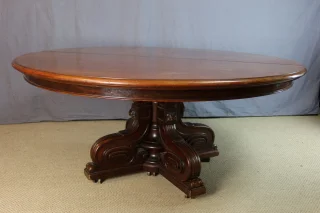
Philippe Cote Antiquites — Chauffailles
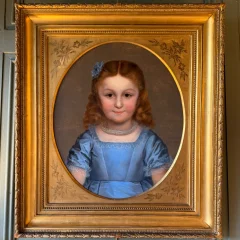
Ponvianne Antiquités — Marcy-l'Étoile
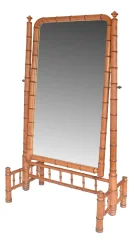
Espaces et Formes — Paris XVIII Arrdt
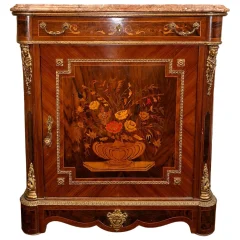
le village des brocanteurs 58 — Dun-les-Places
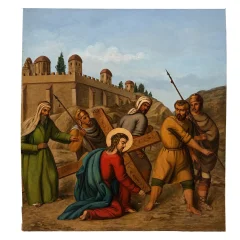
le village des brocanteurs 58 — Dun-les-Places
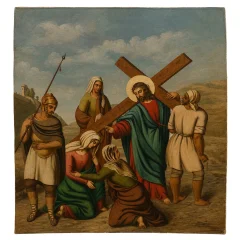
le village des brocanteurs 58 — Dun-les-Places
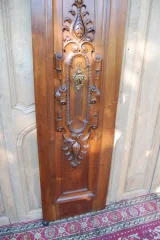
Antiquités Rousseau — Évry
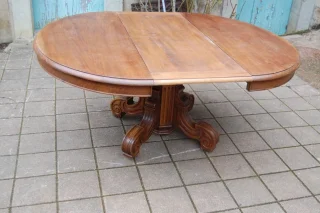
Antiquités Rousseau — Évry
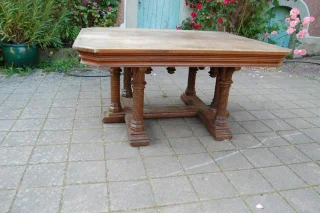
Antiquités Rousseau — Évry
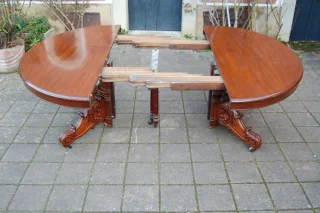
Antiquités Rousseau — Évry
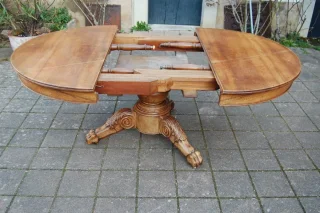
Antiquités Rousseau — Évry
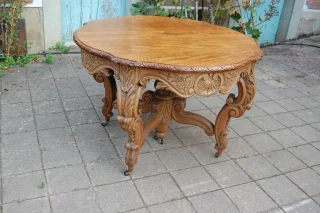
Antiquités Rousseau — Évry
Authenticating a genuine Napoleon III piece begins with the construction. Hand-cut dovetail joints on drawers, secondary-wood carcasses in oak or poplar, and bronze mounts secured with screws rather than glue are all hallmarks of pre-industrial craftsmanship. An ébéniste's stamp struck beneath a drawer or on the back of the carcass adds considerable value and traceability. The houses of Grohé, Beurdeley and Fourdinois command the highest premiums; treat undocumented attributions with caution.
When assessing materials, look for boulle marquetry in tortoiseshell and brass, veneers of Rio rosewood or Macassar ebony, and mercury-gilded bronzes — warmer and deeper in tone than later electroplated finishes. The condition of the veneer is critical: localised lifting can be professionally restored, but extensively re-veneered surfaces lose a measure of authenticity. Check the bronze mounts closely: modern cross-head screws are a tell-tale sign of later replacement.
Budget expectations vary widely. Small decorative objects or bronze wall lights can be found from a few hundred pounds, while a quality commode or secrétaire typically ranges from £2,000 to £8,000. A signed cabinet by Grohé or a pair of Napoleon III armchairs in original velvet can reach well into five figures, particularly when accompanied by a period invoice or auction provenance. Documented pieces consistently attract a significant provenance premium at auction and in the trade.
On Antiquités en France, every piece is offered by a verified professional dealer who can provide detailed photographs, exact dimensions and condition reports before purchase. Each dealer can also advise on care: dust velvet upholstery gently with a soft brush following the nap, and feed wooden surfaces with a natural paste wax once or twice a year, keeping pieces away from direct sunlight and humidity fluctuations that stress veneers and mother-of-pearl inlays. Contact your chosen dealer directly to request a certificate of authenticity or a full condition report.