18th Century French Antiques

965 objects found

Loading
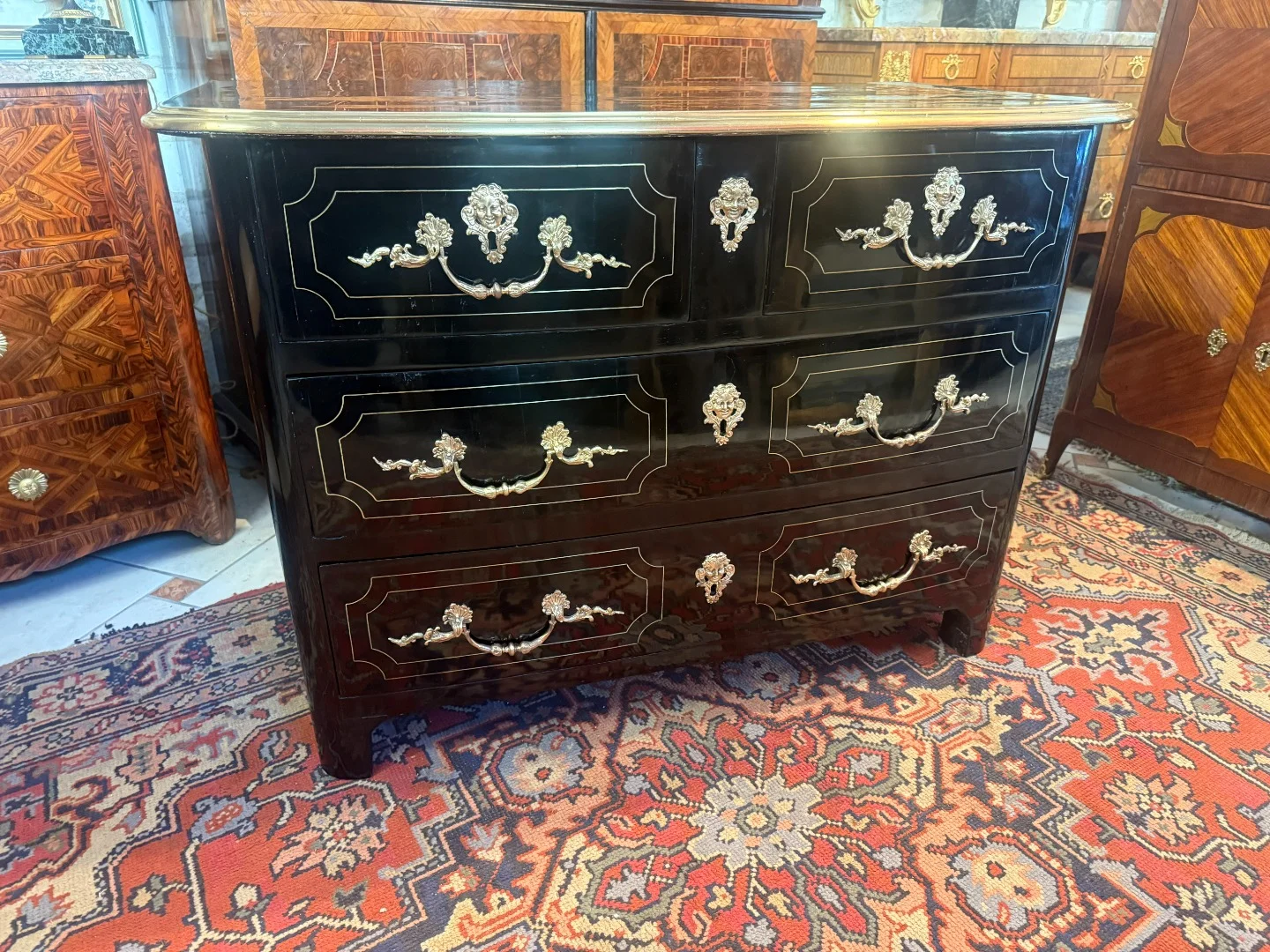
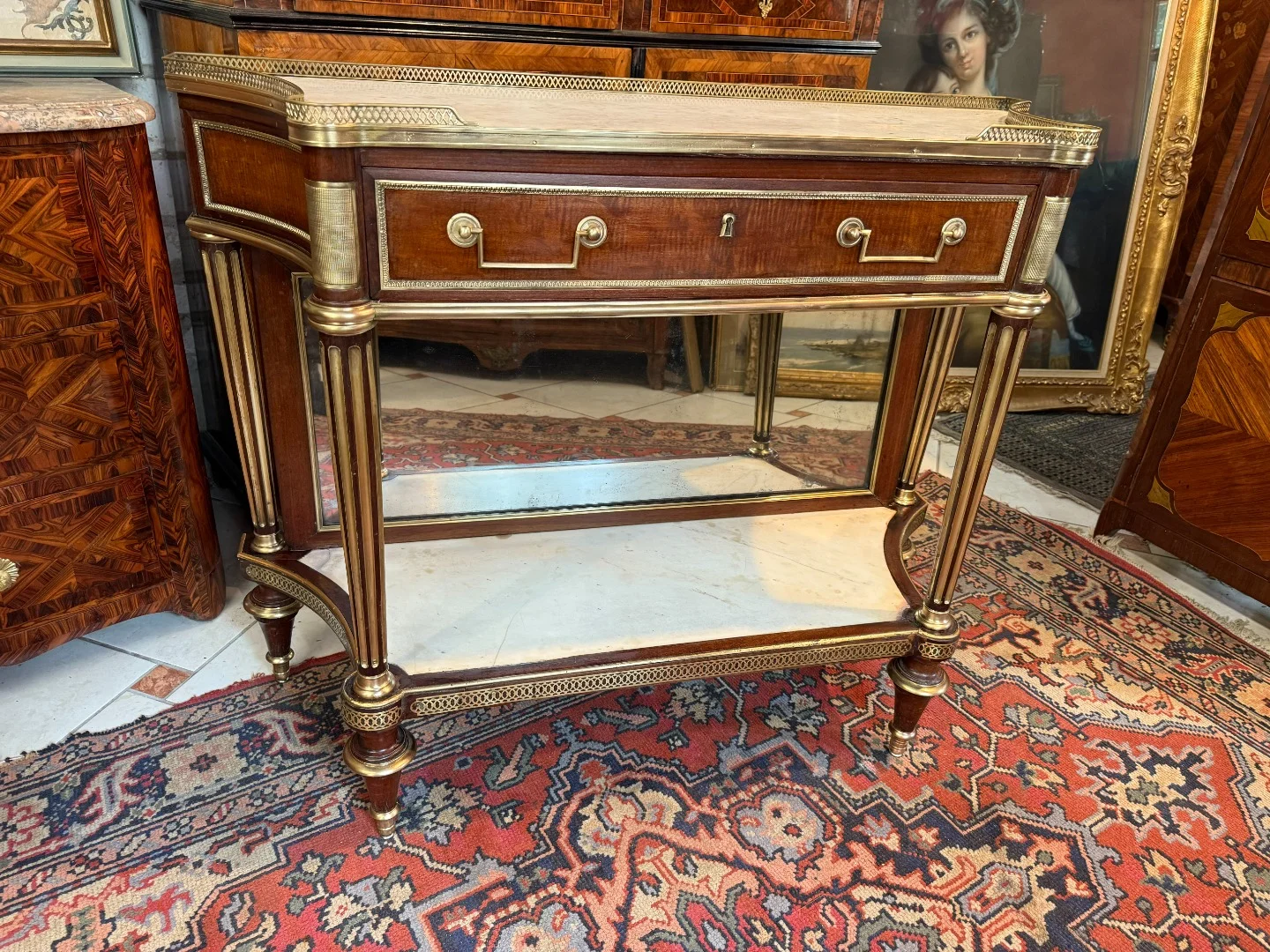
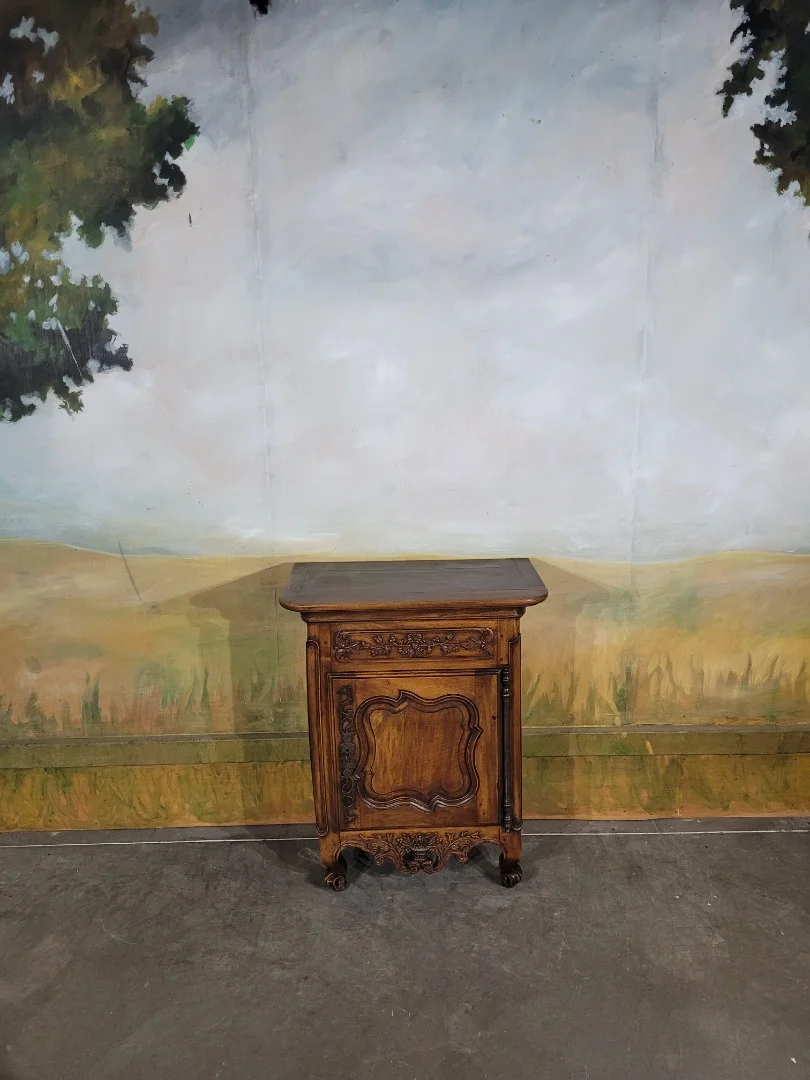
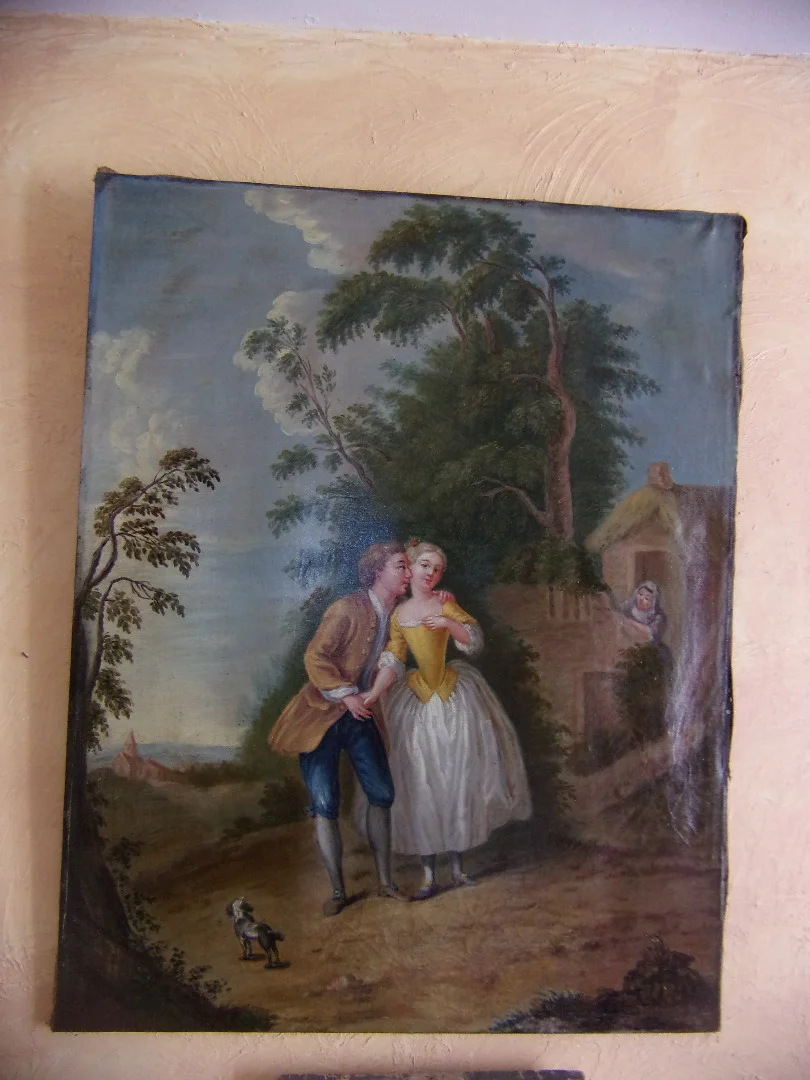
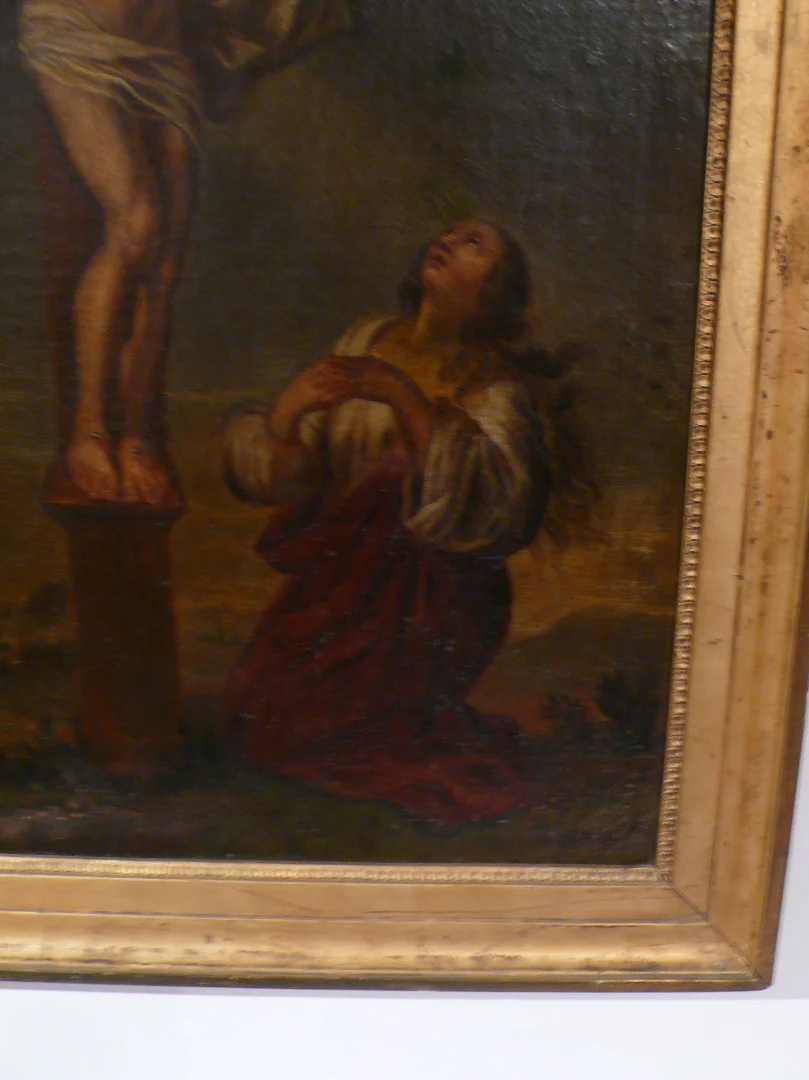
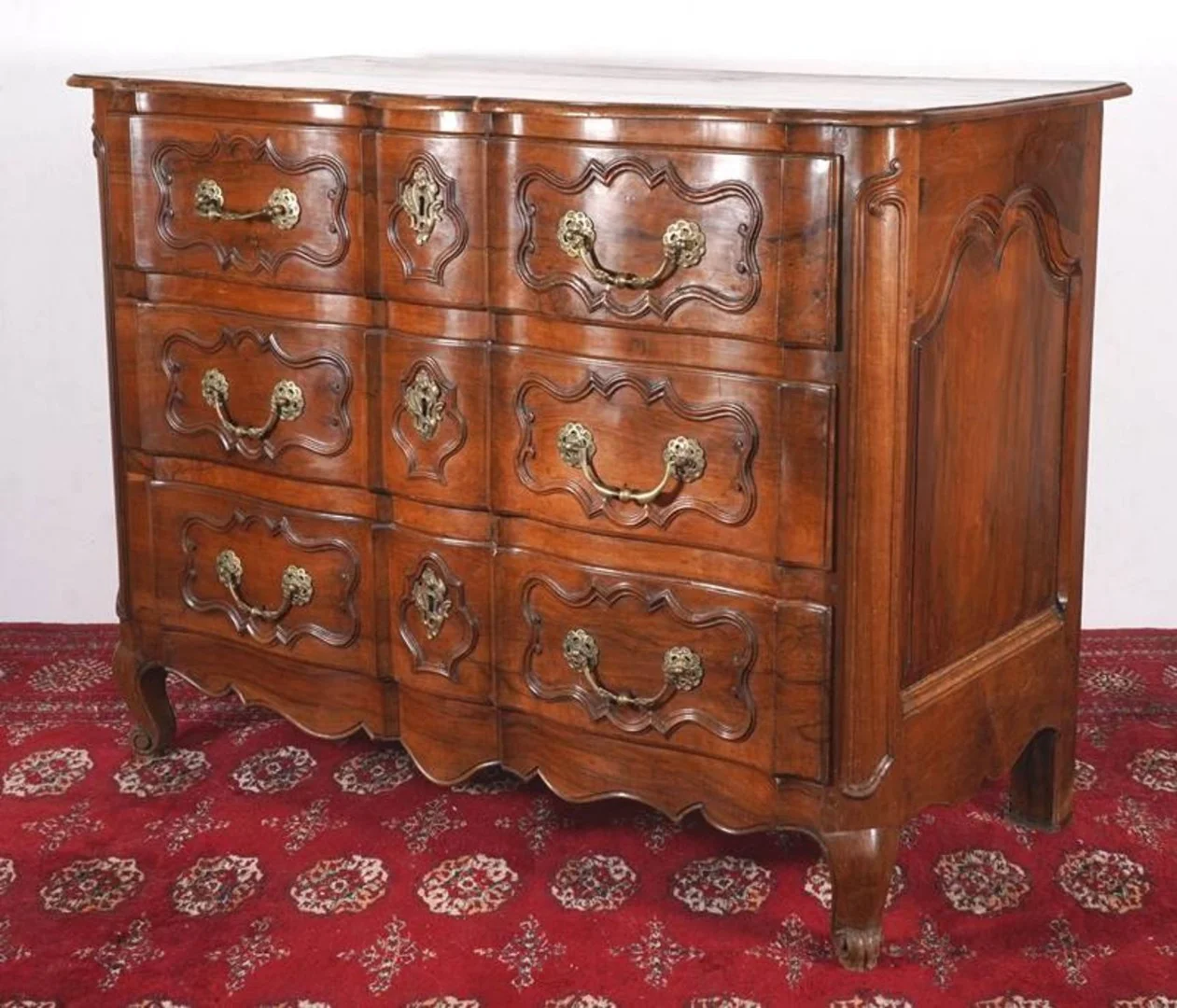
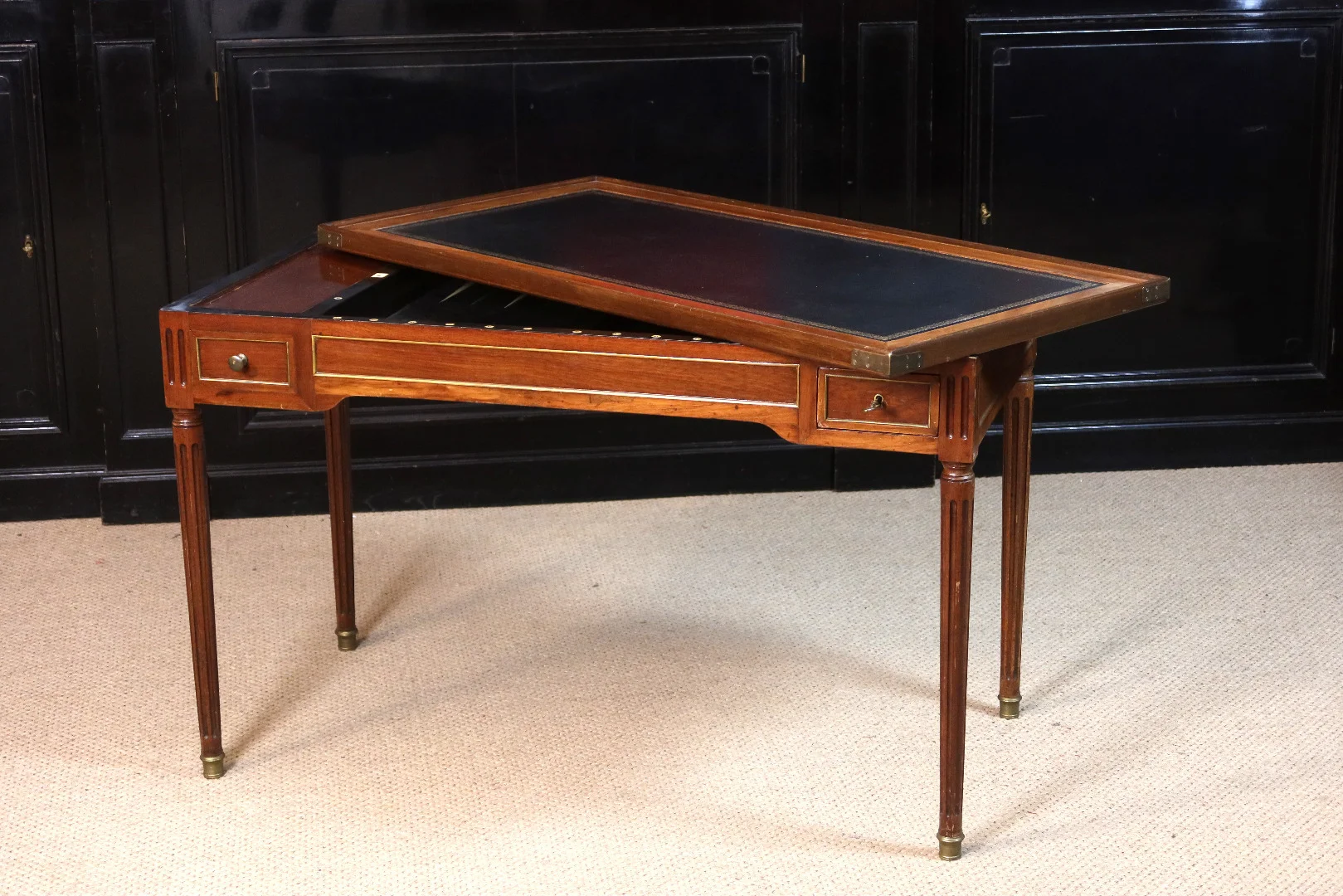
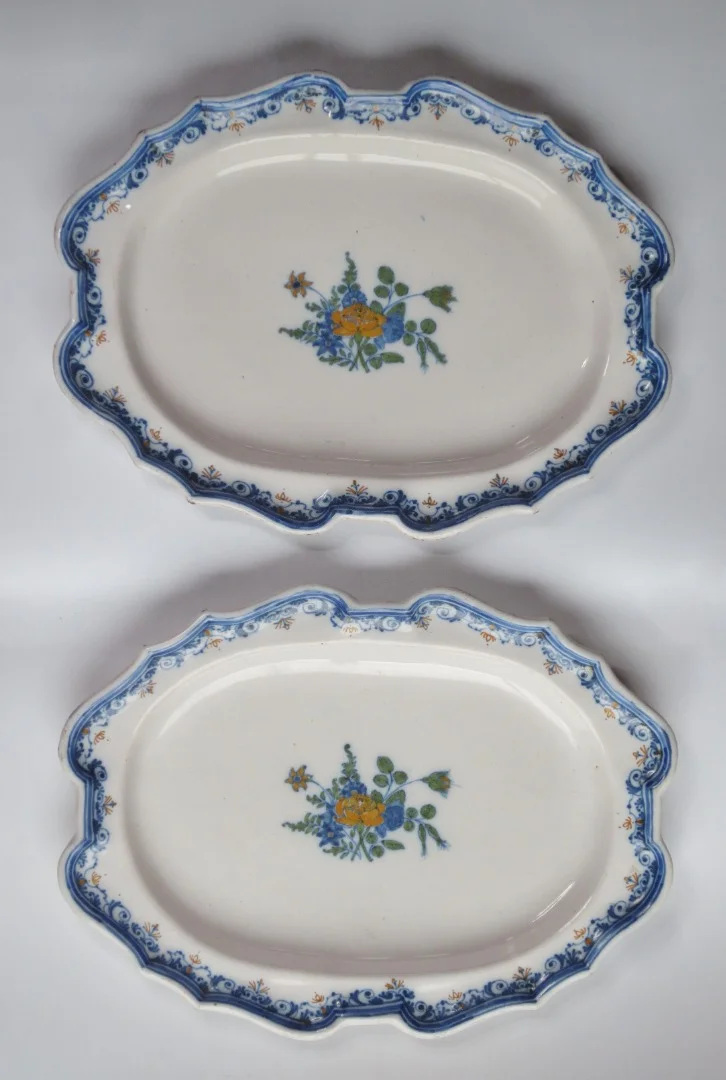
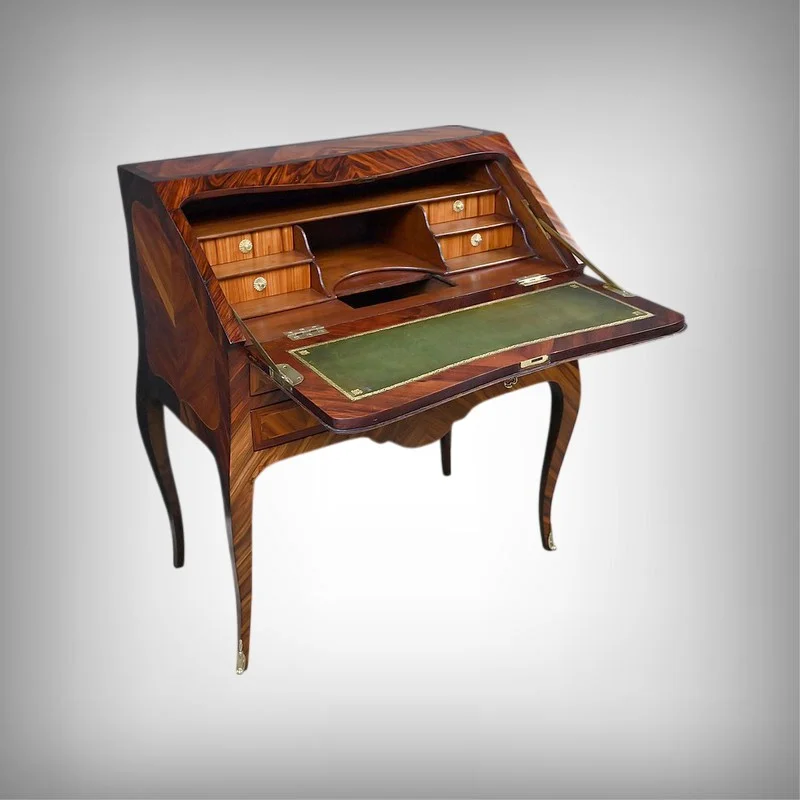
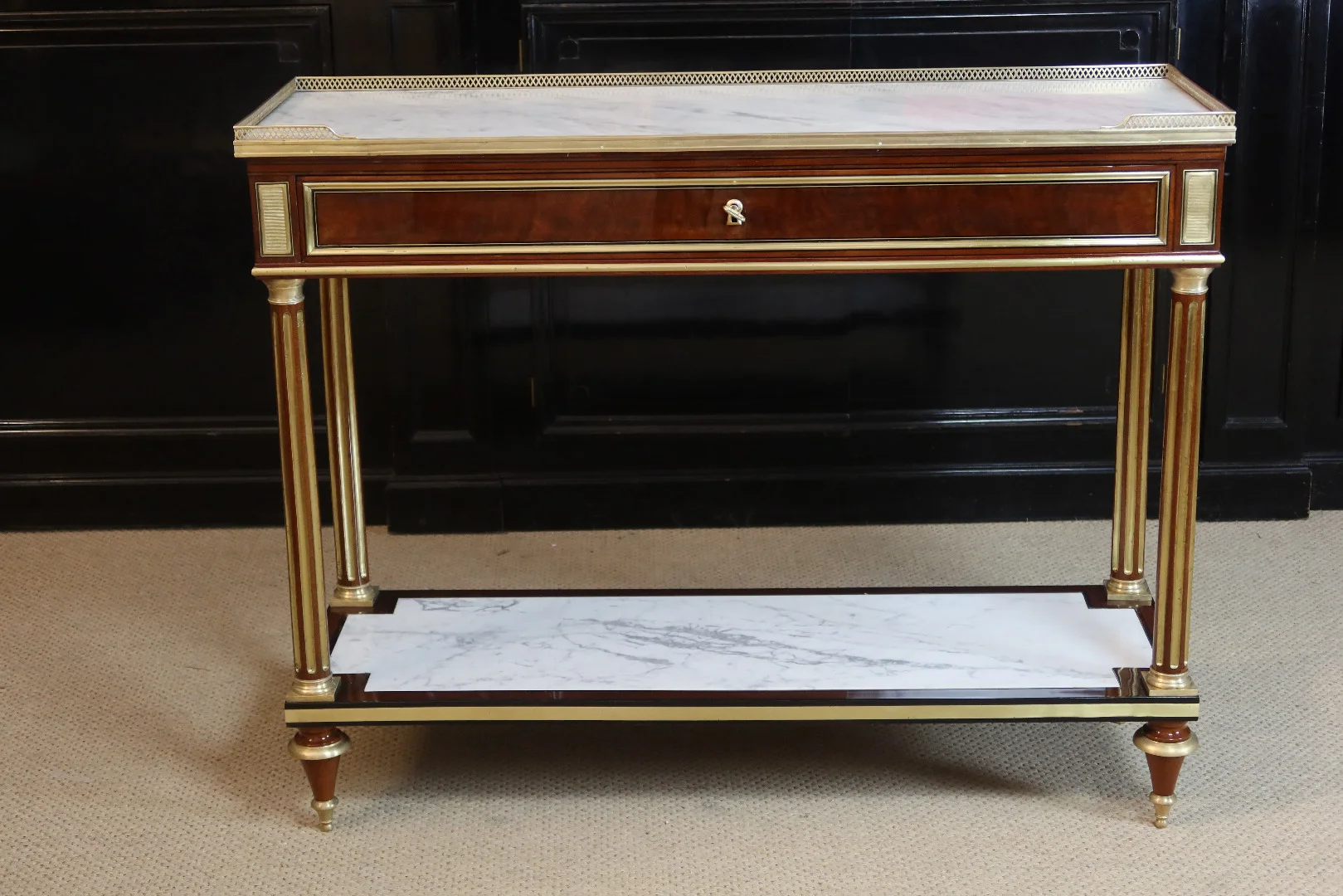
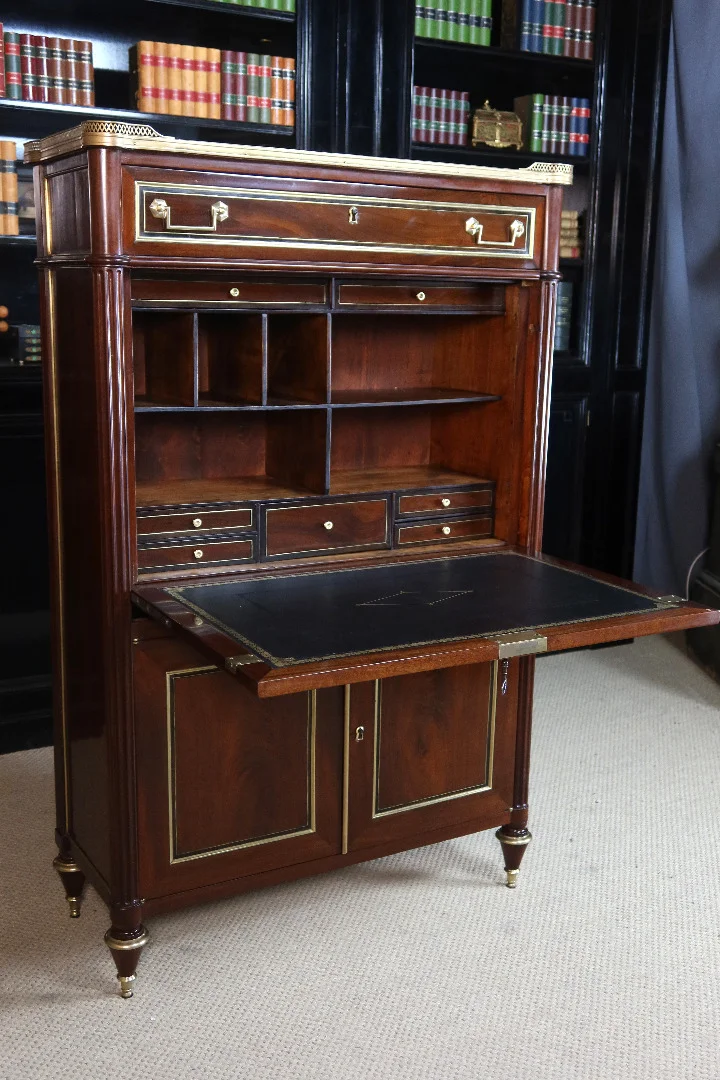
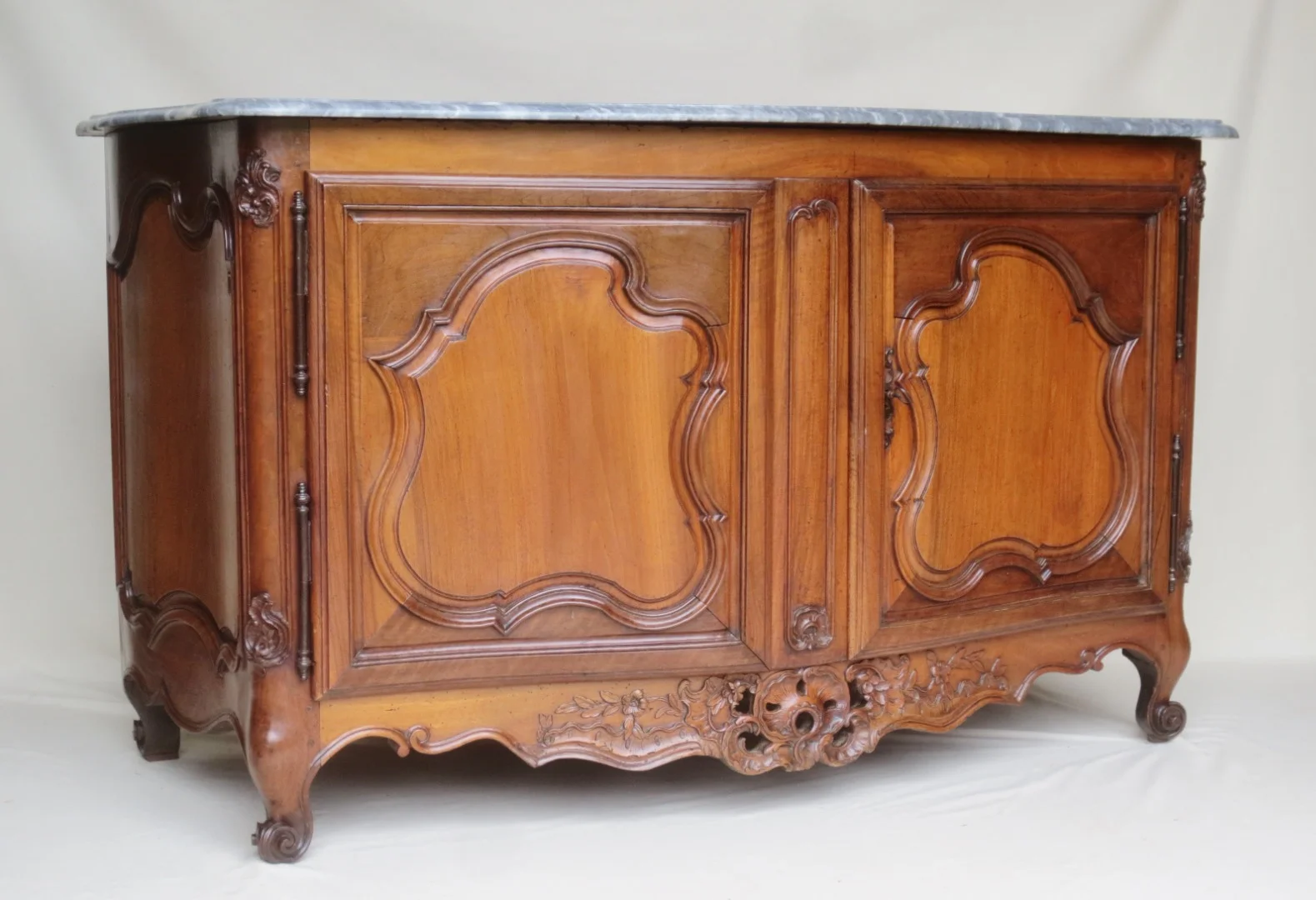
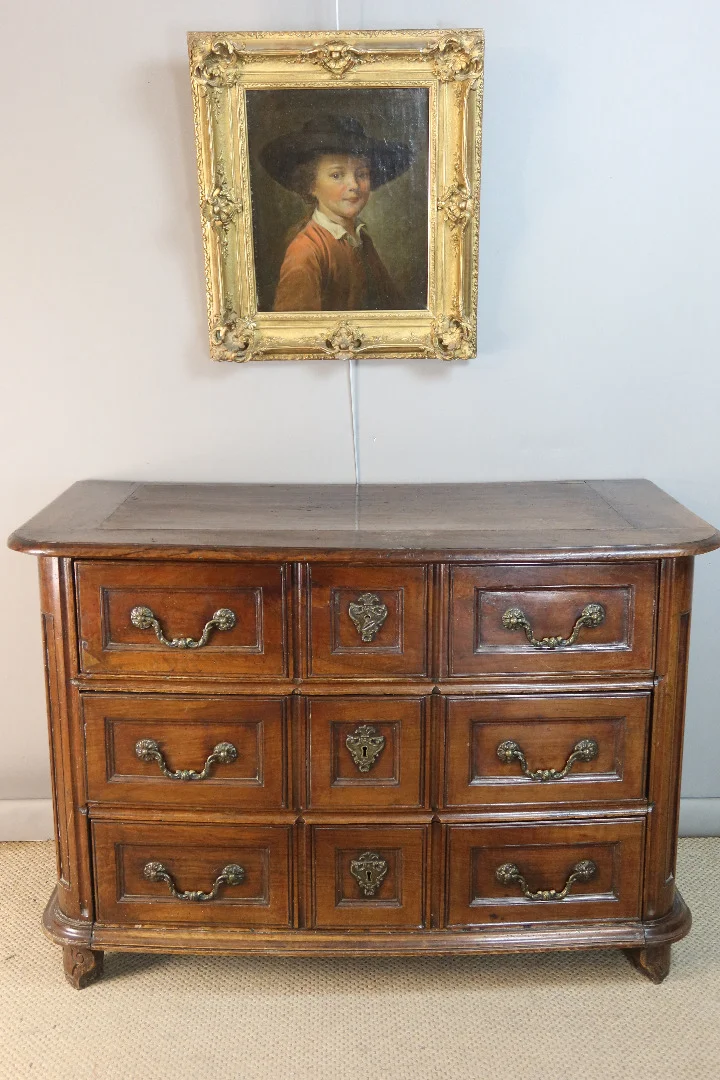
18th century French antiques represent the pinnacle of European decorative arts. From the flowing curves of the Régence (1710–1730) and Louis XV rocaille style — with its cabriole legs, rosewood marquetry and chiselled shell-and-scroll bronzes — to the neoclassical rigour of Louis XVI and the spare elegance of the Directoire (1795–1799), this century produced masterpieces that collectors and interior designers worldwide still compete to acquire. Louis XV commodes, secrétaires, bergères, bonheurs-du-jour and bureaux plats are among the most sought-after pieces on the market today. Many bear the stamps of celebrated ébénistes — Oeben, Riesener, Leleu, Saunier — whose work commands serious attention at auction and in specialist galleries. Browse our verified professional dealers to find pieces spanning the full 18th century spectrum.

Louis XV, Louis XVI & Régence antiques from professional dealers

965 objects found

How to choose and authenticate 18th century French furniture

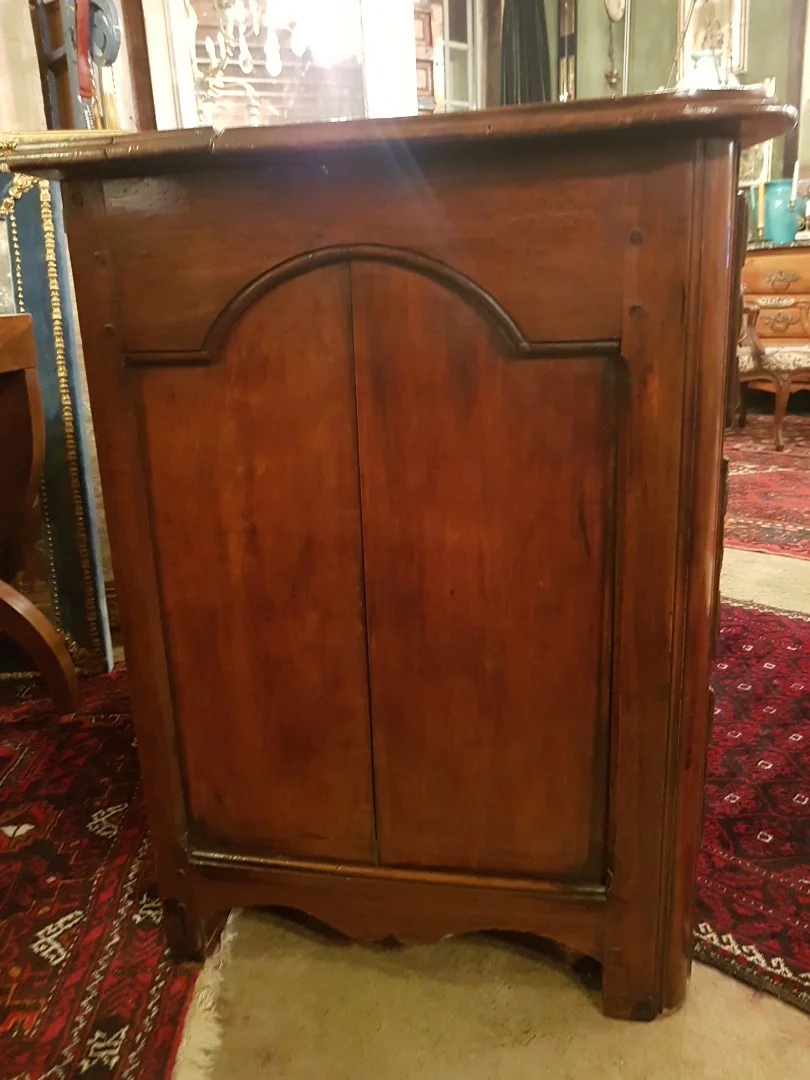
Authenticating 18th century French furniture requires a trained eye and a few key reference points. Look first for the estampille — the maker's stamp, typically struck into the wood on the back rail or underside of a seat — which was mandatory for Parisian guild members from 1743 onwards. Genuine marquetry furniture of the period uses bois de rose, bois de violette, sycamore and fruitwoods, with precisely fitted veneers that show natural ageing and slight shrinkage at the joints. Bronze mounts should be hand-chased and gilded, not cast from later moulds. Dating a piece accurately also means reading its proportions and ornament: Louis XV forms are asymmetric and sinuous, while Louis XVI pieces return to straight lines, fluted legs, medallions and Greek-key friezes. The transitional 17th century Baroque vocabulary gives way to the Régence's lighter, more playful vocabulary before the full rocaille flourishes of Louis XV. If you are exploring what came next, the 19th century Empire and Restauration styles drew directly on this neoclassical inheritance. In terms of budget, expect to pay from a few hundred pounds for a small decorative object or a provincial side chair in good condition, rising to tens of thousands for a stamped Parisian commode with original mounts and documented provenance. Condition is paramount: check veneer stability, the integrity of bronze mounts, and whether any restoration work is sympathetic and disclosed. A piece with honest, period-consistent wear is always preferable to one that has been over-restored. On Antiquités en France, every 18th century antique is offered by a verified professional dealer who can provide detailed photographs, precise dimensions and condition reports before purchase. Browse 18th century armchairs and seating, refine by style or object type, and contact the dealer directly — expert guidance is part of the service.

Frequently asked questions about 18th Century French Antiques

How can I tell if a piece of furniture is genuinely 18th century?
Look for hand-cut dovetails, irregular saw marks on secondary woods, and natural patina on the underside. A Parisian guild stamp (estampille) struck into the wood is a strong indicator of authenticity for pieces made after 1743. Always ask the dealer for provenance documentation.
What is a realistic price range for 18th century French antiques?
Prices vary enormously: a provincial rush-seat chair might sell for a few hundred pounds, while a stamped Parisian commode with original gilt-bronze mounts can reach tens of thousands. Signed pieces by known ébénistes such as Riesener or Oeben command a significant premium at auction and with specialist dealers.
Which styles fall within the 18th century period?
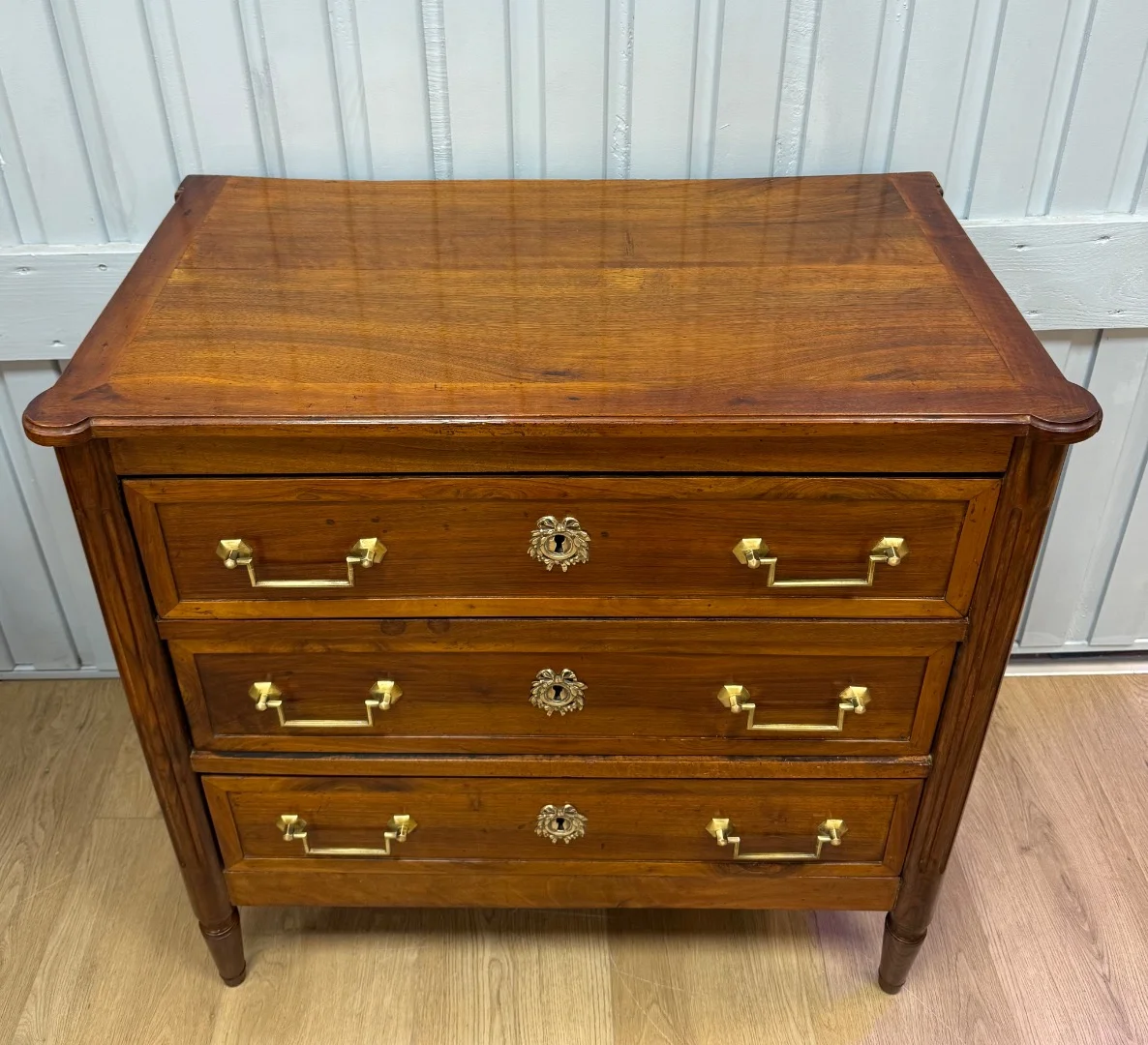
The main styles are Régence (1710–1730), Louis XV or rocaille (1730–1760), Transition (1760–1774), Louis XVI (1774–1792) and Directoire (1795–1799). Each has distinct ornamental vocabulary, from the asymmetric curves of Louis XV to the straight, fluted forms of Louis XVI.
How should I care for 18th century furniture?
Keep pieces away from direct sunlight and central heating, which dry out veneers and cause cracking. Feed the wood annually with a good-quality beeswax polish. Avoid water near marquetry surfaces. For any structural repairs or veneer lifting, consult a specialist furniture conservator rather than attempting DIY fixes.
Is 18th century French furniture a good investment?
High-quality, authenticated 18th century pieces have historically held their value well and often appreciate over time, particularly stamped Parisian work with documented provenance. Unlike modern furniture, they do not depreciate with use, and their craftsmanship and materials are essentially irreplaceable.