
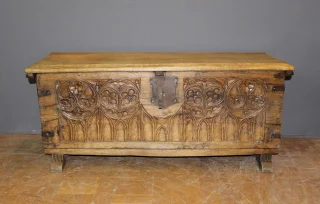
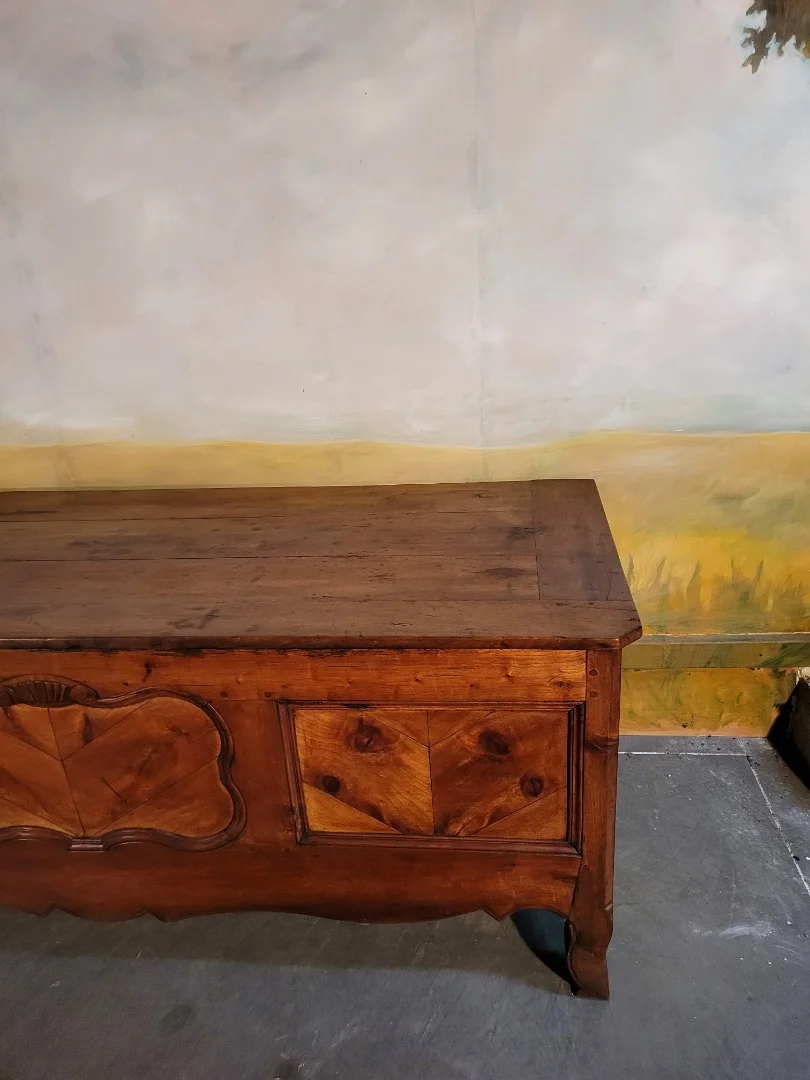
Gothic Oak Chest, 17th Century
Antiquités Christophe Rochet — Villeurbanne
480,00 €
Good condition
89 objects found
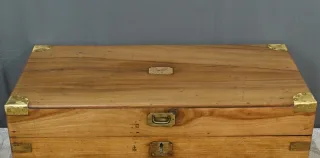
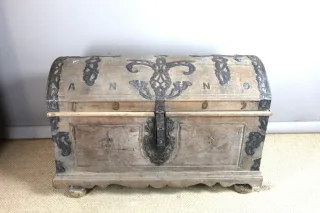
Among the oldest surviving pieces of furniture, the antique chest has endured through the centuries without losing its appeal. From medieval oak coffers with hand-forged ironwork to the richly carved marriage chests of the Renaissance and 17th century, each piece reflects exceptional craftsmanship. Recognisable by their hand-forged hinges and hasps, sculpted panels of geometric or floral motifs, and original locks, these chests are at once functional furniture and genuine works of decorative art.
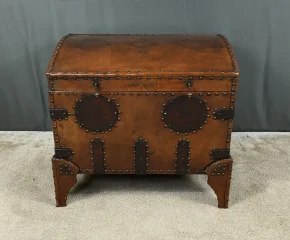
Oak, walnut and chestnut are the most common timbers, sometimes enriched with marquetry or polychrome painting depending on region and period. Collectors of antique maritime objects will also find remarkable iron-bound sea chests within this category.
89 objects found
Antiquités Christophe Rochet — Villeurbanne
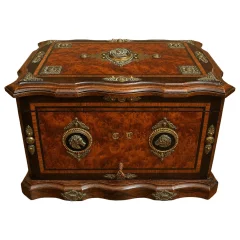
le village des brocanteurs 58 — Dun-les-Places
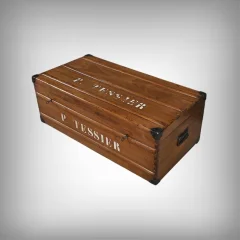
Antiquités Lecomte — Héric
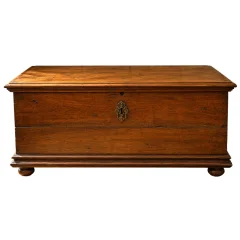
le village des brocanteurs 58 — Dun-les-Places
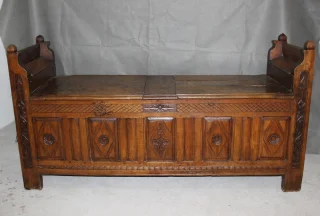
Antiquités Christophe Rochet — Villeurbanne

Antiquités Lecomte — Héric
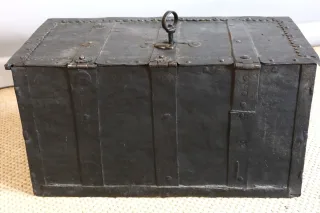
Philippe Cote Antiquites — Chauffailles
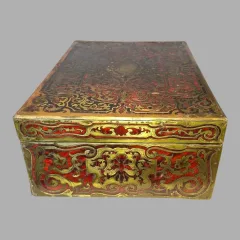
L'atelier De La Dorure — Calmont
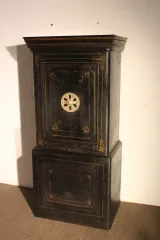
Au Réveil Du Temps — Saint-Nabord
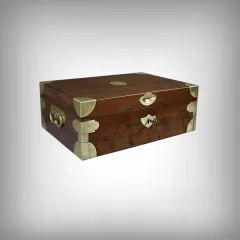
Antiquités Lecomte — Héric
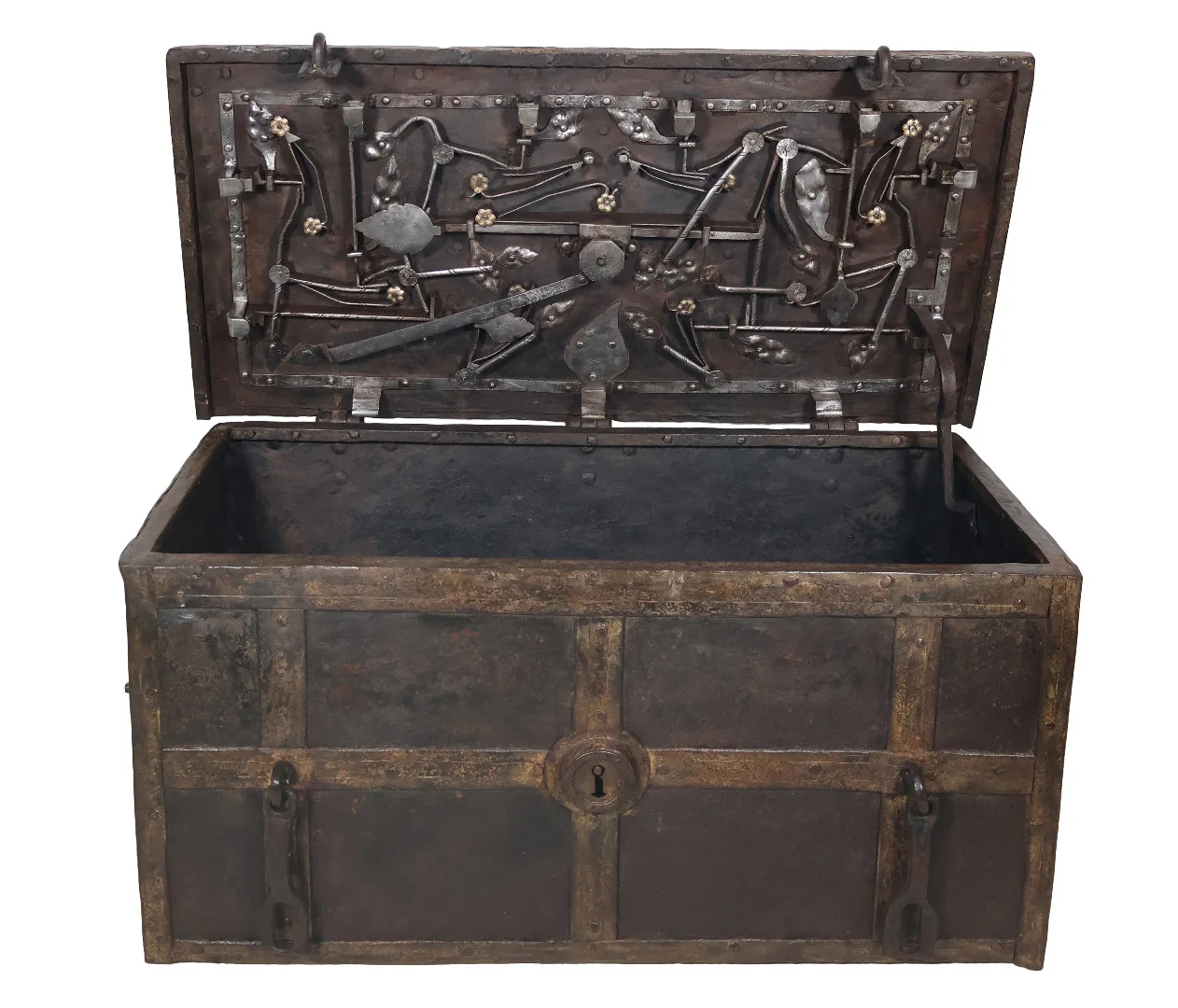
Galerie Lauretta — Mandelieu-la-Napoule
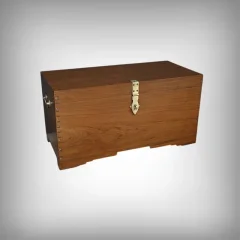
Antiquités Lecomte — Héric
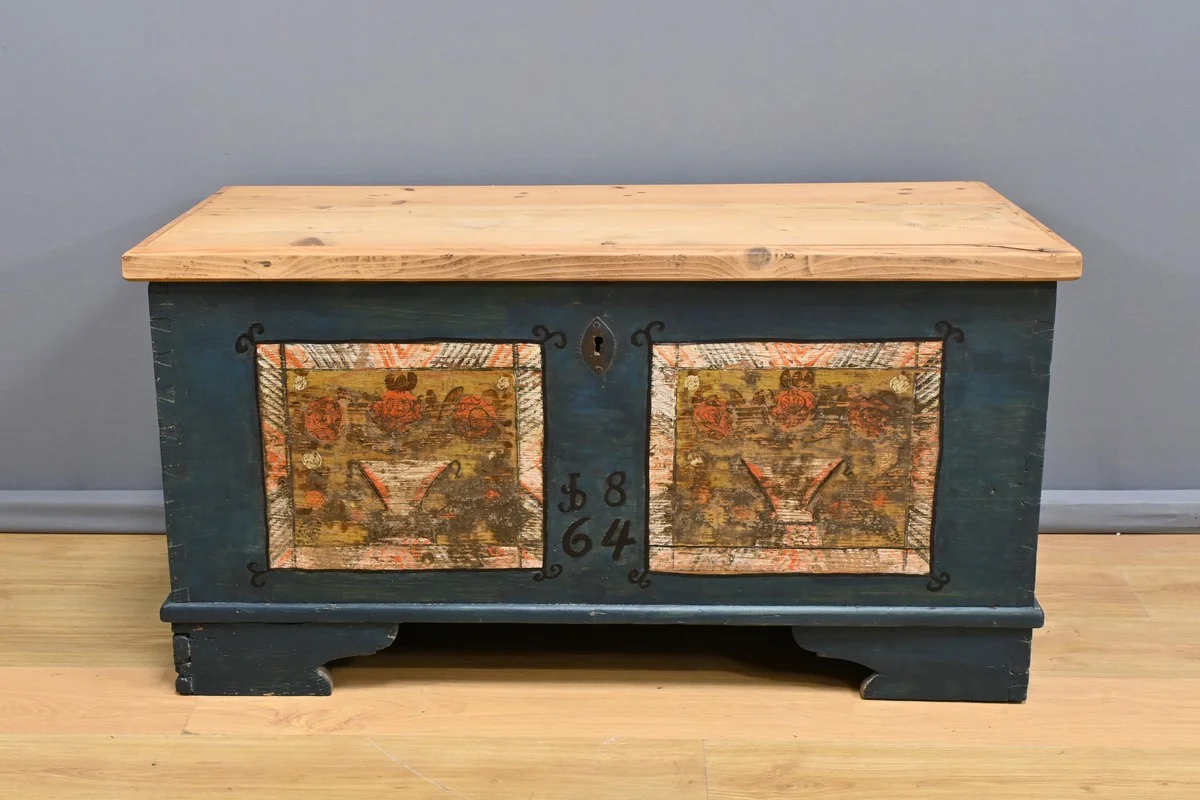
Antiquités Lecomte — Héric
Antiquités Lecomte — Héric
Philippe Cote Antiquites — Chauffailles
L’ESTAMPILLE — Navilly
Antiquités Lecomte — Héric
Antiquités Lecomte — Héric
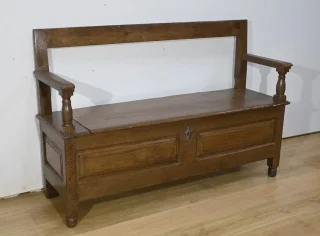
Antiquités Lecomte — Héric
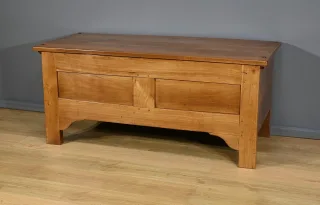
Antiquités Lecomte — Héric
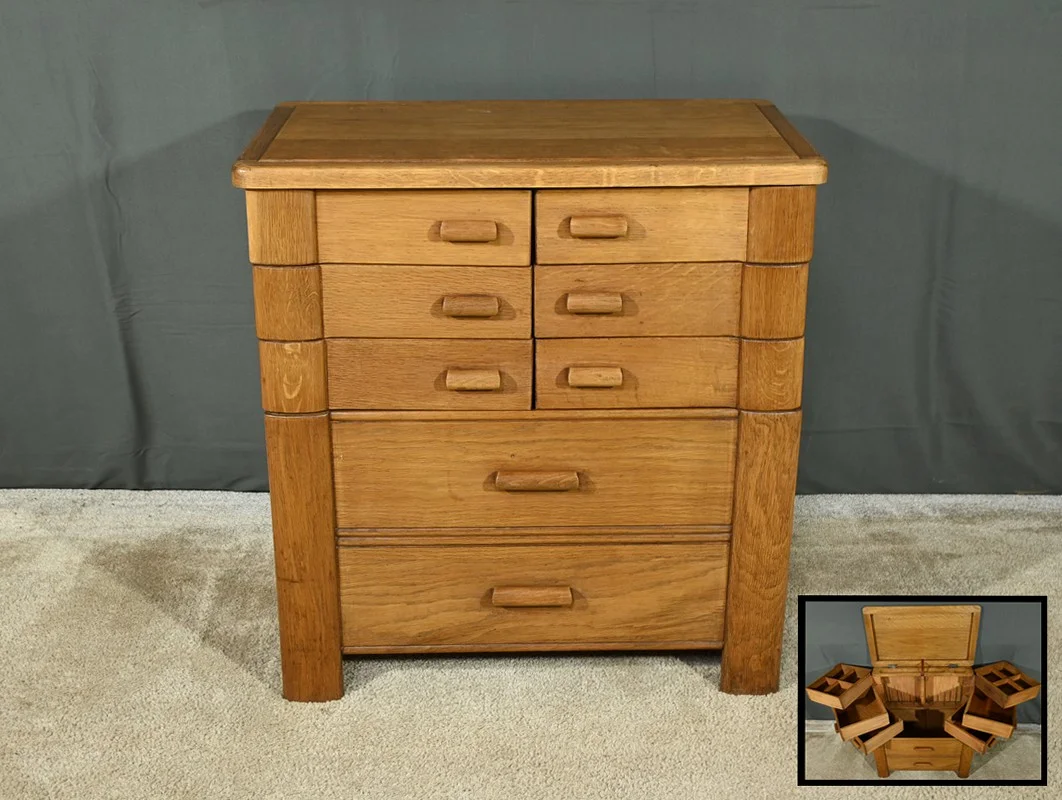
Antiquités Lecomte — Héric
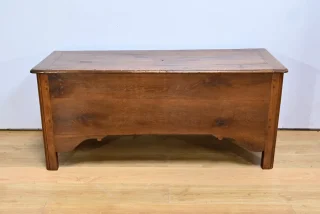
Antiquités Lecomte — Héric
L’ESTAMPILLE — Navilly
Antiquites d'Augers en Brie — Augers-en-Brie
To authenticate an antique chest, start with the construction: mortise-and-tenon joints secured with wooden pegs, hand-tool marks on the interior walls and base, and a naturally developed wood patina are all reliable indicators of age. The ironwork — hinges, straps and locks — should show the irregular forging characteristic of hand craftsmanship; be wary of overly uniform fittings or screws with modern Phillips heads. A genuine Renaissance or Louis XIII chest typically displays low-relief carved panels, often decorated with lozenges, diamond points or scrolling foliage friezes.
In terms of budget, antique oak chests of everyday character generally sell for between a few hundred and two thousand euros, depending on condition and the richness of the decoration. Exceptional pieces — Renaissance marriage chests attributed to a known regional workshop, polychrome painted chests from Alsace or Brittany, or large sacristy coffers — can exceed several thousand euros. The key valuation criteria are the condition of the wood (no lifting, losses or clumsy restorations), the completeness of the original ironwork, and the presence of documented provenance.
Consider broadening your search to include antique hutches and bahuts, closely related forms that share the same joinery tradition. For collectors drawn to strong maritime character, copper- or iron-bound sea chests form a distinct collecting category, often found alongside antique marine objects.
On Antiquités en France, every antique chest is offered by a verified professional dealer who can provide detailed photographs of the joinery, interior and fittings, along with a reasoned estimate. Do not hesitate to contact the dealer directly for information on provenance, any restorations carried out, and the options for secure specialist shipping.