
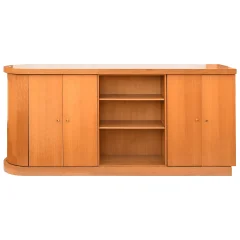
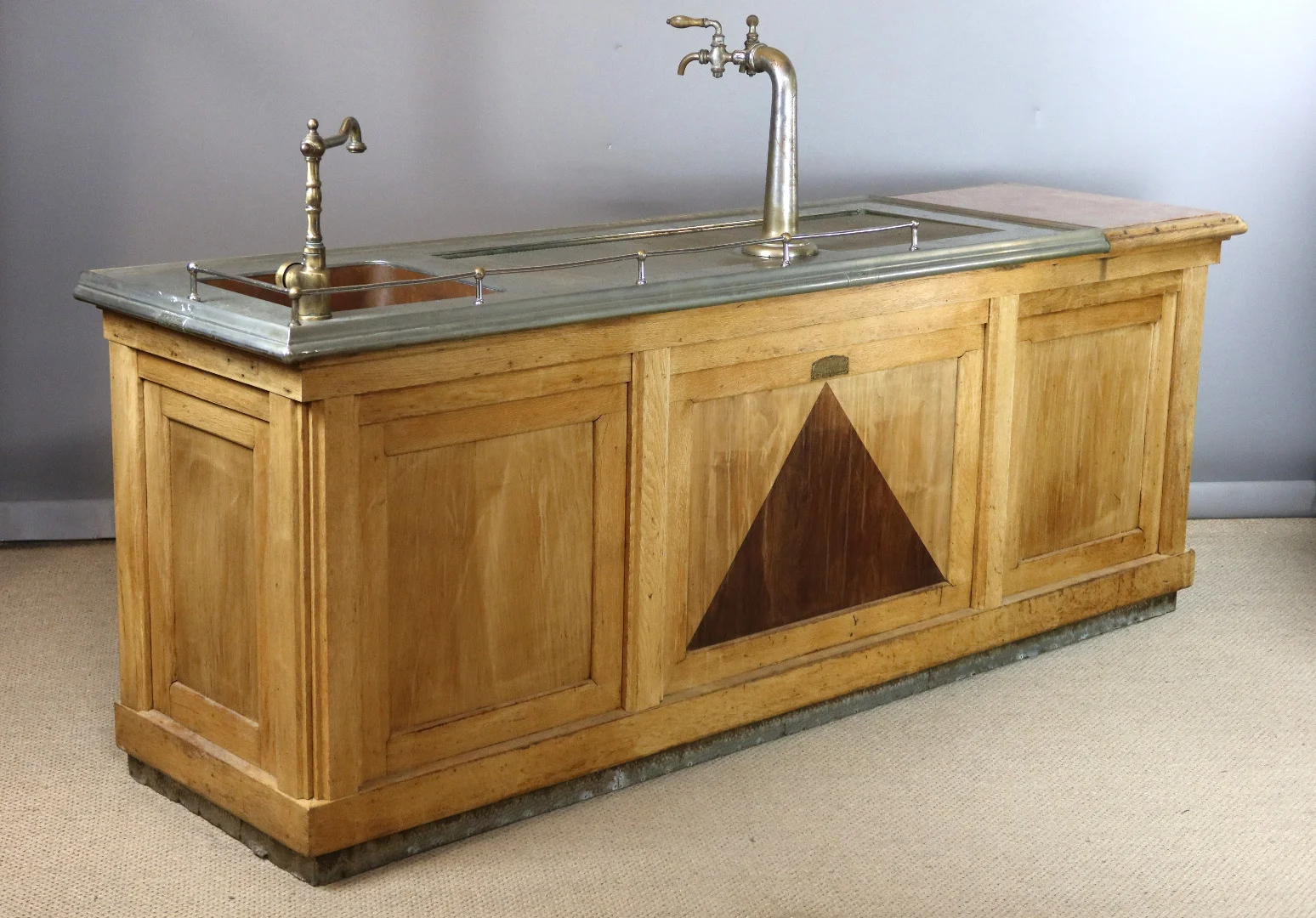
Modern counter in good condition
LA BROCANTE DE BROU — Brou
500,00 €
110 objects found
Antique trade furniture encompasses all the purpose-built pieces designed for a specific craft or commercial trade: pharmacy counters, grocer's display units, notary filing cabinets, saddler's workbenches, haberdashery chests and milliner's fittings. Made between the 18th century and the early 20th century, these pieces combine remarkable structural ingenuity with honest, durable materials — solid oak, walnut and wild cherry, fitted with hand-forged ironwork. Every drawer and worn surface tells a readable professional history, making them highly sought after by collectors and interior designers alike.
You may also wish to explore our industrial antiques or browse antique shop counters to broaden your search.
110 objects found
LA BROCANTE DE BROU — Brou
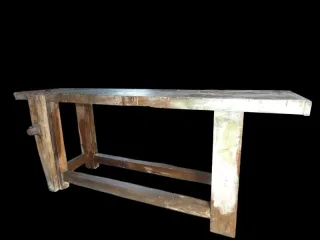
L'atelier De La Dorure — Calmont
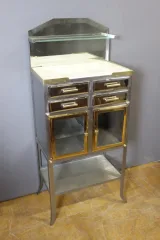
Antiquités Christophe Rochet — Villeurbanne
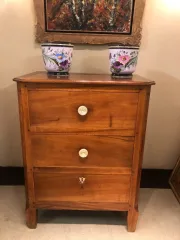
TRADITION Dupasquier Bouley Josiane — Le Plantay
Philippe Cote Antiquites — Chauffailles

Eric Saget — Paris
Ecritoire Antiquites Poidras jean-luc — Vertou
Philippe Cote Antiquites — Chauffailles
Philippe Cote Antiquites — Chauffailles
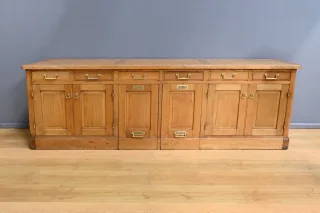
Antiquités Lecomte — Héric
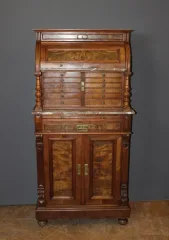
Antiquités Christophe Rochet — Villeurbanne
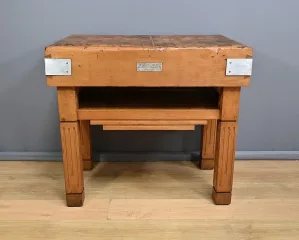
Antiquités Lecomte — Héric

Sarl Cave — Limoges
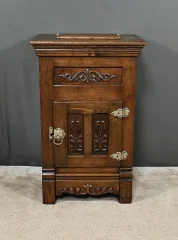
Antiquités Lecomte — Héric
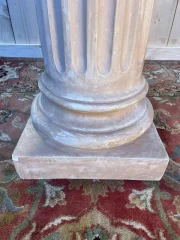
L’ESTAMPILLE — Navilly

L’ESTAMPILLE — Navilly
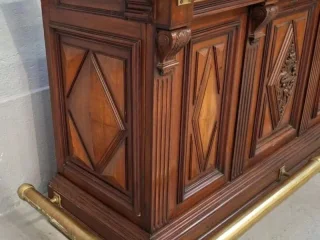
L’ESTAMPILLE — Navilly
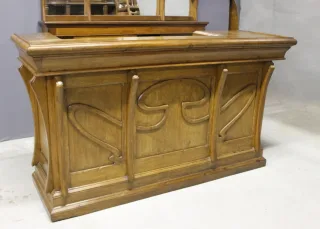
Antiquités Christophe Rochet — Villeurbanne
L’ESTAMPILLE — Navilly
L’ESTAMPILLE — Navilly
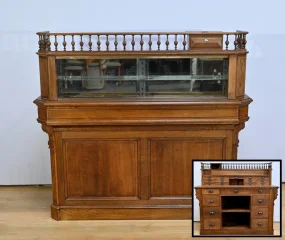
Antiquités Lecomte — Héric
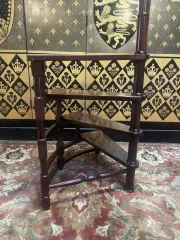
L’ESTAMPILLE — Navilly
L’ESTAMPILLE — Navilly
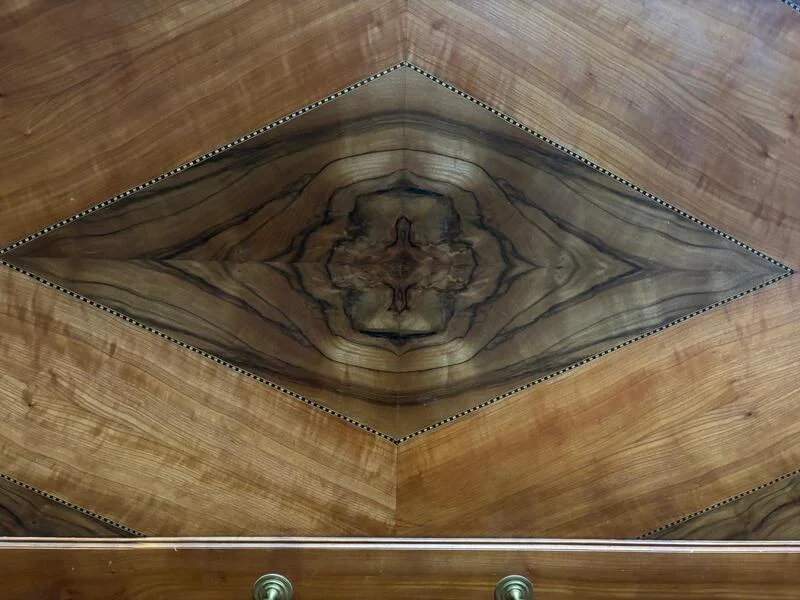
L’ESTAMPILLE — Navilly
Authenticating a piece of antique trade furniture begins with the construction. Hand-cut dovetail joints, mortise-and-tenon assemblies and solid-wood drawer bottoms are reliable signs of pre-industrial craftsmanship, typically pre-dating the 1880s. Solid timbers — oak, elm, walnut or wild cherry — develop a warm, golden patina over decades that is virtually impossible to replicate convincingly. Be cautious of pieces where the patina appears perfectly uniform across all surfaces, including areas that would normally have been sheltered from light and handling.
Documented provenance adds considerable value: an inventory label, a trade-house stamp or a handwritten inscription inside a drawer can anchor a piece to a specific business and date. Antique notary filing cabinets and pharmacy furniture frequently retain original paper labels or painted inscriptions that allow precise dating. When these survive intact, they transform a functional object into a genuine historical document.
Budget expectations vary widely depending on the trade represented, the scale of the piece and its state of preservation. A small haberdashery cabinet or single-trade drawer unit might be found for a few hundred pounds or euros, while a large, complete antique pharmacy counter retaining its original glass-fronted compartments, labelled drawers and ironwork can command several thousand. Pieces that retain their period accessories — original locks, hand-lettered labels, functioning hardware — consistently attract a significant premium. Always check the structural integrity of the joints, the condition of any veneered or painted surfaces, and the coherence of any past restoration work.
On Antiquités en France, every piece of antique trade furniture is offered by a verified professional antiquaire who can supply detailed photographs, exact dimensions and expert guidance before purchase. Consider also our selection of antique kitchen pieces for further functional period finds, and contact the dealer directly to discuss condition, shipping and any questions about provenance.