
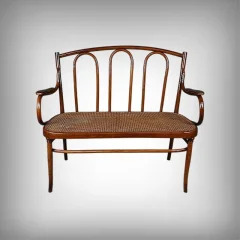
Bent beechwood bench, stamped J&J Kohn – Early 20th century
Antiquités Lecomte — Héric
1 800,00 €
Restored
184 objects found
The centrepiece of any period drawing room, the antique sofa unites comfort with decorative refinement. From the sinuous carved frames of a Louis XV settee to the austere rectilinear lines of the Empire style and the sumptuous button-back upholstery of Napoleon III, every era left its own unmistakable signature. Spotting a genuine period piece begins with the quality of the wood carving, the coherence of the upholstery — silk velvet, damask or period needlepoint — and the possible presence of a cabinetmaker's stamp on the frame.
Explore our related selection of antique armchairs and seating to complete a harmonious period interior.
184 objects found
Antiquités Lecomte — Héric
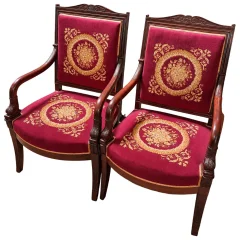
le village des brocanteurs 58 — Dun-les-Places
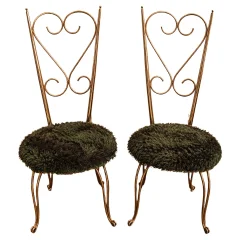
le village des brocanteurs 58 — Dun-les-Places
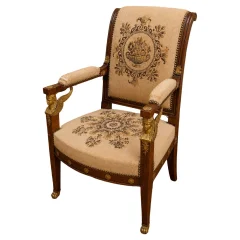
le village des brocanteurs 58 — Dun-les-Places
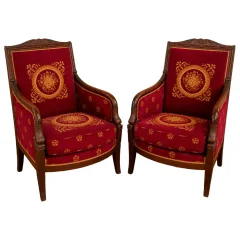
le village des brocanteurs 58 — Dun-les-Places
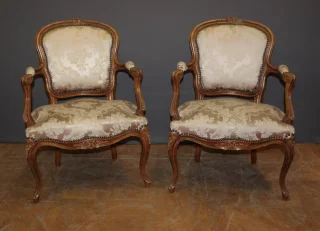
Antiquités Christophe Rochet — Villeurbanne
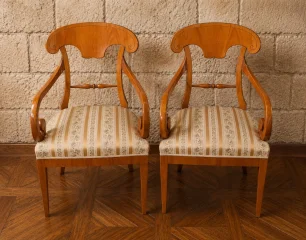
le village des brocanteurs 58 — Dun-les-Places
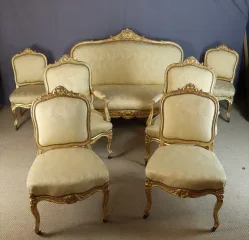
Philippe Cote Antiquites — Chauffailles

Antiquités Lecomte — Héric

French-antiques.fr — Rouen
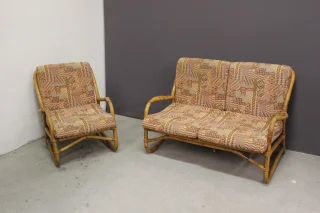
Antiquités Christophe Rochet — Villeurbanne
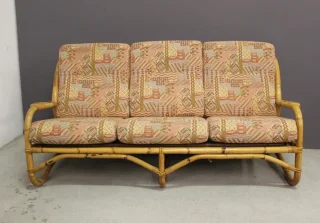
Antiquités Christophe Rochet — Villeurbanne
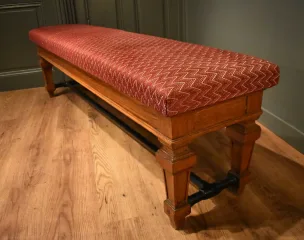
Antiquités Anne Marie Perrier — La Boisse
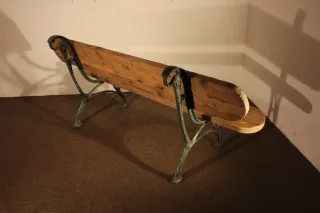
Au Réveil Du Temps — Saint-Nabord
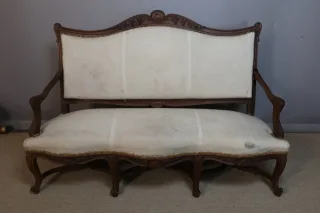
Philippe Cote Antiquites — Chauffailles
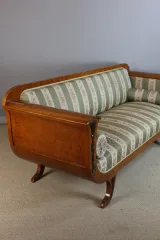
Philippe Cote Antiquites — Chauffailles
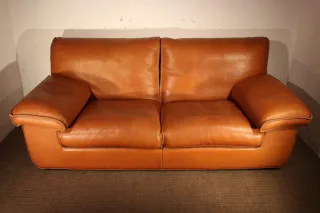
Au Réveil Du Temps — Saint-Nabord
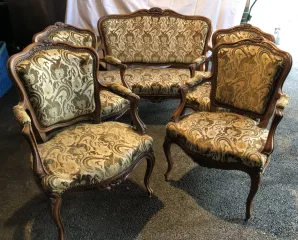
TRADITION Dupasquier Bouley Josiane — Le Plantay
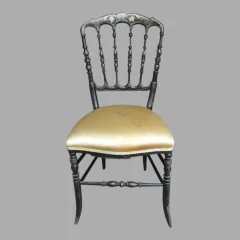
L'atelier De La Dorure — Calmont
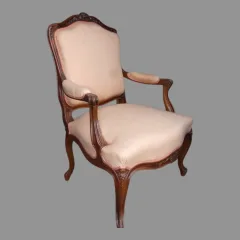
L'atelier De La Dorure — Calmont

L'atelier De La Dorure — Calmont
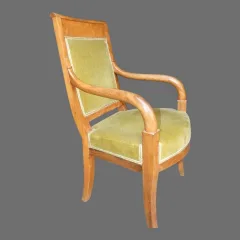
L'atelier De La Dorure — Calmont
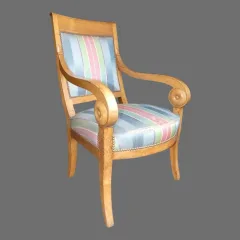
L'atelier De La Dorure — Calmont
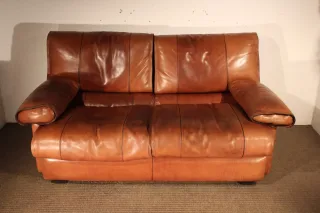
Au Réveil Du Temps — Saint-Nabord
When buying an antique sofa with confidence, start with the structure: a frame in solid beech or walnut, joined with wooden pegs rather than modern adhesives, is a reliable first indicator of authenticity. Carved cabriole legs, medallion backs, console-shaped armrests and channelled mouldings are the stylistic details that allow precise dating. A carved gilded wood sofa in the Louis XV manner will display characteristic asymmetric curves, while a Louis XVI model shows straight fluting and neoclassical rosettes. Empire pieces favour bold mahogany frames with bronze mounts and sphinx or lion-paw feet.
Original upholstery — silk velvet, petit-point tapestry, damask — adds considerable value, though a sympathetic restoration by a specialist upholsterer is entirely acceptable and commonplace. Check that the springing is hand-tied (as it would be on any piece predating the 20th century), that the joints are sound, and that there is no evidence of woodworm. A documented provenance — an old invoice, an estate inventory or an auction record — strengthens both authenticity and market value.
In terms of budget, a good-quality Napoleon III button-back sofa typically sells for between £700 and £2,500, while a piece bearing the stamp of a celebrated 18th-century Parisian ébéniste can reach many tens of thousands. Provincial examples in walnut or cherry offer excellent value for money and are a rewarding entry point for new collectors.
On Antiquités en France, every antique sofa and period settee is offered by a verified professional dealer who can supply detailed photographs, exact dimensions and the full history of the piece. Contact the dealer directly with any questions about condition, provenance or shipping — and browse our antique armchairs and period seating to assemble a complete salon.