
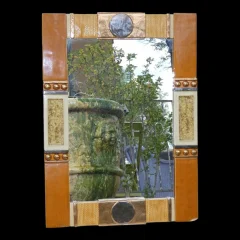
Large Ceramic Mirror - Marion de Crécy (Atelier Mithé Espelt) - 73 x 52.5 cm
L'atelier De La Dorure — Calmont
3 800,00 €
Excellent condition
401 objects found
From Gallo-Roman terracotta to 20th-century flambé stoneware, antique ceramics span millennia of craft tradition. Tin-glazed faience, soft- and hard-paste porcelain, salt-glazed stoneware, slipware and lead-glazed earthenware — each technique signals a period, a region and a workshop. Assessing quality means examining the body, the glaze, the hand-painted decoration and, where present, the maker's mark on the base.
On Antiquités en France, every antique ceramic is offered by a verified professional dealer who can vouch for authenticity and provenance.
401 objects found
L'atelier De La Dorure — Calmont
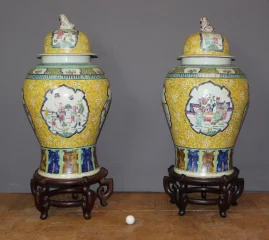
Antiquités Christophe Rochet — Villeurbanne
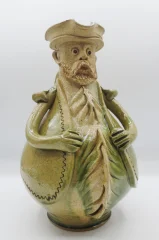
Anne Besnard — Saint-Ouen
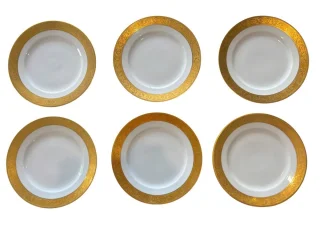
Maison Schoumer — Beaune
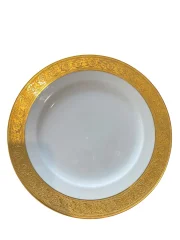
Maison Schoumer — Beaune
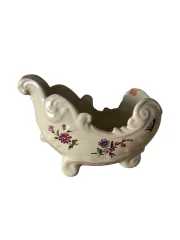
Maison Schoumer — Beaune
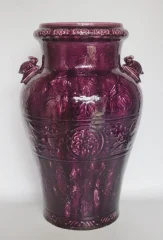
Anne Besnard — Saint-Ouen
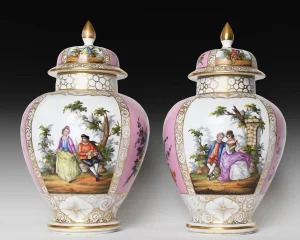
Espaces et Formes — Paris XVIII Arrdt
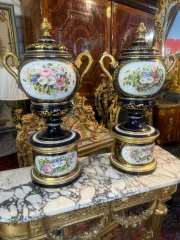
Romain Lichtensztein — Maignelay-Montigny
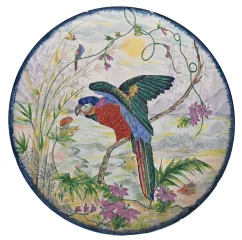
Espaces et Formes — Paris XVIII Arrdt
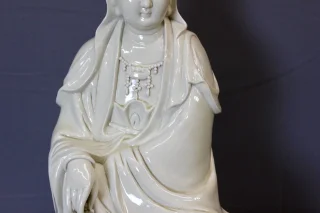
Antiquités Christophe Rochet — Villeurbanne
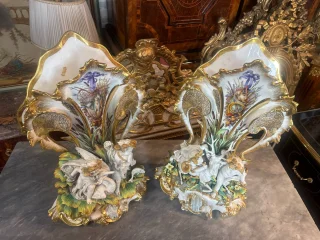
Romain Lichtensztein — Maignelay-Montigny
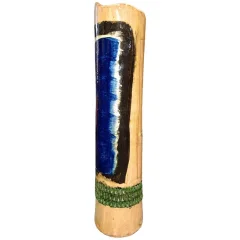
Les Trésors d'avril 71. — Saint-Bonnet-de-Vieille-Vigne
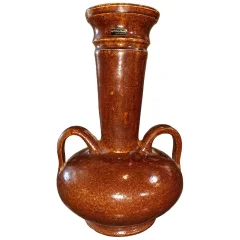
Les Trésors d'avril 71. — Saint-Bonnet-de-Vieille-Vigne
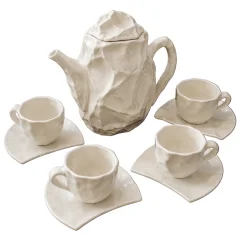
Les Trésors d'avril 71. — Saint-Bonnet-de-Vieille-Vigne
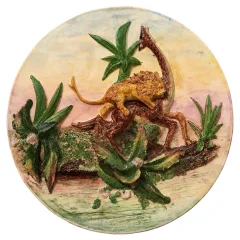
Les Trésors d'avril 71. — Saint-Bonnet-de-Vieille-Vigne
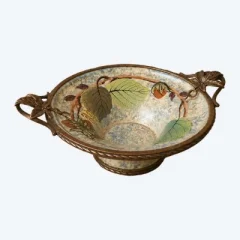
Les Trésors d'avril 71. — Saint-Bonnet-de-Vieille-Vigne

Les Trésors d'avril 71. — Saint-Bonnet-de-Vieille-Vigne
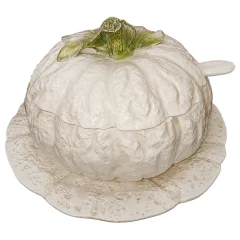
Les Trésors d'avril 71. — Saint-Bonnet-de-Vieille-Vigne

Espaces et Formes — Paris XVIII Arrdt
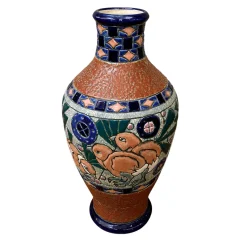
Les Trésors d'avril 71. — Saint-Bonnet-de-Vieille-Vigne
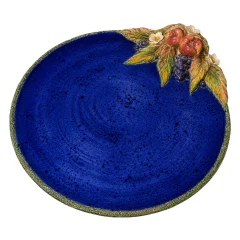
Les Trésors d'avril 71. — Saint-Bonnet-de-Vieille-Vigne
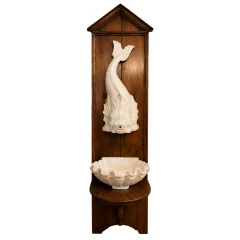
Les Trésors d'avril 71. — Saint-Bonnet-de-Vieille-Vigne
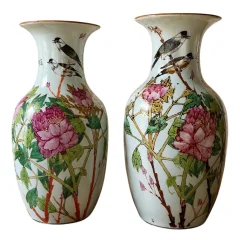
Les Trésors d'avril 71. — Saint-Bonnet-de-Vieille-Vigne
To authenticate an antique ceramic, start with the body: a clean break reveals the material — white and fine for hard-paste porcelain, grey or buff for stoneware, ochre or red for earthenware. The glaze, whether applied before or after firing, should show wear consistent with age: fine crazing, slight iridescence, use marks on the foot rim. Be wary of overly bright glazes or suspiciously regular decoration, both common signs of a later reproduction.
Manufacturer's marks — printed stamps, incised marks or underglaze painted signatures — are invaluable reference points. The great French faience centres (Rouen, Moustiers, Nevers) and porcelain houses (Sèvres, Limoges) are well documented in published mark directories. For Asian ceramics, Chinese reign marks and Japanese kiln stamps require specialist reading; always ask the dealer for a macro photograph of the base before committing to a purchase.
In terms of budget, antique stoneware pots of everyday production start at a few tens of pounds, while a signed piece by a recognised studio ceramicist — Chaplet, Carriès, Decoeur — or a 17th-century grand feu Rouen faience dish can reach several thousand. Condition is decisive: a chip on the rim or a running crack typically halves the value. Always ask whether any restoration has been carried out, and check under UV light if possible.
Broaden your search to antique pottery for regional and folk wares, or explore studio art ceramics for signed 20th-century pieces. Every dealer on Antiquités en France can provide additional photographs, exact dimensions and, where available, a certificate of authenticity — contact them directly to find the piece that is right for your collection.