
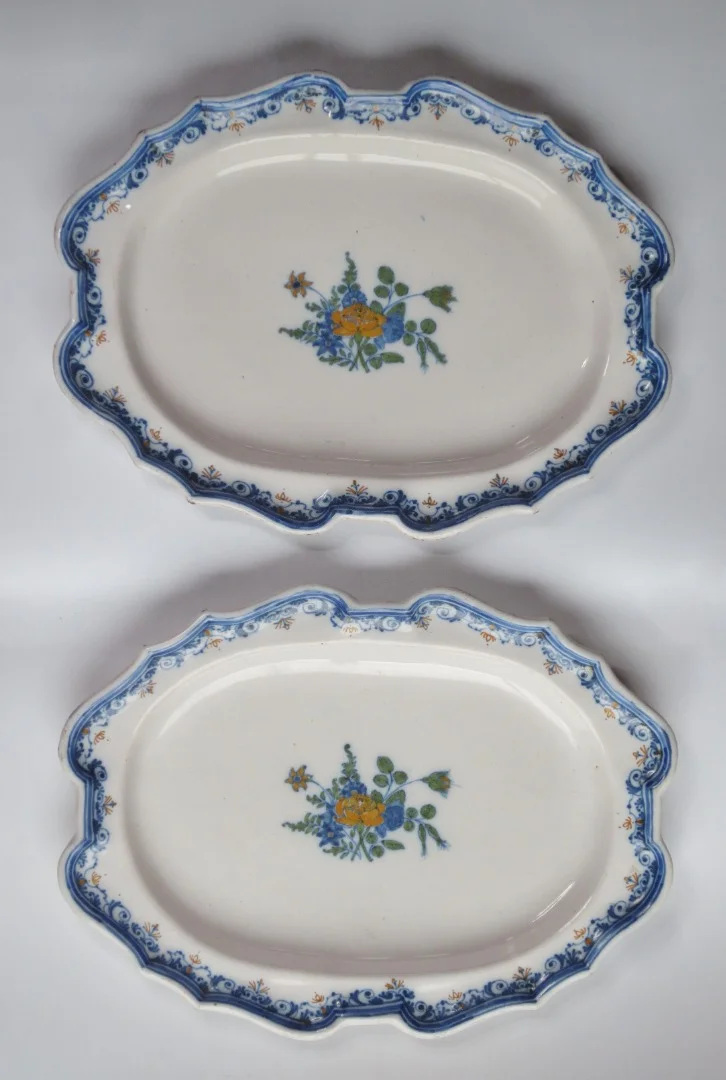
PAIR OF EIGHTEENTH CENTURY DISHES
Anne Besnard — Saint-Ouen
650,00 €
156 objects found
156 objects found
Anne Besnard — Saint-Ouen
Anne Besnard — Saint-Ouen
Anne Besnard — Saint-Ouen
Antiquités Christophe Rochet — Villeurbanne
Antiquités Lyonnaises — Villeurbanne
Anne Besnard — Saint-Ouen

Antiquités Christophe Rochet — Villeurbanne

French-antiques.fr — Rouen
Anne Besnard — Saint-Ouen
Anne Besnard — Saint-Ouen
2R Antiquites — Caluire-et-Cuire

Anne Besnard — Saint-Ouen
Antiquités Lecomte — Héric

2R Antiquites — Caluire-et-Cuire
L’ESTAMPILLE — Navilly
L’ESTAMPILLE — Navilly

L’ESTAMPILLE — Navilly

2R Antiquites — Caluire-et-Cuire
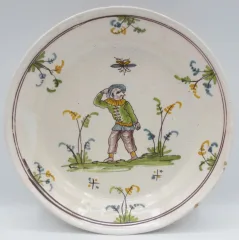
Anne Besnard — Saint-Ouen
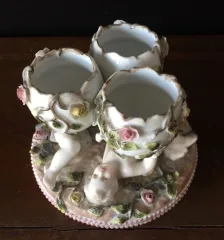
2R Antiquites — Caluire-et-Cuire

2R Antiquites — Caluire-et-Cuire
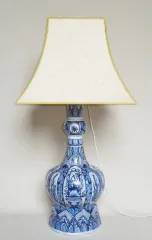
Anne Besnard — Saint-Ouen

2R Antiquites — Caluire-et-Cuire
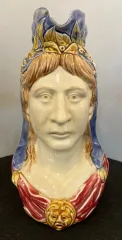
2R Antiquites — Caluire-et-Cuire
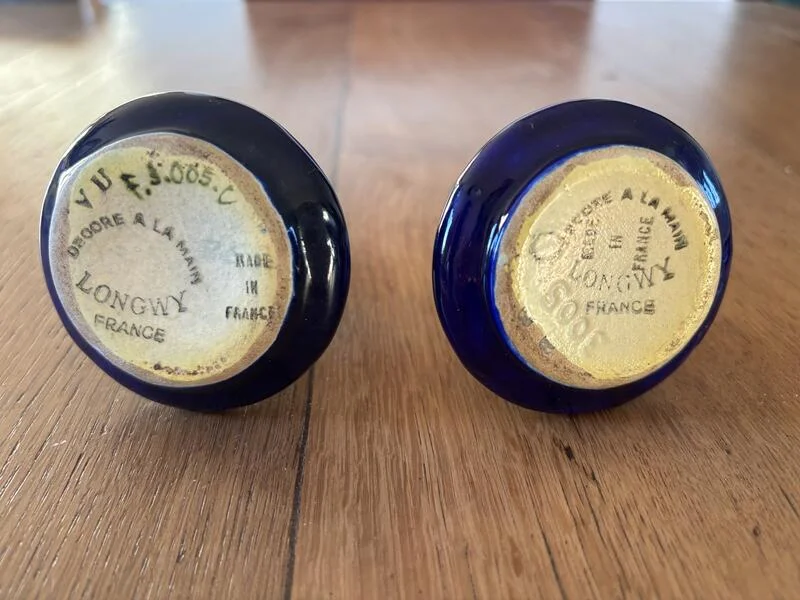
Authenticating a piece of antique faience begins with the body itself: examine the unglazed foot rim for a cream to pinkish-beige paste, slightly granular to the touch — a hallmark of 18th-century French production. Genuine period enamel typically shows fine crazing and subtle surface irregularities entirely absent from later industrial reproductions. Antique faience plates frequently carry a painted underglaze mark — workshop initials, a painter's number or a factory symbol — which can be cross-referenced against specialist catalogues such as Giacomotti for French wares or Fourest for Delft.
In terms of budget, a common unmarked Nevers or Rouen plate typically sells for between £80 and £300, while a signed Moustiers dish with mythological decoration or a Strasbourg faience dinner service can reach several thousand pounds. Condition is paramount: chips to the rim or marli, and any visible restoration, significantly reduce value. Seek out pieces where the polychrome decoration or blue-and-white palette remains vivid and unretouched.
Documented provenance — an old dealer invoice, a collection label, a mention in a sale catalogue — substantially reinforces both authenticity and resale value. For significant pieces, always consult a specialist: 19th-century forgers produced convincing copies of Rouen and Delft wares that can deceive at first glance. The style of brushwork, the weight of the piece and the precise tone of the cobalt are all telling details a knowledgeable eye will assess.
On Antiquités en France, every piece of antique faience is offered by a verified professional dealer able to provide detailed photographs of the reverse, the paste and any marks. Extend your search to our antique kitchen antiques section, where you will find period faience apothecary jars, tureens and mortars, then contact your chosen dealer directly for condition reports and shipping options.