
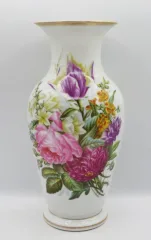
FRENCH RESTAURATION PERIOD VASE
Anne Besnard — Saint-Ouen
450,00 €
151 objects found
Antique porcelain holds a singular place in the European decorative arts: prized for its translucency, whiteness and the refinement of its hand-painted decoration, it is one of the most enduring collecting fields. From royal manufactories such as Sèvres and Meissen to the celebrated workshops behind Limoges porcelain, every piece carries the mark of exacting craftsmanship and a specific moment in history.
Dinner services, presentation vases, figurines and decorative ceramics: the dealers featured on this page offer pieces selected for their quality, condition and authenticity.
151 objects found
Anne Besnard — Saint-Ouen

Antiquités Lyonnaises — Villeurbanne
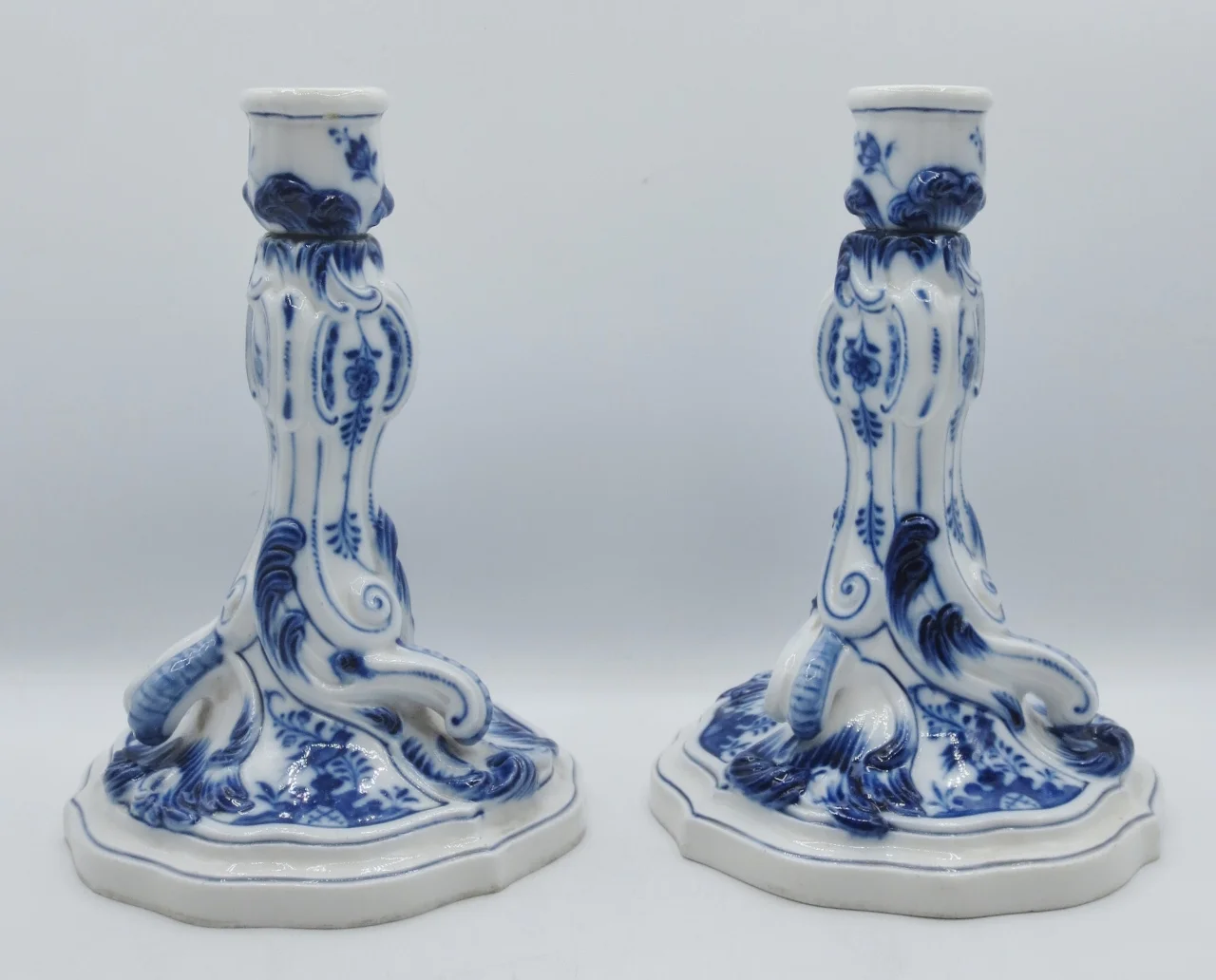
Anne Besnard — Saint-Ouen

French-antiques.fr — Rouen
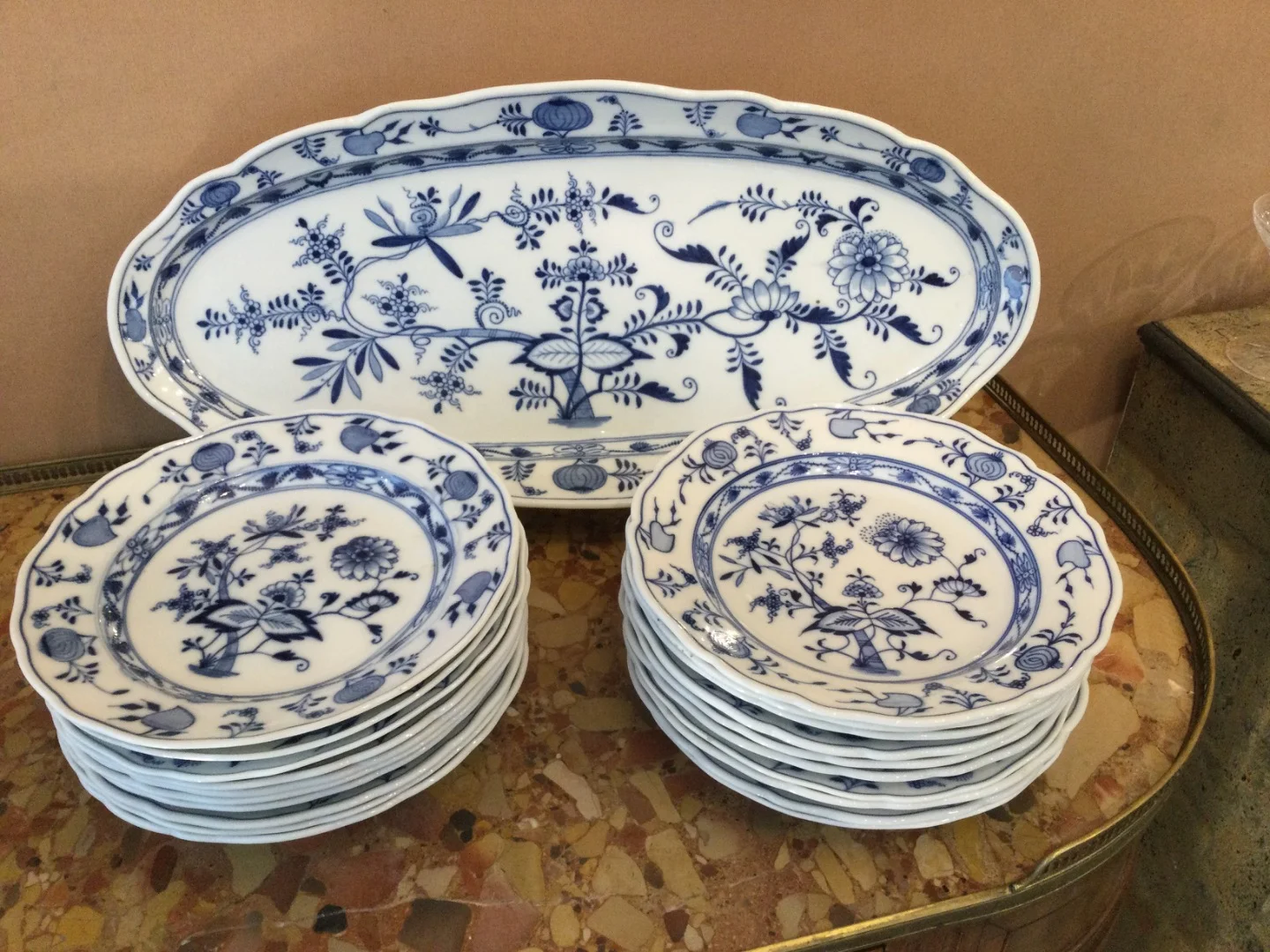
Eric Saget — Paris

Antiquités Christophe Rochet — Villeurbanne
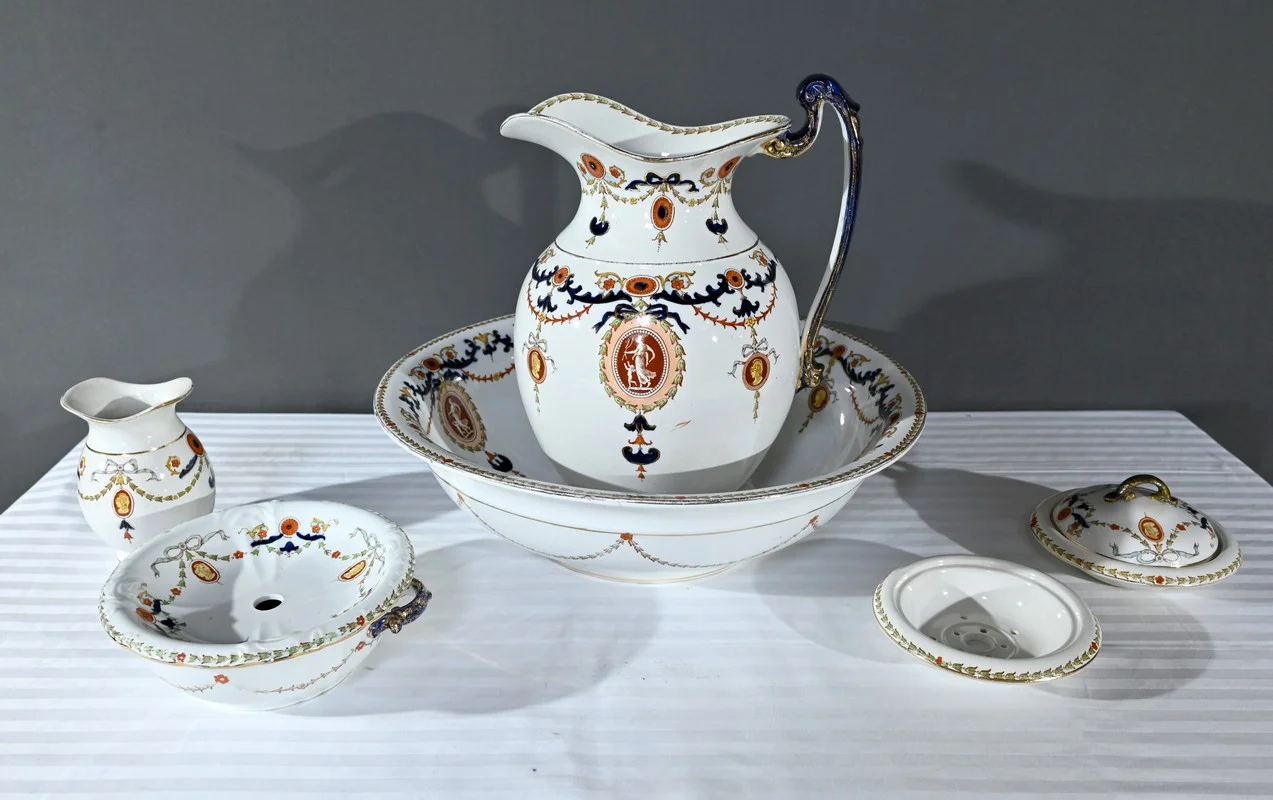
Antiquités Lecomte — Héric
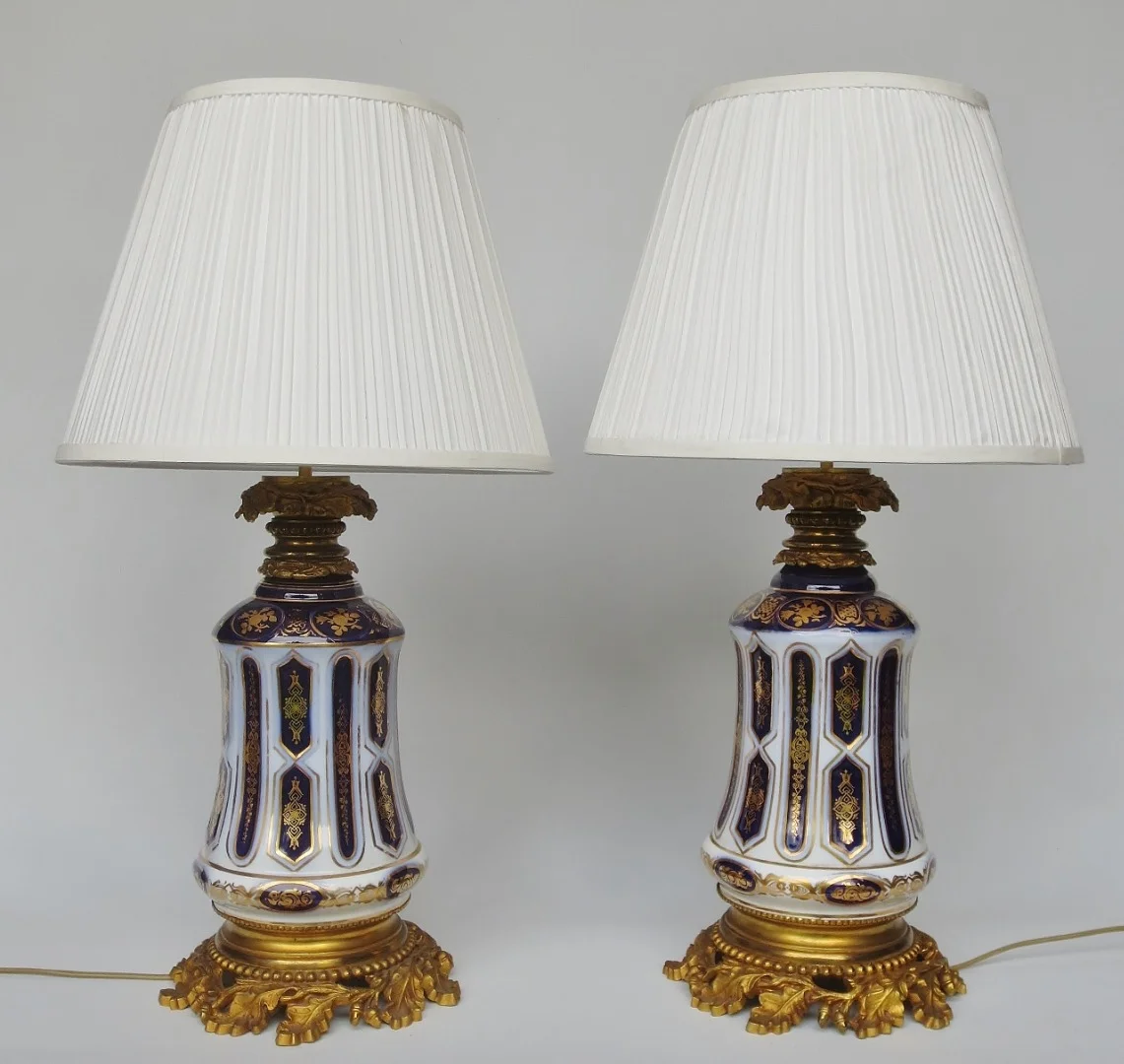
Anne Besnard — Saint-Ouen
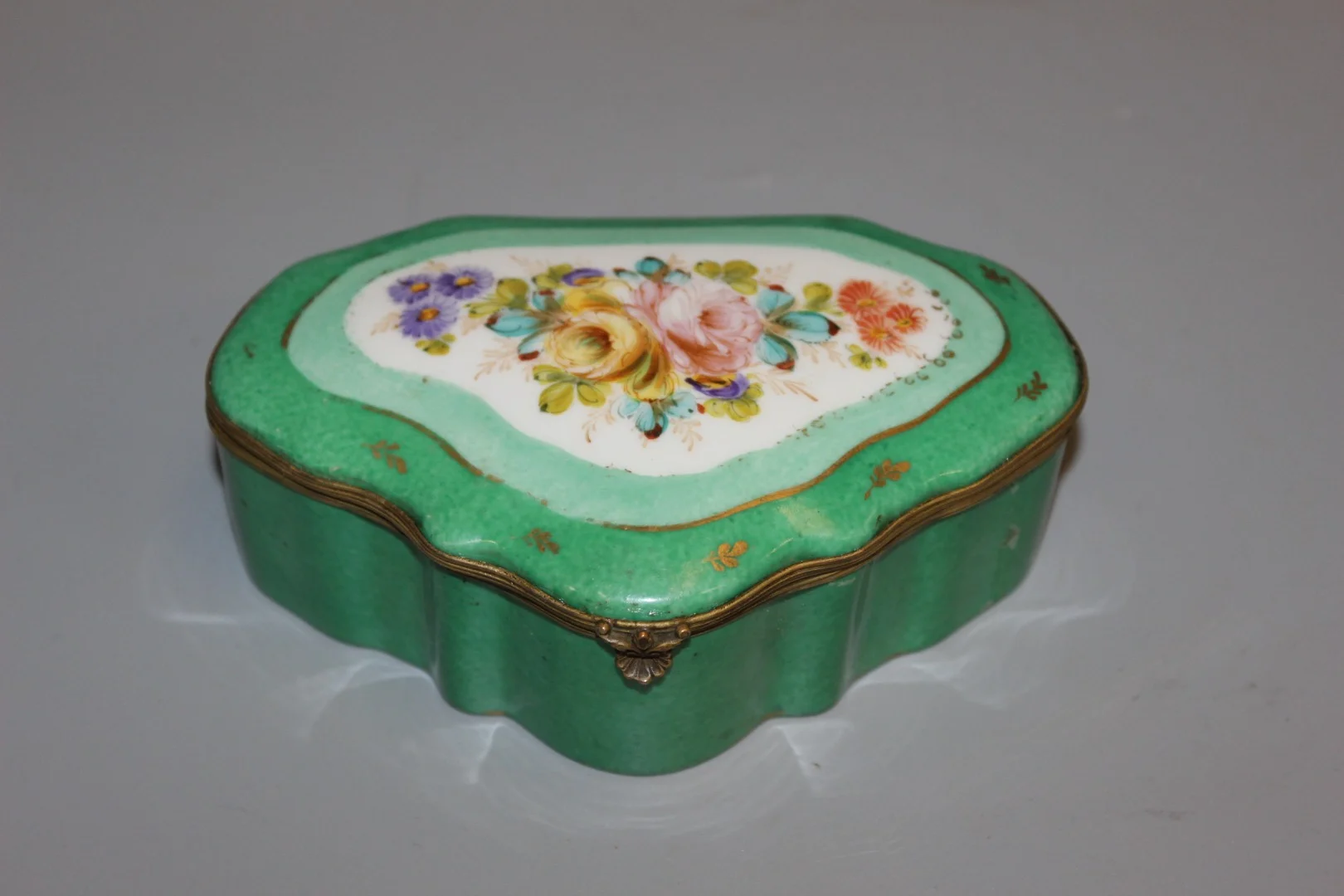
Antiquités Christophe Rochet — Villeurbanne
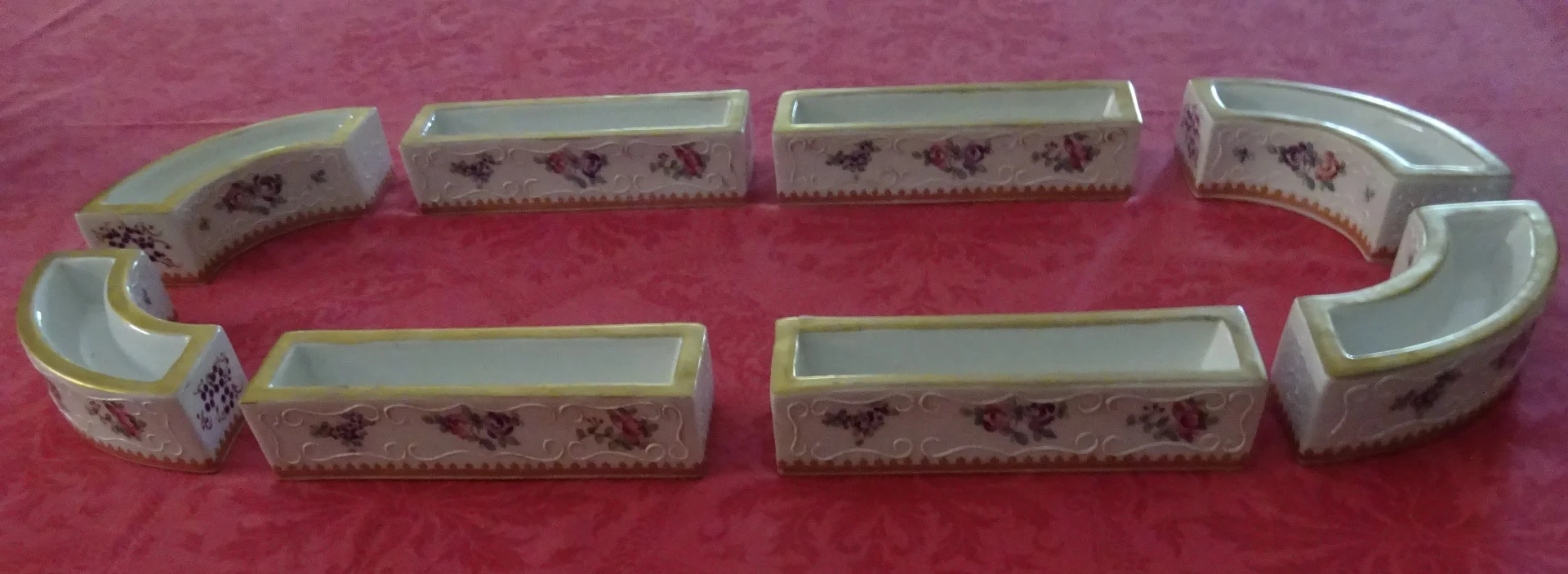
Ecritoire Antiquites Poidras jean-luc — Vertou

Ecritoire Antiquites Poidras jean-luc — Vertou
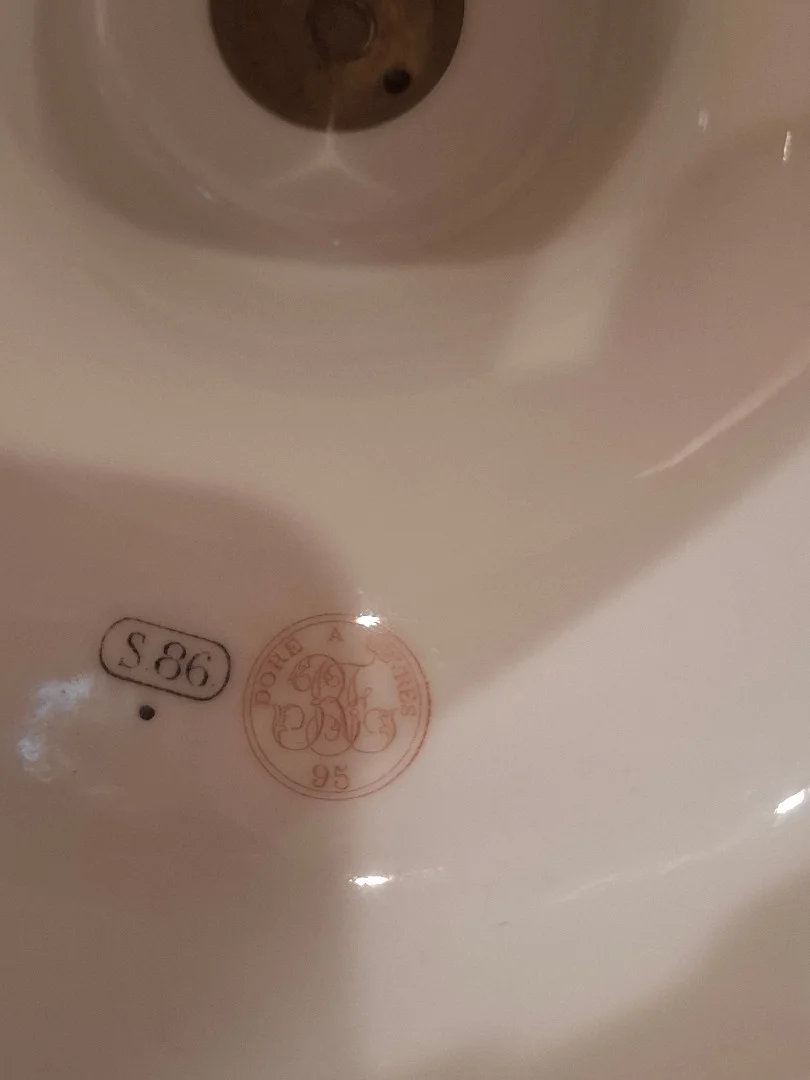
ANTIQUITES VANGEON — Chartres

Antiquités Christophe Rochet — Villeurbanne

Sarl Cave — Limoges
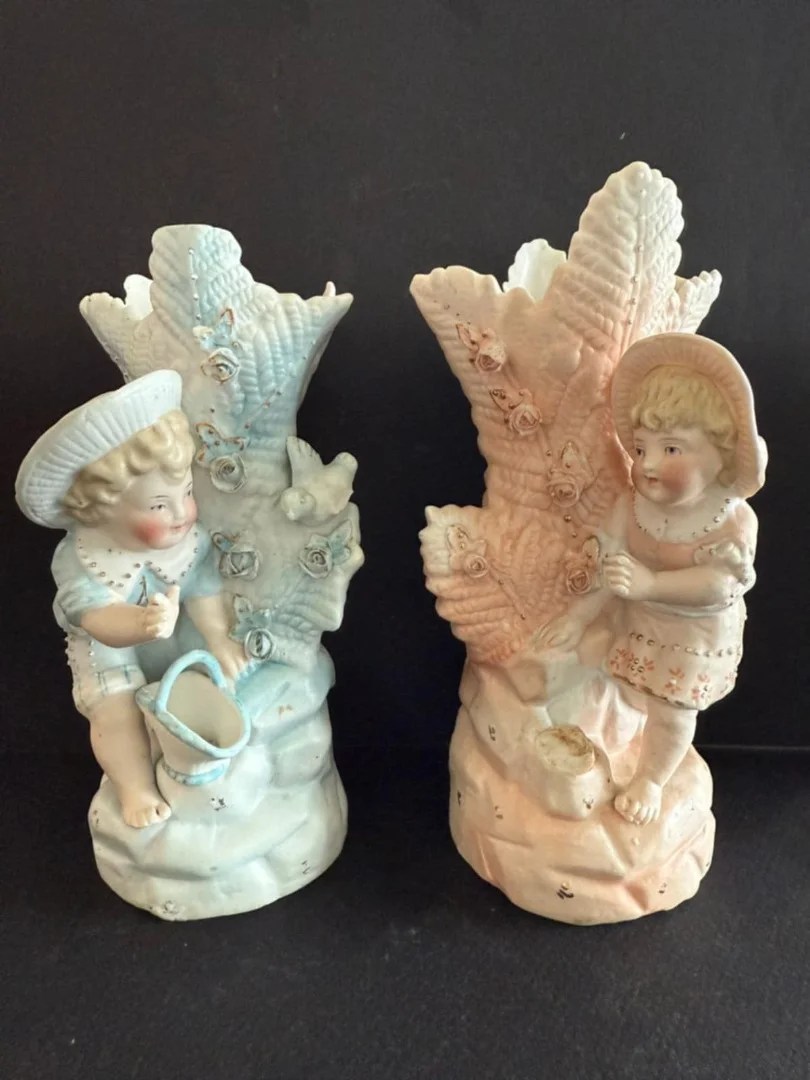
2R Antiquites — Caluire-et-Cuire
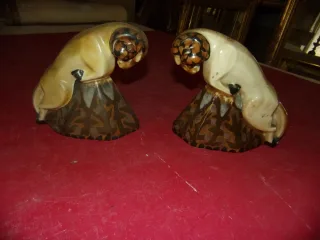
Sarl Cave — Limoges
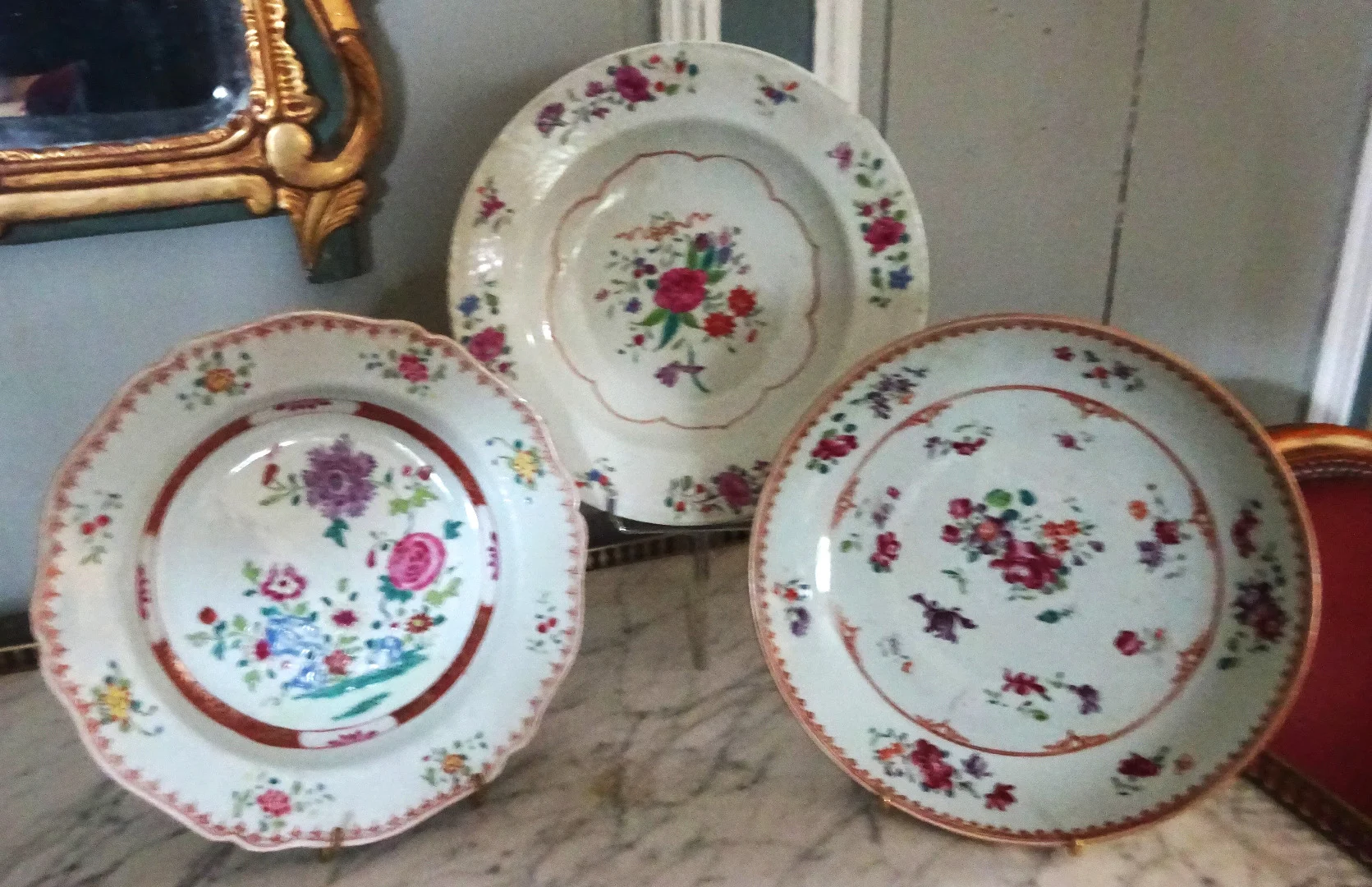
Ecritoire Antiquites Poidras jean-luc — Vertou
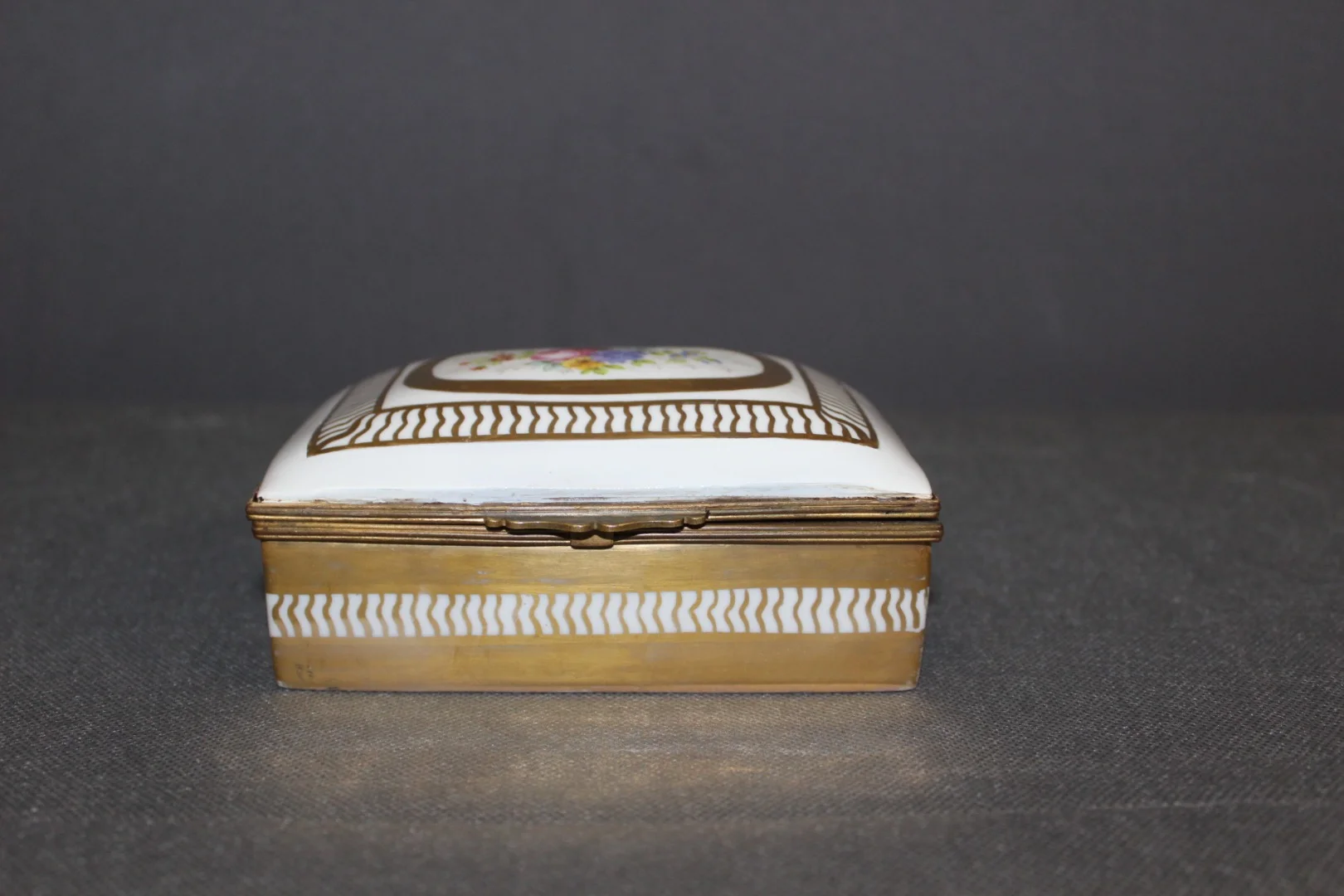
Antiquités Christophe Rochet — Villeurbanne
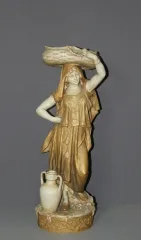
Antiquités Christophe Rochet — Villeurbanne
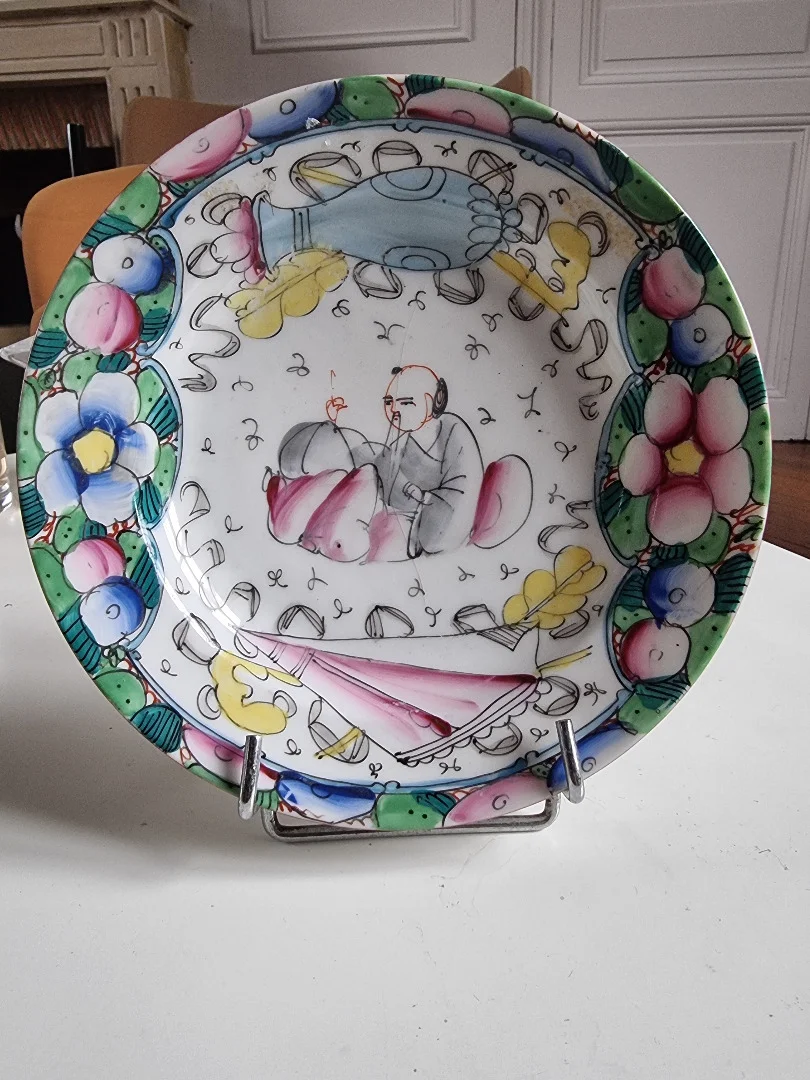
French-antiques.fr — Rouen

Eric Saget — Paris

Eric Saget — Paris
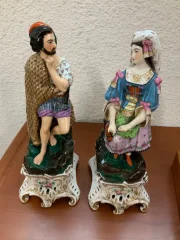
Antiquités Lyonnaises — Villeurbanne
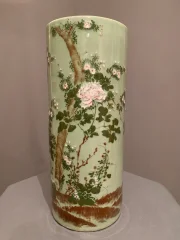
LE SOLEIL ROUGE — Lyon 7e Arrdt
Authenticating a piece of antique porcelain begins at the base: a factory mark — Meissen's crossed swords, Sèvres' interlaced Ls, or a Limoges atelier's stamp — is the first and most reliable indicator. The absence of a mark does not rule out age, but it calls for closer scrutiny of the paste, the glaze and the style of the decoration. Hand-painted porcelain dinner services from the 19th century typically feature fine-gold gilding whose natural wear along the rims is itself a sign of genuine age.
Prices vary widely depending on the manufactory, the period and condition. A set of standard 19th-century plates can be acquired for a few dozen pounds, while a period Sèvres porcelain vase or a signed Meissen figurine may reach several thousand. Always check for hairline cracks, chips or concealed repairs: raking light and a UV lamp will reveal most restoration work that is invisible to the naked eye.
Documented provenance — an old receipt, a probate inventory, an auction house label — consistently adds value and simplifies any future resale. For everyday care, avoid the dishwasher for pieces with antique gilded or polychrome decoration; gentle hand-washing in warm soapy water is all that is needed to preserve the enamel and gilding.
On Antiquités en France, every piece of antique porcelain is offered by a verified professional dealer who can supply detailed photographs, exact dimensions and full provenance information. Browse our antique kitchenware section for complementary serving pieces, and contact the dealer directly with any questions before you buy.