
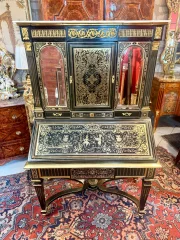
NAPOLEON III BONHEUR DU JOUR CABINET DESK
Romain Lichtensztein — Maignelay-Montigny
7 000,00 €
Good condition
56 objects found
Emerging in Europe during the Renaissance, the antique cabinet ranks among the most prestigious pieces in the history of decorative arts. Designed to house collections, precious objects and private documents, it is defined by the richness of its materials — ebony, ivory, tortoiseshell, lacquer — and the virtuosity of its marquetry work. From the Renaissance two-body cabinet to Flemish Baroque examples adorned with paintings on copper, each piece bears witness to extraordinary cabinetmaking skill.
Cabinets of curiosities from the period, with their multiple drawers and secret compartments, remain among the most sought-after pieces for serious collectors.
56 objects found
Romain Lichtensztein — Maignelay-Montigny
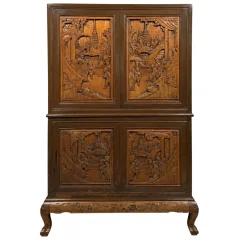
le village des brocanteurs 58 — Dun-les-Places
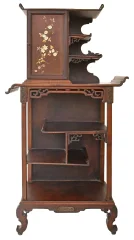
Espaces et Formes — Paris XVIII Arrdt
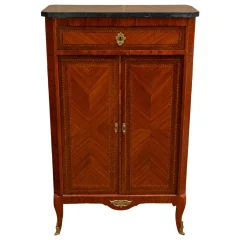
le village des brocanteurs 58 — Dun-les-Places

Romain Lichtensztein — Maignelay-Montigny
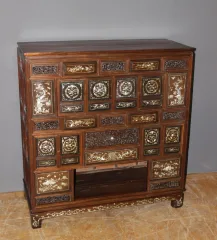
Antiquités Christophe Rochet — Villeurbanne
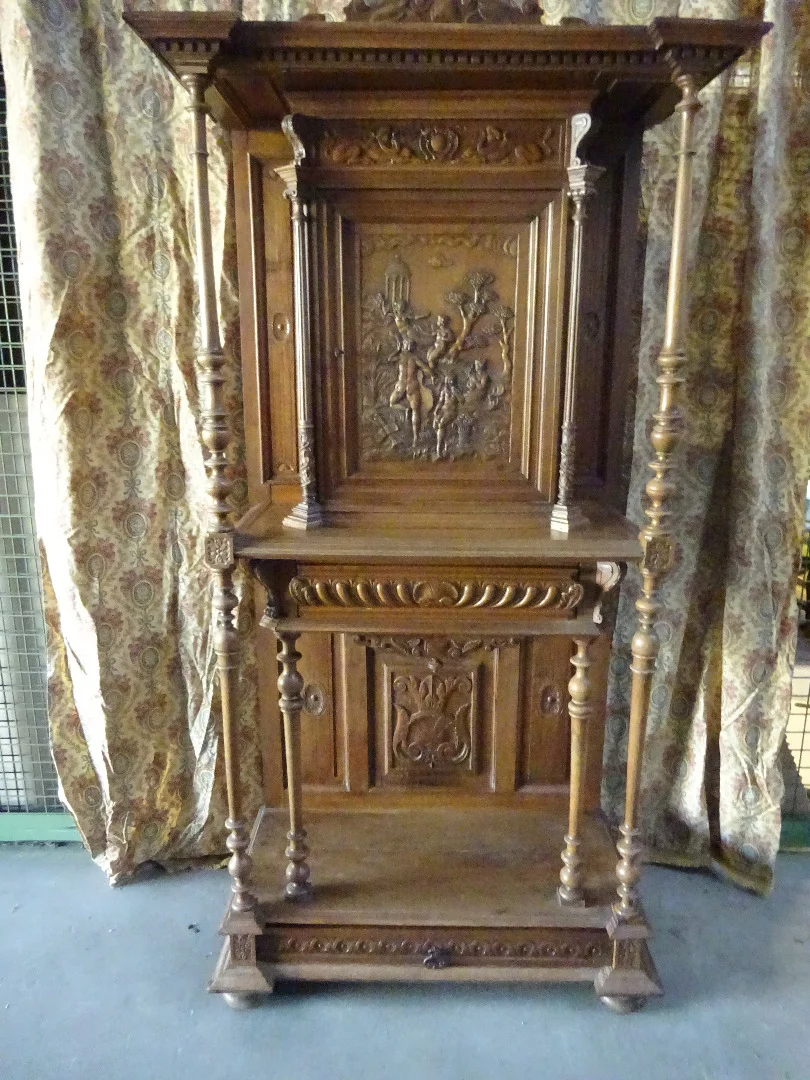
Ecritoire Antiquites Poidras jean-luc — Vertou
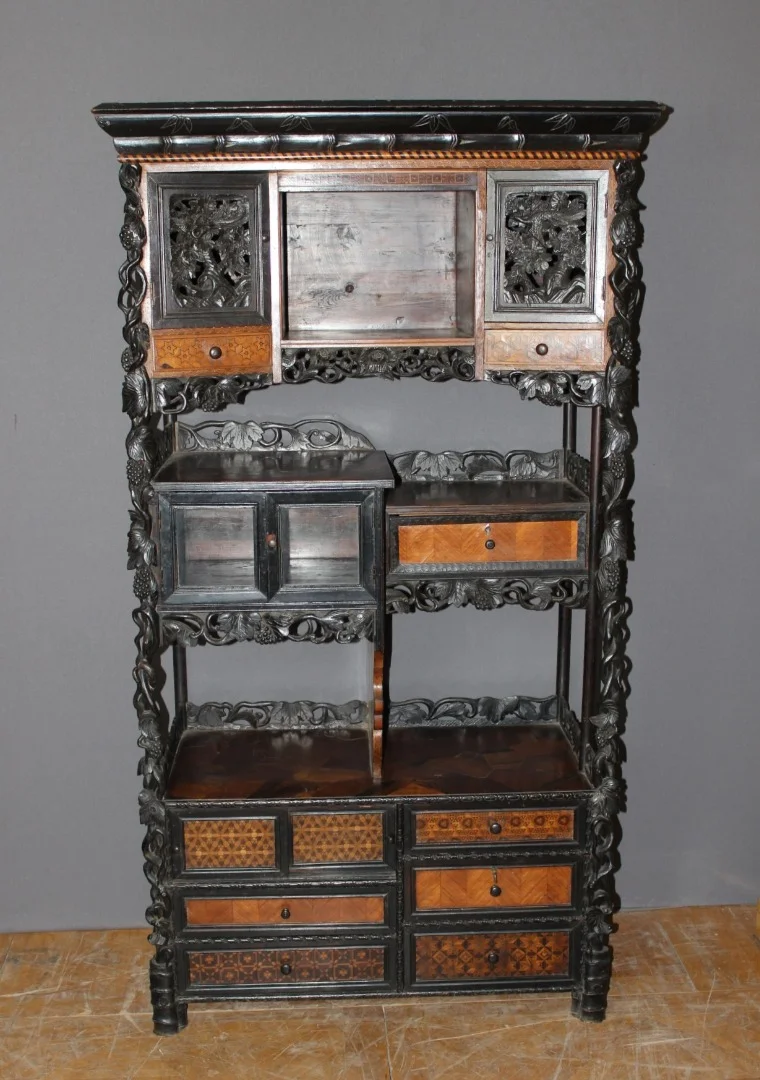
Antiquités Christophe Rochet — Villeurbanne
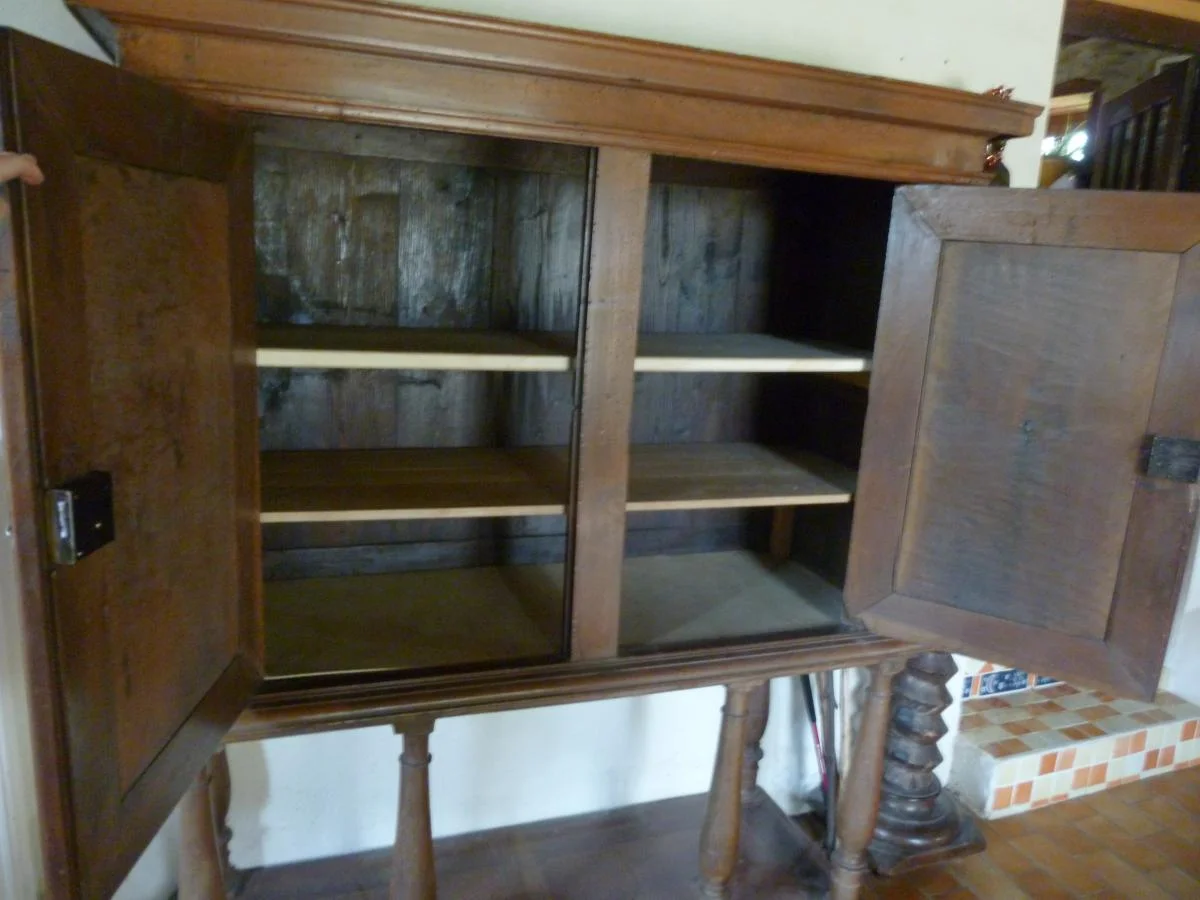
Sarl Cave — Limoges
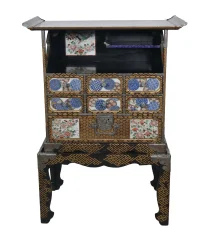
Galerie Lauretta — Mandelieu-la-Napoule
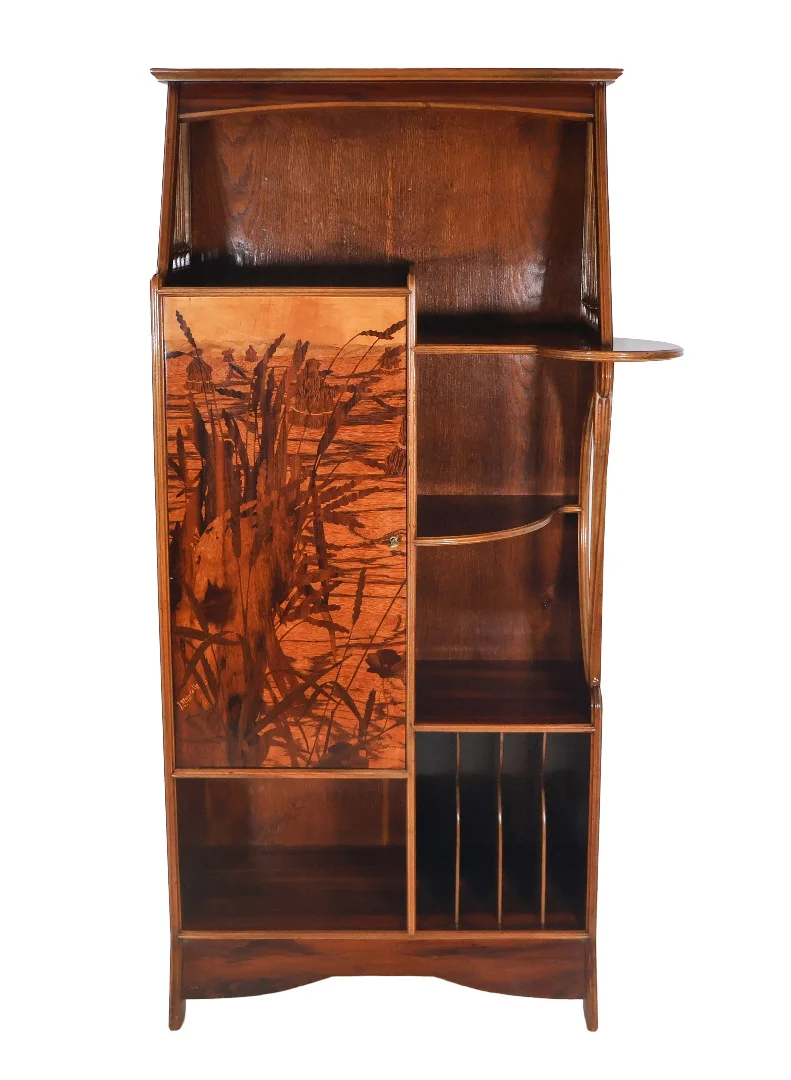
Galerie Lauretta — Mandelieu-la-Napoule
Antiquités Lecomte — Héric
French-antiques.fr — Rouen
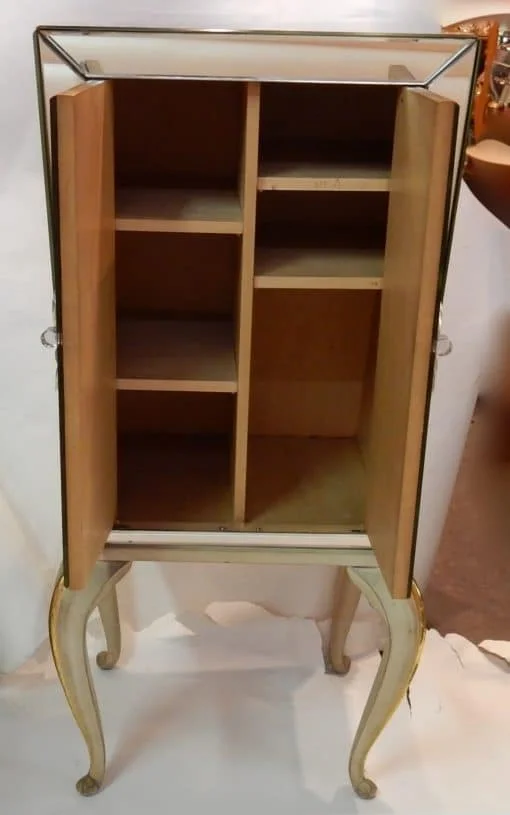
A.ABC PASCAL — Saint-Ouen
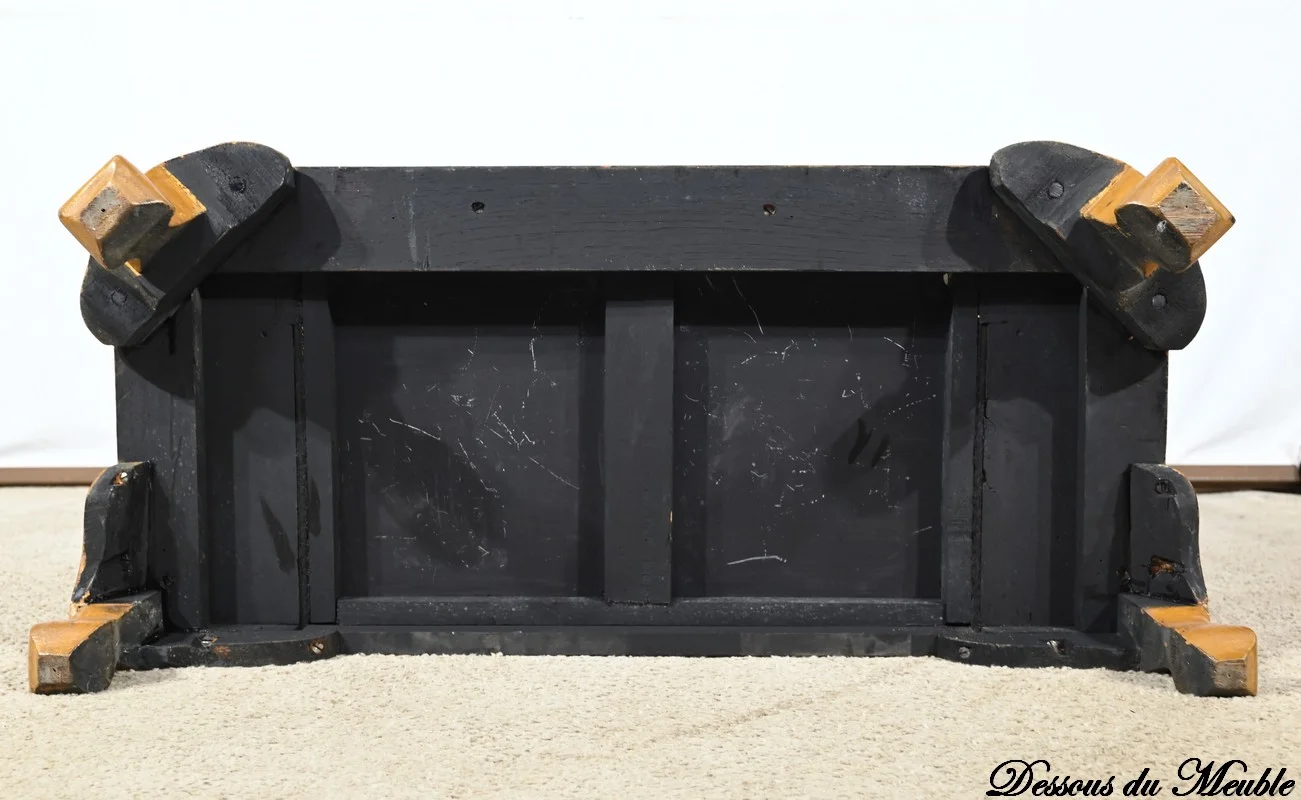
Antiquités Lecomte — Héric
Antiquités Christophe Rochet — Villeurbanne
Antiquités Christophe Rochet — Villeurbanne
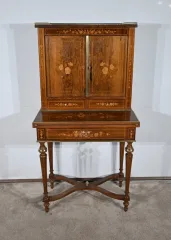
Antiquités Lecomte — Héric
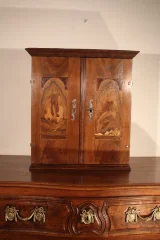
Au Réveil Du Temps — Saint-Nabord
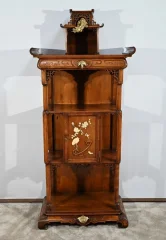
Antiquités Lecomte — Héric
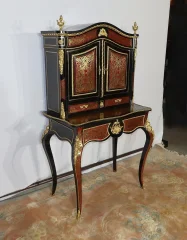
Antiquités Lecomte — Héric
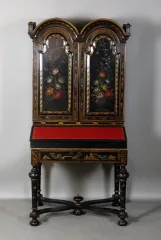
Philippe Cote Antiquites — Chauffailles

Dantan — Achicourt
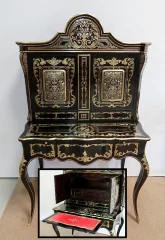
Antiquités Lecomte — Héric
To authenticate an antique cabinet, begin with the construction: mortise-and-tenon joinery, secondary wood carcasses (oak, poplar or pine depending on origin) and a naturally developed patina are all reliable indicators of age. A 17th-century Flemish or Antwerp cabinet is typically identified by its painted panels on copper or alabaster set within spiral-turned columns, while a lacquered East Asian cabinet — Japanese or Chinese — displays gilded relief decoration on a black or red ground, often mounted on European stands in France or the Netherlands during the 18th century.
In terms of budget, Asian lacquered cabinets on European stands start at a few thousand pounds for restored examples, while large Renaissance two-body cabinets or pieces attributed to notable cabinetmakers can reach several tens of thousands. Always check the condition of the veneers, the presence of original locks and hardware, and the integrity of the interior compartments.
Documented provenance — an old inventory, a collection label, a specialist's report — significantly enhances a cabinet's value. Be wary of heavy restorations that conceal substantial losses, and favour pieces whose secondary woods are consistent with the stated period. Pietre dure marquetry (Florentine hardstone inlay) is an additional quality marker that is particularly prized by collectors and institutions alike.
On Antiquités en France, every cabinet is offered by a verified professional dealer who can provide detailed photographs, precise dimensions and the piece's history. You may also wish to browse our selection of antique silver to complement a collection, or contact the dealer directly for advice on authentication or specialist art transport.