
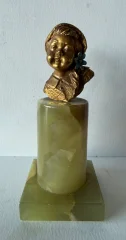
Small bronze bust of a child
2R Antiquites — Caluire-et-Cuire
140,00 €
Good condition
503 objects found
Few objects embody the ambition of European decorative arts as fully as antique bronze sculpture. From the Renaissance through the great 19th-century foundries — Barbedienne, Susse Frères, Thiébaut — bronze casting combined technical mastery with genuine artistic vision. Allegorical groups, portrait busts, animalier bronzes and Empire gilt bronzes all bear witness to a craft rooted in lost-wax and sand-casting traditions that produced an unrivalled fineness of detail.
Every bronze sculpture listed on Antiquités en France is offered by a verified professional dealer, with precise descriptions, provenance notes and condition reports.
503 objects found
2R Antiquites — Caluire-et-Cuire
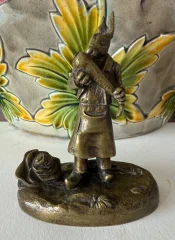
2R Antiquites — Caluire-et-Cuire
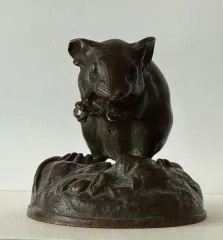
2R Antiquites — Caluire-et-Cuire
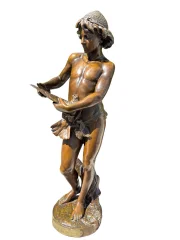
Maison Schoumer — Beaune
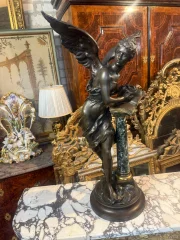
Romain Lichtensztein — Maignelay-Montigny
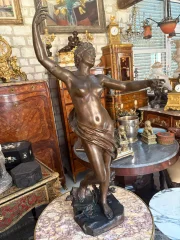
Romain Lichtensztein — Maignelay-Montigny
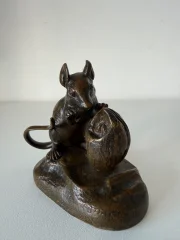
2R Antiquites — Caluire-et-Cuire
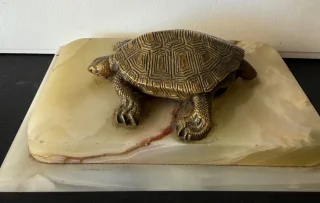
2R Antiquites — Caluire-et-Cuire
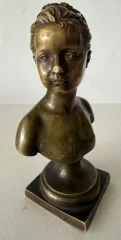
2R Antiquites — Caluire-et-Cuire
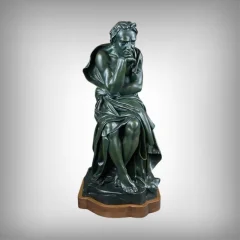
Antiquités Lecomte — Héric
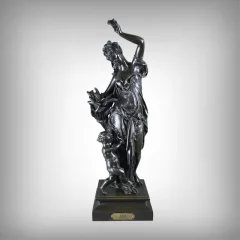
Antiquités Lecomte — Héric
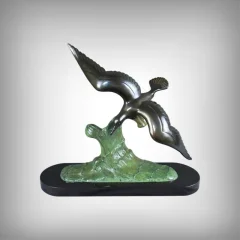
Antiquités Lecomte — Héric
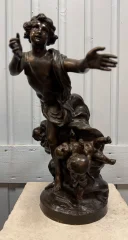
2R Antiquites — Caluire-et-Cuire
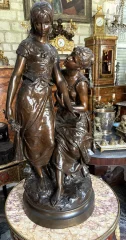
Romain Lichtensztein — Maignelay-Montigny
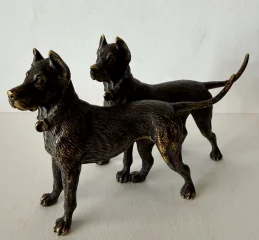
2R Antiquites — Caluire-et-Cuire
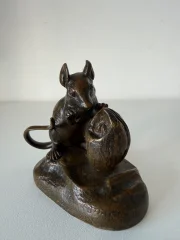
2R Antiquites — Caluire-et-Cuire
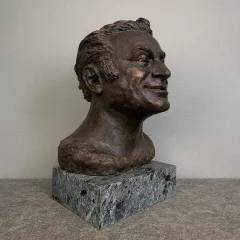
Les Trésors d'avril 71. — Saint-Bonnet-de-Vieille-Vigne
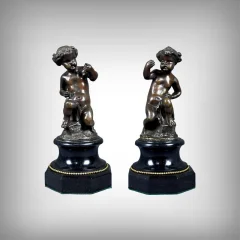
Antiquités Lecomte — Héric
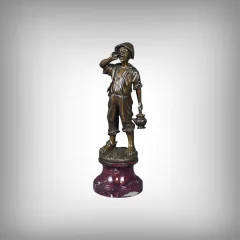
Antiquités Lecomte — Héric
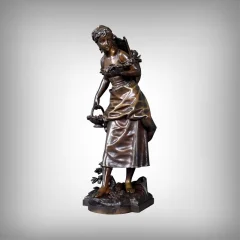
Antiquités Lecomte — Héric
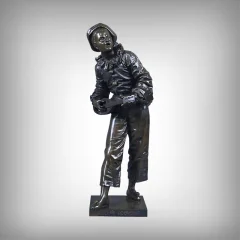
Antiquités Lecomte — Héric
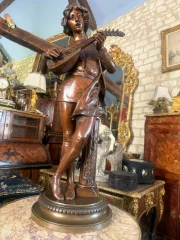
Romain Lichtensztein — Maignelay-Montigny
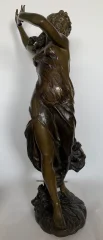
2R Antiquites — Caluire-et-Cuire
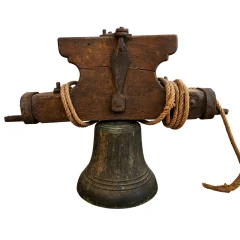
Les Trésors d'avril 71. — Saint-Bonnet-de-Vieille-Vigne
Recognising a genuine antique bronze requires a few reliable benchmarks. Start with the patina: an original surface develops a deep, subtly iridescent colouration shaped by decades of natural oxidation — it cannot be convincingly faked at a glance. Be wary of patinas that are too uniform or too glossy, which often indicate a chemical treatment applied to a recent casting. The quality of hand-chasing after the mould is removed is equally telling: crisp, varied tooling marks distinguish a carefully finished foundry piece from a later industrial reproduction.
Signatures and foundry marks matter enormously. The leading 19th-century publishers — Barbedienne, Susse Frères, Thiébaut — stamped their seal on the base or terrace of each piece. A sculptor's signature (Barye, Mène, Carpeaux, Dalou) cast in relief or engraved adds significant value. Check that the style, the presumed date and the casting method are consistent: lost-wax bronzes have thinner walls and sharper detail than sand-cast examples. For Empire gilt bronzes and Restoration-period pieces, mercury gilding — recognisable by its soft, velvety matte gold — is a reliable indicator of age that modern electroplating cannot faithfully replicate.
In terms of budget, expect to pay from a few hundred pounds or euros for an unsigned animalier statuette in good condition, rising to several thousand — or tens of thousands — for a signed group with documented provenance. Gilt bronze mantel clocks from the Empire and Louis XVI periods are a particularly sought-after collecting category. When assessing any piece, examine the integrity of projecting elements (fingers, attributes, weapons), the condition of the base, and the absence of visible repairs or solder lines — all are decisive factors in valuation.
The professional dealers on Antiquités en France can provide macro photographs of the patina and foundry marks, precise dimensions, and care advice — regular dusting with a soft brush, and a light application of microcrystalline wax for ungilded bronzes. Browse our dedicated animalier bronzes section for naturalistic sculpture, and contact any dealer directly for condition reports, certificates of authenticity or shipping quotes.