

Two-panel screen in cream lacquered wood with bevelled mirrors
le village des brocanteurs 58 — Dun-les-Places
580,00 €
Good condition
53 objects found
Direct witnesses to the artisanal skills of past centuries, antique tools captivate collectors and enthusiasts of craft history alike. Whether a fruitwood joiner's plane, a blacksmith's anvil or a set of stamped woodworking chisels, each piece tells the story of a trade that has all but vanished. Antique woodworking planes — jack planes, shoulder planes, marking gauges — rank among the most sought-after, alongside forged-steel and brass measuring instruments.
On Antiquités en France, these objects sit alongside other industrial antiques that share the same spirit of technical and heritage collecting.
53 objects found
le village des brocanteurs 58 — Dun-les-Places
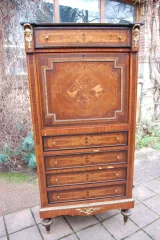
Antiquités Rousseau — Évry
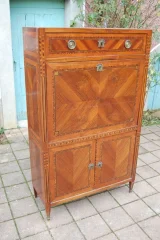
Antiquités Rousseau — Évry
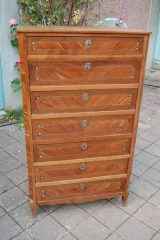
Antiquités Rousseau — Évry
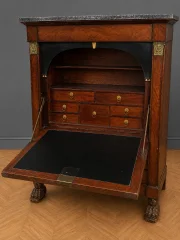
le village des brocanteurs 58 — Dun-les-Places
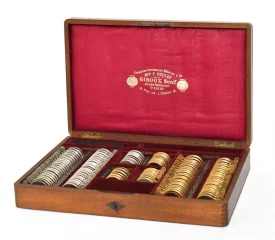
Espaces et Formes — Paris XVIII Arrdt
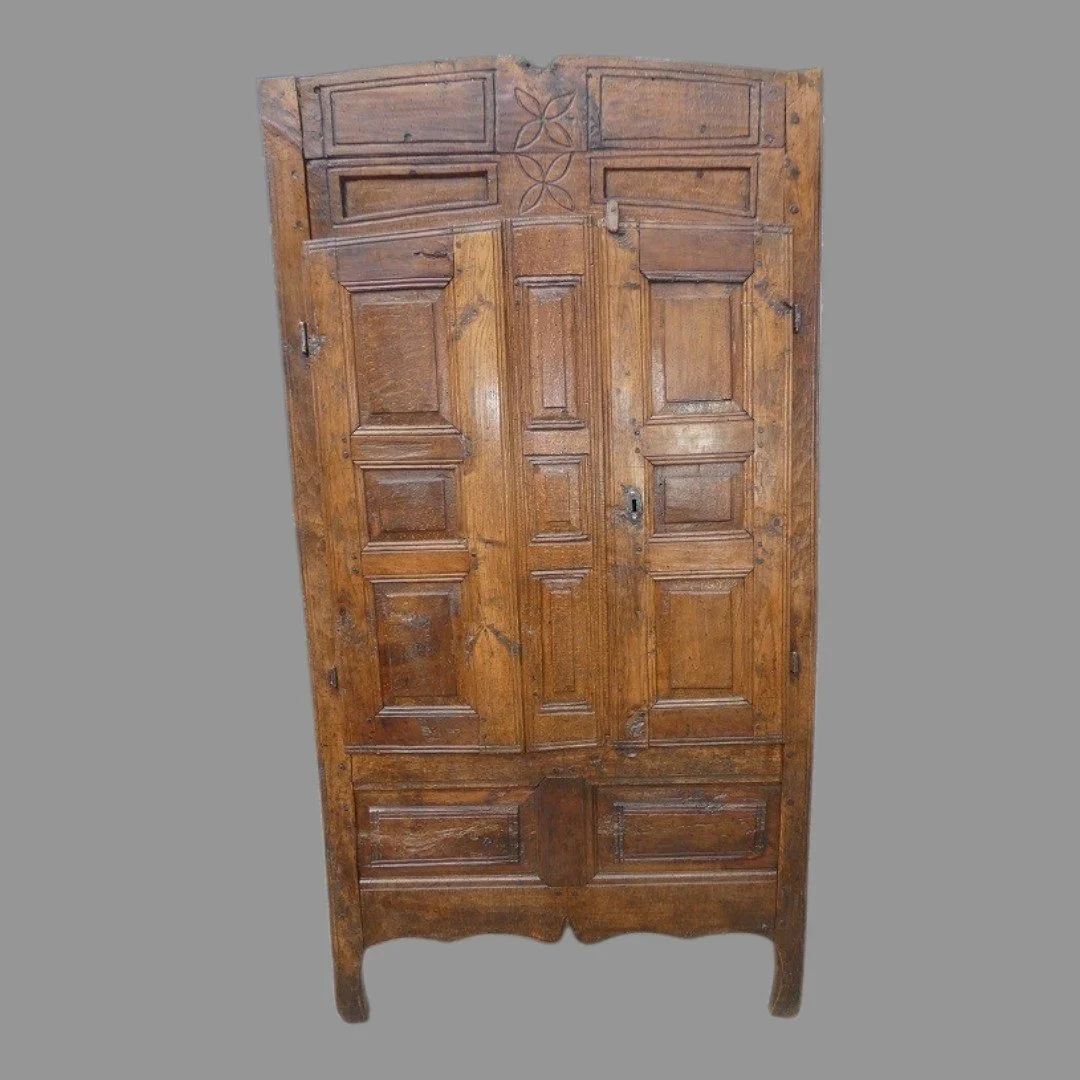
L'atelier De La Dorure — Calmont
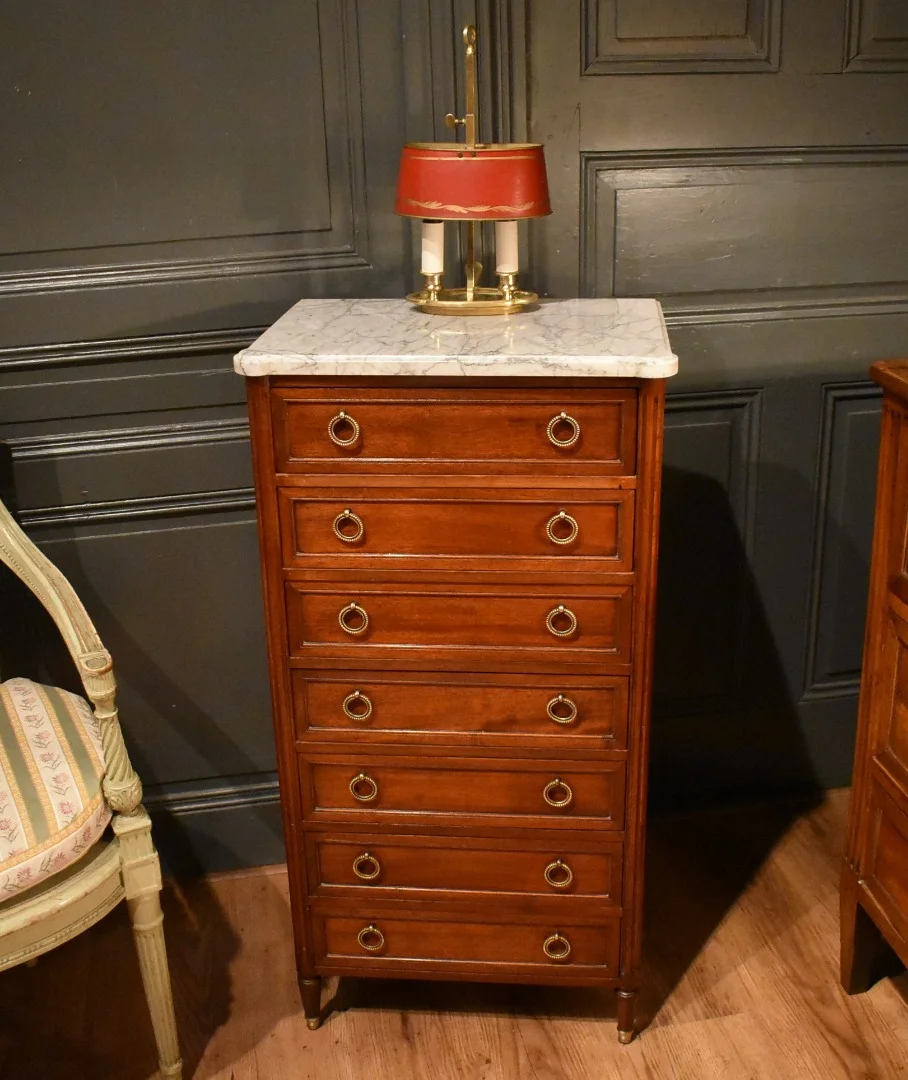
Antiquités Anne Marie Perrier — La Boisse

Au Réveil Du Temps — Saint-Nabord
L'atelier De La Dorure — Calmont
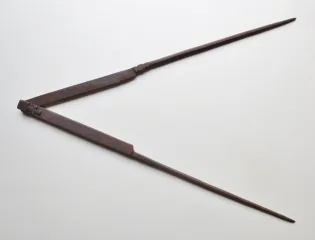
Anne Besnard — Saint-Ouen
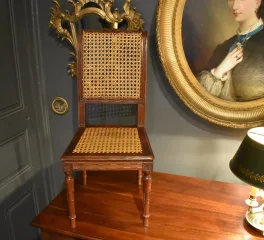
Antiquités Anne Marie Perrier — La Boisse
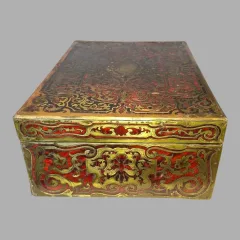
L'atelier De La Dorure — Calmont

L'atelier De La Dorure — Calmont
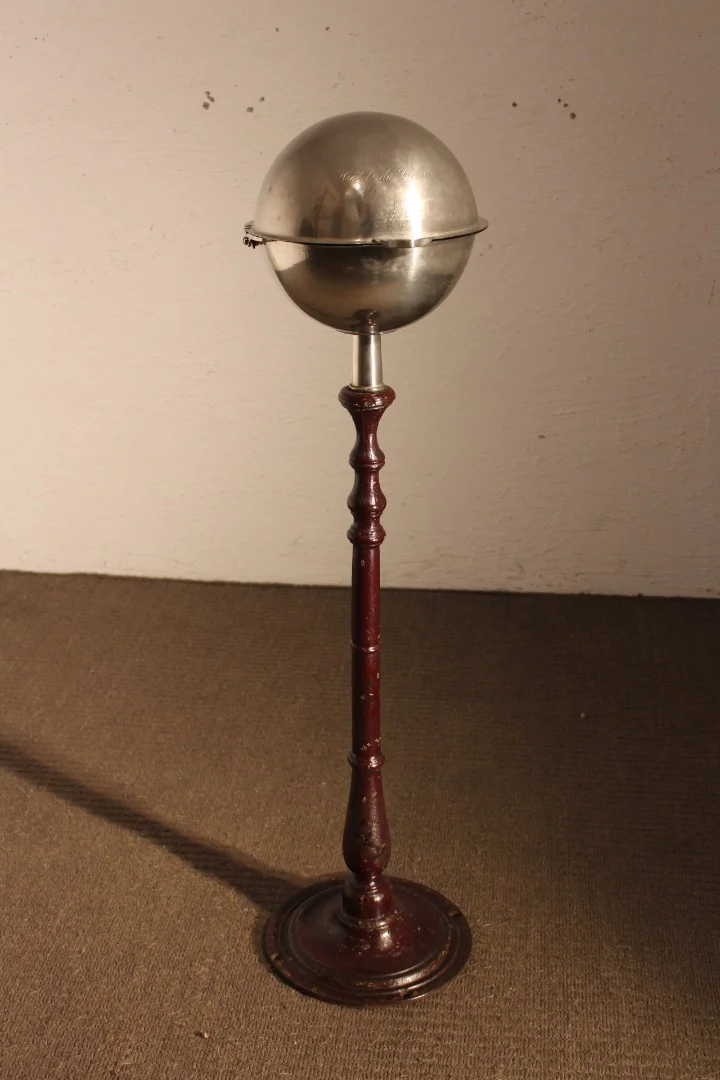
Au Réveil Du Temps — Saint-Nabord
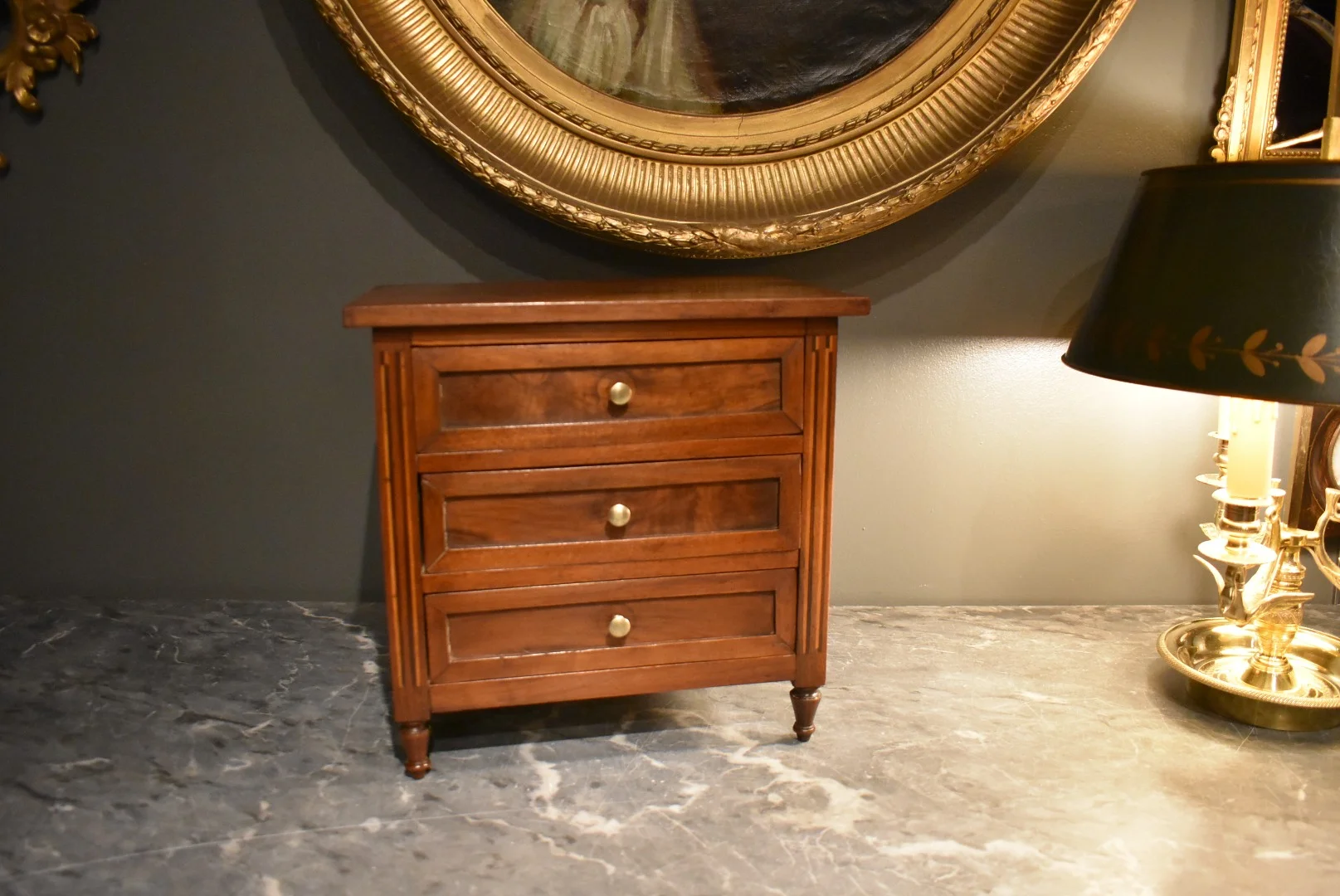
Antiquités Anne Marie Perrier — La Boisse
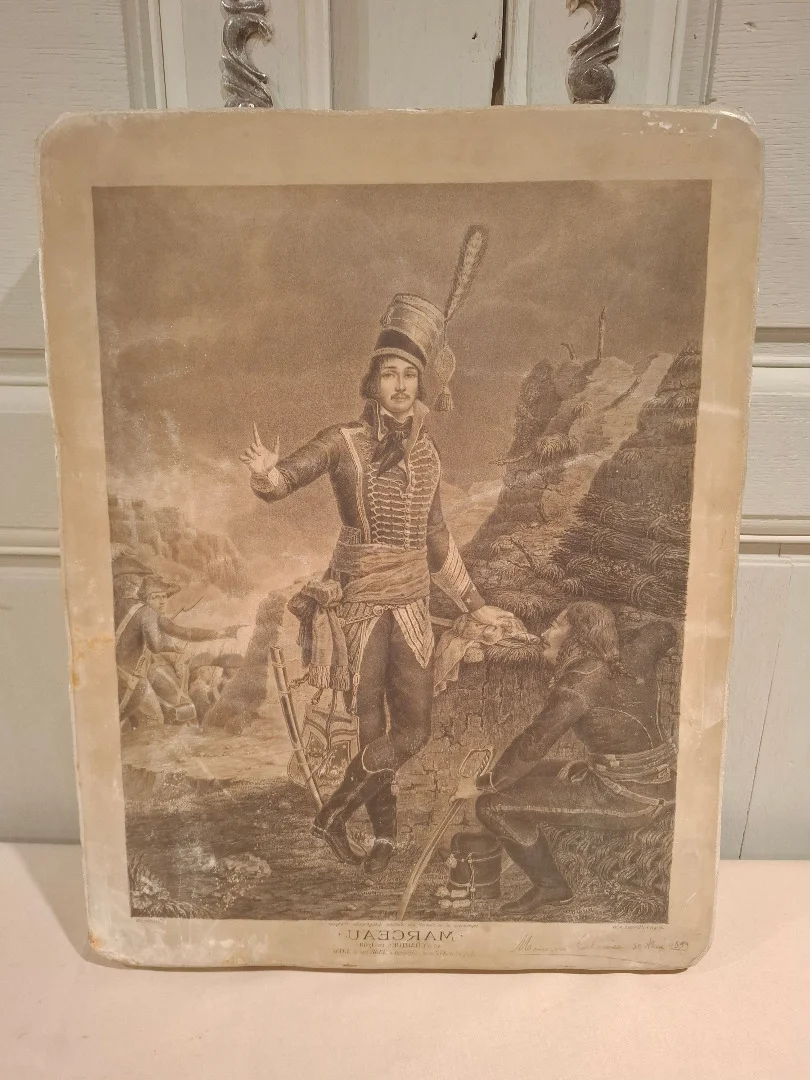
ANTIQUITES VANGEON — Chartres

Au Réveil Du Temps — Saint-Nabord
Antiquités Anne Marie Perrier — La Boisse
ANTIQUITES VANGEON — Chartres
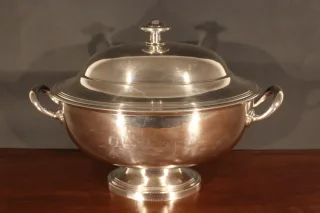
Au Réveil Du Temps — Saint-Nabord
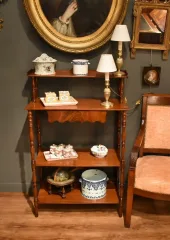
Antiquités Anne Marie Perrier — La Boisse
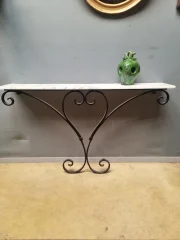
French-antiques.fr — Rouen
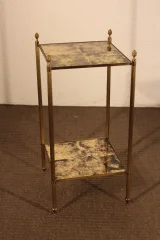
Au Réveil Du Temps — Saint-Nabord
To authenticate antique tools, start with the materials: handles in elm, ash or walnut, hand-forged steel blades and riveted ironwork are all hallmarks of pre-industrial manufacture. A maker's stamp — Goldenberg, Peugeot Frères or a regional master cutler — on the blade or body of the tool significantly reinforces both value and dating. Tools produced before the mass-mechanisation era (pre-1880–1900) typically show characteristic irregularities: hammer marks, hand-fitted adjustments and file-finished surfaces that no factory could replicate.
In terms of budget, common antique hand tools can be acquired for anywhere between a few tens and a few hundred pounds. Complete matched sets, original craftsman tool chests or pieces bearing a reputable maker's mark can exceed several hundred pounds. Condition is paramount: favour tools with intact handles free of deep cracks, and blades that retain their original profile without excessive re-tempering.
Care is straightforward: a light application of linseed or camellia oil to metal parts prevents rust, while a coat of beeswax nourishes and protects wooden handles. Avoid any abrasive cleaning that would strip the patina — that aged surface is the most honest certificate of antiquity a tool can carry. Antique brass measuring instruments — compasses, spirit levels, try squares — deserve particular attention: their mechanical precision is often still fully functional.
On Antiquités en France, every antique tool is offered by a verified professional dealer who guarantees authenticity and accurate description. You may also wish to explore our vineyard antiques for equally fascinating agricultural and viticultural tools, or browse the wider range of industrial antiques. Contact the dealer directly for additional photographs, provenance details and shipping options.