
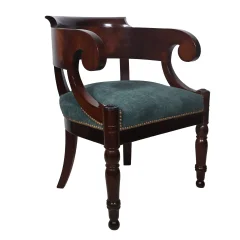
Restoration-period mahogany desk chair
Galerie Lauretta — Mandelieu-la-Napoule
1 550,00 €
Very good condition
343 objects found
Flourishing between 1814 and 1830 under Louis XVIII and Charles X, the Restauration style marks an elegant transition between the severity of the Empire style and the exuberance of the Louis-Philippe period. Its hallmarks are lighter lines, gentle curves, and a refined taste for pale woods — maple, lemonwood, ash — alongside rich solid mahogany. Gilt bronze mounts, more restrained than in the preceding era, adorn feet, handles and sabots with characteristic delicacy.
Restauration period furniture is recognised by its sabre or console legs, gondola-back chairs and carefully matched veneers. Commodes, fall-front secretaires and bergères are among the most sought-after pieces by collectors today.
343 objects found
Galerie Lauretta — Mandelieu-la-Napoule
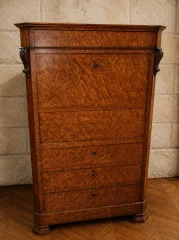
le village des brocanteurs 58 — Dun-les-Places
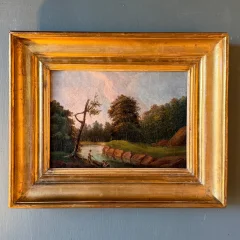
Ponvianne Antiquités — Marcy-l'Étoile
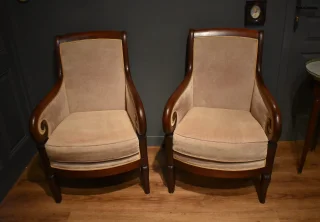
Antiquités Anne Marie Perrier — La Boisse
Ponvianne Antiquités — Marcy-l'Étoile
Antiquités Anne Marie Perrier — La Boisse

Ponvianne Antiquités — Marcy-l'Étoile
Antiquités Anne Marie Perrier — La Boisse
Antiquités Anne Marie Perrier — La Boisse
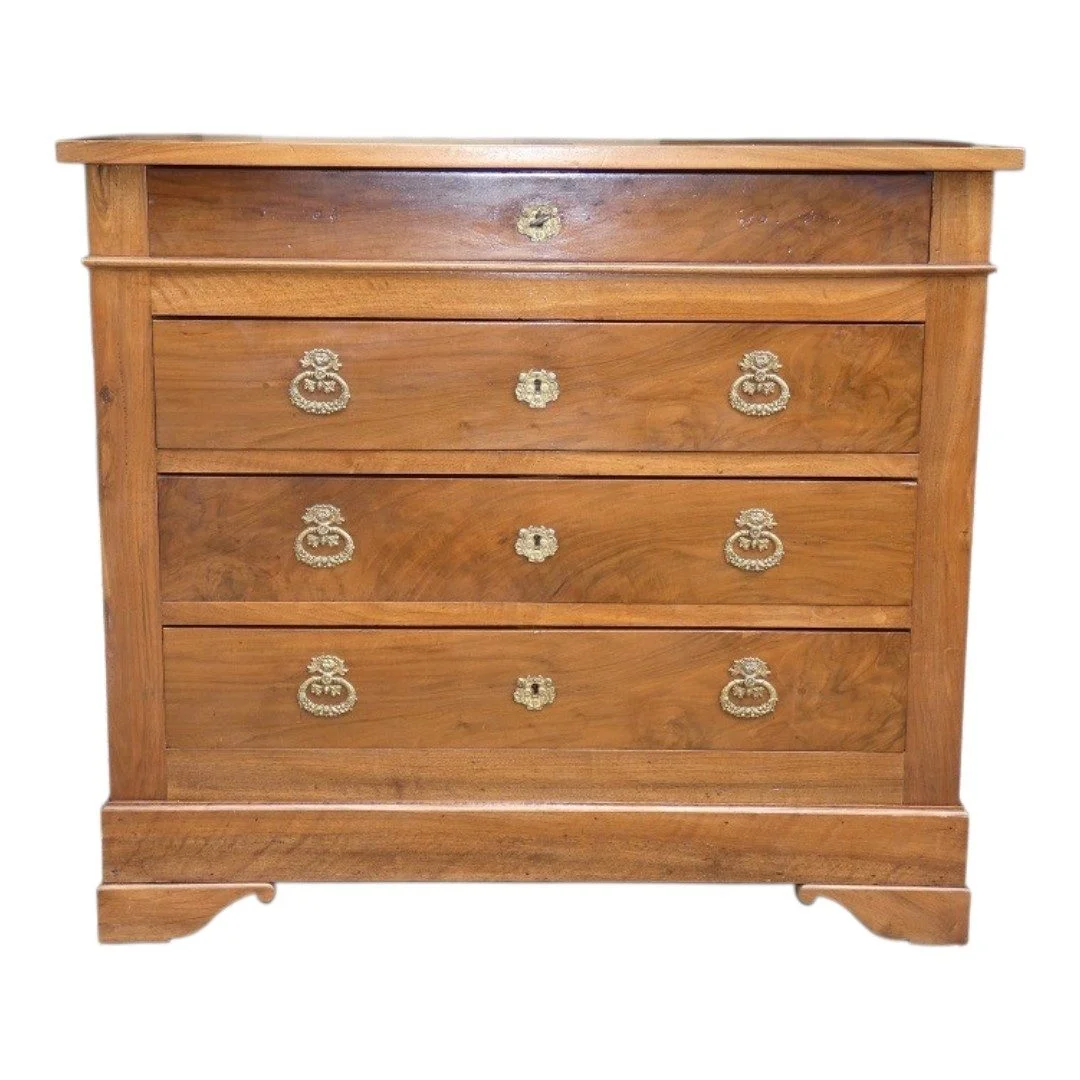
L'atelier De La Dorure — Calmont
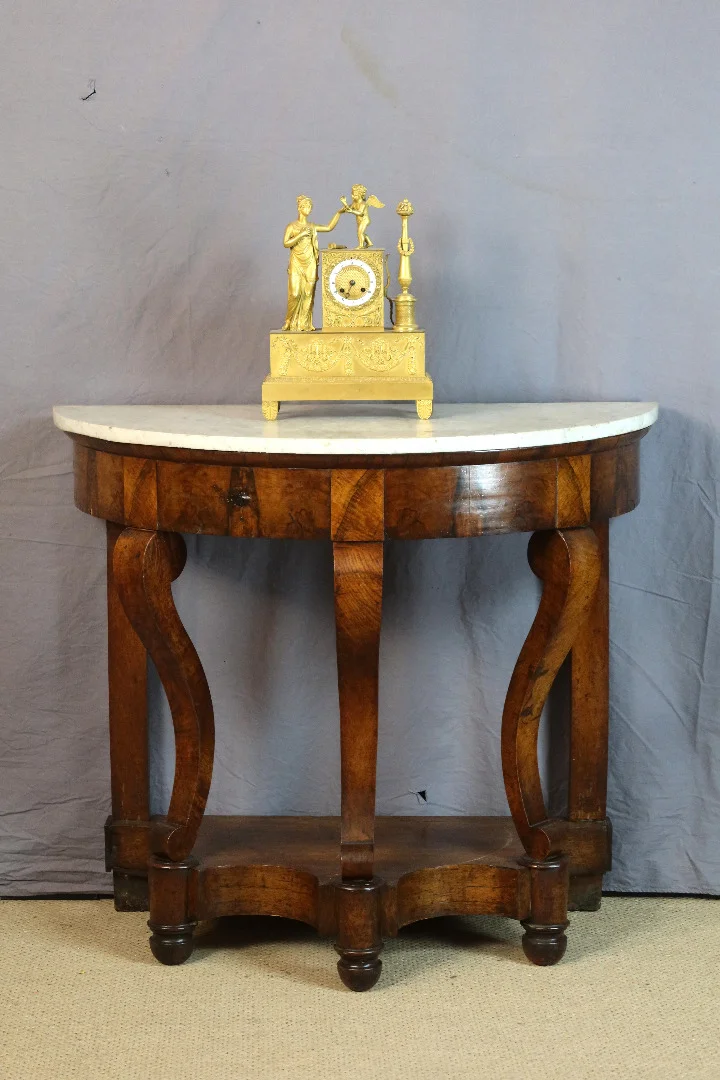
Philippe Cote Antiquites — Chauffailles
Antiquités Christophe Rochet — Villeurbanne
Antiquités Lecomte — Héric
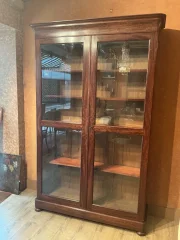
Eric Saget — Paris
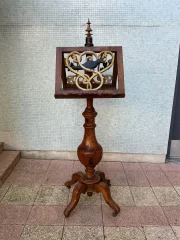
Eric Saget — Paris
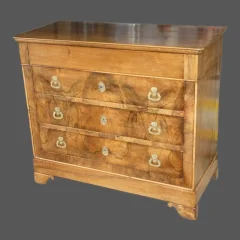
L'atelier De La Dorure — Calmont
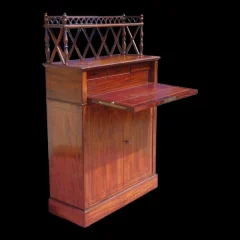
L'atelier De La Dorure — Calmont
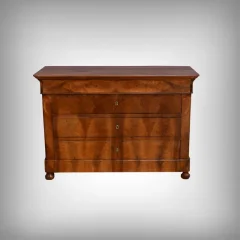
Antiquités Lecomte — Héric
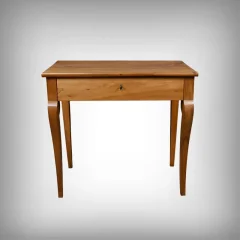
Antiquités Lecomte — Héric
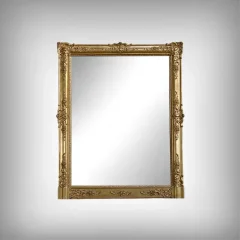
Antiquités Lecomte — Héric
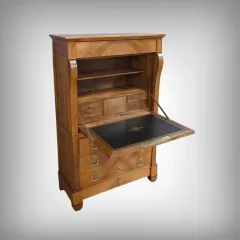
Antiquités Lecomte — Héric

Antiquités Anne Marie Perrier — La Boisse
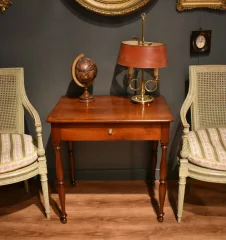
Antiquités Anne Marie Perrier — La Boisse

ANTIQUITES VANGEON — Chartres
Authenticating a genuine Restauration style piece begins with the construction: drawers are fitted with fine dovetail joints, secondary wood (poplar, oak) is used for backs and drawer bottoms, and assemblies are glued with traditional bone glue. The light wood veneers — bird's-eye maple, lemonwood, elm burr — are especially characteristic of the Charles X period and reflect the highest standards of French cabinet-making. Be cautious of late 19th-century reproductions, which are typically less refined in their interior finishing.
In terms of budget, a small Restauration period bedside table or guéridon in good condition typically sells for £250–£700, while a Charles X mahogany commode with original gilt bronze mounts can reach £1,700–£5,000. Fall-front secretaires in pale wood, highly prized by collectors, generally range from £1,200 to £3,500 depending on condition and provenance. The integrity of the veneer, the originality of the bronze mounts and the absence of clumsy restoration work are the key price determinants.
To broaden your search, consider antique gondola armchairs, quintessential expressions of bourgeois comfort from this period, or trace the stylistic lineage back through the Directoire style. Gilt bronze and black marble mantel clocks, candelabra wall lights and pediment mirrors are also outstanding acquisitions within this style.
On Antiquités en France, every Restauration piece is offered by a verified professional antique dealer able to provide detailed photographs, exact dimensions and full provenance information. Contact the dealer directly to request an authenticity certificate or condition report before purchasing — a standard service among the professionals listed on our platform.