
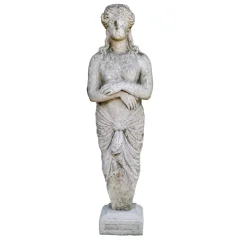
Large garden statue in reconstituted stone – Female figure in antique style (mid-20th century)
le village des brocanteurs 58 — Dun-les-Places
920,00 €
Good condition
135 objects found
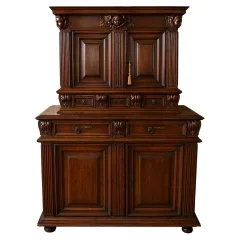
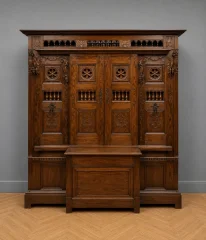
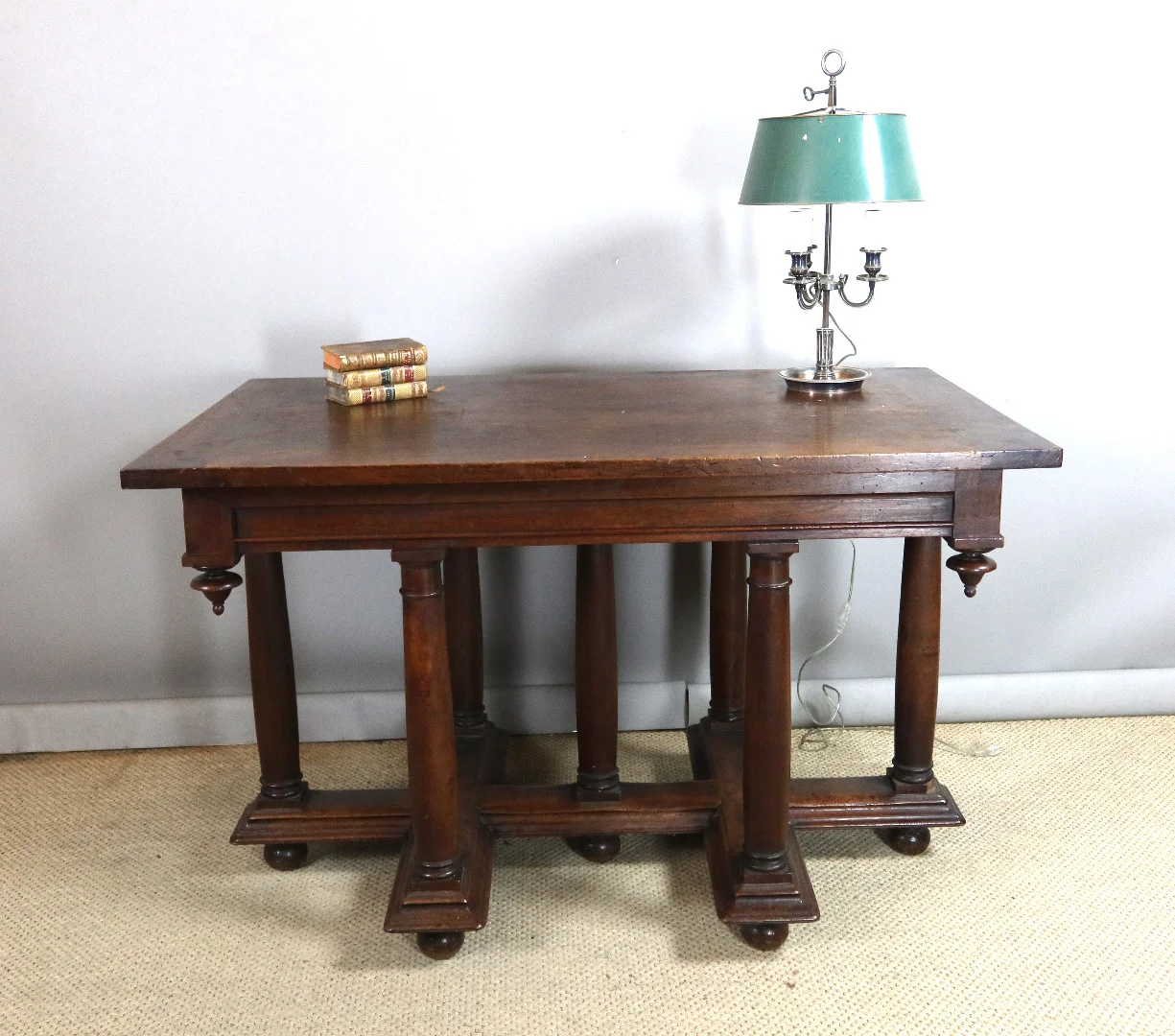
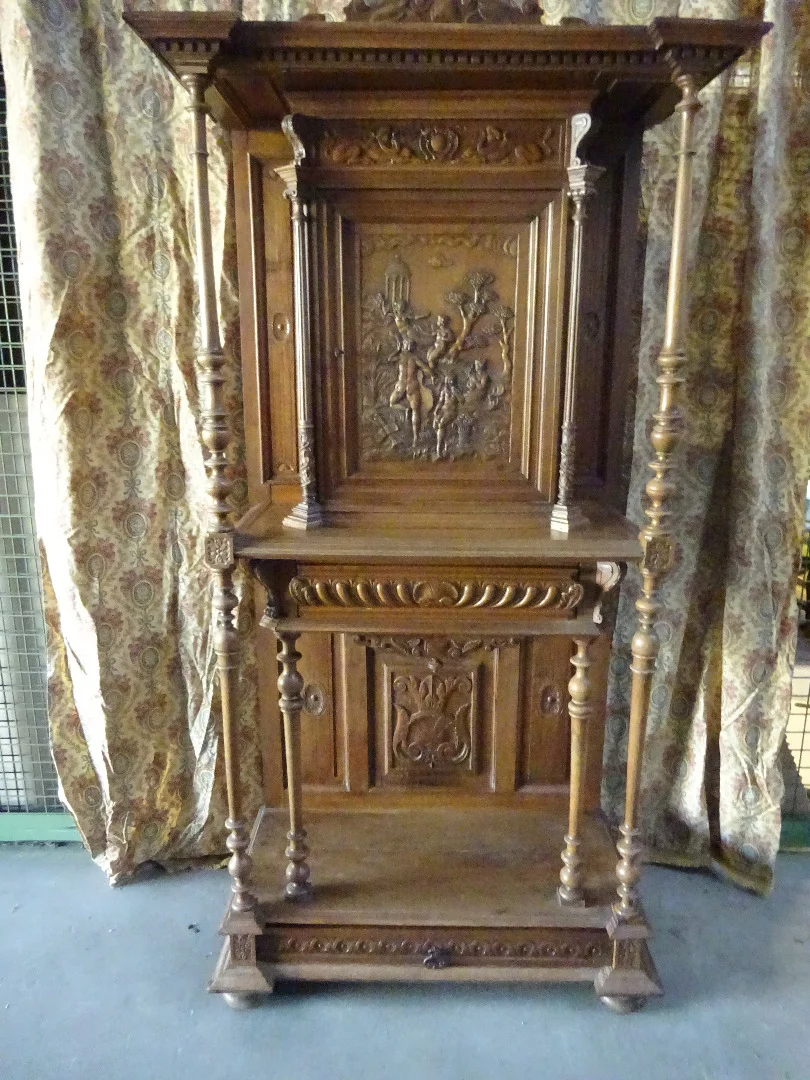
Emerging in France at the turn of the 16th century under the influence of the Italian courts, the Renaissance style introduced a radically new decorative vocabulary: pilasters, all'antica medallions, foliate scrollwork and mythological figures replaced the interlaced motifs of the Gothic tradition. Renaissance furniture — two-body dressers, cabinets, trestle tables — is distinguished by richly carved oak or walnut, often enhanced with marquetry or painted panels. This style sits within the broader continuum of Haute Époque craftsmanship, sharing its exacting standards of hand workmanship.
135 objects found
le village des brocanteurs 58 — Dun-les-Places
le village des brocanteurs 58 — Dun-les-Places
le village des brocanteurs 58 — Dun-les-Places
Philippe Cote Antiquites — Chauffailles
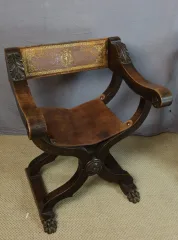
Philippe Cote Antiquites — Chauffailles

Philippe Cote Antiquites — Chauffailles
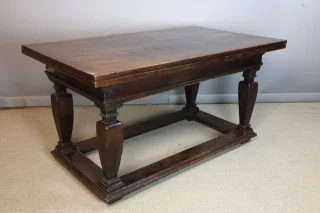
Philippe Cote Antiquites — Chauffailles
Antiquités Lecomte — Héric
Antiquités Lecomte — Héric
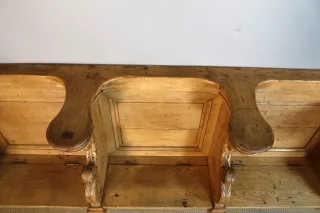
Philippe Cote Antiquites — Chauffailles
Philippe Cote Antiquites — Chauffailles

Antiquités GUY Jacques — Buchères
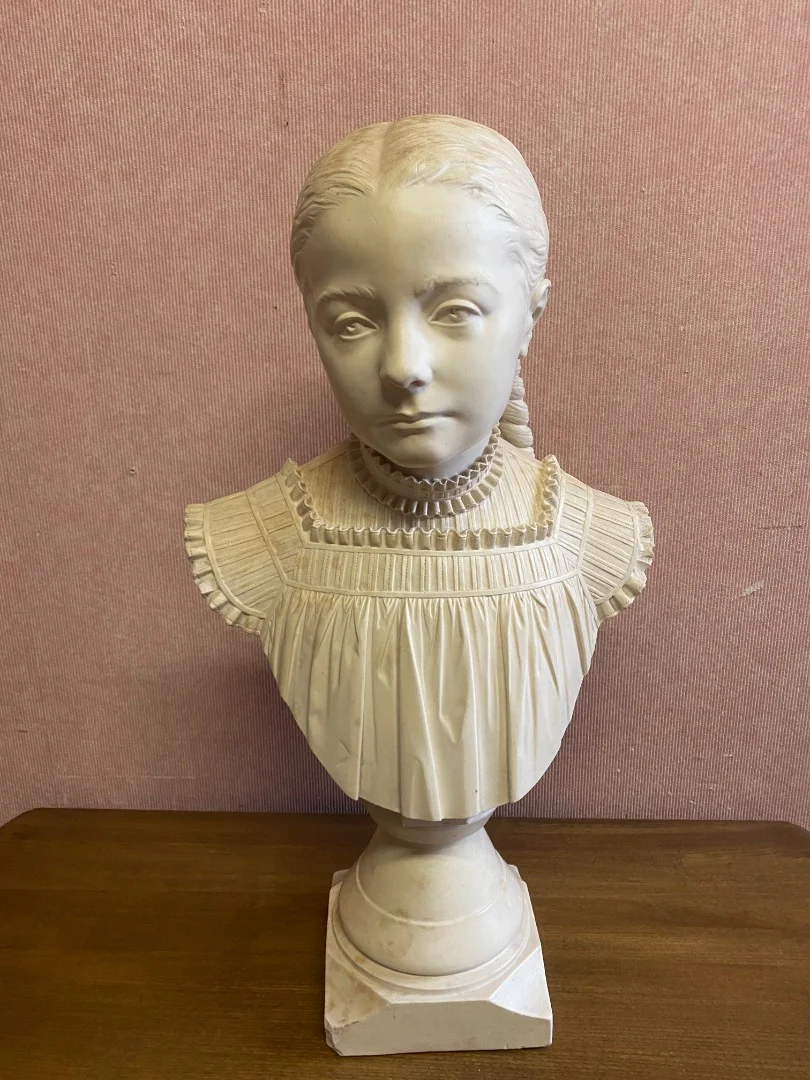
jean-pierre PERNOD — Bourg-en-Bresse
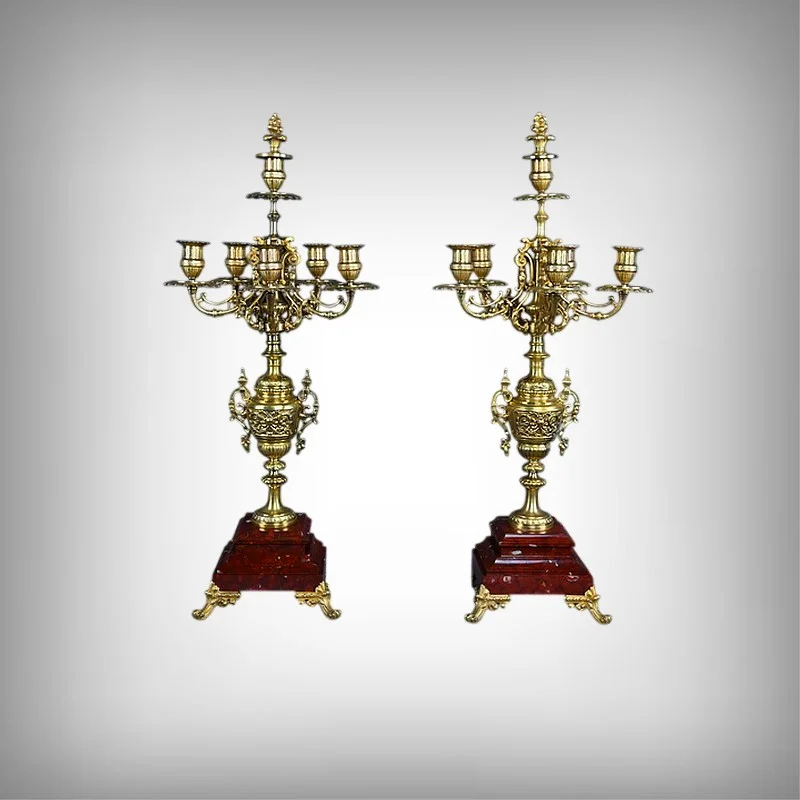
Antiquités Lecomte — Héric

Philippe Cote Antiquites — Chauffailles
Philippe Cote Antiquites — Chauffailles
Ecritoire Antiquites Poidras jean-luc — Vertou
Eric Saget — Paris
Philippe Cote Antiquites — Chauffailles

Antiquités Christophe Rochet — Villeurbanne

Eric Saget — Paris
jean-pierre PERNOD — Bourg-en-Bresse
jean-pierre PERNOD — Bourg-en-Bresse
Philippe Cote Antiquites — Chauffailles
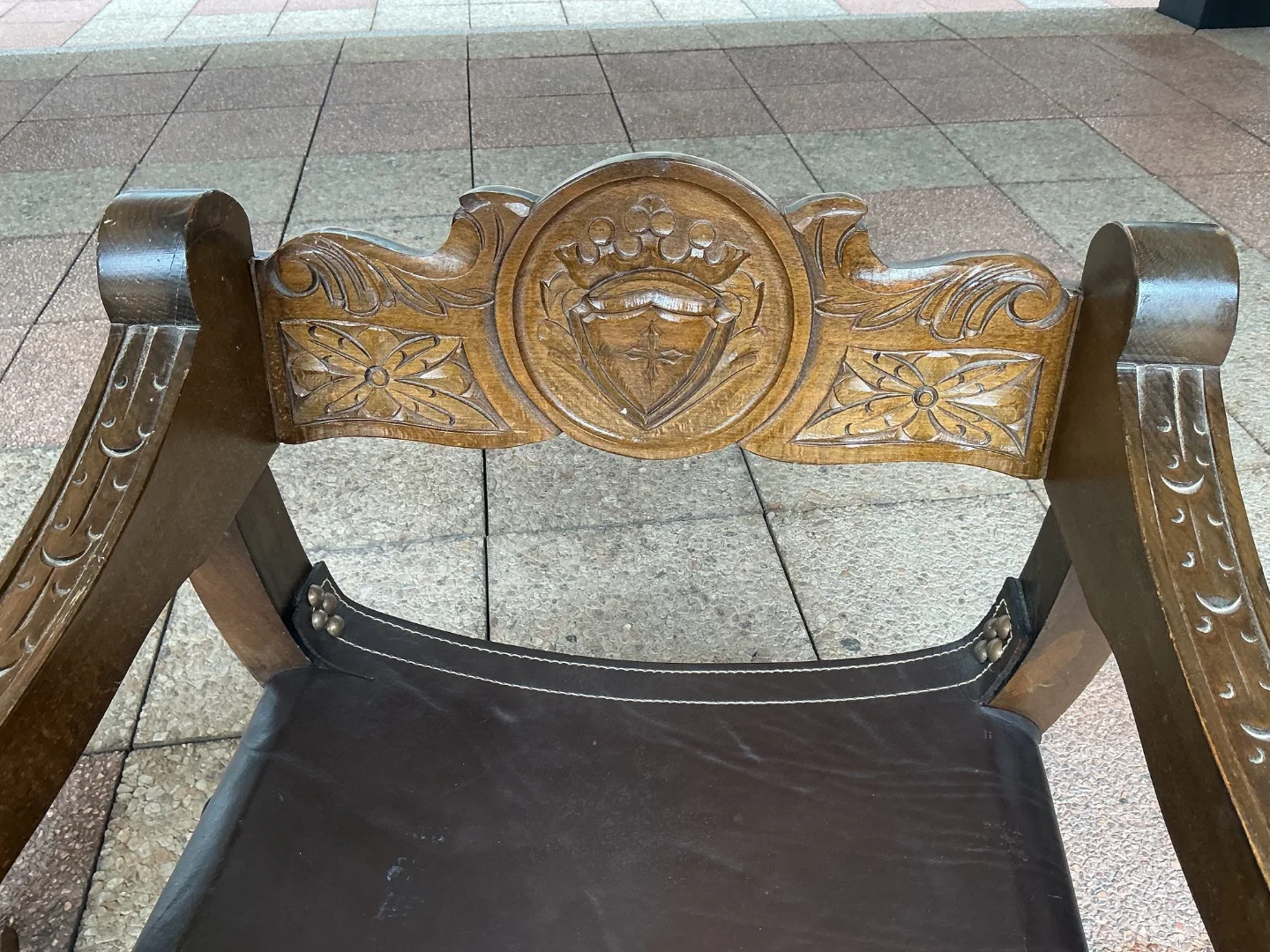
Identifying a truly authentic Renaissance antique requires a few essential reference points. Begin with the wood: solid oak and walnut dominate French 16th-century production, with mortise-and-tenon joints visible on the reverse of panels. Carved details — caryatids, mascarons, fluted pilasters — should display an even, deep patina and tool marks consistent with hand carving. Be cautious of pieces that appear too regular or too clean: many were reconstructed or heavily restored during the 19th century, when Renaissance revival was at its height and period elements were freely combined with new timber.
Renaissance oak chests and two-body dressers rank among the most sought-after pieces on the market today. Documented provenance — an old inventory, a collection label, a notarised appraisal — adds considerably to value and authenticity. In terms of budget, expect to pay from a few hundred pounds for an architectural fragment (a carved panel or capital) to several tens of thousands for a major piece attributable to a Burgundian or Loire Valley workshop. Museum-quality 16th-century carved wood sculptures regularly achieve far higher prices at auction.
To sharpen your eye, compare Renaissance pieces with the earlier production of the Gothic period that preceded it, and with the more restrained forms of the Henri II style, the later French Renaissance variant. Always check the condition of joints, the stability of panels and the coherence of any restorations: a piece consolidated with modern dowels or synthetic adhesives loses a meaningful part of its integrity and market value.
On Antiquités en France, every Renaissance piece is offered by a verified professional dealer who can provide detailed photographs, precise dimensions and provenance documentation. Contact the dealer directly for any certificate or independent appraisal before committing to a purchase — reputable antiquaires welcome such due diligence.