
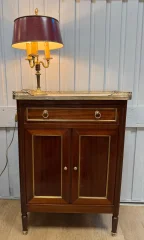
Small Louis XVI-style mahogany entre-deux cabinet
2R Antiquites — Caluire-et-Cuire
920,00 €
4747 objects found
The 20th century spans one of the most varied and inventive chapters in the history of decorative arts. Building on the legacy of the 19th century, it swept through Art Nouveau, Art Deco, Bauhaus, the organic forms of 1950s design and the bold experimentation of the 1970s. Each decade brought its own materials, silhouettes and defining names — Ruhlmann, Leleu, Prouvé, Perriand, Royère — making period knowledge essential when buying.
On Antiquités en France, all 20th century furniture and design is offered exclusively by verified professional dealers, ensuring transparency and traceability with every purchase.
4747 objects found
2R Antiquites — Caluire-et-Cuire
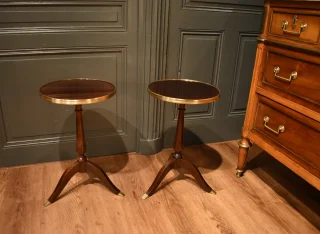
Antiquités Anne Marie Perrier — La Boisse
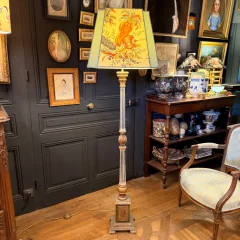
Ponvianne Antiquités — Marcy-l'Étoile
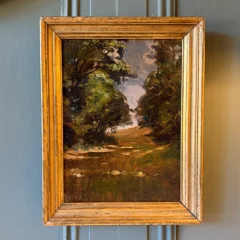
Ponvianne Antiquités — Marcy-l'Étoile
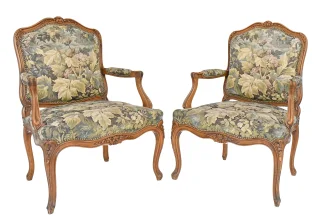
Espaces et Formes — Paris XVIII Arrdt
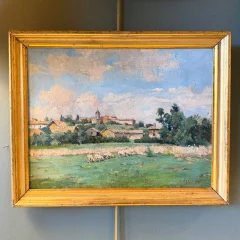
Ponvianne Antiquités — Marcy-l'Étoile
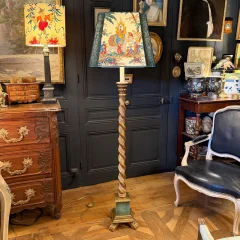
Ponvianne Antiquités — Marcy-l'Étoile
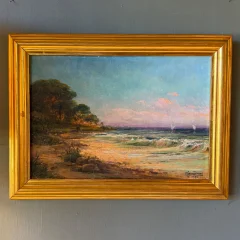
Ponvianne Antiquités — Marcy-l'Étoile
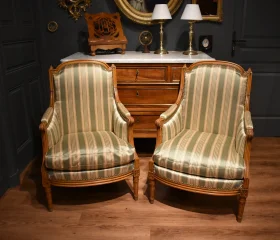
Antiquités Anne Marie Perrier — La Boisse
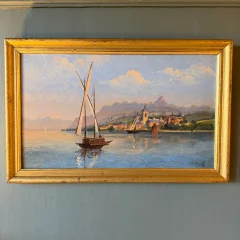
Ponvianne Antiquités — Marcy-l'Étoile
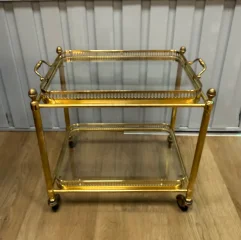
2R Antiquites — Caluire-et-Cuire
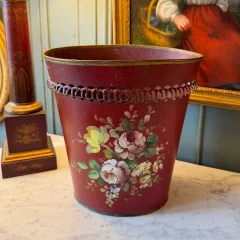
Ponvianne Antiquités — Marcy-l'Étoile
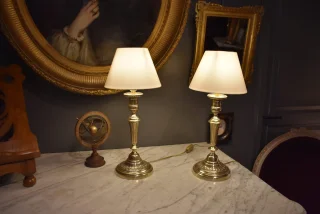
Antiquités Anne Marie Perrier — La Boisse
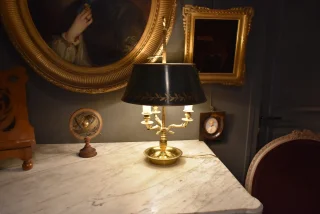
Antiquités Anne Marie Perrier — La Boisse
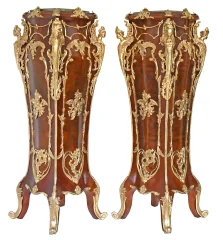
Espaces et Formes — Paris XVIII Arrdt
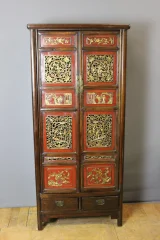
Antiquités Christophe Rochet — Villeurbanne
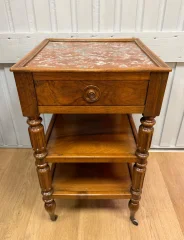
2R Antiquites — Caluire-et-Cuire
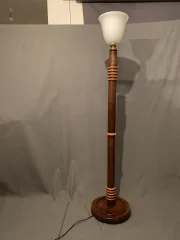
LE SOLEIL ROUGE — Lyon 7e Arrdt
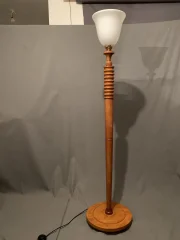
LE SOLEIL ROUGE — Lyon 7e Arrdt
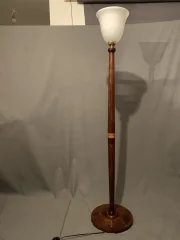
LE SOLEIL ROUGE — Lyon 7e Arrdt
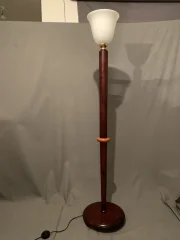
LE SOLEIL ROUGE — Lyon 7e Arrdt
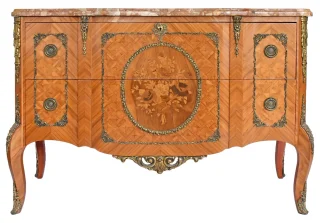
Espaces et Formes — Paris XVIII Arrdt
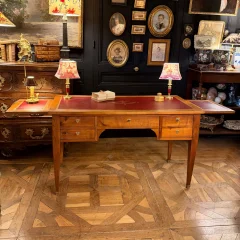
Ponvianne Antiquités — Marcy-l'Étoile
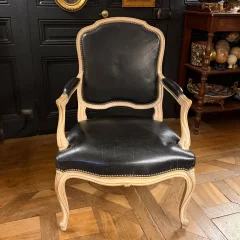
Ponvianne Antiquités — Marcy-l'Étoile
Authenticating a piece of 20th century antique furniture starts with a close reading of materials and construction. For Art Deco pieces from the 1920s–1940s, look for precious veneers — Rio rosewood, amboyna burl, Macassar ebony — paired with nickel-plated or chrome bronze hardware. A maker's stamp (Ruhlmann, Leleu, Dominique) or a gallery label on the reverse is a strong indicator of value. For mid-century modern furniture, check for tubular steel or bent-plywood structures, and verify that the joinery is consistent with the claimed period rather than a later reproduction.
The 20th century market is notably accessible: expect to pay from a few dozen pounds for a common decorative object to tens of thousands for a signed masterpiece. 20th century decorative arts — ceramics, art glass, lighting — often offer the best value for new collectors. Always inspect veneer condition, the stability of legs and feet, and whether any restoration work is coherent with the original style.
Documented provenance — an old purchase receipt, an exhibition catalogue, an estate history — significantly increases a piece's value and simplifies any future resale. It is worth comparing with pieces from the 19th century to appreciate the stylistic breaks that define the 20th. Vintage lighting and wall lights from this period also make an excellent and affordable entry point into collecting.
On Antiquités en France, every professional dealer can supply detailed photographs, exact dimensions and a full history of the piece before you commit to buying. Browse the selection below, ask questions directly to the dealer, and find the 20th century antique that will enrich your home or collection.