
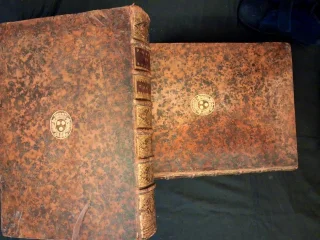
17th-Century Books – Plans de Baulieu, Two Volumes
Antiques Provence — Cheval-Blanc
134 objects found
The seventeenth century stands as one of the great ages of European decorative art. Under Louis XIV, the French court set the standard for magnificence: monumental oak and walnut furniture, Boulle marquetry cabinets inlaid with tortoiseshell and brass, and finely chiselled gilt-bronze mounts defined a Baroque aesthetic that spread across the continent. Cabinetmakers, sculptors and painters competed in virtuosity to furnish Versailles and the great houses of the kingdom.
Beyond furniture, the century produced exceptional old master paintings, tapestries, faience and silverware that remain among the most sought-after pieces on the antiques market today. For earlier works, explore our selection of 16th century antiques and earlier.
134 objects found
Antiques Provence — Cheval-Blanc
le village des brocanteurs 58 — Dun-les-Places
Antiques Provence — Cheval-Blanc
le village des brocanteurs 58 — Dun-les-Places
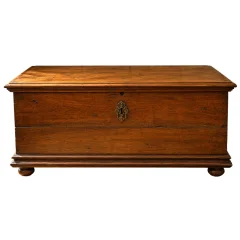
le village des brocanteurs 58 — Dun-les-Places
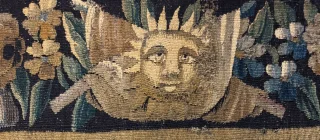
Antiques Provence — Cheval-Blanc
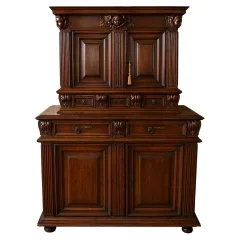
le village des brocanteurs 58 — Dun-les-Places
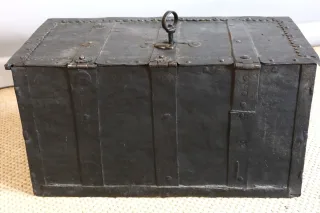
Philippe Cote Antiquites — Chauffailles
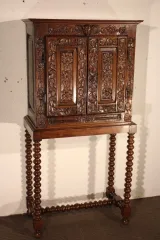
Au Réveil Du Temps — Saint-Nabord
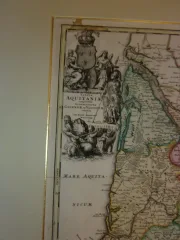
Sarl Cave — Limoges

L'atelier De La Dorure — Calmont
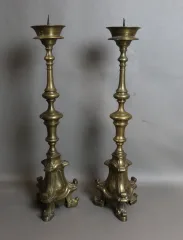
Philippe Cote Antiquites — Chauffailles
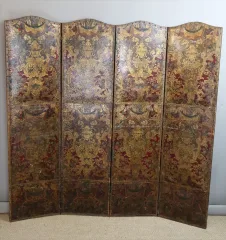
Philippe Cote Antiquites — Chauffailles
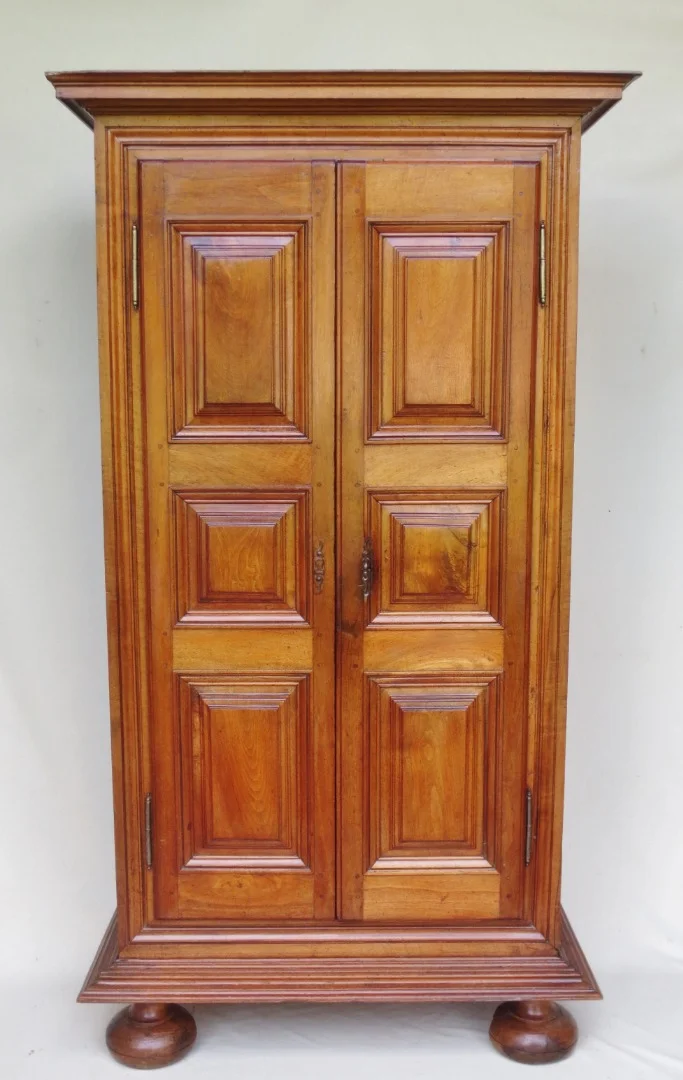
Anne Besnard — Saint-Ouen
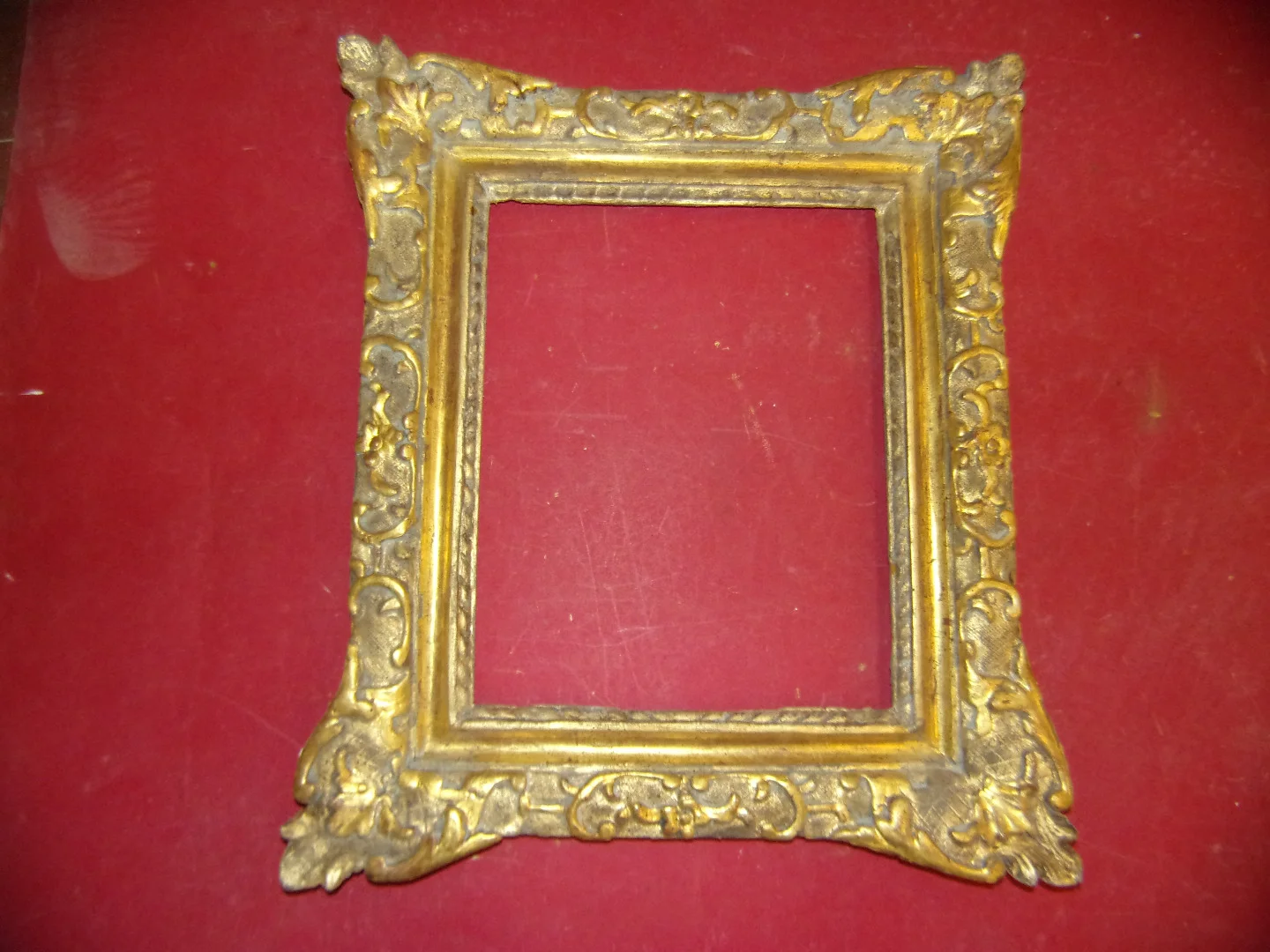
Sarl Cave — Limoges

Philippe Cote Antiquites — Chauffailles
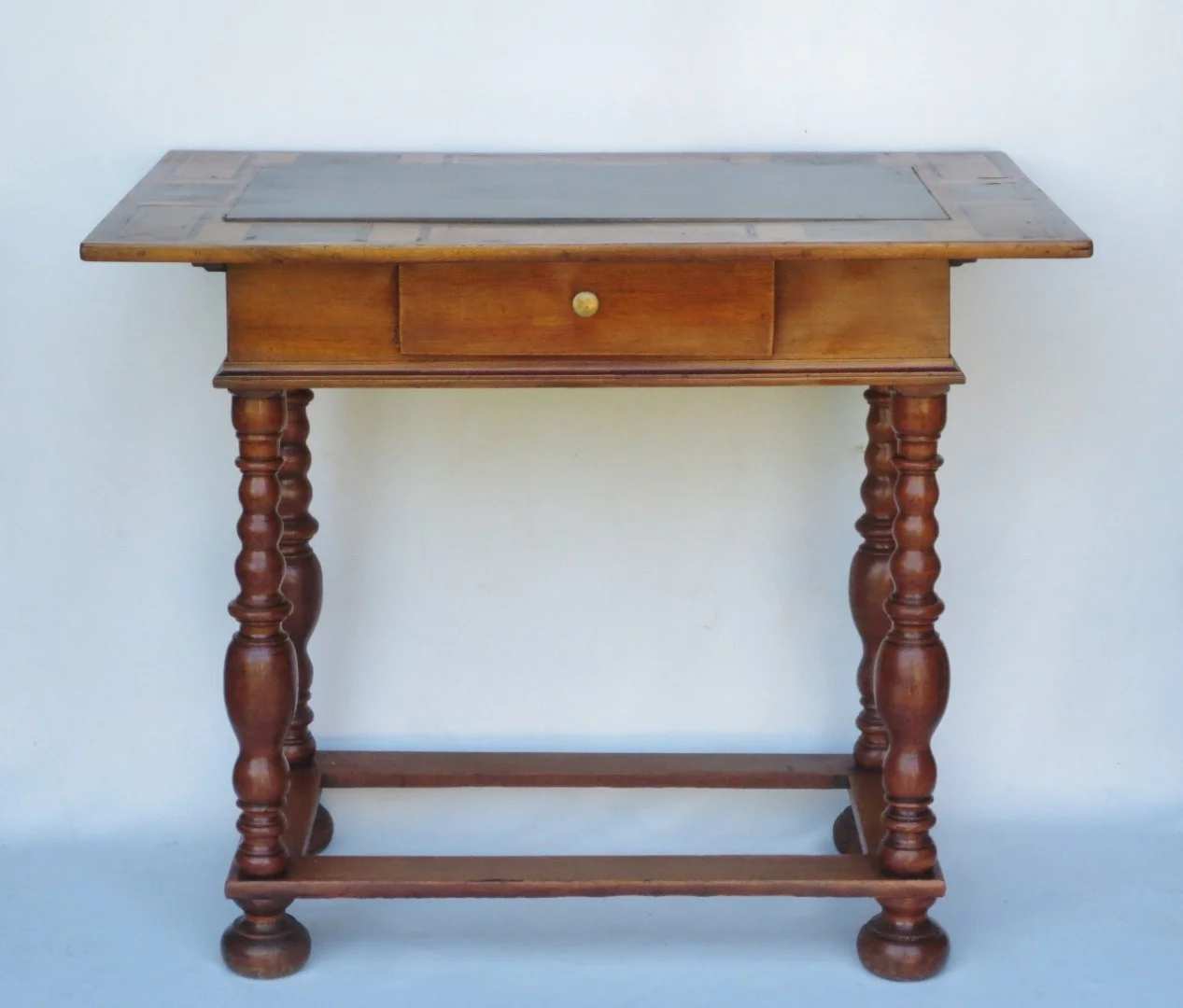
Anne Besnard — Saint-Ouen
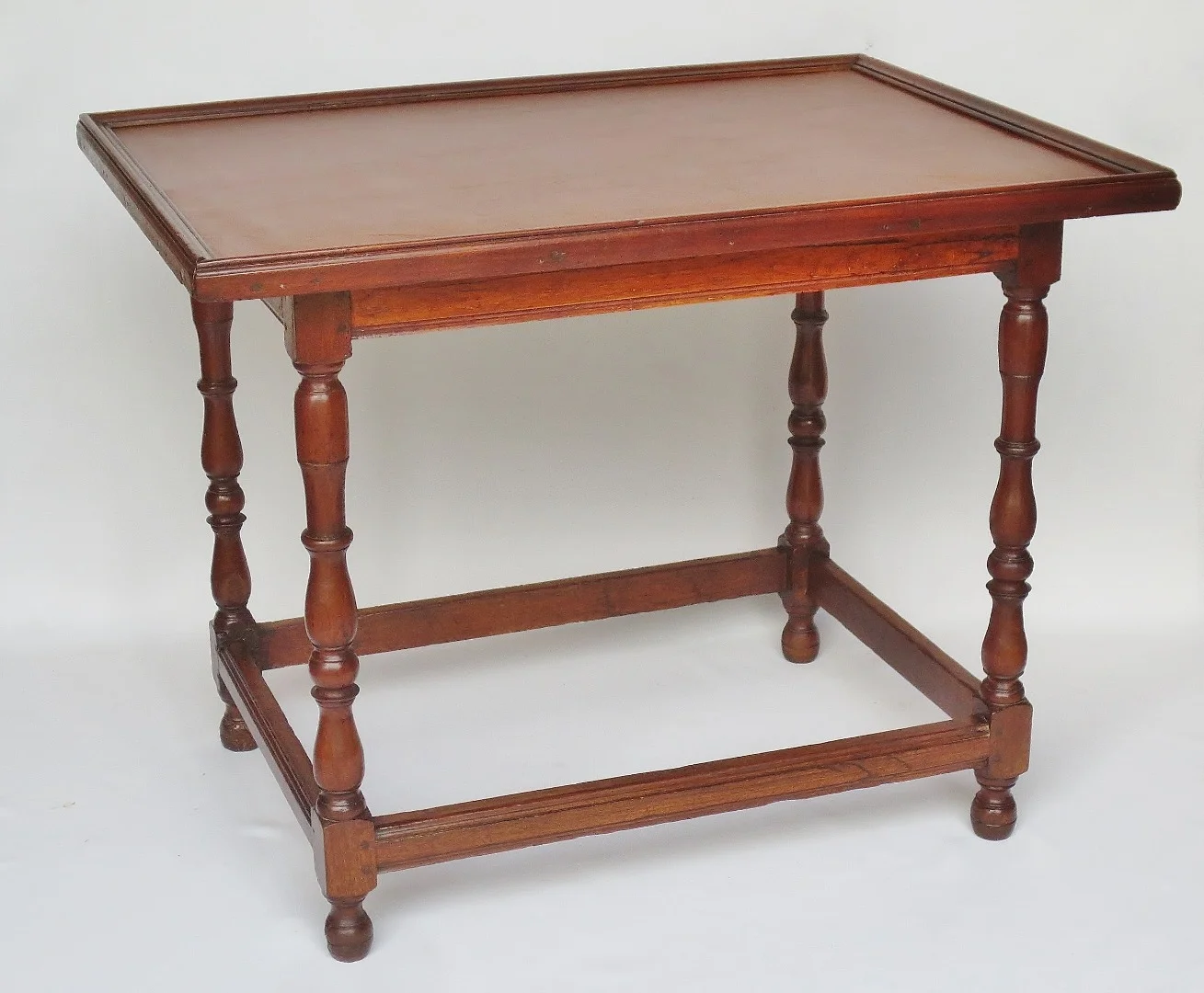
Anne Besnard — Saint-Ouen
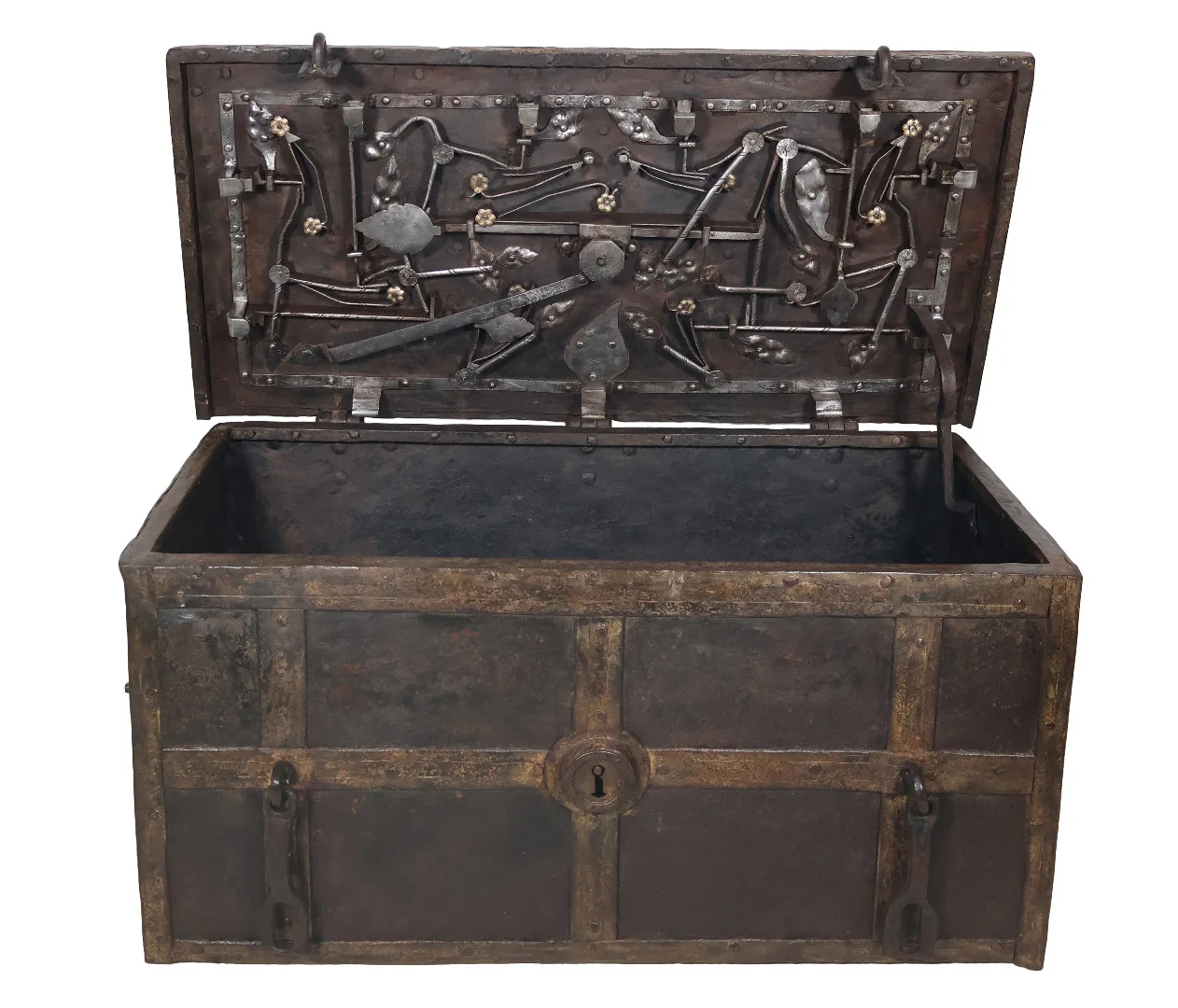
Galerie Lauretta — Mandelieu-la-Napoule
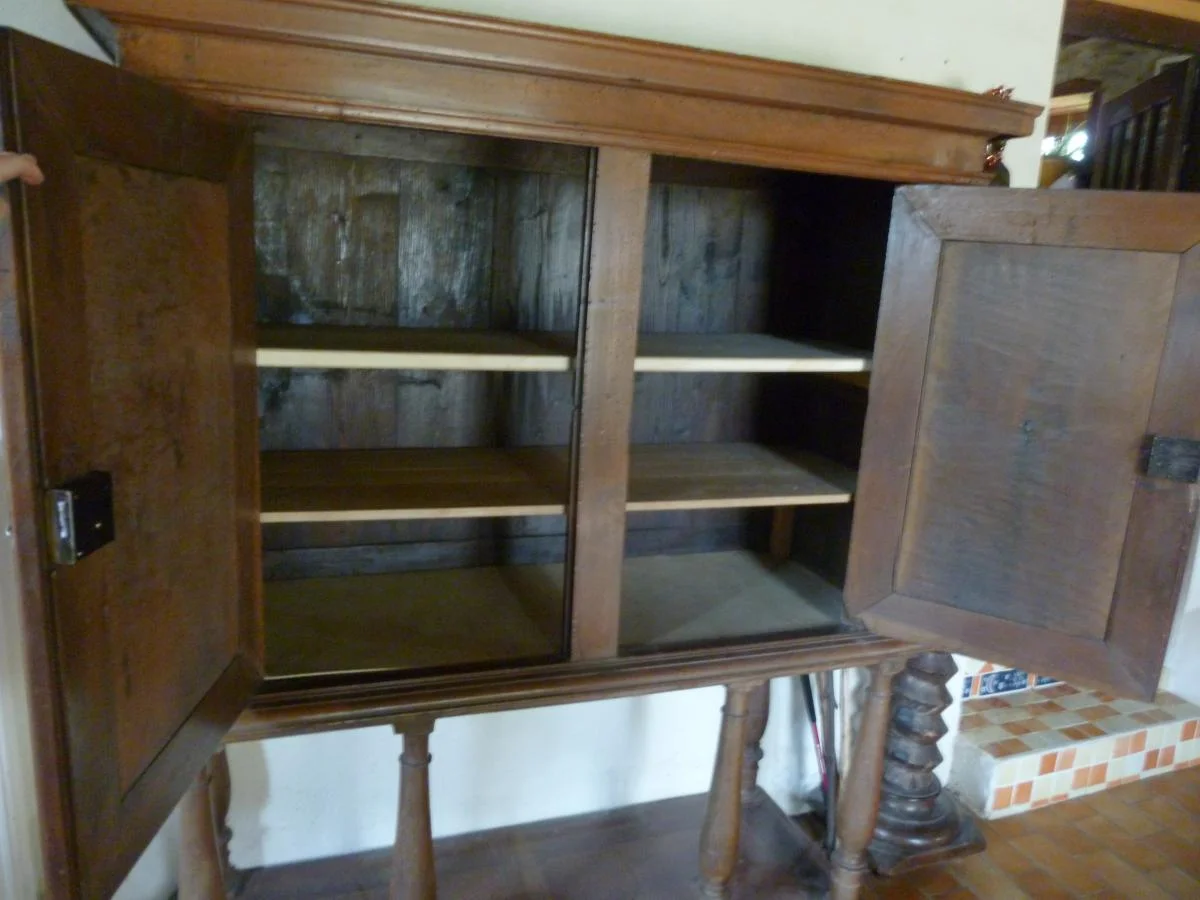
Sarl Cave — Limoges
Antiques Provence — Cheval-Blanc
Philippe Cote Antiquites — Chauffailles
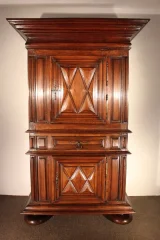
Au Réveil Du Temps — Saint-Nabord
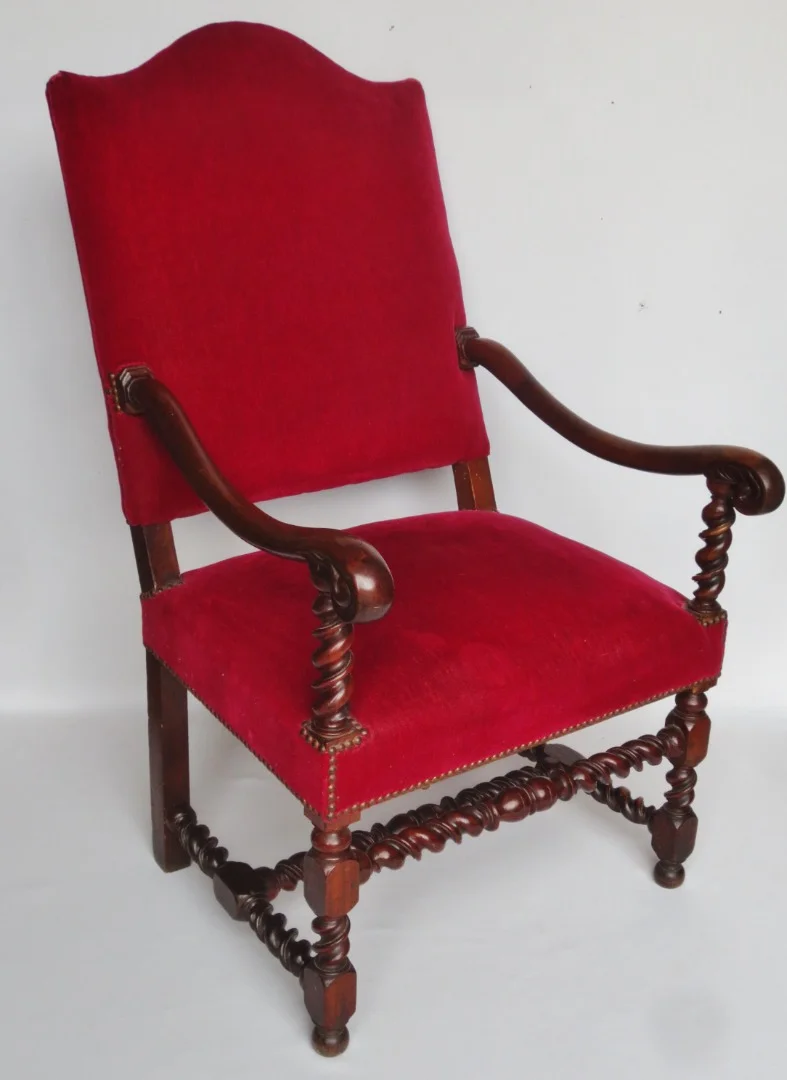
Anne Besnard — Saint-Ouen
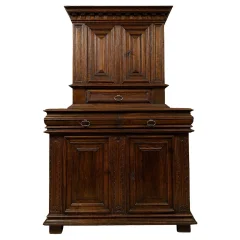
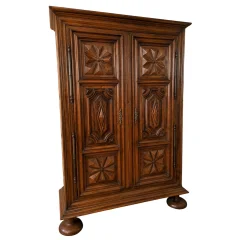
Authenticating a piece of 17th century furniture requires both method and experience. Begin with the construction: hand-cut mortise-and-tenon joints secured with wooden pegs, solid-wood drawer bottoms (never plywood) and the irregular marks left by hand tools are all reliable signs of genuine age. On carved oak armoires and buffets of the period, hand-sculpted panels display the subtle irregularities that no industrial reproduction can replicate. The natural patina of the wood — golden on oak, deep brown on walnut — should be even and consistent with the wear on exposed surfaces.
For 17th century old master paintings, examine the reverse of the canvas: a fixed-key stretcher, an irregularly woven canvas and a fine network of age cracks (craquelure) distributed evenly across the paint surface are encouraging indicators. For any significant purchase, an assessment by a specialist in French or Flemish painting is strongly recommended. Works from the circle of painters such as Philippe de Champaigne, Simon Vouet or the great Flemish masters continue to hold solid market value.
In terms of budget, accessible entry points include period engravings, Nevers or Rouen faience, small bronzes and modest pieces of silverware, often available from a few hundred pounds or euros. A well-preserved, documented piece of furniture typically trades between €2,000 and €20,000, with exceptional stamped or provenance-rich examples commanding considerably more. Always check the condition of bronze mounts, the stability of joints and whether any restorations have been concealed. To broaden your search, our selection of 18th century antiques offers pieces that directly continue and refine the Grand Siècle tradition.
On Antiquités en France, every 17th century piece is offered by a verified professional dealer able to provide detailed photographs, provenance documentation and care advice. Contact the dealer directly to request a provenance certificate or additional information before committing to a purchase — it is the surest way to buy with confidence.